Artist: Peter Seivewright

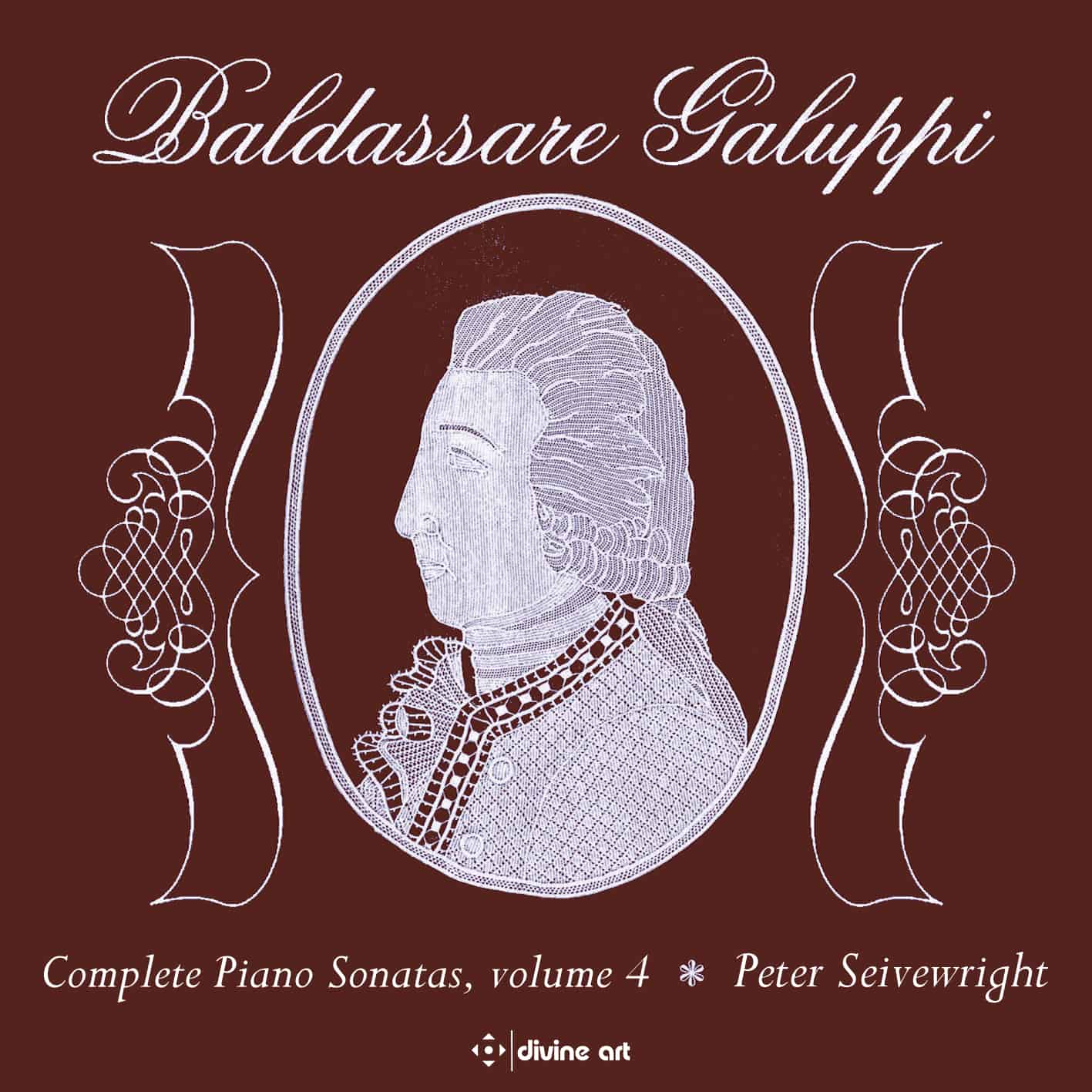
  • Galuppi Piano Sonatas, volume 4

    Galuppi Piano Sonatas, volume 4

    Peter Seivewright was amongst the first musicians to seriously research (in 1994) the 100 keyboard sonatas by Venetian composer Galuppi, also famed as a pioneer of opera buffa. While others have since come to appreciate and record the fine variety and novelty of these works, for many personal and career reasons, Seivewright’s series was held up after volume 3 was released in 2004 but is now back on track with this intermediate album which includes also the G major Piano Concerto. Many of the sonatas have had to be reconstructed from single movement manuscripts. They show amazing diversity, from single-movement works to two- and three-movement pieces, and from traditional baroque style to a Romanticism prescient of Schumann. Seivewright strongly believes that the works were specifically written for the pianoforte rather than harpsichord due to their frequent need for sostenuto and other factors.

    Peter Seivewright studied at Oxford then at the Royal Northern College of Music. He has performed extensively as recitalist and concerto soloist and has taught in colleges around the world, from Scotland to Trinidad to Afghanistan and most recently in Phnom Penh, Cambodia.
    Find Volume 1 | Volume 2 | Volume 3
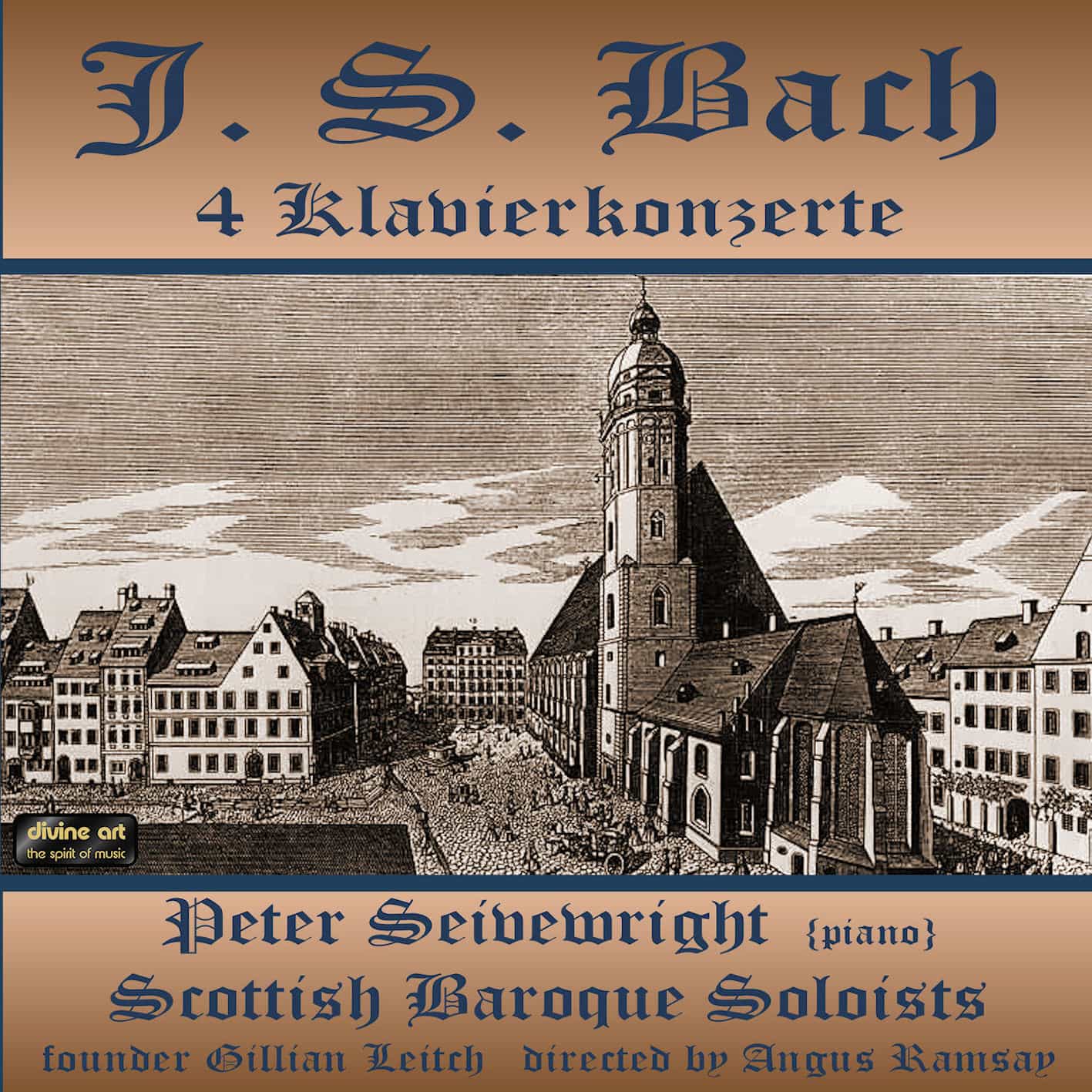
  • J S Bach – 4 Klavierkonzerte

    J S Bach – 4 Klavierkonzerte

    Bach’s Concertos for keyboard and chamber orchestra are rightly acknowledged as masterpieces of the genre, and among the first truly great concertos of the Baroque/Early Classical period. They are performed with a wide variety of instrumentation, and here Peter Seivewright plays a modern Steinway Model D grand piano, accompanied by a baroque size ensemble, also using modern instruments, but in the authentic one-to-a-part style. The continuo here is provided, again authentically, by the Spanish guitar, which gives a warmer sound than the more common harpsichord.

  • American Piano Sonatas

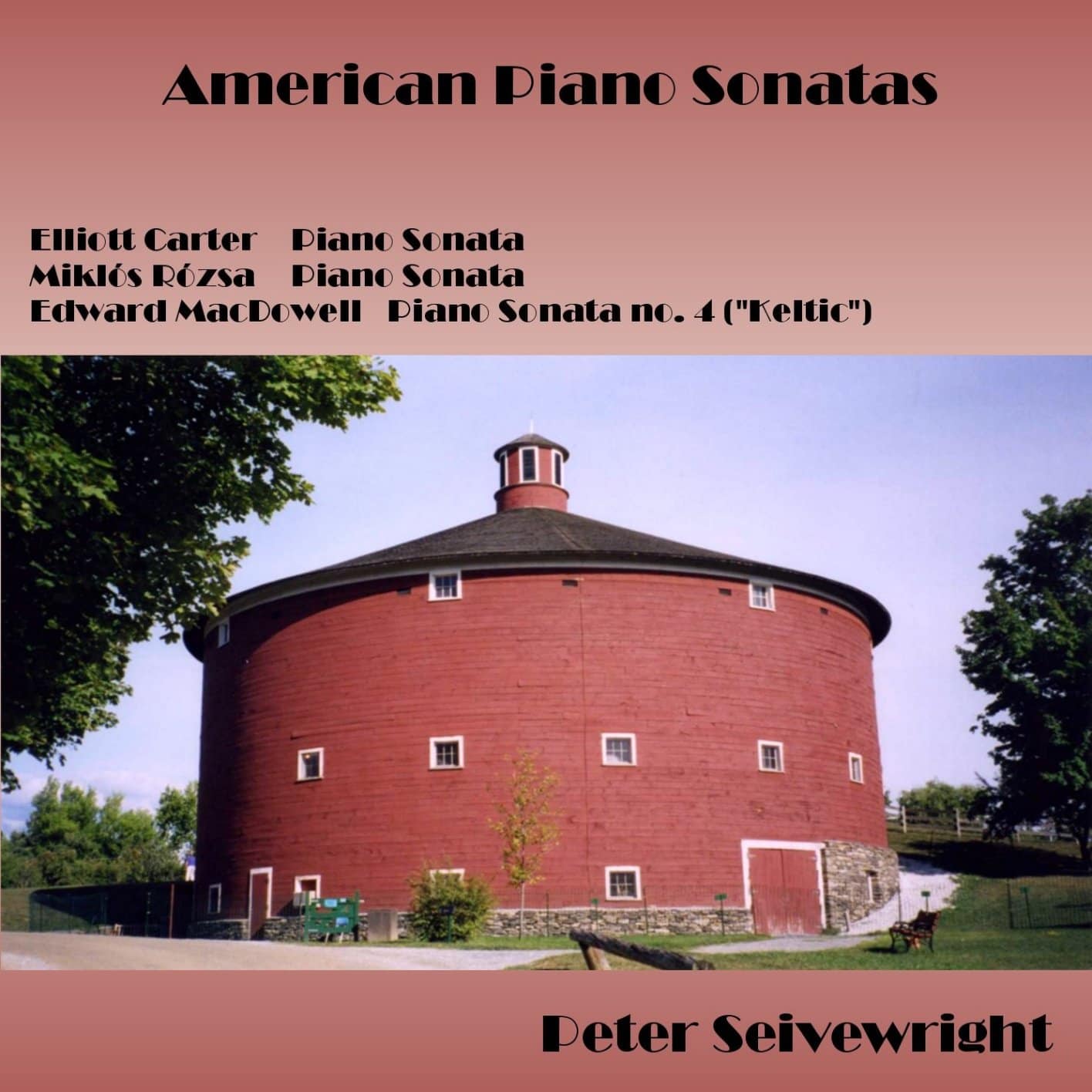
    American Piano Sonatas

    This CD celebrates two notable milestones in American music: the 100th birthday of Elliott Carter (to whom we dedicate the CD and who died two years after its release) and the 100th anniversary of the birth of Miklós Rózsa, who sadly is no longer with us. Each wrote just one Piano Sonata – of which this is currently the only recording of the Rózsa piece) and they are presented with the Fourth Sonata (the “Keltic”) of Edward MacDowell. Splendid performances.

    This album enabled pianist Peter Seivewright to earn a Special Judges’ Citation in The American Prize ERNST BACON MEMORIAL AWARD for the PERFORMANCE of AMERICAN MUSIC, PROFESSIONAL division, 2017-18.

  • Louis Glass Piano Music

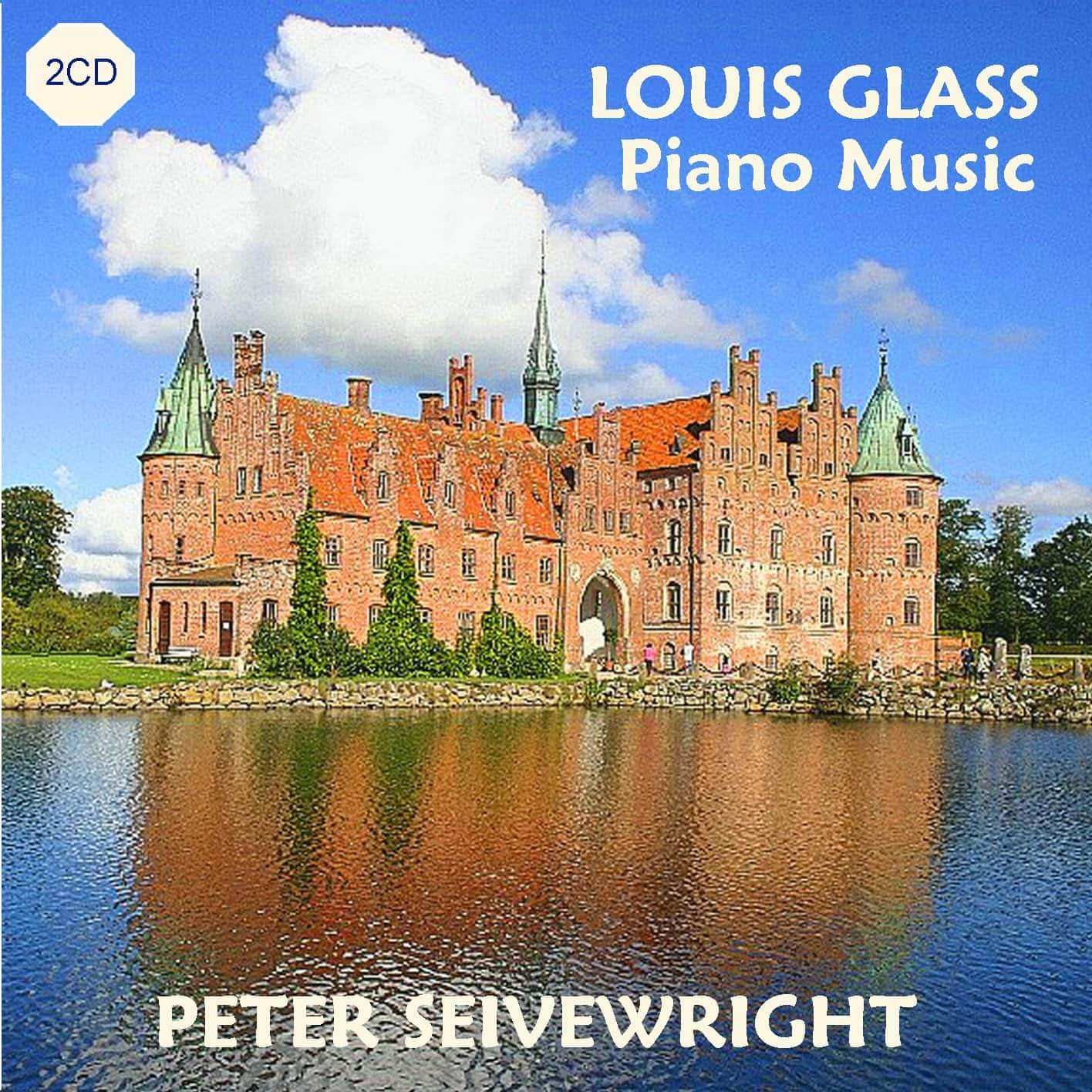
    Louis Glass Piano Music

    Alongside Nielsen, Glass is the genius of Danish romantic music, but recordings of his work are rare – we present the first recording of his two fine sonatas and other works.

  • Galuppi Piano Sonatas, Vol. 3

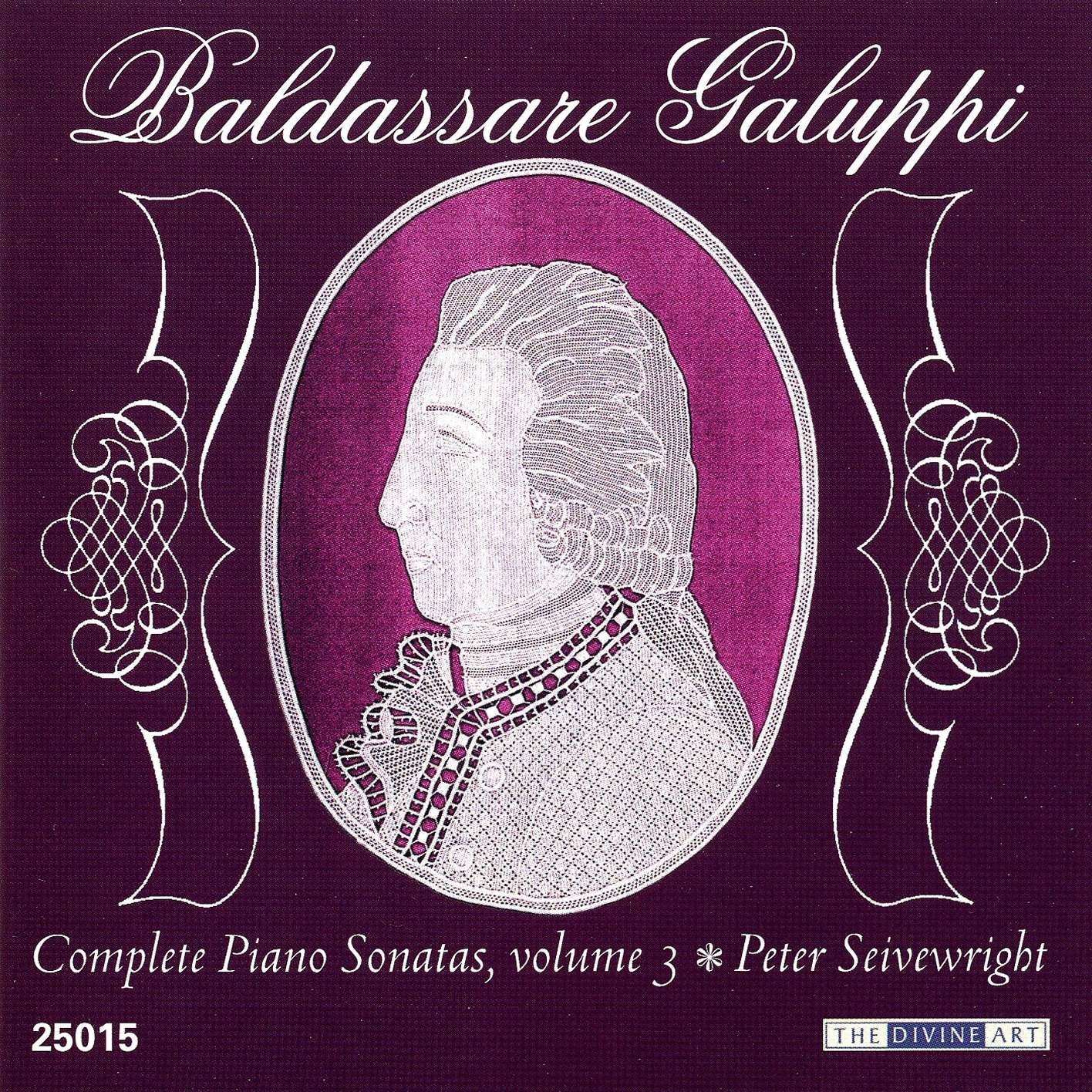
    Galuppi Piano Sonatas, Vol. 3

    In the third of a series of CD’s containing Galuppi’s sonatas, we present another eight of these masterpieces. All music lovers should sample these seminal works, which made Galuppi one of the greatest composers of his day;all the more strange that he should have fallen into such obscurity. All the sonatas on this disc are unpublished and have been reconstructed for performance by Peter Seivewright from the original manuscripts.

    Peter Seivewright has spent a good deal of time on a research mission to Venice and other European cities, retrieving the unpublished manuscript scores and preparing performing editions. One of the great revelations brought about by this work is that Galuppi, far from being a straightforward baroque composer writing for the traditional keyboard instruments (harpsichord and clavichord), which have been employed in all previous recordings, actually waited until the piano had been developed before creating most of his phenomenal output. Many of the original manuscripts are titled “Sonata for Pianoforte”, and much of the writing, making substantial use of the sustain pedal, simply do not work on the earlier instruments.

    Also see:
    Volume 1
    Volume 2
    Volume 4

  • Galuppi Piano Sonatas, Vol. 2

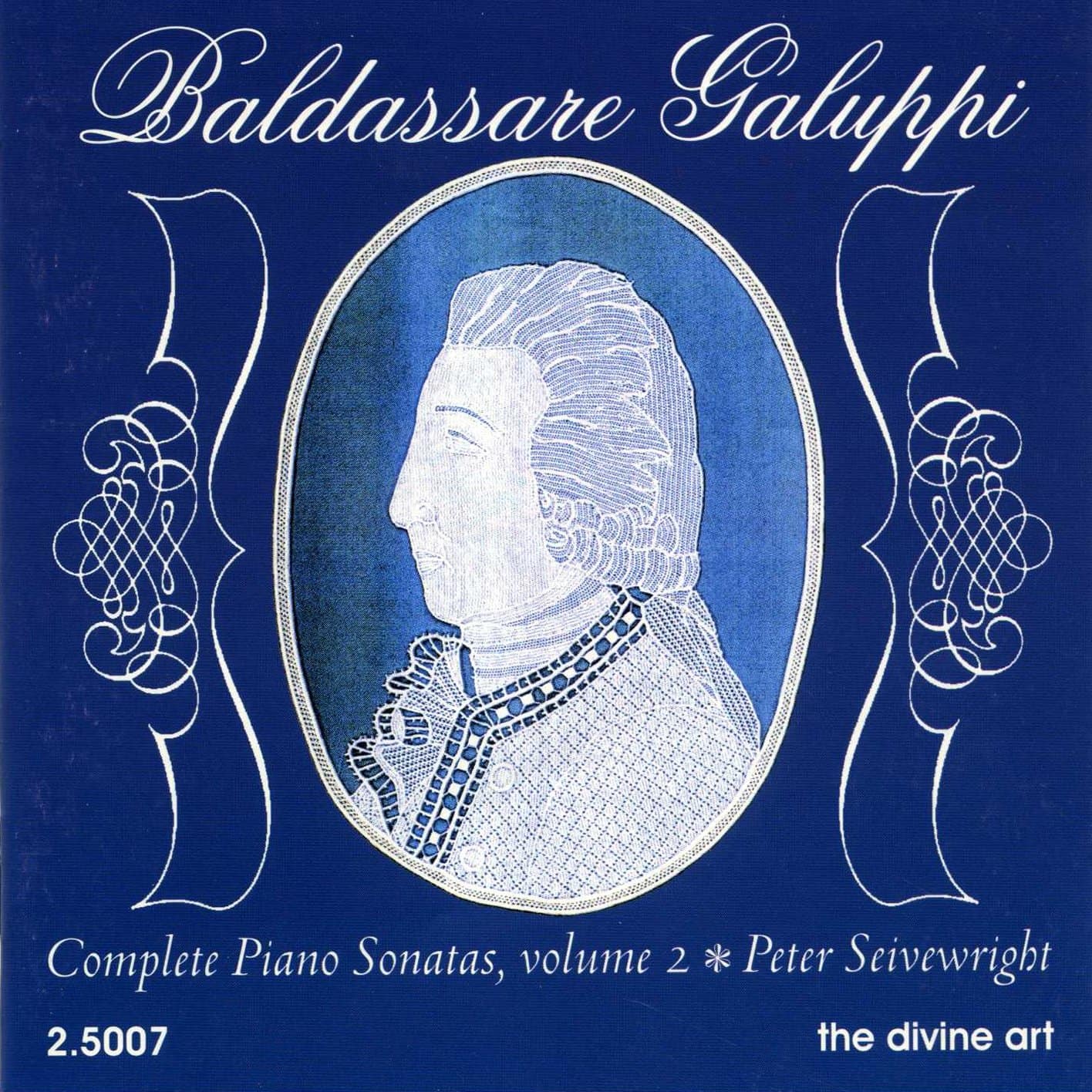
    Galuppi Piano Sonatas, Vol. 2

    In the second of a series of CD’s containing Galuppi’s sonatas, we present a further nine of these masterpieces. All music lovers should sample these seminal works, which made Galuppi one of the greatest composers of his day; all the more strange that he should have fallen into such obscurity.

    Peter Seivewright has spent a good deal of time on a research mission to Venice and other European cities, retrieving the unpublished manuscript scores and preparing performing editions. One of the great revelations brought about by this work is that Galuppi, far from being a straightforward baroque composer writing for the traditional keyboard instruments (harpsichord and clavichord), which have been employed in all previous recordings, actually waited until the piano had been developed before creating most of his phenomenal output. Many of the original manuscripts are titled “Sonata for Pianoforte”, and much of the writing, making substantial use of the sustain pedal, simply do not work on the earlier instruments.

    Also see:
    Volume 1
    Volume 3
    Volume 4

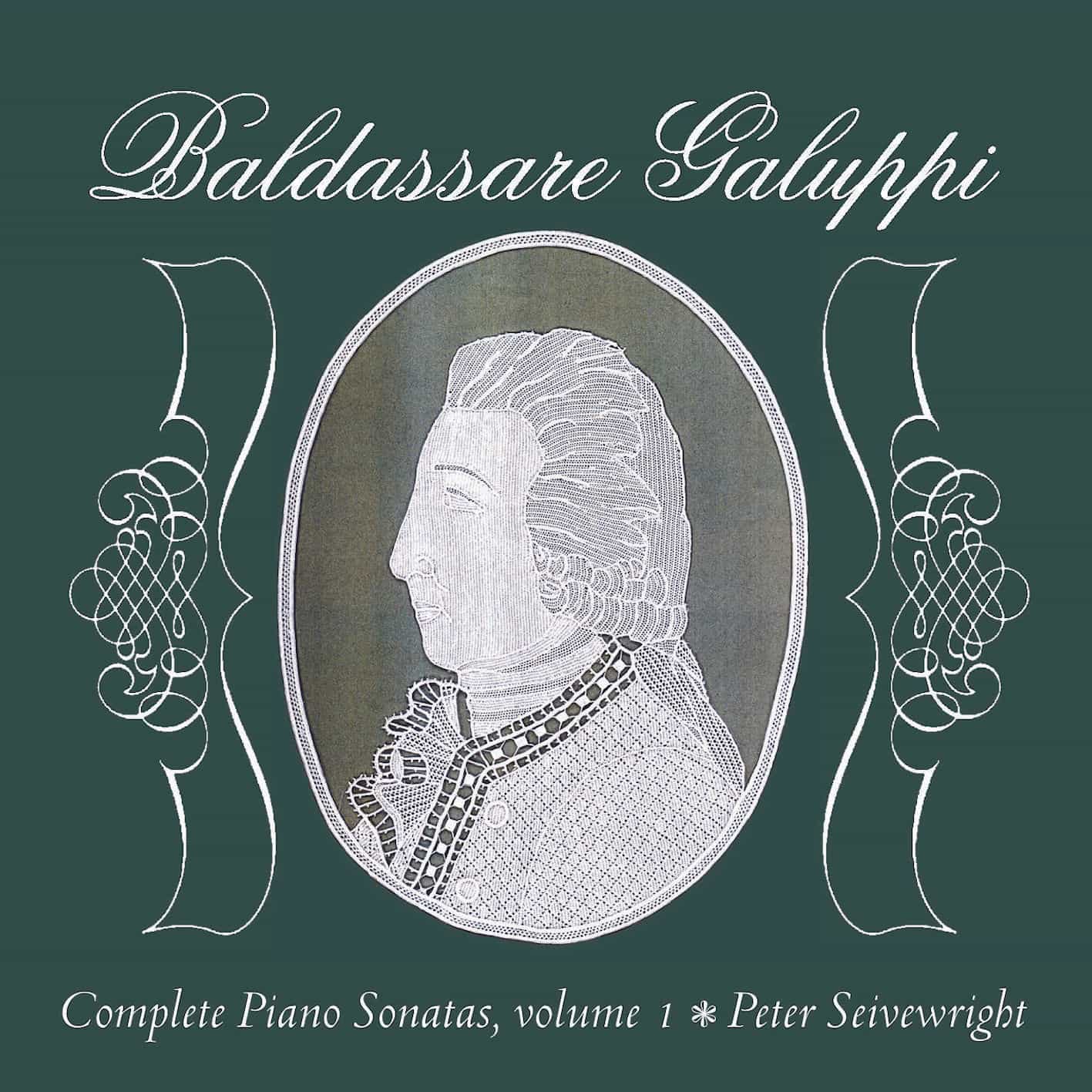
  • Galuppi Piano Sonatas, Vol. 1

    Galuppi Piano Sonatas, Vol. 1

    In the first of a series containing Galuppi’s 100 piano sonatas, we present eight of these masterpieces. All music lovers should sample these seminal works, which made Galuppi one of the greatest composers of his day;all the more strange that he should have fallen into such obscurity.

    Peter Seivewright has spent a good deal of time on a research mission to Venice and other European cities, retrieving the unpublished manuscript scores and preparing performing editions. One of the great revelations brought about by this work is that Galuppi, far from being a straightforward baroque composer writing for the traditional keyboard instruments (harpsichord and clavichord), which have been employed in all previous recordings, actually waited until the piano had been developed before creating most of his phenomenal output. Many of the original manuscripts are titled “Sonata for Pianoforte”, and much of the writing, making substantial use of the sustain pedal, simply do not work on the earlier instruments.

    Click here for details of:
    Volume 2
    Volume 3
    Volume 4