Catalogue Connection: 21127

  • Congleton Review Corner Full of Grace Review

    This does what it says on the tin: performed by Cantores Lucis and directed by the composer, “Full of Grace” is a programme themed around grace, sung by a choir.

    Woodhall writes in the sleeve notes: “We all need grace. Whether it is a grace period for something owed, social graces, someone gracing us with their presence, or the amazing grace in the famous hymn; the grace of God.”

    “Full of Grace” opens the disc with a gentle piece, warm harmonies and a sense of joy. The major part of the programme is a dramatization of Paul’s conversion on the road to Damascus, which the composer describes as a message that it’s “never too late to change course… even if all seems lost.”

    This section of the CD (“The Damascus Road”) is more varied—from spikier tunes to art song—but closes gently, echoing the opening track. Most of these pieces feature just one or two singers with piano. The remainder of the CD is quieter and more reflective, performed by a larger, unaccompanied choir.

    A programme with two clear audiences: those who enjoy vocal music and may find both the gentle sections and sharper “Damascus” section enjoyable, and those with an interest in the religious repertoire.
  • Full of Grace Fanfare Review

    “We all need grace”: so begins composer James Woodhall’s written introduction to this wonderful album, itself entitled Full of Grace. The angel’s greeting to Mary in Luke 1:28 finds the Mother of God described as “full of grace” (as is Jesus of Nazareth himself in John 1:14). Warmth characterises the outer sections, beautifully rendered here by the Cantores Lucis chamber choir. The phrasing is so, so tender, particularly at “He is the Son of God”; a more bracing middle section adds contrast. Details about Cantores Lucis can be found in the interview above; but suffice it to say this is a top-notch ensemble.

    More dramatic is The Damascus Road (the second piece heard), an account of Saul’s conversion on that thoroughfare. It begins with gritty piano, highly rhythmic. The text mixes Acts 9 with Paul’s Letters to the Galatians and the Colossians. The choir’s cries of “Saul” in the opening “Murderous Threats” is echoed by solo tenor (Hugh Legg) in the very next movement, “I am Jesus”; Will Haughton is the baritone voice here. Both are superb; Legg is strong (“I am the Way, the Truth, and the Light”; this is a highly beautiful movement, particularly when the voices overlap. Herds of sound open “Blinded”; perhaps a little more definition from the choir would have been good here, but the end result is undeniably exciting. As the music relaxes in “Ananias’s Vision,” the choir’s tenors take on an almost rhythmic line. Woodhall shapes the lines perfectly; “Ananias Answers” flows on through the use of similar material, but enters more jazzy space (perhaps a reflection of Woodhall’s wok with his own Cold Light Ensemble). Joy infuses “A Chosen Vessel,” a solo tenor celebration of God’s gifting us a “chosen vessel” for his message. Legg is superb here; the music softens beautifully for “Saul Sees and is Saved” before his preaching leads to a more robust approach, the music replete with syncopations. Most lovely is the final, 10th movement, “The Grace.”

    The disc concludes with four shorter works. First, The Shepherd’s Carol, which like Full of Grace links to the Christmas myth. Making a parallel via his own text between the shepherds’ sheep caring and God’s care for mankind, this unaccompanied choral wok speaks with gentleness and a warm, carol-like feel. The famous texts of Ave Verum Corpusand Ave Maria follow, the first with unaccompanied male lines invoking plainchant before the music blossoms out, expertly. The difference is size between these two here: the first with chamber choir, the second with full choir (with piano). Finally, the relatively extended (7:10) Light form Light is Woodhall’s “reflection of the light in the darkness, the star that led the Magi and Jesus, ‘Light of the World’.” The Cantores Lucis chamber choir, a group with consistently true tuning and ensemble, is positively radiant here. Warm yet now shining harmonies close the disc memorably.

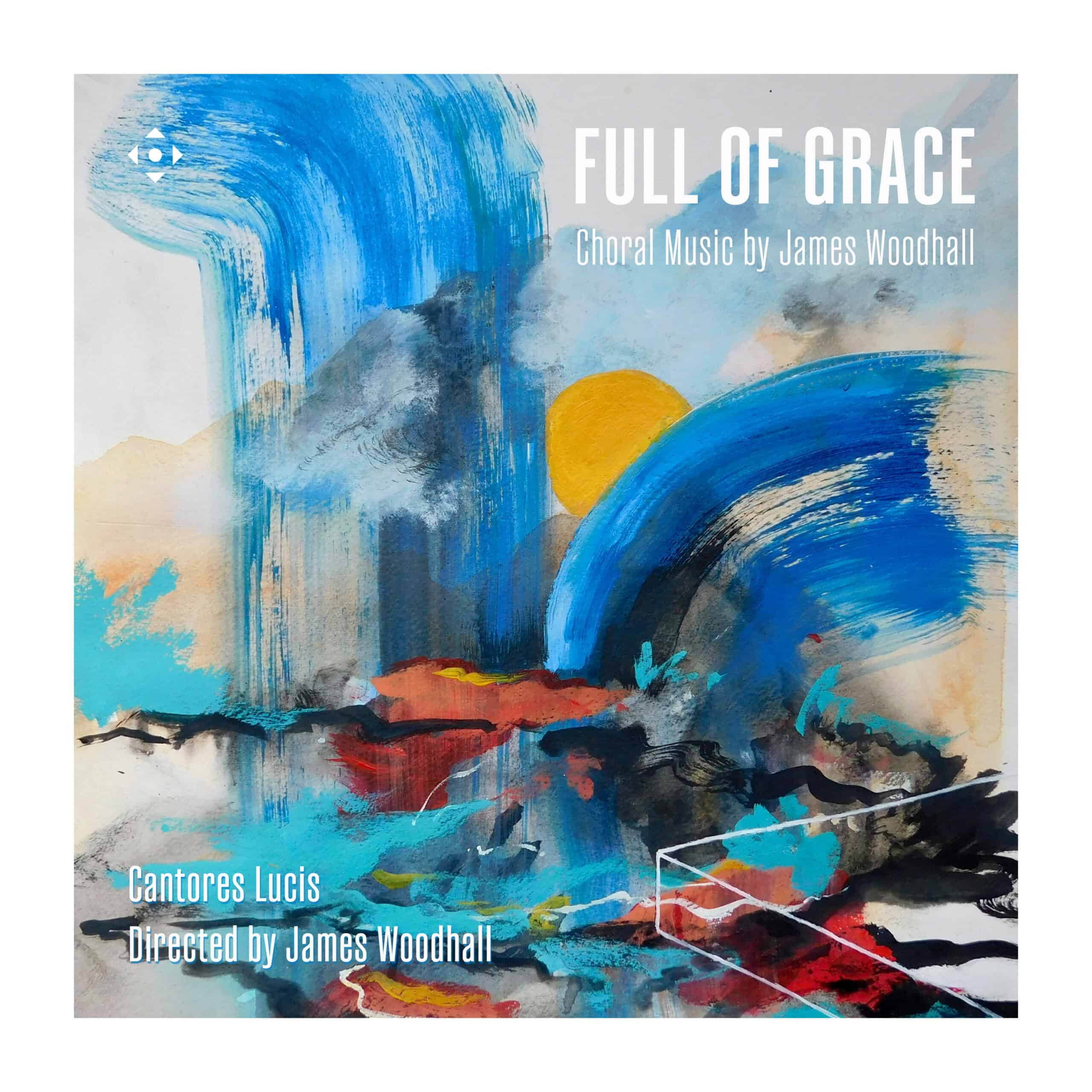
    This is music born of true devotion; there is not the slightest doubt of Woodhall’s sincerity. The singers’ diction is good throughout, which is just as well; texts would have been useful in the booklet (there are a lot of photos, though). The recordings, spread over two venues (St Cuthbert’s, Earls Court, and St John’s, Harpenden) reveal fine work by engineers Isa Khan (London) and Daniel Tigg (Hertfordshire). And a final word of praise (pun kind of intended): this time to the artist of the painting that adorns the front and back covers: Vicky Goldsobel and her remarkable And Everything. A glance at Goldsobel’s Instagram (@vickygoldsobel) reveals a true artist whose awareness and use of color consistently speaks to the soul. The brightness, vivacity, and dynamic lines of And Everything form the perfect complement to James Woodhall’s music; rarely have I seen a cover so in congruence with what we hear. They are almost knitted together in an act of sincerest praise.

  • Full of Grace Fanfare Review

    Full of Grace: Choral Music by James Woodhall offers several works by the English composer. A graduate of the University of Surrey, Woodhall also participated in an exchange program with the University of North Texas. Woodhall has composed several musicals and choral works. He is also the co-founder of the Cold Light Ensemble, combining jazz trio with string quartet. Woodhall directs and composes for that group. The central work on Full of Grace is The Damascus Road, scored for vocal soloists, chorus, and piano. The piece fulfills Woodhall’s longtime wish to compose a work based on the Biblical narrative of Saul’s conversion on the road to Damascus. Acts 9 provides the majority of the text, supplemented by other Biblical passages. The choir acts as both narrator and personification of the masses who encounter Saul. A baritone portrays Saul, while the role of Jesus is sung by a tenor. Woodhall’s musical theater pedigree is evident in his lyrical and accessible writing. The frequent use of syncopation in agitated passages is another nod to the musical theater tradition. The narrative is always front and center in Woodhall’s concept, with textual clarity a priority, both for solo and choral writing. The choral group Cantores Lucis handles their multiple roles with distinction, offering a lovely, blended ensemble, crisp diction, and rhythmic verve. Lyric baritone Will Houghton is an affecting Saul, while tenor Hugh Legg is heartfelt and eloquent, if somewhat vocally pressed, as Jesus.

    Five brief a cappella choral works (Full of Grace, The Shepherd’s Carol, Ave Verum Corpus, Ave Maria, Light from Light) constitute the remaining works. Here, musical theater and British choral traditions combine for music that is once again lovely and communicative, beautifully performed by Cantores Lucis. The CD booklet includes the composer’s liner notes, and artist bios. The sung texts are not reproduced, but for the most part, they are easily discerned in the performances. Recommended.

  • Full of Grace Sonograma Review

    At a time when contemporary choral music is seeking new languages without breaking with the spiritual roots of the genre, Full of Grace stands out as a landmark work. This new album by British composer James Woodhall, to be released on July 4, 2025, under the Divine Art label, offers a selection of choral pieces of great expressive maturity and profound spirituality.

    The album is performed by the Cantores Lucis choir, made up of family members, friends, and emerging and established professionals. This ensemble, which specializes in contemporary sacred repertoire, provides a warm and precise reading, with a vocal interpretation full of nuance and emotion. The quality of the recording and the accurate acoustics of the chosen venues (the churches of St. Cuthbert and St. John) further enhance the sound experience.

    The centerpiece of the album, The Damascus Sequence, is a thirty-minute choral cantata structured in ten movements, inspired by Paul’s conversion according to the Acts of the Apostles. Woodhall displays a choral writing style that oscillates between dramatic intensity and contemplation, with outstanding solos such as “I am Jesus” and “Saul Sees and is Saved,” which humanize the biblical story with moving sincerity.

    Other pieces such as The Shepherd’s Carol, Ave Maria, Ave verum corpus, and Light from Light demonstrate the composer’s ability to renew traditional liturgical texts with his own unique and contemporary voice. His writing is characterized by memorable melodies, clear harmony, and great attention to the prosody of the text.

    The three soloists, James Woodhall, Hugh Legg, and Will Houghton, bring an exceptional interpretive dimension. Legg offers a lyrical and expressive tenor, while Houghton brings gravity and warmth. Woodhall, at the piano, acts as a discreet but essential backbone of the sound atmosphere.

    Full of Grace is a coherent, committed, and deeply human artistic proposal. With this work, James Woodhall confirms his place as one of the most promising voices on the current choral scene.

  • Full of Grace: Choral Music of James Woodhall

    Full of Grace: Choral Music of James Woodhall

    A new choral album of radiant melody and profound reflection

    Composer James Woodhall presents Full of Grace, a deeply expressive new choral album that moves between the intimate and the exultant. Drawing inspiration from sacred texts, ancient prayers, and moments of divine revelation, this collection weaves together contemporary choral writing with timeless spiritual themes.

    The album opens with the title track, Full of Grace, a lyrical meditation on the Angel Gabriel’s greeting to Mary and the incarnation. With warm harmonies and a memorable, flowing melody, the piece captures both the stillness and the awe of that encounter, while its vibrant central section echoes the heavenly proclamation to the shepherds.

    At the heart of the album lies The Damascus Sequence – an 11-movement cantata chronicling Saul’s dramatic conversion from persecutor to preacher, drawn closely from Acts 9. This narrative arc, from darkness to vision, turmoil to peace, is vividly painted in choral textures, duets, and solos. Tracks such as Murderous Threats, I am Jesus, and Saul Sees and is Saved reflect Woodhall’s gift for text-setting and storytelling through music, bringing ancient scripture to life with a keen sense of pacing and atmosphere.

    Later in the album, Woodhall returns to the Nativity in The Shepherds’ Carol, a haunting and intimate new text that juxtaposes pastoral imagery with celestial wonder. His setting of Ave Verum Corpus and Ave Maria offers fresh interpretations of these enduring texts, while the final track, Light from Light, closes the album with a vision of hope and illumination – a reflection on divine presence in the world.

    Rooted in the choral tradition yet unmistakably contemporary, Full of Grace is a compelling addition to the sacred repertoire. Its accessible yet distinctive language will resonate with listeners who appreciate the choral music of James MacMillan, John Tavener, and Morten Lauridsen.

    For broadcasters, curators, and critics, Full of Grace offers music that is both spiritually resonant and musically rewarding – ideal for sacred seasons, reflective programming, and those seeking new choral music that speaks with clarity and depth.