Another well-played program by Ffinch…again using the robust three-manual, 44-stop, 1892 Norman and Beard organ (renovated in 2017) in the Cheltenham College Chapel in Cheltenham, England. The program is a mixture of transcriptions and organ pieces, all well played…the best being the seldom-heard Marcel Lanquetuit pieces and a dazzling performance of Marcel Dupré’s take on a famous Christmas carol. The booklet includes extensive notes on the music, along with photographs and the organ specification.
Catalogue Connection: 21147
-
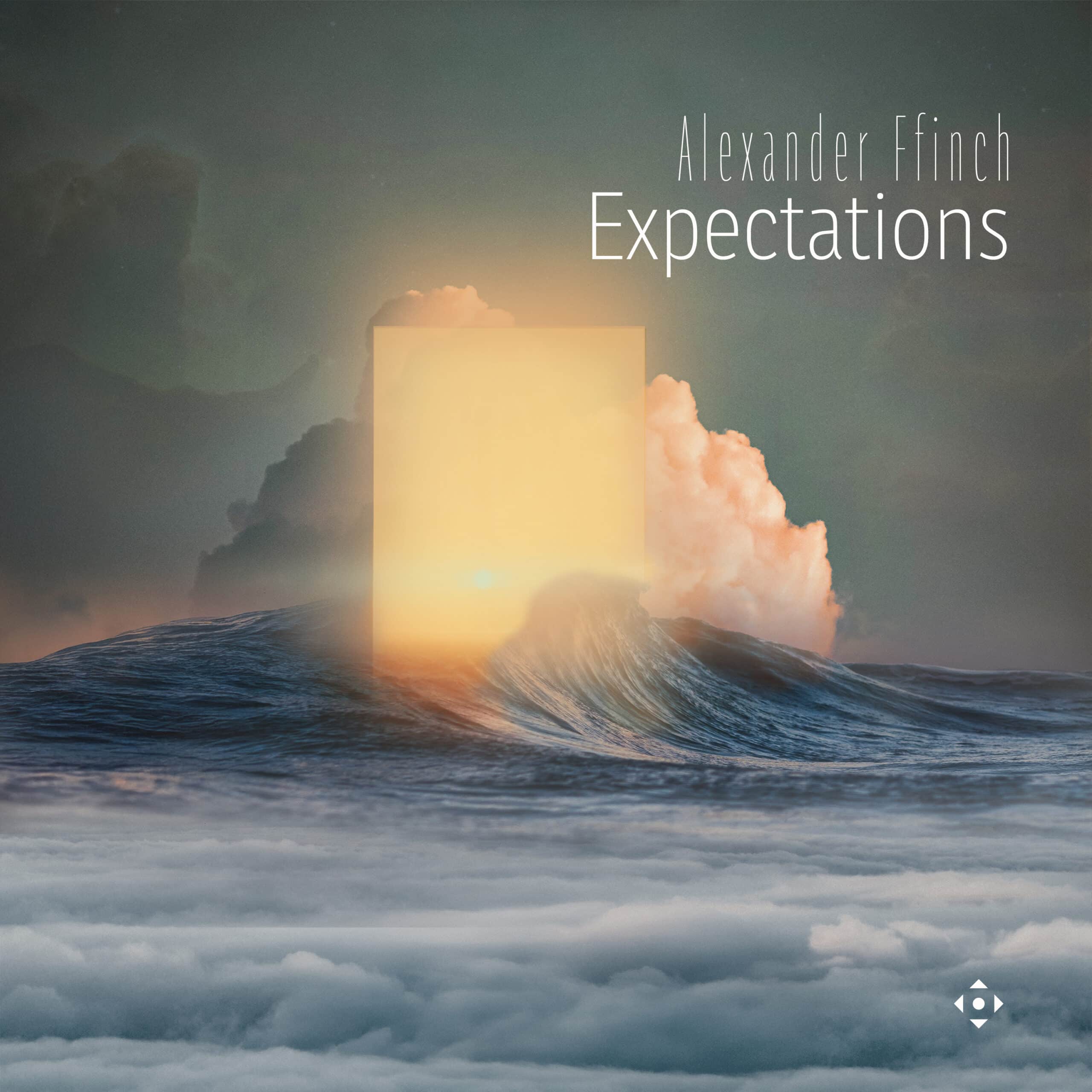
Expectations Organ Journal
Many of us tune in to the regular live streaming from Cheltenham College and to the playing of a wide variety of organ music ~ a series that started around the time of Covid. This is his third CD featuring the 1897 Norman and Beard, rebuilt and extended in 1930 by Harrison and Harrison, enclosed in a very grand case. The Club made a visit in 1997.
A 5-star recording!
-
MusicWeb International Expectations Review
According to the advertising brief, Expectations “takes the listener through a journey of the autumn, winter feasts and festivals, and highlights the anticipation of opportunities and renewal in the new year”. Several pieces here are also appropriate for any season. For the purpose of this review, I shall set aside my usual unreasonable prejudice against organ transcriptions.
The recital opens with Edwin H Lemare’s idiomatic reworking of Camille Saint‑Saëns’s Danse macabre. This has long been a favourite symphonic poem, often played around Halloween. Henri Cazalis’s underlying verse depicted Death tuning his fiddle at midnight, summoning skeletons from their graves to dance until dawn breaks. Where the original relies on tritone‑laden violin lines and the rattle of xylophone “bones”, Lemare’s transcription uses the organ’s dynamic range to preserve the eerie narrative, with dramatic success.
There is nothing particularly wintry about Alexandre Guilmant’s Marche funèbre et chant séraphique. It comes from the collection Pièces dans différents styles, Book 3, op.17 (1864). The climactic funeral procession may well suggest the autumn of life that awaits us all. The roiling pedal part is impressive here; fortunately, the long-breathed seraphic song brings consolation.
No Christmas season would be complete without a performance of Tchaikovsky’s The Nutcracker, whether staged at the London Coliseum or the Birmingham Hippodrome. Ffinch plays satisfying arrangements of the Ouverture Miniature, Danse Russe ‘Trépak’ and the Danse de Mirlitons extracted from the Suite op.71a.
Explicitly seasonal is William Mason’s new composition Nun komm der Heiden Heiland, a “refreshingly colourful” take on the great Advent chorale.
Derek Bourgeois originally wrote Serenade op.22 as a bridal march for his own wedding. It swings with a playful, Caribbean‑style riff. It is now a staple of the brass band world, but translates surprisingly well to the organ loft. Similarly, one might wonder what is seasonal about the Air from Holst’s Brook Green Suite, but Ffinch’s arrangement evokes a pastoral mood suggestive of shepherds abiding in the fields.
Marcel Dupré’s Variations sur un Noël op.20 transform the traditional French carol Noël nouvelet into a stunning sequence of ten variations. Each explores a new technical challenge, from delicate filigree to a thunderous toccata. Often harmonically and chromatically wayward, it is difficult to bring off. Ffinch gives a marvellous account here. The “war story” behind this piece is that Dupré composed the work whilst travelling on trains in America during his Autumn 1922 tour.
In its original piano version, Fanny Mendelssohn’s cycle Das Jahr traces the unfolding of the entire year. Each movement captures the character, atmosphere and emotional weather of the months. Alexander Ffinch performs the final number (Epilogue or Postlude?) in his own arrangement. He describes it as a “stark yet optimistic depiction of the stroke of midnight on New Year’s Eve in the 1840s”. The ghost of Bach is not far away in these pages.
Since first hearing David Bowie’s Space Oddity back in 1969, I have been a fan of this influential musician. Remarkably, his career was a constant reinvention – from Mod singer to Psychedelic and Glam trailblazer, and later into Jazz and Art Rock. He never ceased to surprise and entertain. Ffinch plays his own transcription of Bowie’s surreal and defiant Life on Mars? taken from the Hunky Dory album. It makes a fitting tribute to the tenth anniversary of the legendary singer’s death.
Marcel Lanquetuit, born in Rouen, became Marcel Dupré’s first pupil. Starngely, he was eight and Dupré was a “grown up” fifteen-year-old. Lanquetuit would become his teacher’s assistant at Saint-Sulpice in Paris before returning to Rouen in 1937 as cathedral organist. He remained in that post until his retirement in 1978. Despite his high-profile appointment, he has remained “under-acknowledged” as a contributor to the French symphonic organ tradition. One reason is that much of his performance was improvisation, not recorded or transcribed. Another is that many of his scores were destroyed in a house fire in 1940.
Two singular pieces have survived. The Intermezzo is impressionistic, with varying moods and eclectic harmonic progress. Dozens of married couples reflexively demand Widor’s Toccata for their weddings; it is a pity that one or two do not choose Lanquetuit’s Toccata. It has everything of the elder composer’s magnum opus: rapid figurations, bold harmonic surges and a jubilant final ascent which concludes this exhilarating composition.
The three manual and pedal organ at the Cheltenham College Chapel was originally built by Norman and Beard in 1897. It was rebuilt by Harrison and Harrison in 1930, with additions in 1976. In 2013, a 32-foot Double Ophicleide pedal stop was added. A major overhaul followed in 2017: the console, soundboards, wind system and pipework were removed for cleaning, re‑leathering and restoration, and a new piston system was installed. A complete specification of the current instrument appears in the booklet.
The liner notes provide a variable assessment of the recital. Some works are virtually ignored; others have a detailed non-technical analysis. The booklet is beautifully illustrated but sadly includes a photo of the organist wearing a baseball cap inside the Chapel.
Alexander Ffinch’s superb playing is characterised by conviction and talent. This thoughtfully designed programme justifies its title, and offers a rewarding journey through the darker months toward the light.
-
Expectations Textura Review
Expectations, organist Alexander Ffinch’s eclectic and smartly curated follow-up to 2024’s Parallels, couples beguiling treatments of David Bowie’s “Life on Mars?”and three selections from Tchaikovsky’s The Nutcracker with works by Camille Saint-Saëns, Gustav Holst, Marcel Dupré, Alexandre Guilmant, Fanny Mendelssohn, and others. Recorded on the magnificent organ at Cheltenham College (where Ffinch has been College Organist since 2004), the aptly titled release brings with it the feelings of hope and renewal we associate with a new year. Specifically, the set-list traces the period from Halloween to New Year with Christmas-related material a significant part of the release.
The programme is representative of Ffinch’s general approach in augmenting organ works associated with the traditional repertoire with others outside it. A concert by him might see a rock classic, film score excerpt, and/or Disney tune woven in amongst established classical pieces. While he’s responsible for a number of arrangements on the sixty-six-minute recording, a transcription by Edwin H Lemare of Saint-Saëns’s Danse Macabre (1874) opens the collection. The jaunty setting finds “Death” creepily reawakening the dead at midnight on Halloween to ecstatically dance until dawn, at which time they return to their graves until the same time next year. Evidence is immediately presented to indicate that while Expectations is a one-person affair, the panoramic range of colours and timbres the organ’s capable of generating makes for a constantly dynamic and stimulating presentation. Perpetuating the macabre mood is Guilmant’s Marche Funèbre et Chant Séraphique (1864), which evokes a sombre funeral procession in two parts, a stately, long-form, and triumphant “Marche” to begin and a shimmering, harmonious “Chant” to raise the spirits thereafter.
The mood rises further with Derek Bourgeois’ jovial Serenade (1965), its jaunt light and sunny compared to Danse Macabre, after which an enticingly new take on the Advent hymn tune “Nun Komm der Heiden Heiland” (written by Martin Luther in 1523) by organ and choral music composer William Mason appears. The ear’s instantly tickled when Ffinch moves onto the infectious melodies of “Overture Miniature,” “Danse Russe ‘Trépak’,” and “Danse des Mirlitons” from The Nutcracker(1892), the Christmas season now fully in swing. Sober by comparison is the organist’s luminous arrangement of “Air” from Holst’s Brook Green Suite (1933).
A central part of the album is Variations sur un Noël (1922) by Rouen native Dupré (1886-1971), considered by Ffinch perhaps the most significant figure in the evolution of the organ and the music written for it in the twentieth century (Dupré studied with Guilmant in 1898 before being accepted into the Paris Conservatoire four years later). Based on the traditional French Christmas carol “Noël nouvelet,” the eleven-part work dazzles with imagination and invention. After the solemn theme’s introduced, the compact (most under a minute) variations explore a multitude of styles, textures, and moods, from buoyant, lyrical, and mischievous to stately, brooding, and dignified. Interestingly, the longest movement is its final one, the florid toccata “Fugato” explosive in its animated declamations.
Ffinch’s arrangement of the dramatic, chorale-inspired “Epilogue” (1841) from Fanny Mendelssohn’s Das Jahr is a fitting inclusion, given its depiction of the stroke of midnight on New Year’s Eve. With an organ treatment of Coldplay’s “Paradise” having appeared on Parallels, the presence of Bowie’s song doesn’t register as a total surprise, and “Life on Mars?” is so melodically rich that it sustains the transition to Ffinch’s organ arrangement magnificently. He hews closely to Bowie’s Hunky Doryoriginal, yet also ensures the version establishes its own stirring identity. Closing out the album are two settings by Marcel Lanquetuit, who was professor of organ and improvisation at the Music Conservatoire of Rouen. The charming “Intermezzo” (1923) is welcome for making its first appearance on disc in forty-four years, whereas the fiery “Toccata” (1927) anticipates its centenary by its inclusion in the set-list.
In replicating to some degree the programming concept of Parallels, Expectations suggests Ffinch has settled into a format that satisfies him artistically and satisfies listeners too. It’ll therefore be fascinating to see what mix of traditional and non-traditional material he chooses for what will be his fourth solo release. For now, the music on his third offers no shortage of rewards.
-
Classical Music Sentinel Expectations Review
This could very well be the best entry point CD into the realm of the pipe organ for those reluctant to dive in because of this instrument’s connotations with the church. With this finely curated collection of diverse pieces either composed or arranged for the pipe organ, organist Alexander Ffinch clearly demonstrates that this versatile instrument can stand on its own even outside of its liturgical context. As well, all the pieces share a common thread as “expectations” of special seasonal events. Halloween, Christmas, the New Year, and even expectations that we are not alone with a special, and finely organic, arrangement of David Bowie’s Life on Mars?.
Even William Mason’s take on the Advent hymn Nun Komm der Heiden Heiland, composed as recently as May 2025 and completely different from Bach’s famous version, does not detract from the overall intent of the program. It actually highlights and enhances some of the Cheltnham College Chapel organ stops which range from a 2′ Piccolo to a 32′ Double Ophicleide, added to the instrument in 2013.
Some of Marcel Dupré’s Variations Sur un Noël may sound far-fetched and far-removed from the original tune, but that’s precisely what makes them a thrill to hear. And some of Alexander Ffinch’s virtuosic touches throughout add to the experience, as they do in the Toccata by Marcel Lanquetuit with it’s pedal-centric main theme and final glorious chord.
Church attendance may be dropping off drastically these days, but recordings like this still guarantee the pipe organ’s musical relevance for years to come.
-
Expectations
Divine Art is delighted to present the 16 January 2026 release of Expectations from organist Alexander Ffinch, a musical journey of the seasons featuring original works and arrangements, recorded on the magnificent organ at Cheltenham College. Expectations takes the listener through a journey of the fall, winter feasts and festivals, and highlights the anticipation of opportunities and renewal in the new year. The various colours and choruses of the organ spark the imagination, making a wonderfully visceral listening experience which challenges the expectations of both the organ enthusiast and those new to the world of organ music. In this way, Expectations is a perfect follow-up and partner album to Ffinch’s 2024 release Parallels, which featured original works and arrangements alongside music not usually associated with the organ.
Ffinch begins our seasonal journey at Halloween with Saint-Saëns’ spine-chilling Danse Macabre in a transcription by E. H. Lemare. Alexandre Guilmant’s powerful Marche Funèbre et Chant Séraphique maintains the dark atmosphere, portraying the arrival of a solemn funeral procession. We then look ahead to the Christmas season in a refreshingly colourful new take on the Advent melody Non Komm der Heiden Heiland by the young composer William Mason, intermixed with the exquisitely crafted Air from Brook Green Suite by Gustav Holst and Derek Bourgeois’ lighthearted Serenade, which provide a different kind of anticipation, both written for upcoming occasions.
Christmas is in full swing with arrangements of the Overture, Russian Dance (Trépak), and Dance of the Reedpipes (des Mirlitons) from Tchaikovsky’s festive ballet The Nutcracker, wrapped up together with the dazzlingly inventive Variations sur un Noël by Marcel Dupré, a towering figure of 20th-century organ music. This brings us finally towards the new year with the captivating Epilogue from Fanny Mendelssohn’s Das Jahr, a stark yet optimistic depiction of the stroke of midnight on New Year’s Eve. Two works by master organist Marcel Lanquetuit complete the album: the centenary of his famous Toccata comes up in 2027, giving the album an ongoing cyclical feel, and we also hear his lesser-known Intermezzo.
Just as Ffinch offered an organ ‘surprise’ along the lines of Coldplay’s “Paradise” on Parallels, he also extends the question of expectations with David Bowie’s probing song, “Life on Mars?”. The release will also mark the 10th anniversary of David Bowie’s death and reminds us, 55 years after its release, that the journey to find ourselves doesn’t end with New Year’s Resolutions.
Alexander Ffinch has established himself as a renowned organist with performances spanning the UK, Europe, USA, and Asia. Notable for his role as the College Organist at Cheltenham College since 2004, Alexander oversees daily organ performances in the College Chapel and accompanies choirs while maintaining an active schedule as a recitalist. He has featured previously in the Cheltenham International Music Festival and on BBC Radio 3 live broadcasts. His recordings have also recently featured on Radio 3 programmes. There are forthcoming recitals at Notre Dame and La Madeleine in Paris as well as regular series appearances in Cheltenham and other concerts in both the UK and USA.