Composer: Francis Poulenc

  • Poulenc: Music for Two Pianos

    Poulenc: Music for Two Pianos

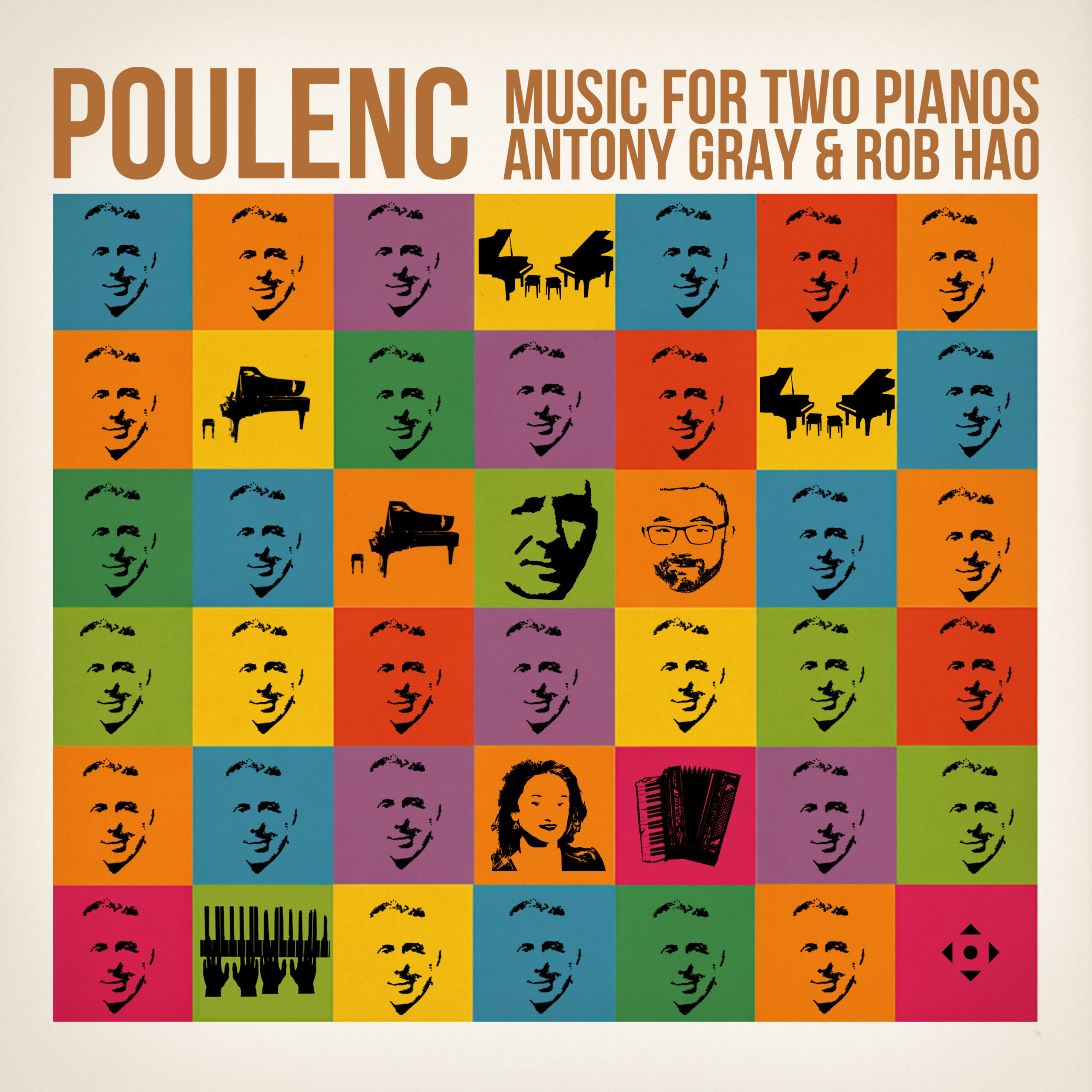
    In June 2026 Divine Art is delighted to present Francis Poulenc: Music for Two Pianos performed by pianists Antony Gray and Rob Hao. Among the highlights of this superb new release are the first commercial audio recording of Antony Gray’s own transcription for two pianos of Poulenc’s score from the film Voyage en Amerique, the first recording of Poulenc’s two piano reduction of the Concert Champetre, plus the recently discovered Valse de musique de soie.

    A superb pianist as well as a composer, Poulenc’s works for piano are without exception charming, delightful and gratifyingly written. However, most of his piano music comes from the early part of his career, as Poulenc destroyed many of his later works, including a number for four hands/two pianos. The two-piano works on this album represent those later periods when he was at the height of his powers. The first comes from his delightful score, which was sadly lost, for the 1951 film about a couple from rural France on their first ever flight, Voyage en Amerique. Antony Gray tracked down a copy of the soundtrack, which was scored for two pianos, and transcribed it himself, realising this was the only way of recovering the score, and presents it here with Rob Hao in its first commercial standalone recording. To complete the transcription of the soundtrack, Gray also includes the song, Adieu Maison, with soprano Helen Miles, and a Valse, in which the two pianos are joined by an accordion, performed by Alise Silina. Gray and Hao also present a later version of this work entitled Embarquement pour Cythere, scored only for two pianos.

    The Sonata for two pianos, arguably Poulenc’s finest keyboard work, is emotionally dark and looks forward to the tenderness and anguish of the Dialogues des Carmelites. Very few works in the piano duo repertoire match this sonata in power and emotional force —aggressive dissonance is contrasted with passages of achingly beautiful material. One of his final keyboard works is the deeply emotional Elegie in which as with all Poulenc’s music for two pianos, the material throughout is passed equally between the two instruments. The Concert Champetre, originally written as a concerto for harpsichord and orchestra, was reworked for two pianos, and despite missing the rich orchestral palette it’s a strong work in its own right, and is given its first recording here.

    Poulenc’s other works for two pianos will be made available as bonus digital-only tracks accompanying the album. The first will feature Sonate pour piano á 4 mains, written in 1918 when Poulenc was only 19 years old. It was influenced by Satie and Stravinsky, as well as Chabrier, yet is already stylistically unique and a real achievement for such a young composer. The Capriccio for two pianos is a transcription by Poulenc of the Finale of his cantata Le Bal Masqué, with hilarious and surreal music, befitting the cantata text by Max Jacob. The album will be completed by the Valse de musique de soie for solo piano, performed by Antony Gray, a work only recently rediscovered in 2017.

    Antony Gray and Rob Hao, both pianists and composers, are from Australia. Antony Gray has long been regarded as one of the most interesting and communicative performers of his generation with many solo and chamber music performances around the world and many pieces written for and premiered by him. His recordings for Divine Art have included music by Malcolm Williamson, John Carmichael, and an acclaimed set of Saint-Saëns piano music. Rob Hao’s compositions and performances have taken him across Australia, the UK and continental Europe, and he has given regional and world premieres of over thirty works in both ensemble and solo settings. His debut solo recording ‘Palimpsest’ for Divine Art explores how music and styles from different times interact and inspire new ideas.
  • Cocteau

    Cocteau

    Isabelle O’Connell – Meet the Artist Interview

    In March 2026, Divine Art Records presents Cocteau from pianist Isabelle O’Connell exploring the musical connections and artistic spirit of the multi-talented and influential French artist, filmmaker, novelist, and poet Jean Cocteau (1889–1963). Throughout his life, Cocteau worked with the legendary Ballets Russes, was involved with major art movements like Cubism and Surrealism, and was one of the most important avant-garde directors in cinema.

    Isabelle O’Connell’s Cocteau is anchored by Irish composer Rhona Clarke’s brand-new work ‘Cocteau’ written especially for O’Connell, and heard after the listener moves through Cocteau’s contemporaries and collaborators in Paris a century ago: Erik Satie, Igor Stravinsky, and members of ‘Le Groupe des Six’ for whom Cocteau was a figurehead (Georges Auric, Louis Durey, Arthur Honegger, Darius Milhaud, Francis Poulenc, Germaine Tailleferre).

    The initial spark for this revealing new album came from conversations between Isabelle O’Connell and Rhona Clarke during the COVID pandemic. Rhona had developed a fascination with the work of “this complete artist” and ‘Cocteau’ is a set of six short pieces inspired by his drawings, paying tribute to his “overall aesthetic and personality, his quirkiness, modernism, sense of freedom, his mix of the sublime and the ridiculous”.

    The works by Satie include his Trois Gnossiennes and Trois Gymnopédies (available as digital-only tracks), epitomising qualities that Cocteau so admired – clarity, refinement, with minimal and spare textures. We also hear the Ragtime Parade from the surrealist ballet Parade conceived by Cocteau for The Ballets Russes, and Rêverie de l’enfance de Pantagruelfrom his orchestrated work Trois petites pièces montées, originally composed for a concert Cocteau organised.

    The album also includes Stravinsky’s Ragtime and Les Cinq Doigts, Darius Milhaud’s Le Boeuf sur le Toit from Cocteau’s ballet, and three works by Germaine Tailleferre, the only female in ‘Le Groupe des Six’. Though the composers of the group had differing styles, their music followed Cocteau’s artistic principles, sometimes with elements of American jazz and café music, often with a hint of humour or parody. L’Album des Six was the only work on which all six collaborated.

    Since her Carnegie Hall debut recital in 2002, Franco-Irish pianist Isabelle O’Connell has developed an international career as a soloist and chamber musician. She is co-founder of Grand Band, a piano sextet described by the New York Times as: “six of the finest, busiest pianists active in New York’s contemporary-classical scene”. She has worked with composers John Adams, Meredith Monk, Donnacha Dennehy, Georg Friedrich Haas, Missy Mazzoli, Joan Tower, Kevin Volans and Julia Wolfe. A Fulbright scholar, Isabelle currently serves on the piano faculty as Artist-in-Residence at Bard College and Conservatory of Music, New York.

  • France Revisited

    France Revisited

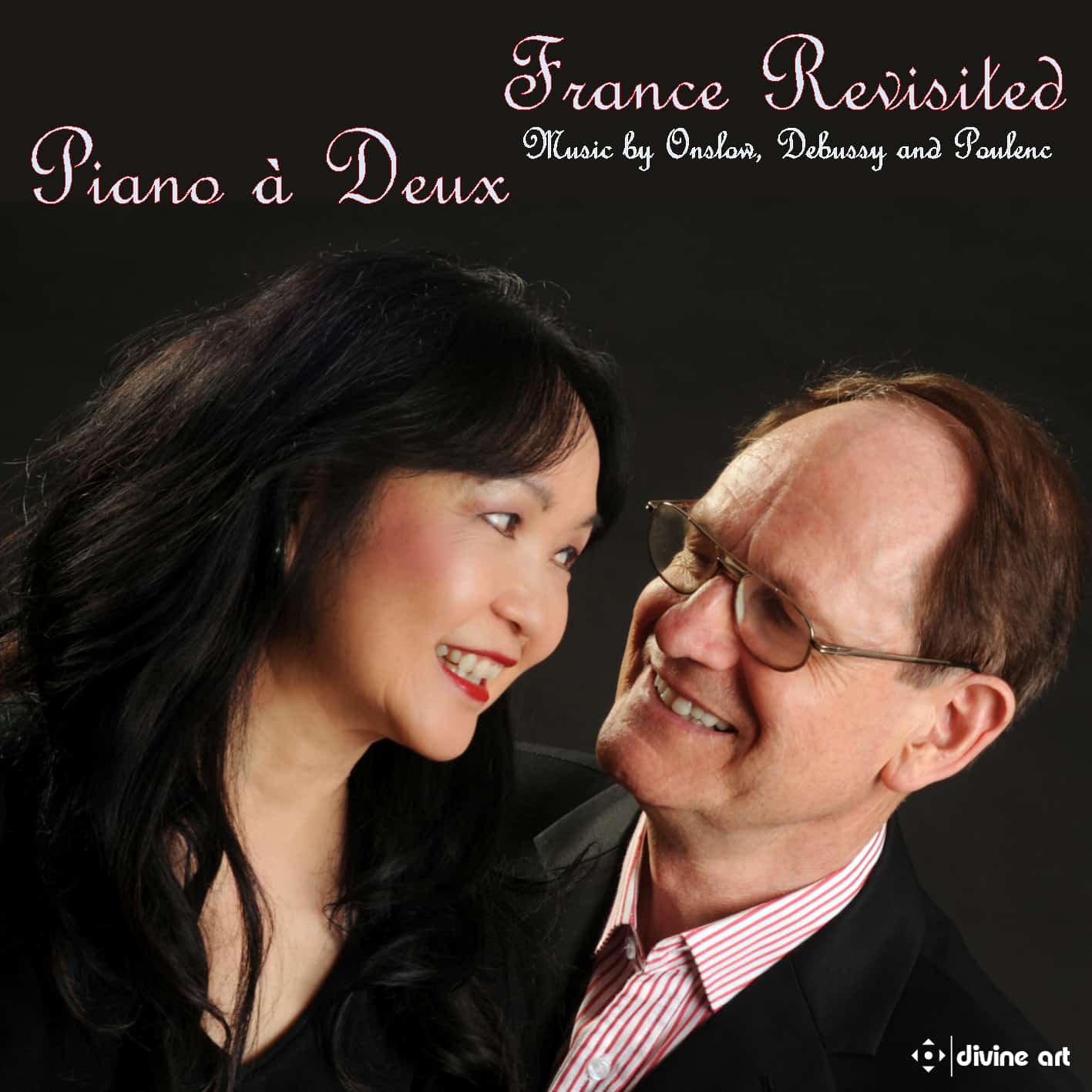
    Piano-a-Deux – Husband and wife team Robert and Linda Stoodley are an adventurous duo with a very wide range of repertoire from the pops to major classical works which they present to appreciative audiences all around the world, spending much time as recitalists on cruise ships.

    This new album features a programme of French music, including Debussy’s well known Petite Suite and the superb First Sonata for Piano Duet by George Onslow, contemporary of the young Mozart and on this showing an equal in compositional skill. Add to that Poulenc’s ‘Songs of Love and War’ arranged by Linda into a new suite of pieces, and we have a very entertaining and instructive album beautifully played.

  • The Piano At The Ballet: Vol. 2

    The Piano At The Ballet: Vol. 2

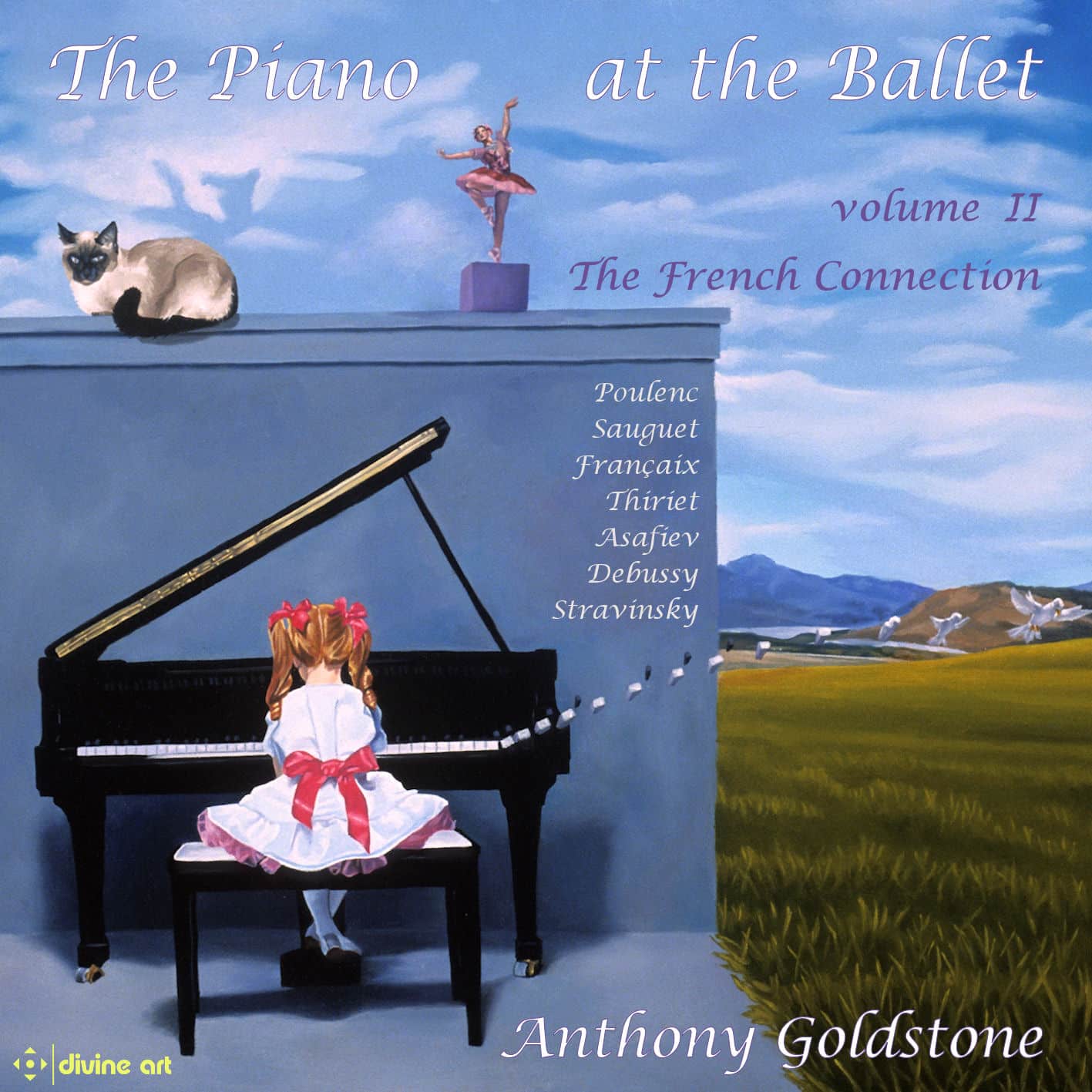
    Anthony Goldstone died on January 2, 2017 after a year-long battle with illness. This was his last recording, and is issued now also as a tribute and memorial to one of the greatest pianists of our age who never achieved the international recognition he deserved. His immense musical knowledge, assiduous research, and skilful artistry in both performance and also transcription brought him great acclaim in musicological circles.

    Following the critical praise and commercial success of ‘Piano at the Ballet’ this sequel focuses on transcriptions of ballet music with French connections – through the composer or subject matter and includes both well known works and some refreshingly unfamiliar pieces, including program works by Debussy and Françaix later choreographed.

  • Violin Songs

    Violin Songs

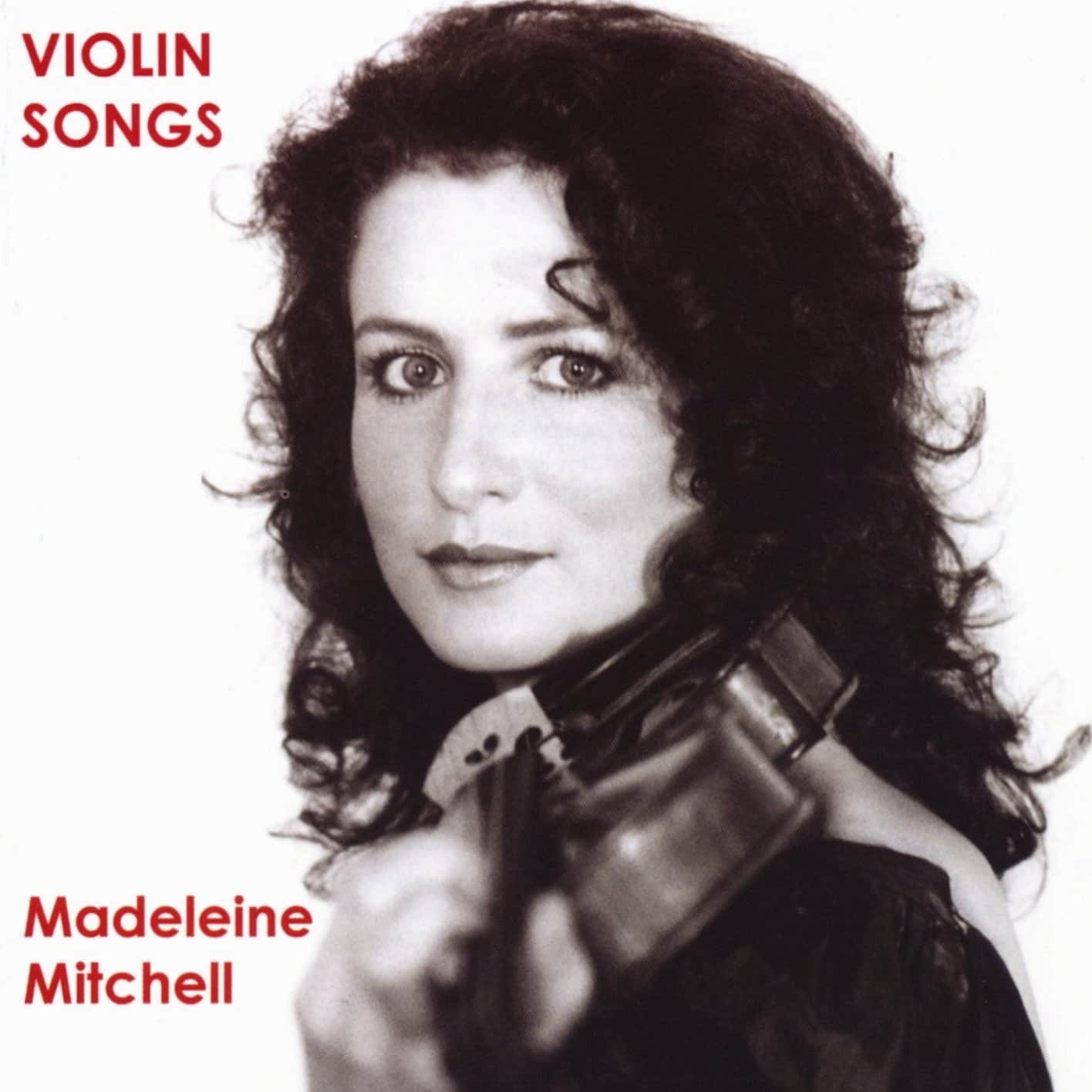
    From one of the UK’s most celebrated and accomplished violinists comes a recording of personal favourites in a recital of romantic and lyrical music par excellence. Madeleine Mitchell is enjoying a highly successful career in both recording and live recitals, and her first CD for Divine Art is a joyful celebration of her chosen instrument. With highly accomplished pianist Andrew Ball, and joined in Strauss’s “Morgen” by soprano Elizabeth Watts, winner of the 2007 Recital Prize at the Cardiff “Singer of the World” competition. Included is the first ever recording of the newly-discovered Morceau Caracteristique by Frank Bridge.

  • Enchantment – music for flute and piano

    Enchantment – music for flute and piano

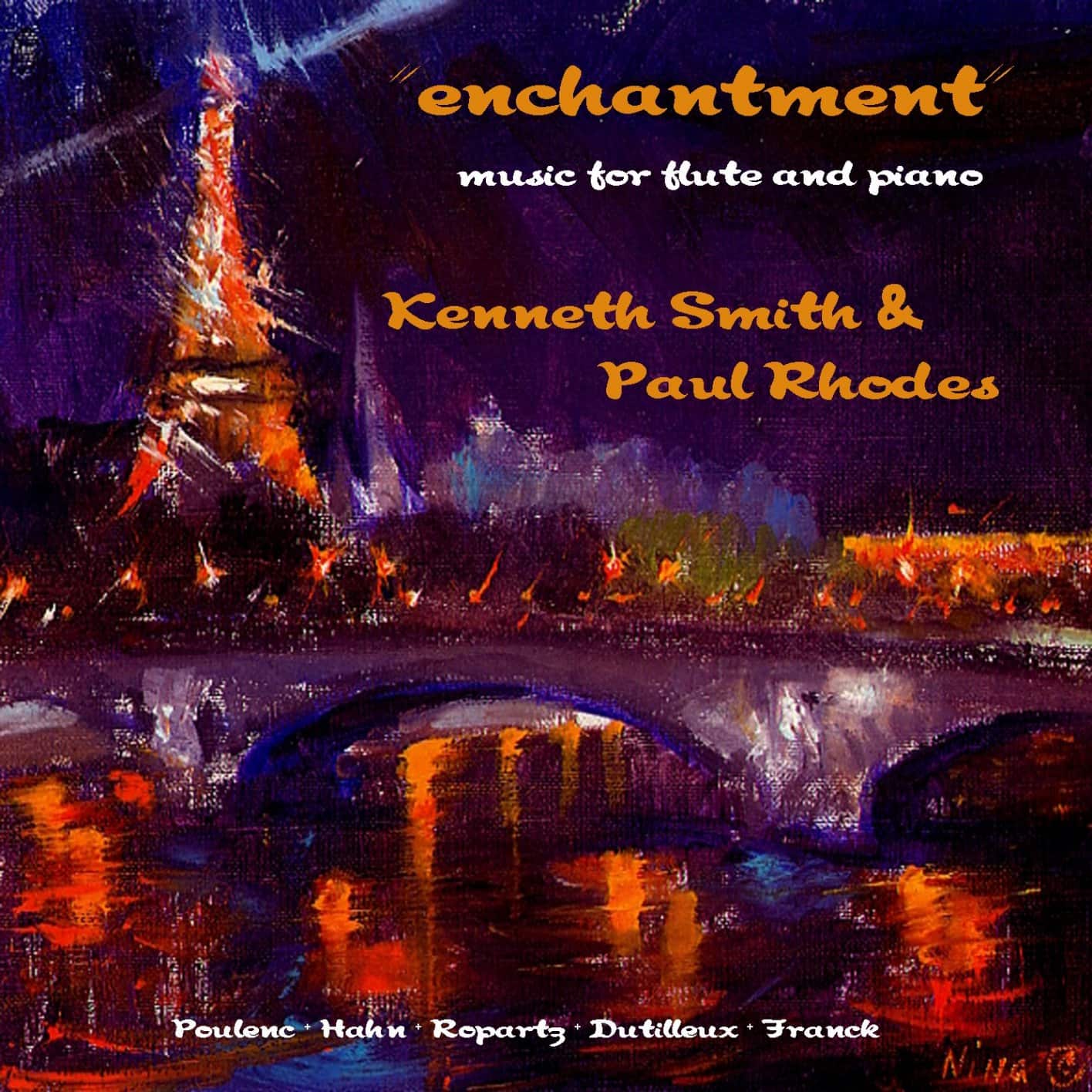
    Kenneth Smith is principal flute of the Philharmonia Orchestra, and also has a busy solo career; for many years he has partnered pianist Paul Rhodes, in a duo which has gained an enviable reputation for quality in both the concert hall and on recordings. The duo’s first CD for Divine Art features a glorious programme of French romantic music*.

    Supplied in a high quality digipak. Cover art: from “Paris by Night” by the esteemed artist Nina Mikhailenko.

    * We know Franck was Belgian – but he was also a Francophone, and spent much time in Paris.

  • Fantasie – Music for Horn

    Fantasie – Music for Horn

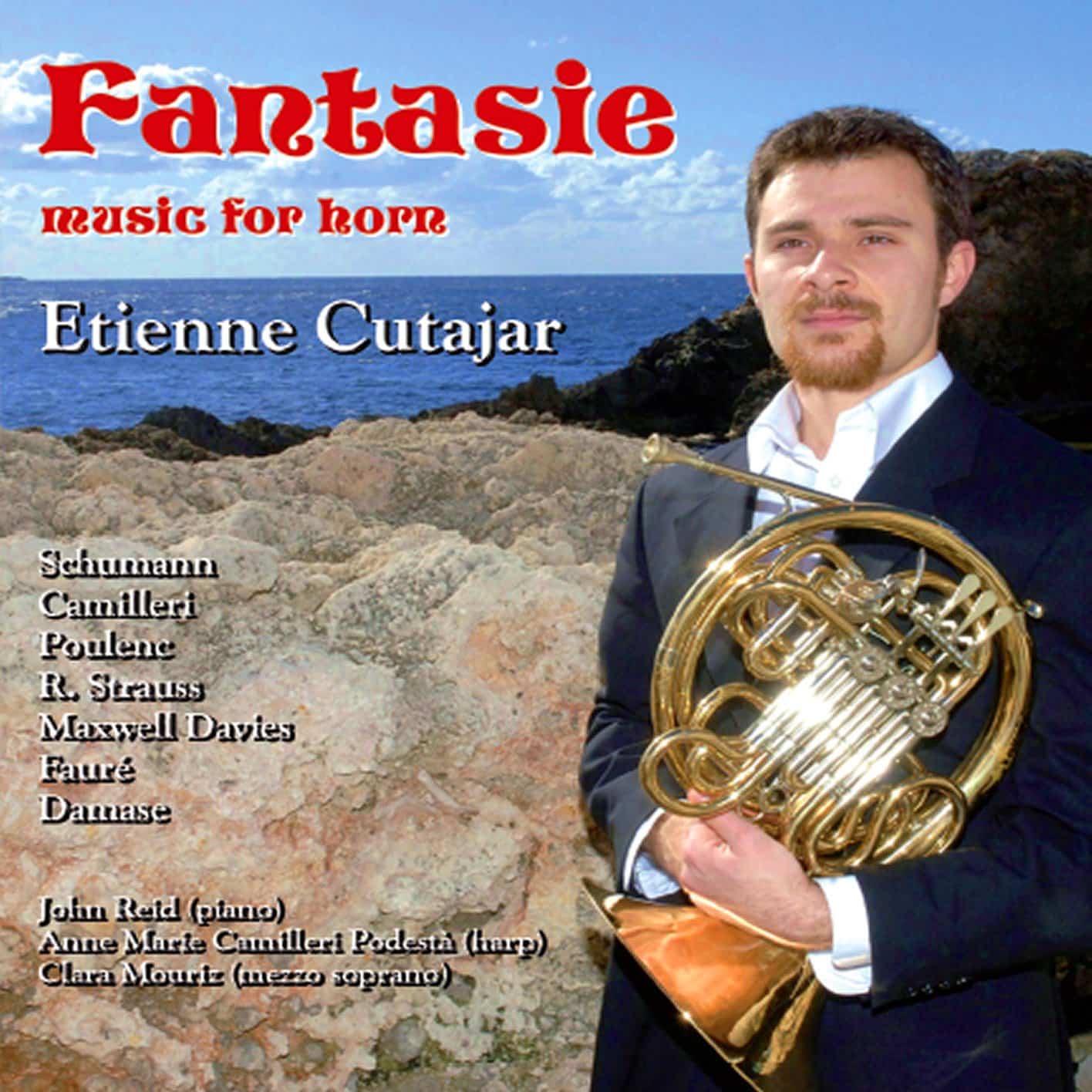
    Etienne Cutajar is a star of the future and an extraordinarily gifted horn player. This CD presents music for horn with piano, with harp and solo. Included are two world première recordings: the Fantasie Sonata by Charles Camilleri (who attended the recording sessions and was most delighted with the performance!) and Jean-Michel Damase’s “Aspects”.

    Booklet notes in English, French, German.

  • The Voice of the Clarinet

    The Voice of the Clarinet

    Along with the cello, the clarinet is often regarded as the most “voice-like” expressive instrument. In a unique programme, 20 art-songs and lieder (and one swing classic!) have been newly arranged for clarinet and piano. The result is a beautiful, unusual and uplifting recital with music from across the world.