Composer: Karol Szymanowski

  • 20th Century Polish Chamber Music

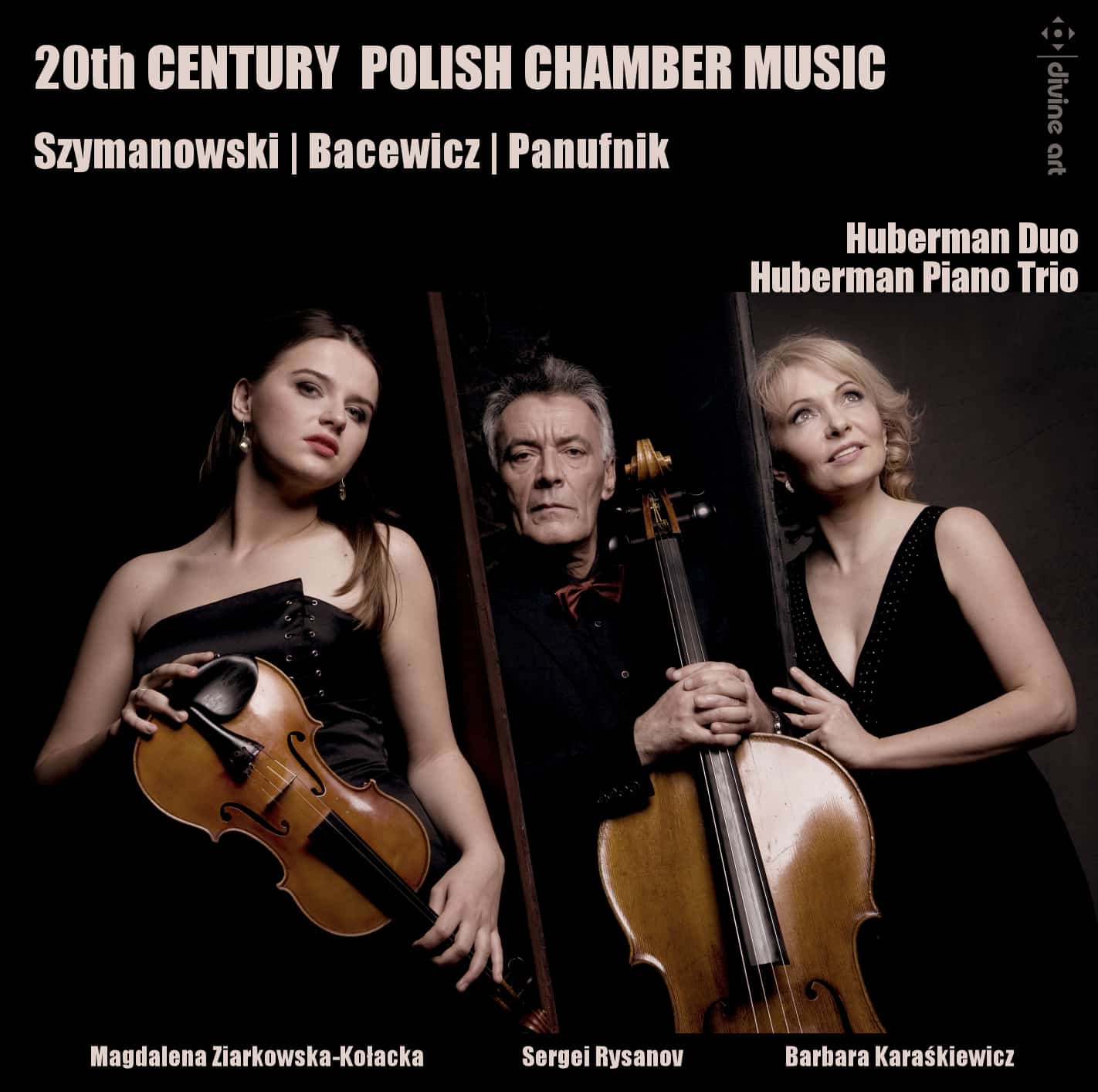
    20th Century Polish Chamber Music

    Three works by Polish composers of great stature: the music of Karol Szymanowski is now very well known; he was responsible for the first real flowering of Polish music after Chopin, developing from the Romantic to expressionism to modernism. His Op. 9 violin sonata is his earliest chamber composition, written when he was 22 and found immediate success with audiences, if not all of the critics at the time.

    The Piano Trio of Andrzej Panufnik, who later became a British citizen, is also an early work and as his Op. 1 (he did not give opus numbers to any other composition) symbolises the beginning of his great career. Elements of modernism, Romanticism and jazz inspire this superb piece. It is heard here in the composer’s revised version from 1977.

    For Grażyna Bacewicz, chamber music played a very important role alongside concert works; she summed up the 200 year era from Chopin to Rachmaninoff as a great virtuoso composer and performer – on both violin and piano. The fourth piano sonata is generally considered her greatest – described by one critic as ‘contemporary Brahms’.

    The members of the Huberman Trio, based in Czestochowa, Poland, are all first class musicians with successful solo and orchestral careers:
    Magadalena Ziarkowska-Kołacka (violin);
    Sergei Rysanov (cello); Barbara Karaśkiewicz (piano)

    Chosen by Peter Burwasser of Fanfare in his 2021 Want List (top 5 albums of the year)
  • La Mer bleue

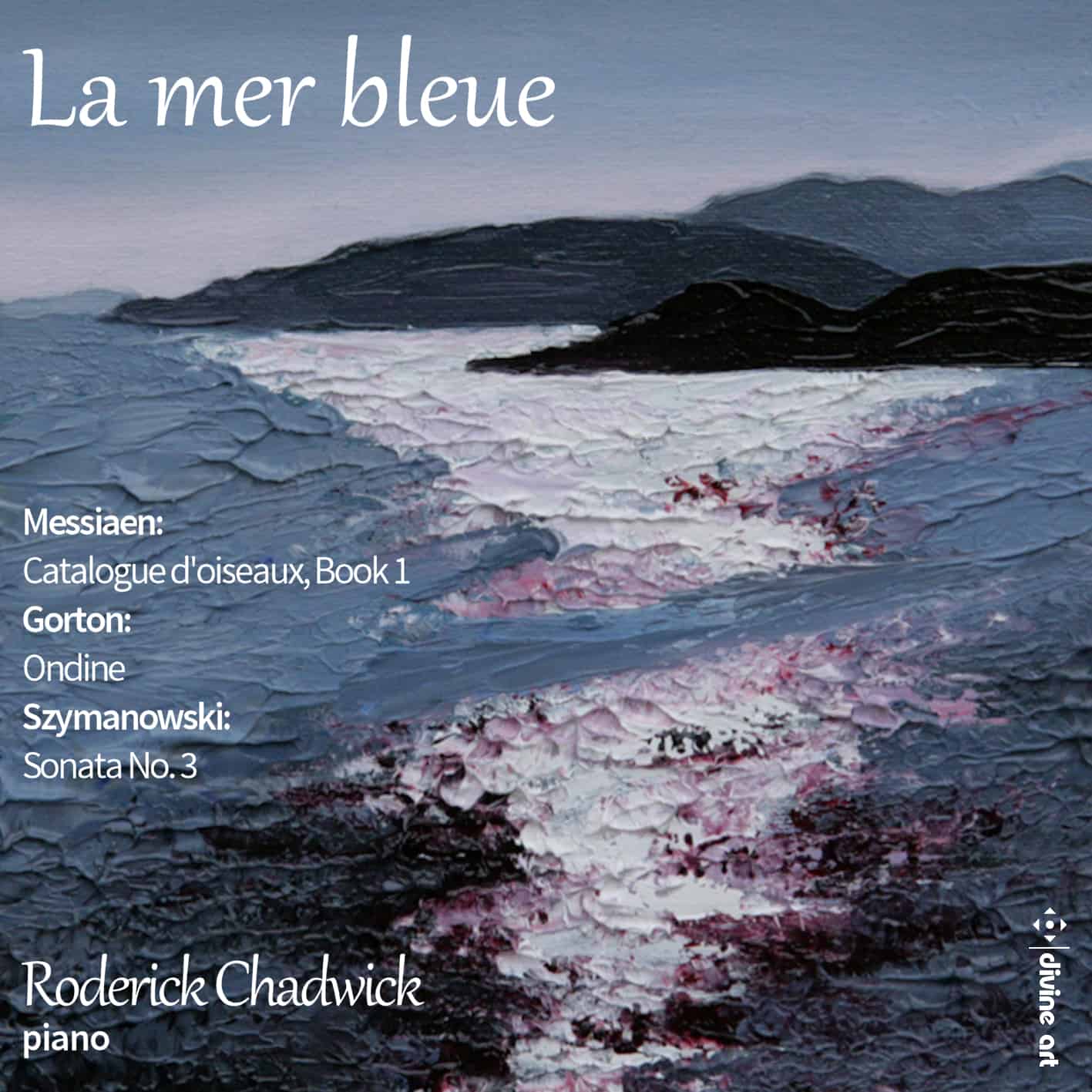
    La Mer bleue

    This album is built around Messiaen, birdsong and impressionism. First we have book 1 of Messiaen’s Catalogue d’oiseaux, together with two newly written interludes and a postlude for two violins, transferring the song to the strings. Messiaen’s work is a journey towards sunlight, colour and company, from mountain to coastline, together with three feathered songsters.

    English composer David Gorton is best known for his uncompromising modernity but in his Ondine, he has produced a work much more accessible and although not specifically based on birdsong, it has many resonances with the Messiaen, and is an ideal partner to the earlier work; this is its first recording.

    With Szymanowski we reach the mainstream of 20th century writing, Romanticism hardening in light of the Great War and the October Revolution. This work, one of his greatest, is imbued with passion, longing, and in the words of Sorabji, ”an elevated ecstasy of expression”.

    Roderick Chadwick, as both soloist and collaborator, has performed some of the most challenging works for piano; his recent Stockhausen disc was highly praised. He is a particular expert on Messiaen and in 2018 co-authored and published a book on the Catalogue d’oiseaux.

  • Three Generations of Mazurkas

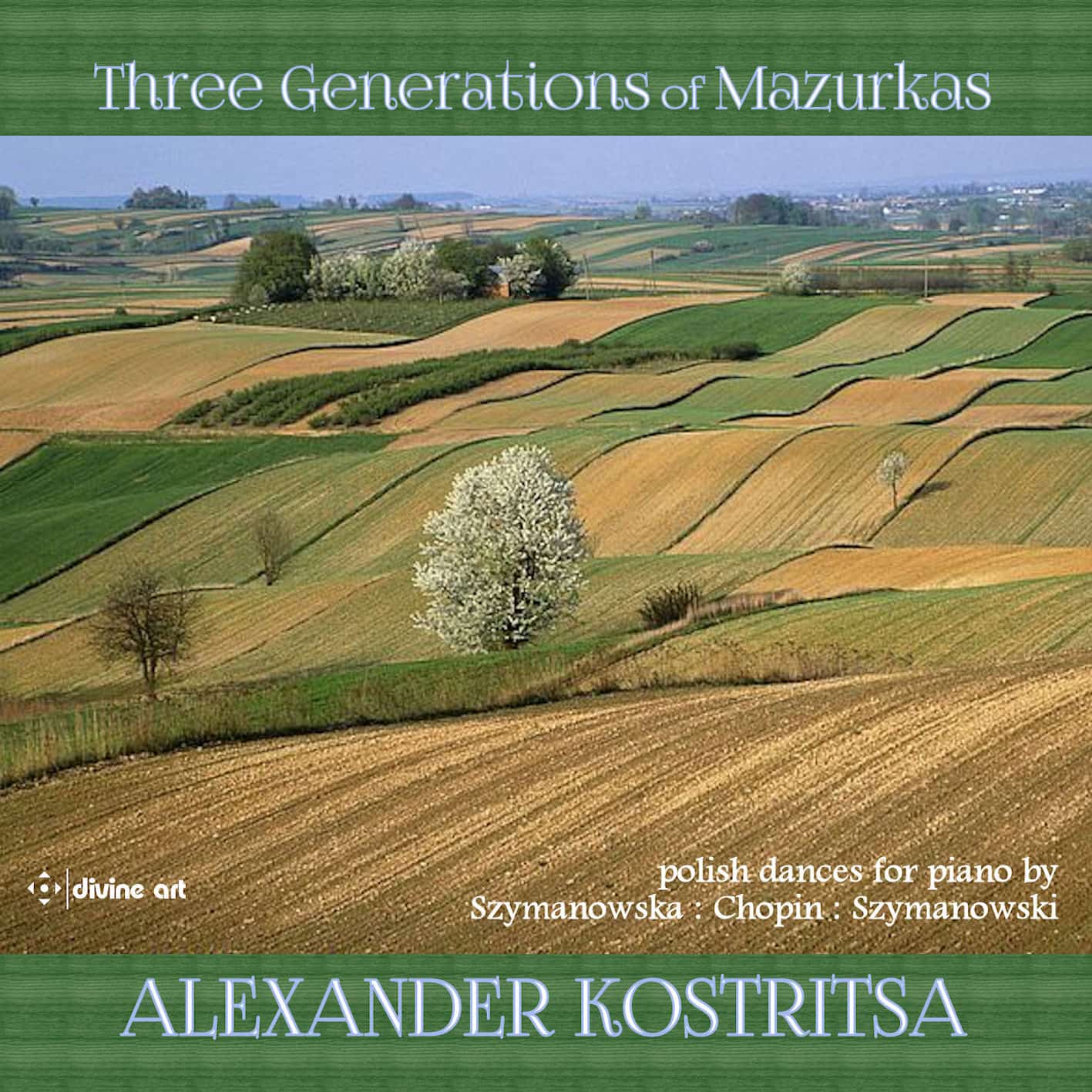
    Three Generations of Mazurkas

    The mazurka is a traditional Polish folk dance in triple time (three beats to the bar). In the very early 1800s. Maria Szymanowska was the first composer to write formal Mazurkas for the piano. They are very short, quite simple and incredibly varied and tuneful. Only a decade or so later, Chopin developed the mazurka into an art-music form and his Opus. 7 and 17 sets are perhaps the best known. While other composers also took up the form, the most notable transformation of the mazurka was by the third Polish composer, Szymanowski, who created a full-blown Romantic style far removed from the simple original. The bright, sunny and cheerful expressiveness of the folk dance is brought out brilliantly by the young virtuoso Russian pianist Alexander Kostritsa and the album is both highly tuneful entertainment and also an insight into how a style can evolve.

  • Szymanowski: Complete Piano Music

    Szymanowski: Complete Piano Music

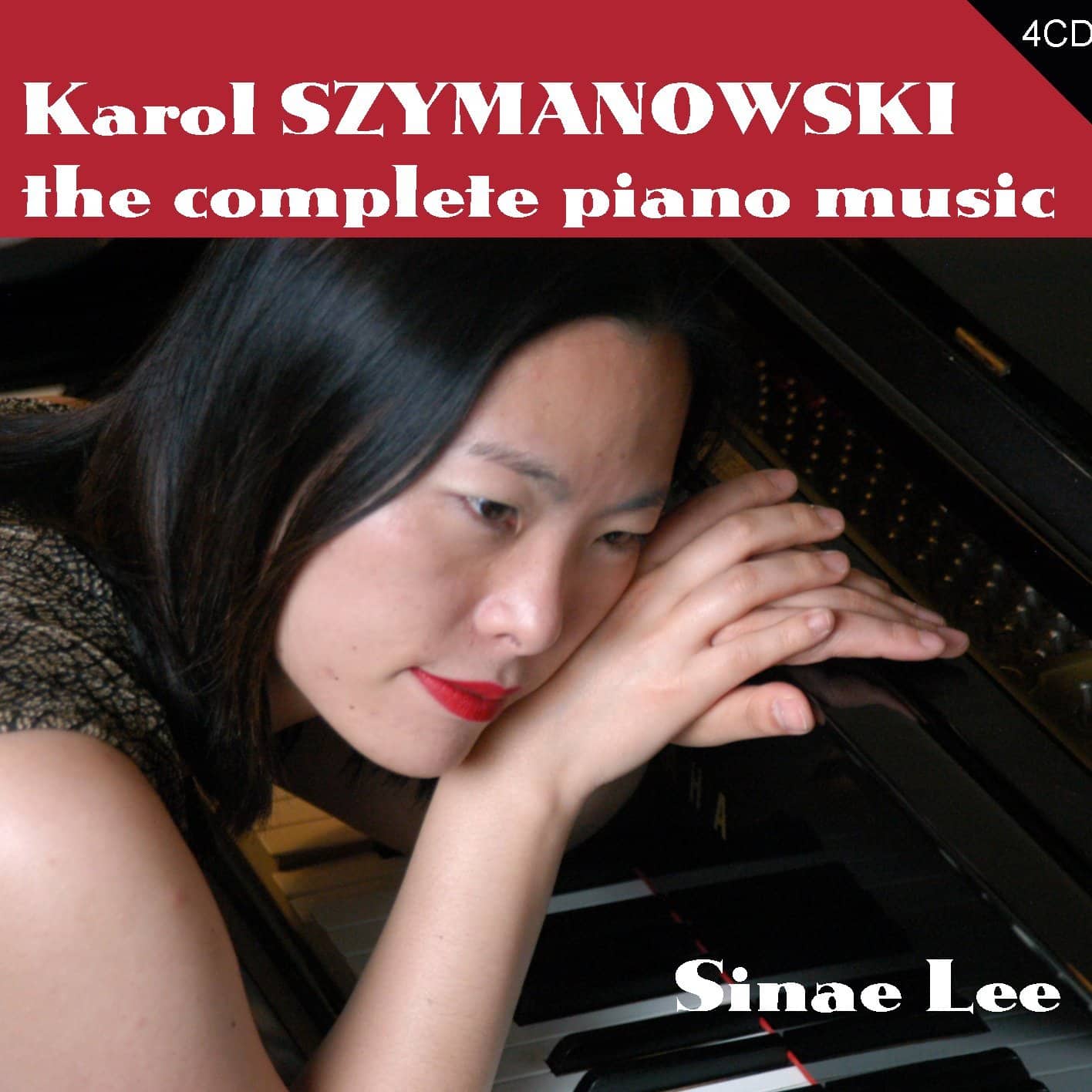
    The music of Szymanowski is lively, thrilling, robust, and exciting. It is also immensely difficult to play, and few artists can cope with its technical demands of bravura and virtuosity. One who can, with consummate skill and musicianship, is Sinae Lee, whose new recording “makes other versions of the complete piano works seem amateurish by comparison” according to pianist Raymond Clarke, whose own disc of Szymanowski sonatas was rightly acclaimed.