Genre: Piano

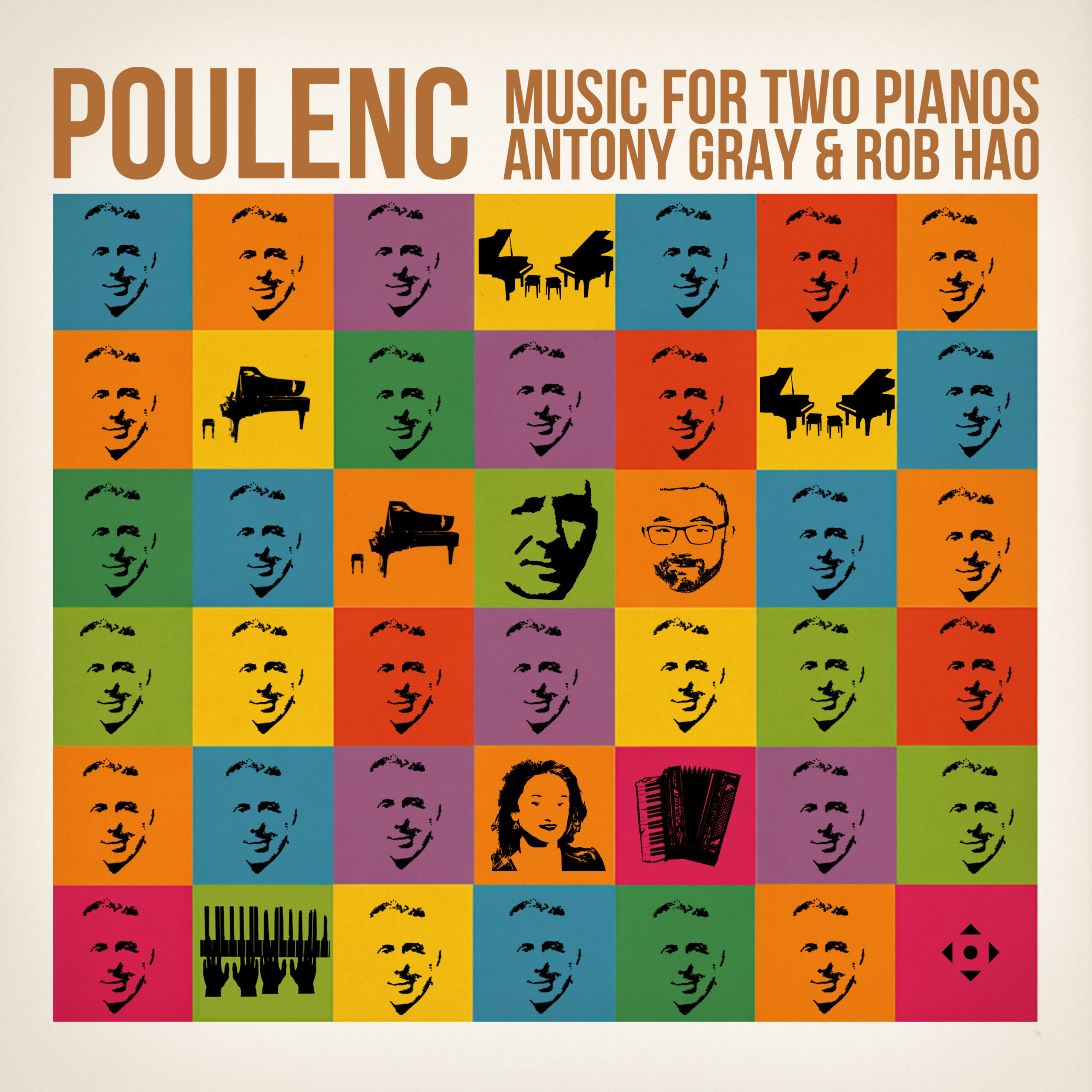
  • Poulenc: Music for Two Pianos

    Poulenc: Music for Two Pianos

    In June 2026 Divine Art is delighted to present Francis Poulenc: Music for Two Pianos performed by pianists Antony Gray and Rob Hao. Among the highlights of this superb new release are the first commercial audio recording of Antony Gray’s own transcription for two pianos of Poulenc’s score from the film Voyage en Amerique, the first recording of Poulenc’s two piano reduction of the Concert Champetre, plus the recently discovered Valse de musique de soie.

    A superb pianist as well as a composer, Poulenc’s works for piano are without exception charming, delightful and gratifyingly written. However, most of his piano music comes from the early part of his career, as Poulenc destroyed many of his later works, including a number for four hands/two pianos. The two-piano works on this album represent those later periods when he was at the height of his powers. The first comes from his delightful score, which was sadly lost, for the 1951 film about a couple from rural France on their first ever flight, Voyage en Amerique. Antony Gray tracked down a copy of the soundtrack, which was scored for two pianos, and transcribed it himself, realising this was the only way of recovering the score, and presents it here with Rob Hao in its first commercial standalone recording. To complete the transcription of the soundtrack, Gray also includes the song, Adieu Maison, with soprano Helen Miles, and a Valse, in which the two pianos are joined by an accordion, performed by Alise Silina. Gray and Hao also present a later version of this work entitled Embarquement pour Cythere, scored only for two pianos.

    The Sonata for two pianos, arguably Poulenc’s finest keyboard work, is emotionally dark and looks forward to the tenderness and anguish of the Dialogues des Carmelites. Very few works in the piano duo repertoire match this sonata in power and emotional force —aggressive dissonance is contrasted with passages of achingly beautiful material. One of his final keyboard works is the deeply emotional Elegie in which as with all Poulenc’s music for two pianos, the material throughout is passed equally between the two instruments. The Concert Champetre, originally written as a concerto for harpsichord and orchestra, was reworked for two pianos, and despite missing the rich orchestral palette it’s a strong work in its own right, and is given its first recording here.

    Poulenc’s other works for two pianos will be made available as bonus digital-only tracks accompanying the album. The first will feature Sonate pour piano á 4 mains, written in 1918 when Poulenc was only 19 years old. It was influenced by Satie and Stravinsky, as well as Chabrier, yet is already stylistically unique and a real achievement for such a young composer. The Capriccio for two pianos is a transcription by Poulenc of the Finale of his cantata Le Bal Masqué, with hilarious and surreal music, befitting the cantata text by Max Jacob. The album will be completed by the Valse de musique de soie for solo piano, performed by Antony Gray, a work only recently rediscovered in 2017.

    Antony Gray and Rob Hao, both pianists and composers, are from Australia. Antony Gray has long been regarded as one of the most interesting and communicative performers of his generation with many solo and chamber music performances around the world and many pieces written for and premiered by him. His recordings for Divine Art have included music by Malcolm Williamson, John Carmichael, and an acclaimed set of Saint-Saëns piano music. Rob Hao’s compositions and performances have taken him across Australia, the UK and continental Europe, and he has given regional and world premieres of over thirty works in both ensemble and solo settings. His debut solo recording ‘Palimpsest’ for Divine Art explores how music and styles from different times interact and inspire new ideas.
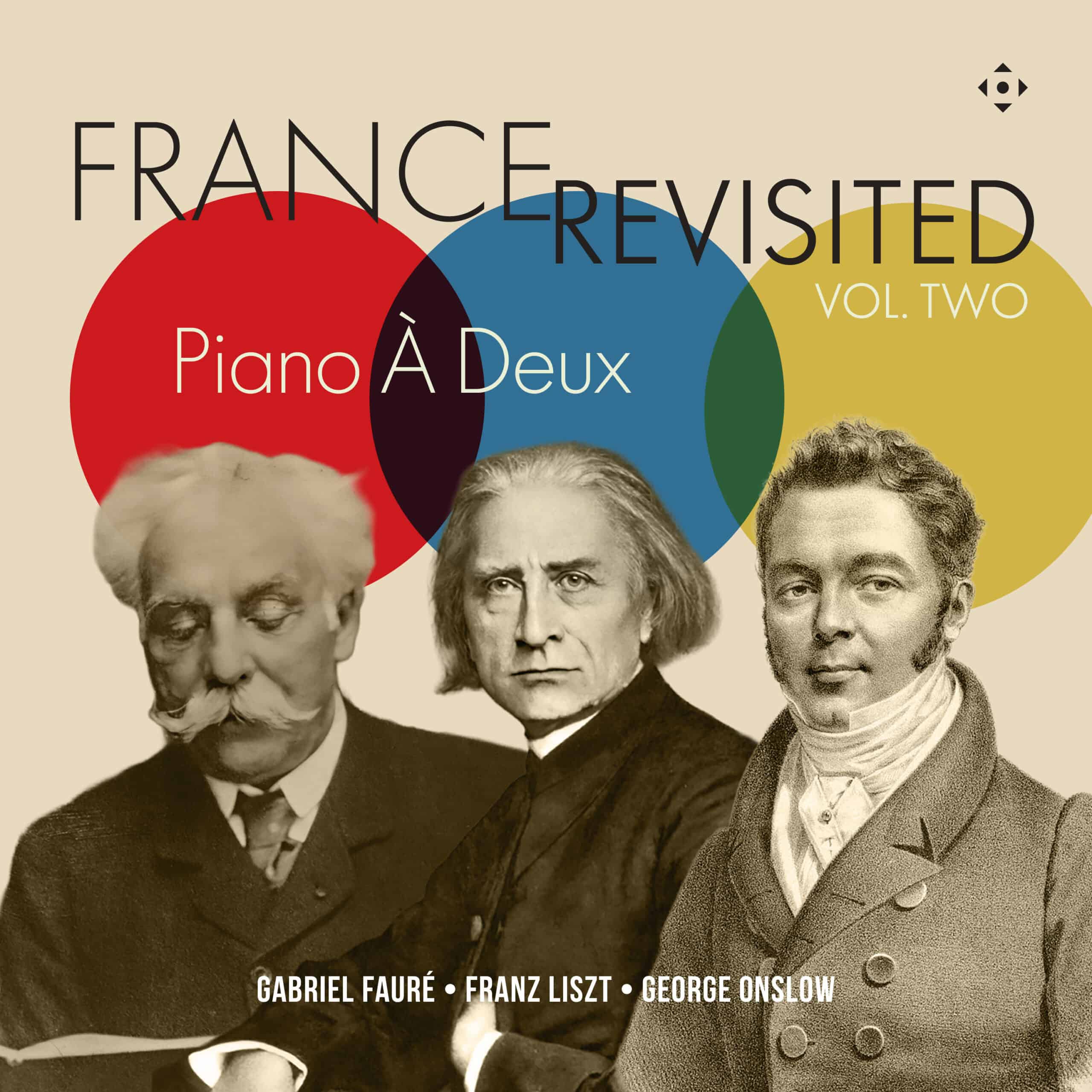
  • France Revisited, Vol. 2

    France Revisited, Vol. 2

    On 17 April 2026, Divine Art is delighted to present France Revisited, Vol. 2, the second volume of French music for piano four hands from Piano Á Deux, the husband and wife team of Robert and Linda Stoodley.

    France Revisited, Vol.2 includes Gabriel Fauré’s Dolly Suite, George Onslow’s Sonata No.2 in F Minor, Op 22, and the Hungarian Rhapsody No.2 by Franz Liszt, arranged for four hands by Franz Bendel with new cadenzas by Piano Á Deux – this is the premiere recording.

    Fauré’s Dolly Suite is a charming set of six duets for four hands, written for the daughter of Emma Bardac, who eventually married Debussy. The Suite was often re-visited by Fauré, and in 1906 was arranged for orchestra by Henri Rabaud. The piano duets were first premeired by Alfred Cortot and Édouard Risler in 1898.

    Born in France but of English descent, George Onslow’s music found approval from elites like Robert Schumann and Felix Mendelssohn, being crowned the “French Beethoven” by his publisher and other contemporaries, although later falling out of favour. During their research into less well-known composers, Piano Á Deux discovered Onslow’s duet sonatas in a dusty library drawer. The Opus 7 Duo Sonata was recorded for the first volume of France Revisited and the Sonata No.2 in F Minor, Opus 22 is heard in this second volume. Given many performances by Chopin and Liszt, it is conceived on a grand scale, symphonic in structure and reflects the Beethovenian aspects of Onslow’s style.

    Liszt’s Hungarian Rhapsody No.2 is probably one of the best-known solo pieces in the piano repertoire, from a composer who stands like a colossus in the pianist world, crossing geographical boundaries. Piano Á Deux have taken Bendel’s arrangement for four hands, adapted it and written their own cadenzas, returning the piece to its virtuosic persona.

    An adventurous piano duo with a wide repertoire which includes major classical works and their original arrangements from the world of opera, film and musical theatre, Piano À Deux have performed in countries like Singapore, Italy, Germany and Finland to standing ovations. Meanwhile their concerts on cruise ships have won them a large following of seasoned concertgoers as well as new audiences who are delighted by their unique themed programs, exquisite music-making and charisma blended with humour.

    “Novel programming presented with charm, humour and drama, combined with their original arrangements has won them many fans worldwide. Surprisingly, Robert & Linda met online, not through music. They married in 2008 and “Piano À Deux” was formed in 2010. Piano Á Deux have been hailed as being worthy of taking on the mantle of longtime Divine Art recording artists Goldstone and Clemmow, a duo whose career was aborted by the untimely death of Anthony Goldstone. Their playing in ‘France Revisited‘ Vol 1 was praised as “piano four hands …at its very best..”

  • Liszt: Années de Pèlerinage

    Liszt: Années de Pèlerinage

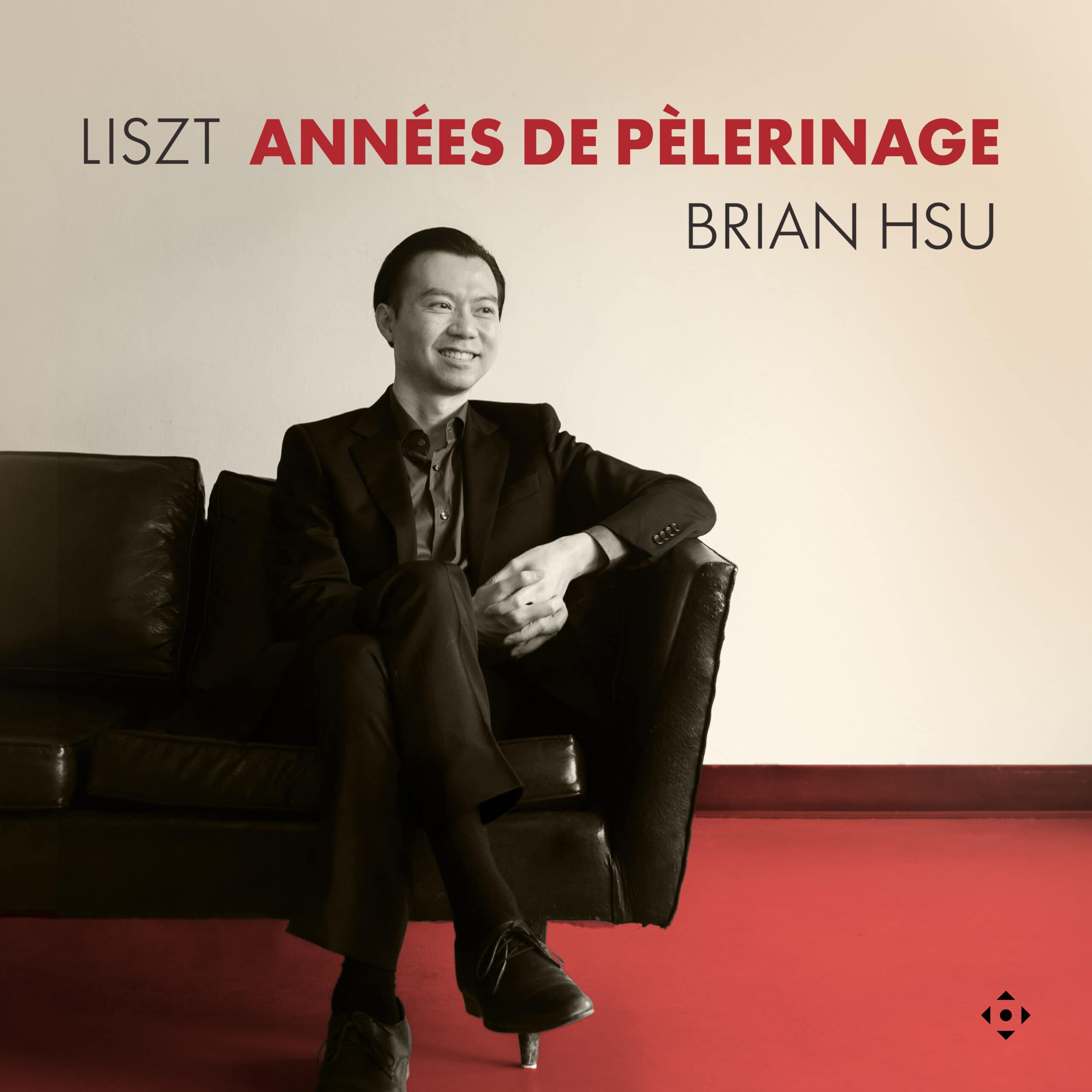
    On 24 April 2026, Divine Art is proud to present the complete Années de pèlerinage Suites for solo piano by Franz Liszt, performed by the exciting Taiwanese-American pianist Brian Hsu. Released as a 3-CD set, this monumental cycle traces a physical and emotional journey by the composer through the magnificent alpine landscapes of Switzerland, the art and literature of Italy, and the journeys within. The album was recorded and engineered in Dolby Atmos® spatial audio by GRAMMY®-nominated producer Sergei Kvitko.

    Brian Hsu explains how the inception of the album came during COVID: “These pieces became a way for me to travel through music—to wander the mountains of Switzerland, drift along the canals of Venice, and encounter the art and architecture of Italy through Liszt’s imagination. In a moment defined by isolation, this repertoire offered connection, motion, and emotional release.”

    Hsu’s performances trace these connections, bringing forth the vivid imagery, energy, youthful exploration, and outward discovery in Books I (Suisse) and II (Italie). His performances then underline how Book III unfolds as a spiritual pilgrimage—an inward journey shaped by reflection and acceptance.

    Brian Hsu was drawn from an early age to the imagination, virtuosity, emotional range, and expressive power of Liszt’s music, and he took on the recording of this work as a “personal challenge”. Recordings of the complete Suites have been achieved in full by fewer than two dozen pianists. Hsu presents Liszt not only as the virtuoso whose technical brilliance reshaped the piano literature, but as a poet, philosopher, and artist whose musical language evolved alongside his professional and personal life. Liszt is deeply associated with dazzling virtuosity and showmanship, but this represents only one facet of a composer whose artistic voice grew increasingly reflective, restrained, and forward-looking over time. Hsu’s interpretation of Années de pèlerinage presents the comprehensive view that each Book offers a distinct emotional world, and that together, they form a narrative that mirrors the stages of a life well-lived.

    Since his concerto debut at the age of 16 with the Philadelphia Orchestra, Brian Hsu has gone on to establish himself as a pianist of electrifying energy and highly communicative performances. Critics have praised his playing in superlatives, noting his “breadth of expression and technical ability.”

    Mr. Hsu has performed throughout North America, Europe, Asia, and South Africa, appearing as concerto soloist with such ensembles as the Philadelphia Orchestra, Taiwan National Symphony, Juilliard Orchestra, Haddonfield Symphony, Sendai Philharmonic, University of Michigan Symphony Orchestra, and music festivals. His performances have been broadcast nationally on WQXR radio in New York and All Classical Radio in Portland. In addition to competition successes, Mr. Hsu has been the recipient of numerous awards during his studies at The Juilliard School, Yale University, and the University of Michigan. An avid chamber musician, collaborator, and educator, Mr. Hsu continuously performs with distinguished artists worldwide and has given masterclasses at various colleges and universities throughout the United States and Asia. He is currently an associate professor of piano at the University of Oregon.

  • Nicholas Scott-Burt: 24 Preludes for Piano

    Nicholas Scott-Burt: 24 Preludes for Piano

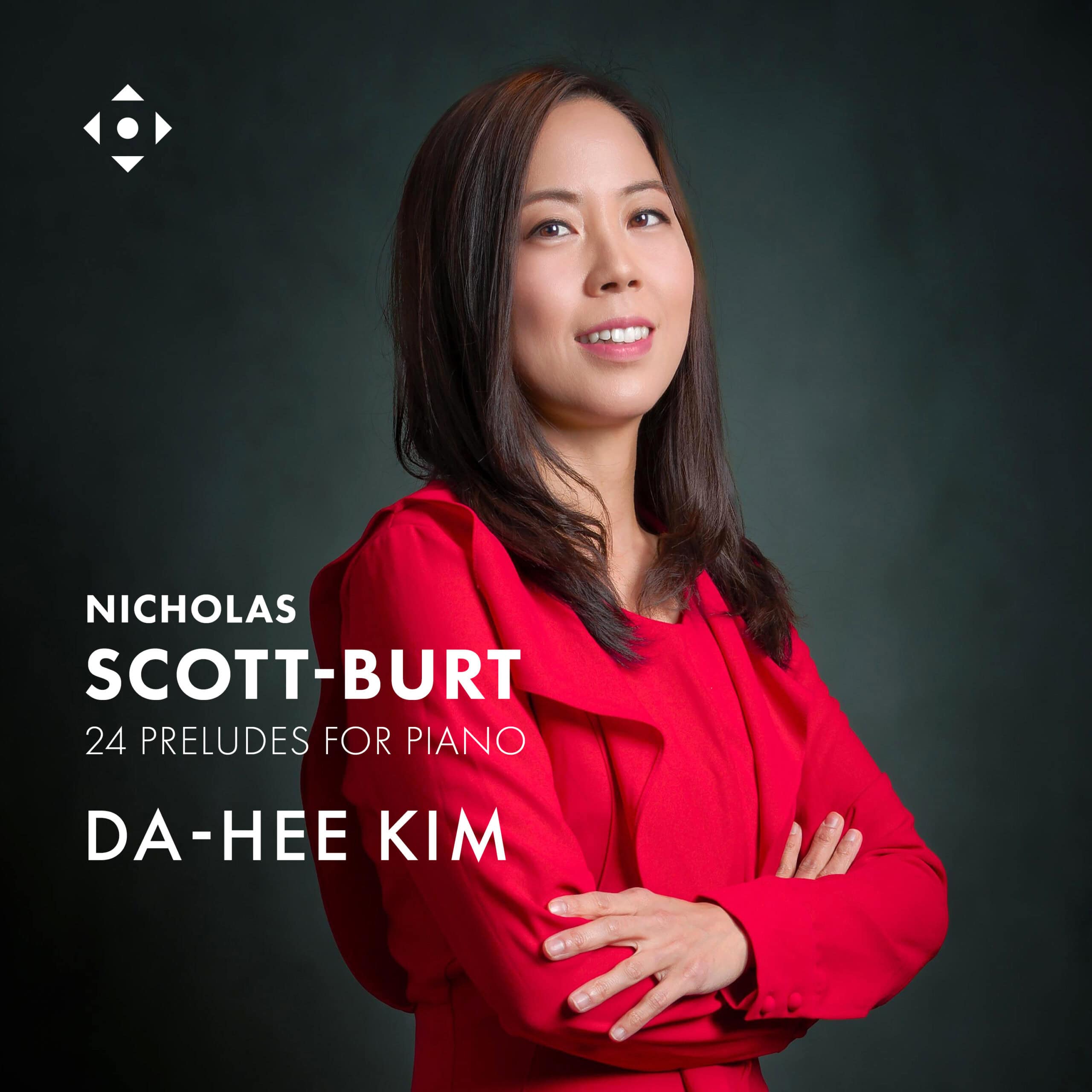
    In March 2026, Divine Art Records presents the premiere recording of 24 Preludes for Piano by Nicholas Scott-Burt, performed by Da-Hee Kim, marking the Divine Art debut for both composer and pianist.

    In his 24 Preludes for Piano, composed between 2019-2020, Scott-Burt takes a post-modern approach to the long-standing tradition of presenting a cycle of works in all 24 major and minor keys. He follows in the footsteps of J.S. Bach, Chopin, and Shostakovich, among others, aiming to represent the innate expressive qualities associated with each key, while bringing a unique approach to the work’s architecture. Each prelude is treated as a miniature, yet is also combined to create a seamless, integrated structure – a giant ‘symphony’ for the piano.

    The works are arranged in a sequence of alternate major and minor Preludes, and are grouped into four suites (books) of six movements each, equivalent to the four movements of a symphony. Each has its own character: Book 1 is neat and neo-classical; Book 2 more extravagant and romantic; Book 3 somewhat more introspective; and Book 4 bright and sunny, though with its darker moments. In addition to the cycle of Preludes, the album includes Scott-Burt’s Minimalis I and Love Song.

    Scott-Burt’s writing embraces a broad range of styles, referencing music of the past which has led to this point, with echoes of Bach, Chopin, Shostakovich, but also Handel, Purcell, Schumann, Liszt, Prokofiev, Bartók, Messiaen, and jazz. All the colours in his sound world combine to produce a consistent and individual musical language. Scott-Burt is convinced that if there exists a music of the age in the twenty-first century, then it is one which embraces all music of the past.

    Award-winning Korean pianist Da-Hee Kim trained at the Paris Conservatoire before studying at the University of the Performing Arts in Munich, and completing her Doctor of Musical Arts degree in piano performance at the Peabody Conservatory in the U.S. Da-Hee has performed at leading venues and festivals in South Korea, Europe and the UK including Salle Colonne and Salle Cortot in Paris, Palazzetto Bru Zane in Venice, Steinway Hall in London, St George’s Bristol, and the July Festival in Seoul.

    Composer Nicholas Scott-Burt studied music at the University of Bristol, gaining the degrees of BA, MMus, and PhD, and is an organist, pianist, and conductor. His compositions range from pop songs to symphonic scores, choral and sacred music, a violin concerto, a chamber concerto for flute and harp, and a Sinfonietta: The Western Cape, composed in 2024 for the Cape Town and Stellenbosch Youth Orchestras.

  • Cocteau

    Cocteau

    Isabelle O’Connell – Meet the Artist Interview

    In March 2026, Divine Art Records presents Cocteau from pianist Isabelle O’Connell exploring the musical connections and artistic spirit of the multi-talented and influential French artist, filmmaker, novelist, and poet Jean Cocteau (1889–1963). Throughout his life, Cocteau worked with the legendary Ballets Russes, was involved with major art movements like Cubism and Surrealism, and was one of the most important avant-garde directors in cinema.

    Isabelle O’Connell’s Cocteau is anchored by Irish composer Rhona Clarke’s brand-new work ‘Cocteau’ written especially for O’Connell, and heard after the listener moves through Cocteau’s contemporaries and collaborators in Paris a century ago: Erik Satie, Igor Stravinsky, and members of ‘Le Groupe des Six’ for whom Cocteau was a figurehead (Georges Auric, Louis Durey, Arthur Honegger, Darius Milhaud, Francis Poulenc, Germaine Tailleferre).

    The initial spark for this revealing new album came from conversations between Isabelle O’Connell and Rhona Clarke during the COVID pandemic. Rhona had developed a fascination with the work of “this complete artist” and ‘Cocteau’ is a set of six short pieces inspired by his drawings, paying tribute to his “overall aesthetic and personality, his quirkiness, modernism, sense of freedom, his mix of the sublime and the ridiculous”.

    The works by Satie include his Trois Gnossiennes and Trois Gymnopédies (available as digital-only tracks), epitomising qualities that Cocteau so admired – clarity, refinement, with minimal and spare textures. We also hear the Ragtime Parade from the surrealist ballet Parade conceived by Cocteau for The Ballets Russes, and Rêverie de l’enfance de Pantagruelfrom his orchestrated work Trois petites pièces montées, originally composed for a concert Cocteau organised.

    The album also includes Stravinsky’s Ragtime and Les Cinq Doigts, Darius Milhaud’s Le Boeuf sur le Toit from Cocteau’s ballet, and three works by Germaine Tailleferre, the only female in ‘Le Groupe des Six’. Though the composers of the group had differing styles, their music followed Cocteau’s artistic principles, sometimes with elements of American jazz and café music, often with a hint of humour or parody. L’Album des Six was the only work on which all six collaborated.

    Since her Carnegie Hall debut recital in 2002, Franco-Irish pianist Isabelle O’Connell has developed an international career as a soloist and chamber musician. She is co-founder of Grand Band, a piano sextet described by the New York Times as: “six of the finest, busiest pianists active in New York’s contemporary-classical scene”. She has worked with composers John Adams, Meredith Monk, Donnacha Dennehy, Georg Friedrich Haas, Missy Mazzoli, Joan Tower, Kevin Volans and Julia Wolfe. A Fulbright scholar, Isabelle currently serves on the piano faculty as Artist-in-Residence at Bard College and Conservatory of Music, New York.

  • Liszt Piano Transcriptions

    Liszt Piano Transcriptions

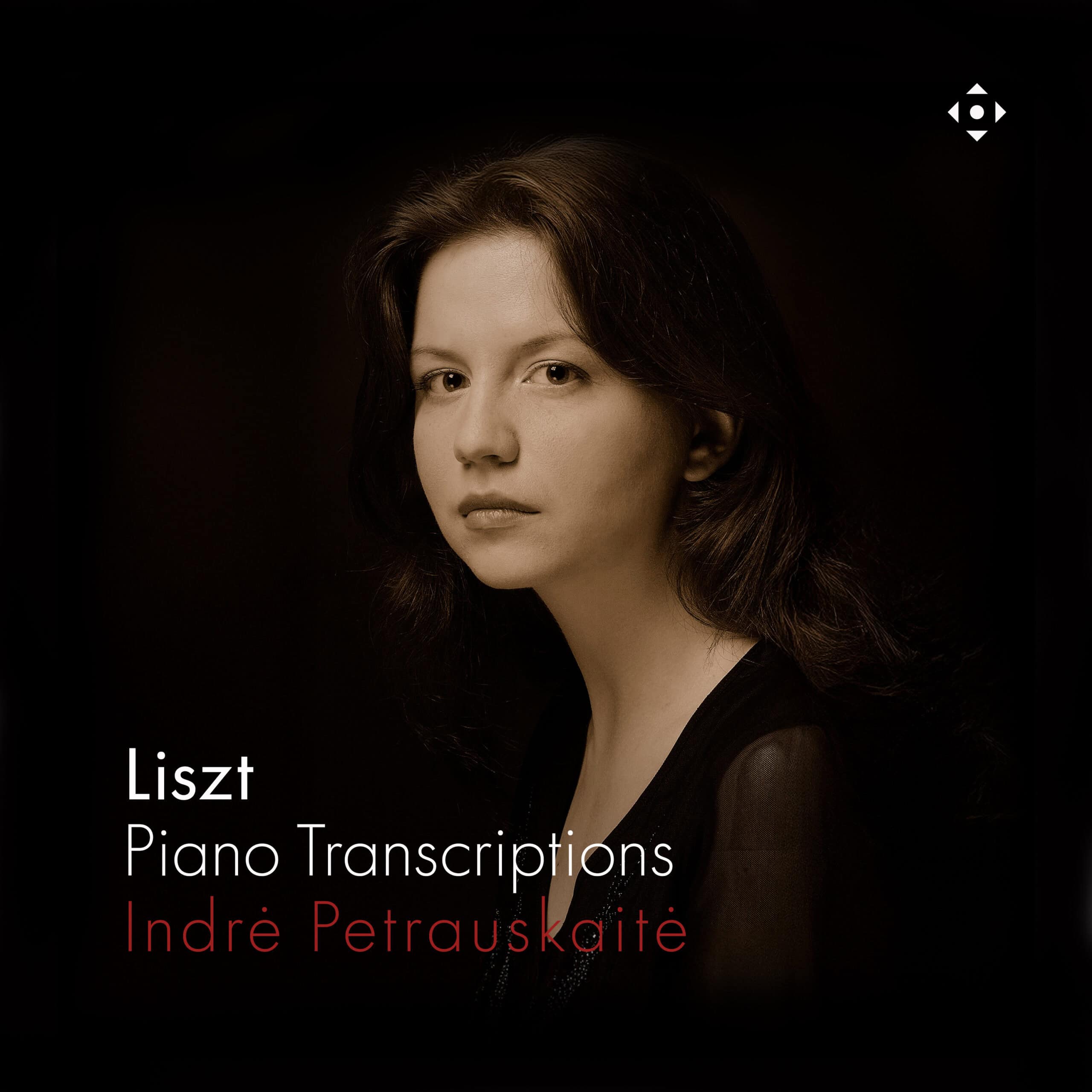
    In February 2026 Divine Art presents an album of well-loved piano transcriptions by Franz Liszt of songs and arias by Robert Schumann, Richard Wagner, Franz Schubert and Charles Gounod, from Lithuanian pianist Indrė Petrauskaitė. These dazzling showpieces for the piano provide fascinating insight into how one composer effectively interprets the work of another.

    Throughout his life and through his work, Franz Liszt shared his deep love for the music of his fellow composers, arranging their works for piano, the main instrument for domestic music-making in the 19th century. He wanted to help people enjoy popular musical works in a private setting when there was less access to orchestras and concerts. Liszt is one of the greatest transcribers of the nineteenth century and perhaps of all time. Nearly half of his output consists of arrangements, from strict transcriptions to freely recomposed paraphrases.

    Pianist Indrė Petrauskaitė’s first music history lesson in Lithuania at the age of seven was about genre and song, during which she heard a recording of Schubert’s ‘Der Müller und der Bach’, featured in Liszt’s transcription on this release, and it was the inspiration behind the programming on the album, recorded in 2007. It was only then that her still newly independent home country of Lithuania had begun acquiring concert grand pianos for their fine concert halls, such as the new Steinway in Klaipėda’s Concert Hall where this recording took place.

    The album opens with Liszt’s transcriptions of two passionate and romantic works: Schumann’s ‘Widmung’ from the song cycle Myrthen and ‘Isoldes Liebestod’ from Wagner’s Tristan und Isolde, followed by the charming and magical ‘Spinnerlied’ from Wagner’s Der Fliegende Holländer. Several transcriptions of Schubert’s lied are featured here: the sombre ‘Der Doppelgänger’ from Schwanengesang and ‘Der Müller under der Bach’ (the inspiration for the album) from Die Schöne Müllerin; the soothing ‘Frühlingsglaube’ and the delightful and imaginative ‘Ständchen von Shakespeare’ (Horch, hoch! Die Lerch!); finally a piece (No.6) from Liszt’s own Soirées de Vienne cycle – arrangements of Schubert’s tremendous 12 Valses Nobles, D.969. The album has a ‘coda’: the ‘Valse’ from Gounod’s opera Faust, the subject of several works by Liszt. This famous virtuoso piano transcription is full of drama and excitement, with ‘diabolic’ sections but also gentle and lyrical, at times even transcendant.

    Indrė Petrauskaitė says “It is delightful to take the example from Liszt himself and continue to ‘practise’ the love for the original music while ‘revisiting’ these famous transcriptions”.

    After graduate and postgraduate studies at the Lithuanian Academy of Music, Indrė entered the Royal Academy of Music where she has completed her Masters degree. She has performed with several orchestras in Lithuania and elsewhere in Europe and given many solo and chamber music recitals. She is now based in London, combining teaching and performing.

  • Robert Schumann: Fantasies – Vinyl Edition

    Robert Schumann: Fantasies – Vinyl Edition

    Burkard Schliessmann interview in Pianist Magazine.

    Listen to Burkard Schliessmann’s interview on WQED “Voice of the Arts”

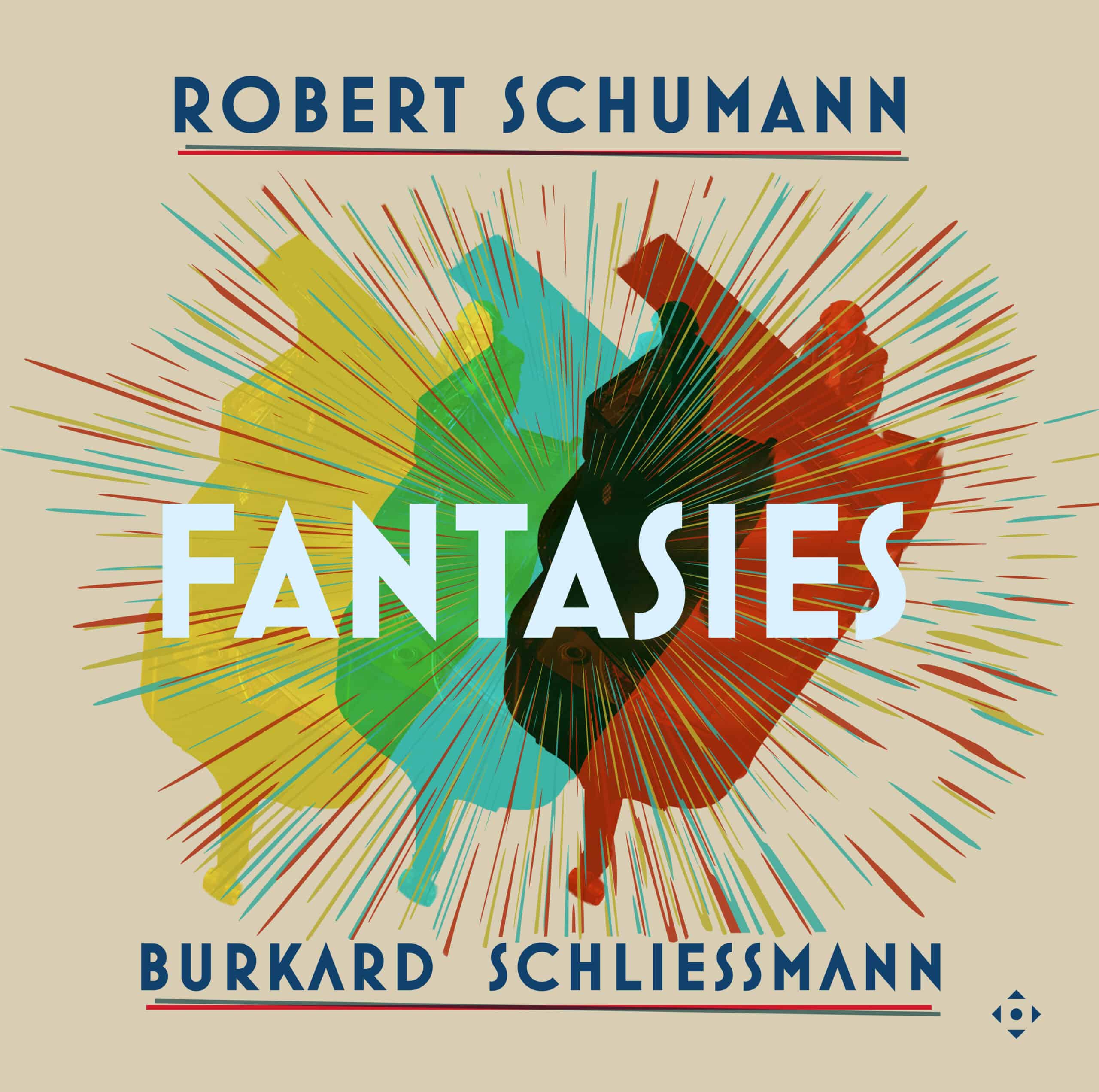
    Divine Art proudly presents the first vinyl edition of Fantasies, Burkard Schliessmann’s wonderful interpretation of the solo piano works of Robert Schumann. Now issued as a gold triple-LP, this deluxe package follows the album’s acclaimed release on SACD and Dolby Atmos digital, which drew widespread praise for both its sonic fidelity and interpretative depth.

    Recorded at Berlin’s renowned Teldex Studios with producer Julian Schwenkner and engineer Jupp Wegner, the album uses a 14-microphone setup to capture the full breadth of Schliessmann’s artistry – revealing the intricate emotional architecture and expression of Schumann’s writing.

    Schliessmann draws out the music’s structural sophistication, making bold connections to Wagner’s Tristan, while interpreting with spacious, poetic lyricism. The result is a revelatory journey through Schumann’s psyche – one that Schumann Journal described as “completely new, surprising and unexpected… a MUST!” (Irmgard Knechtges-Obrecht), while the American Record Guide hailed the album’s “perfect” sound as “one of the most beautiful-sounding recordings I’ve heard recently” (Rob Haskins).

    Pressed on triple heavyweight gold vinyl, this edition delivers analogue warmth and detail that will reward the most discerning listener. A vital collector’s release, Fantasies continues Burkard Schliessmann’s legacy of uncompromising interpretations and outstanding recorded sound.

  • Kapustin: Between the Lines

    Kapustin: Between the Lines

    Ophelia Gordon & Kapustin: It’s about the balance of respect and personal creativity – Pizzicato

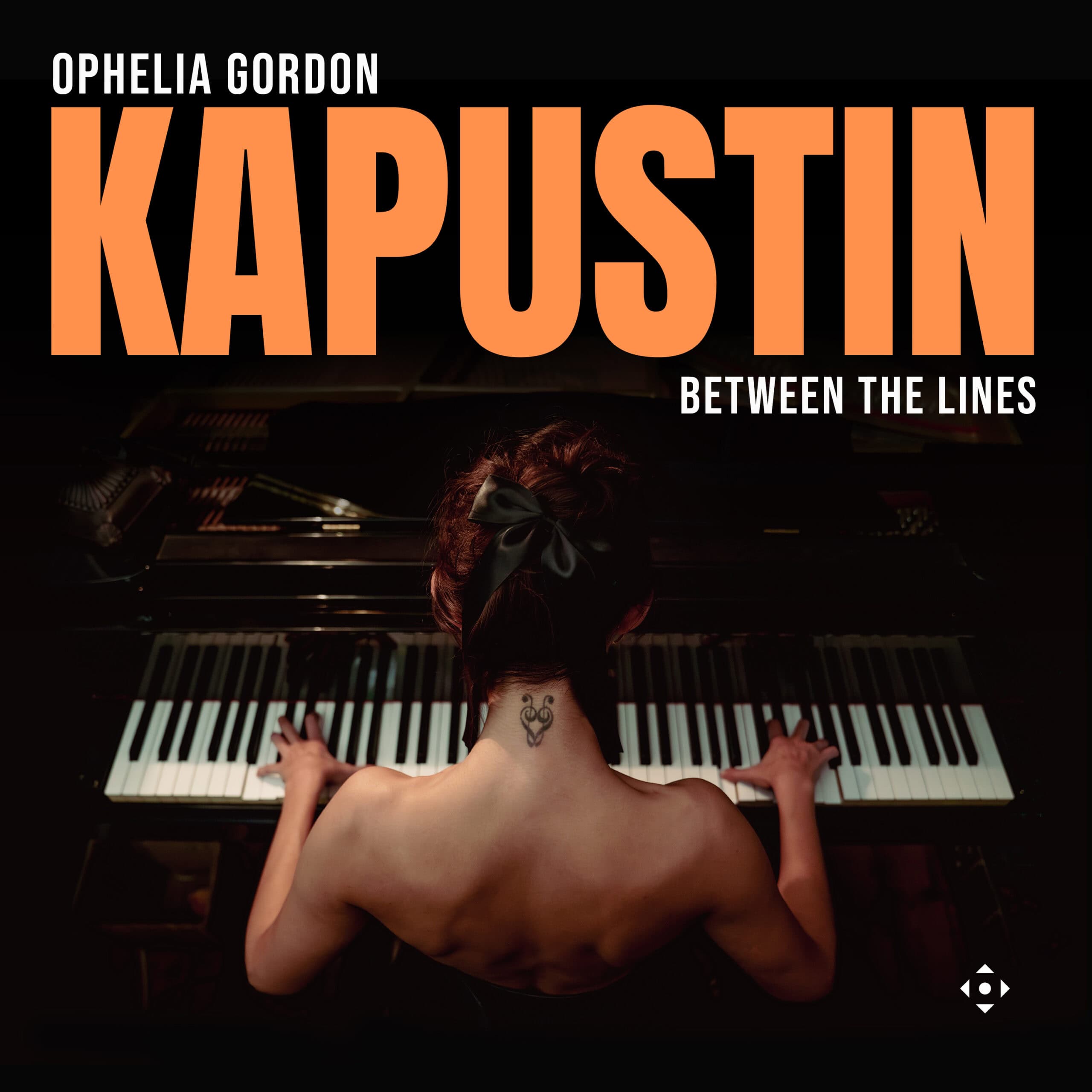
    Electrifying debut album from a bold new voice in classical piano.

    British pianist Ophelia Gordon makes a striking debut with this album of works by Nikolai Kapustin, the Soviet composer whose music fuses the harmonic language and rhythmic drive of jazz with the formal precision of classical composition. Though Kapustin’s music sounds improvised, every note is meticulously written – jazz in spirit, but classical in structure.

    Gordon brings rare authenticity to this repertoire, having tracked down long out-of-print vinyl recordings of Kapustin’s own performances in a personal search for the composer’s true voice. The programme is carefully curated to offer a compelling listening arc, capturing Kapustin’s wit, lyricism, and fire with both intimacy and flair.

    Recorded on a characterful 1961 Steinway D, the album’s sound is warm, immediate, and rich in detail – engineered with a microphone setup designed to balance the immediacy of a jazz trio with the depth and clarity of classical solo piano.

    This release marks two milestones: the first full Kapustin album by a British female pianist, and the first classical album by a BRIT School alum. With a growing reputation for fearless artistry and cross-genre fluency, Gordon offers a vital new perspective on one of the most original piano voices of the 20th century.

    https://youtu.be/nMM7MastvBM&w=720

  • Discovering Wilfred Heaton

    Discovering Wilfred Heaton

    “Creative Outlet and Classical Conduit: The Importance of British Brass Band” by Paul Hindmarsh – Classical Music

    Discovering Wilfred Heaton: Premiere recordings of major instrumental works by a remarkable yet overlooked English composer.

    Wilfred Heaton (1918-2000) is a name well-revered in brass band circles, but nearly unknown in the wider world of classical music. Discovering Wilfred Heaton seeks to change that with no less than seven premiere recordings from pianists Murray McLachlan and Rose McLachlan, tenor James Gilchrist, clarinetist Linda Merrick, and flutist Alex Jakeman.

    The album is anchored by the first recording of Heaton’s monumental Piano Sonata, which was performed in 2024 to rapturous applause by Murray McLachlan at Manchester’s Stoller Hall. The Sonata, composed in the 1950s, is a work of striking ambition and depth. Harmonically daring, emotionally raw, and technically formidable, it stands comparison with the great mid-century sonatas of Bartók and Prokofiev. From the muscular counterpoint of its opening, through a grief-tinged slow movement and a dazzling finale, Heaton’s sonata reveals a powerful, individual voice—he was fearless in embracing big themes, bold melodies, and contemporary idioms.

    Also featured are first recordings of the Three Pieces for Piano (1954), and the poignant piano suite Pilgrim Reflections, adapted from Heaton’s mystery play Pilgrim’s Song. A selection of Heaton’s rarely-heard songs—written in his youth and again in later life—are performed here by the acclaimed tenor James Gilchrist, accompanied by Rose McLachlan. Together, these works illuminate Heaton’s stylistic evolution: his command of bitonality, rhythmic complexity, and melodic invention, rooted in a deep understanding of Bach and Brahms, and influenced by Walton, Hindemith, Bartok and Stravinsky.

    Heaton’s career was shaped by a lifelong tension between personal conviction and professional ambition. A deeply private Yorkshireman, he turned away from a mainstream musical path after early promise—studying with Mátyás Seiber and submitting works to the Society for the Promotion of New Music—choosing instead a life of teaching, reflection, and selective composition. The result is a body of work of exceptional quality, much of it unpublished or unheard until now.

    This album is not only a significant act of musical archaeology by Heaton’s biographer and editor Paul Hindmarsh – it is a compelling argument for Heaton’s inclusion among Britain’s most original post-war composers.

    Track highlights:
    • Piano Sonata (premiere recording) – Murray McLachlan,piano
    • Three Pieces for Piano (1954)
    • Pilgrim Reflections (suite for solo piano)

    For fans of: Bartók, Britten, Prokofiev, William Walton, Elisabeth Lutyens, early Tippett.

    An essential discovery for collectors, performers, and listeners drawn to British 20th-century repertoire beyond the usual names.

  • Palimpsest

    Palimpsest

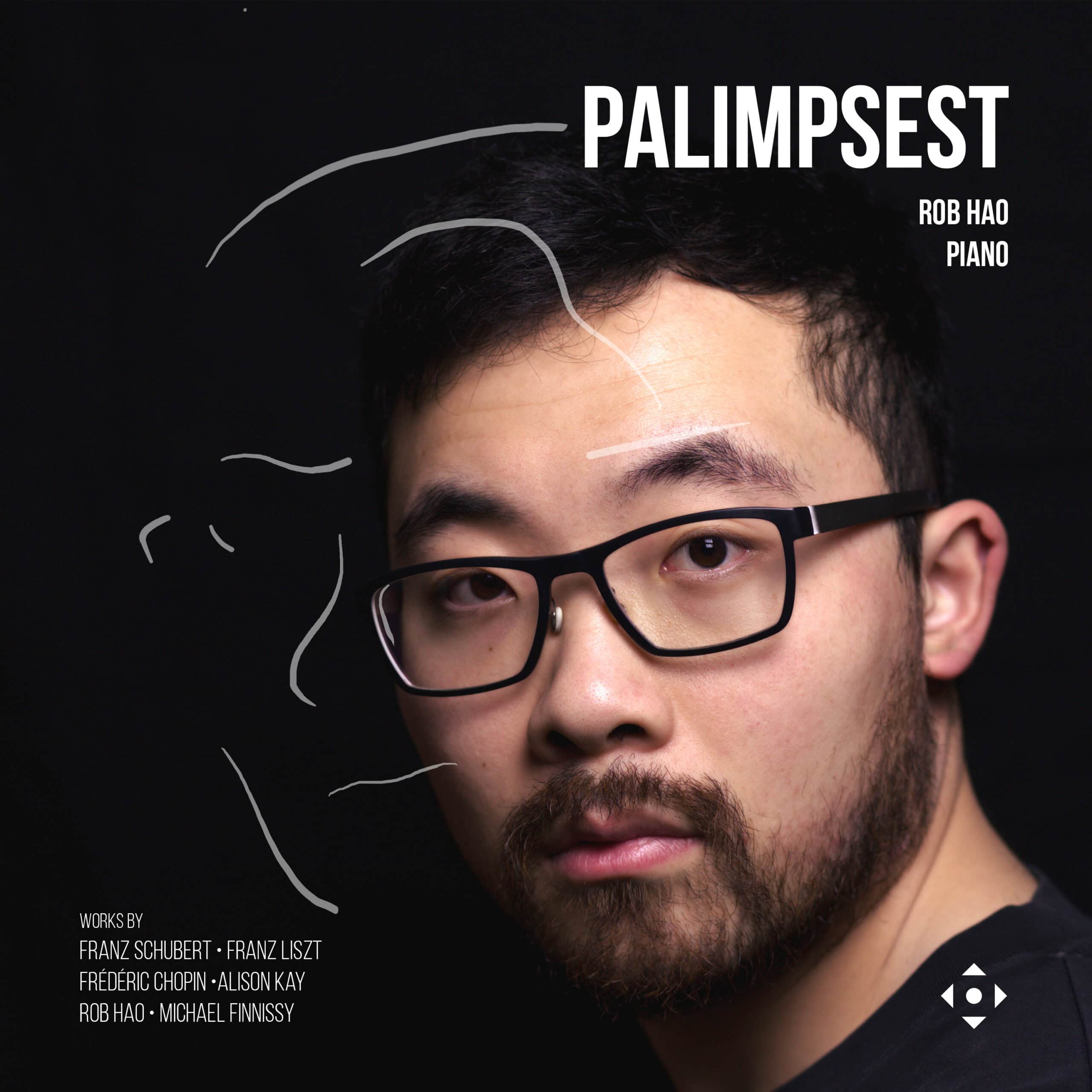
    Australian pianist Rob Hao makes a striking debut with an album that explores how music from different times and styles can interact and inspire new ideas. At the heart of the recording is the premiere of Palimpsest 571, Hao’s original work completing Franz Schubert’s unfinished Piano Sonata in F-sharp minor, D. 571. Rather than trying to imitate Schubert’s style exactly, Hao embraces the gap between past and present, creating a continuation that respects the mood and mystery of the original fragment while adding a fresh, modern voice.
    The album also features a set of piano etudes by British composer Alison Kay, whose minimalist and atmospheric pieces invite listeners to experience sound and silence in new ways. Alongside these contemporary works are carefully chosen pieces by Chopin, Schubert, Schubert-Liszt, and Michael Finnissy’s challenging English country-tunes.

    Chopin’s final nocturnes showcase his gift for blending long, flowing melodies with delicate harmonies, revealing the emotional depth he reached late in life. Schubert’s impromptu and Liszt’s piano transcription of Der Müller und der Bach bring vocal storytelling to the piano, highlighting the instrument’s expressive power.

    Finnissy’s English country-tunes is a powerful and intense piece that explores English folk traditions with virtuosic energy, moving between moments of lyricism and dramatic intensity. This mix of works demonstrates how composers and performers continue to build on musical traditions, layering new ideas over old, and keeping classical music vibrant and alive.

    This album offers a rich listening experience that invites reflection on how music evolves —shaped by both history and the creative present.

  • Chopin: The Complete Nocturnes

    Chopin: The Complete Nocturnes

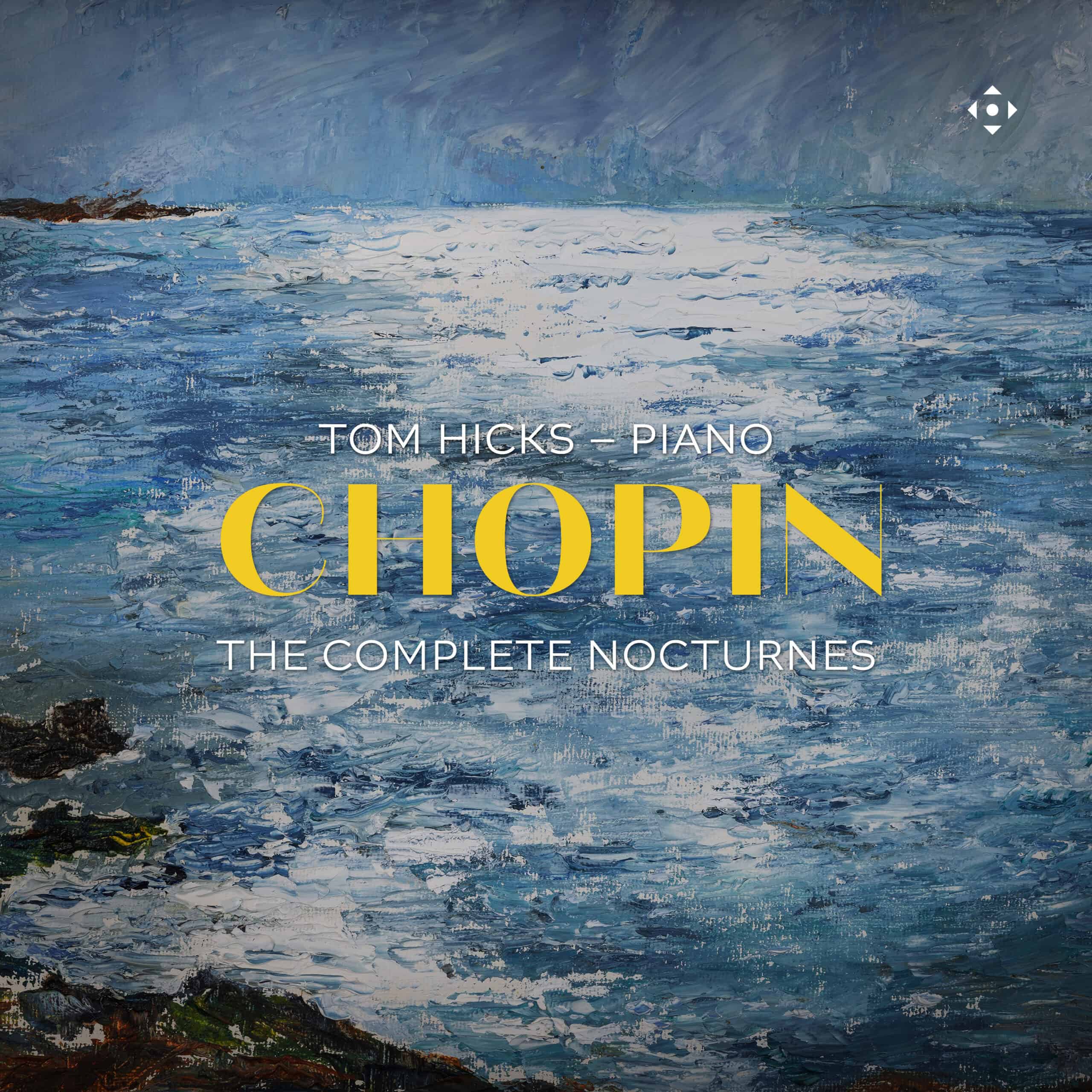
    Chopin’s 21 Nocturnes, often described as ‘songs of the night’, are among the most well-known and beautiful of Chopin’s short solo piano works.

    Divine Art is thrilled to present pianist Tom Hicks’ insightful new recording of these works which synthesizes his research into Chopin’s performance and composition practices with modern listeners’ expectations via a ‘stunning technical agility’ (American Record Guide). Dr Kim Sauberlich’s excellent liner notes delve deeper into this often-forgotten performance, teaching, and historical recording practice and, together with the 21 pieces on this album, pose fascinating questions about authenticity and interpretation.

    Chopin’s practice of sending manuscripts to publishers in multiple countries, while continuing to edit, led to multiple, authentic first editions which are not often heard in performance today, and even less in recordings. In this recording, Tom has tastefully incorporated some of these variants, alongside historically informed choices about tempo rubato and pedaling, to create a version of the Nocturnes that feels fresh, individual, and truly authentic. He has even included minor and occasional improvisations, paying homage to the composer’s multifaceted creative process, in which improvisation was central.

    Tom Hicks has said “All of this led me to see Chopin as a highly creative and spontaneous musician for whom the score is one representation of the work and for whom the score is only the starting point of an interpretation, not the end.”

    The album was recorded at night and the engineers have captured an intimacy of sound. The recording process relied upon minimal editing and longer ‘live’ takes to recreate the intimate feel of the salon where these pieces were most often heard.

    Guernsey-born pianist Tom Hicks has an expansive repertoire and has been praised for his “brilliantly evocative”(International Piano) and “gorgeously creative playing” (Fanfare). He has won many awards and competitions and has appeared at the Wigmore Hall in London, Bridgewater Hall in Manchester and many other venues throughout Europe and the United States. This new album follows his March 2022 albums centered around the Liszt and Ireland Piano Sonatas and Camden Reeves’ ‘Blue Sounds’.

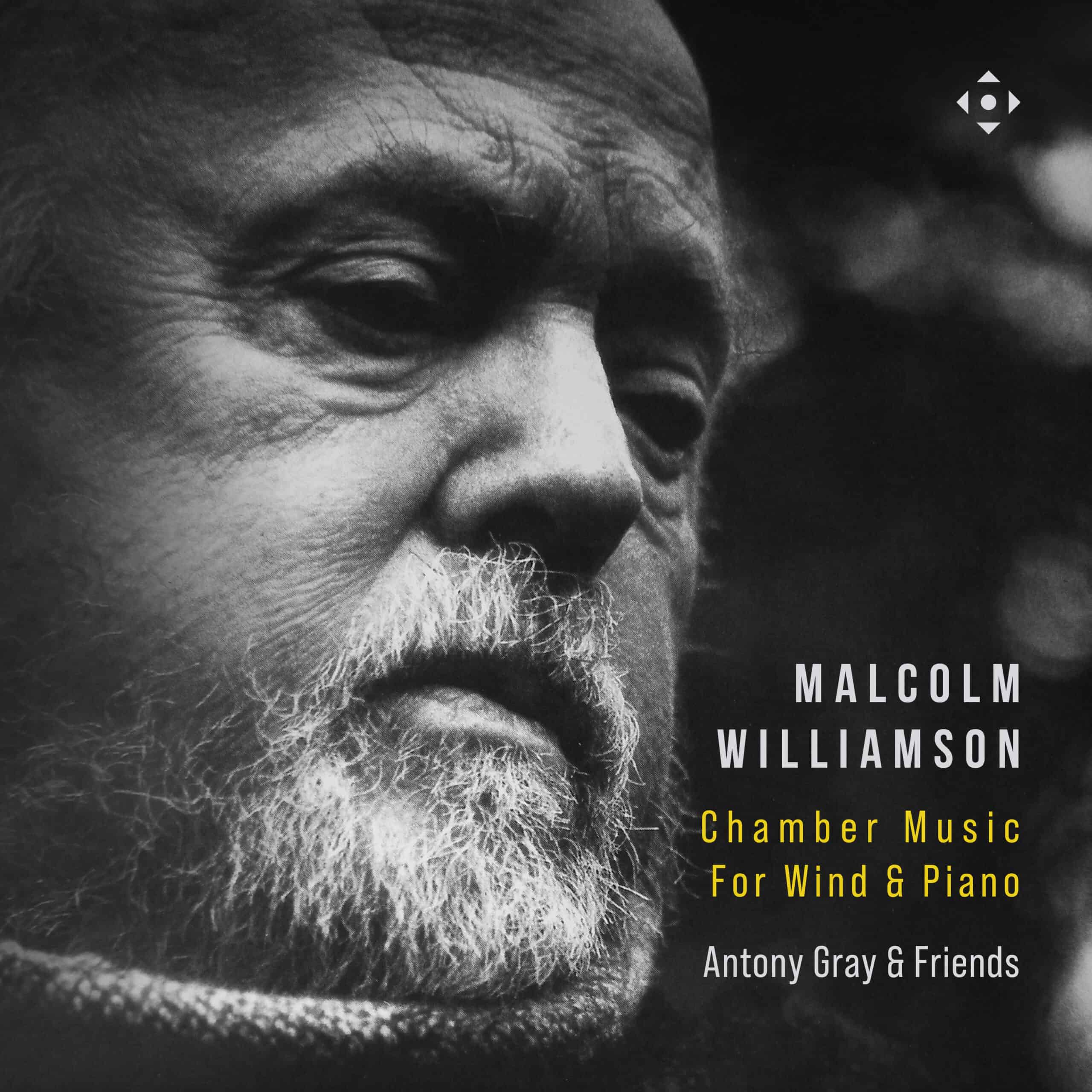
  • Malcolm Williamson: Chamber Music for Wind & Piano

    Malcolm Williamson: Chamber Music for Wind & Piano

    MALCOLM WILLIAMSON: The uncompromising and divisive Master of the Queen’s Music

    Once one of the most widely performed composers of his generation, Malcolm Williamson’s music has since fallen into obscurity. This new recording – featuring 16 world premieres — seeks to redress that balance, offering a fresh perspective on a composer whose work defied easy categorization.

    Williamson’s output ranged from bold serial explorations to tuneful lyricism, often within the same piece. His music was lauded for its ingenuity yet suffered from the composer’s refusal to conform to prevailing academic tastes. As Master of the Queen’s Music, he occupied a prestigious position but remained a divisive figure—uncompromising in his artistic voice and unpredictable in both temperament and style.

    Drawn from recently uncovered archives, this collection spans nearly five decades of Williamson’s career, from early student works to some of his final compositions. The album includes the Clarinet Trio (1958), a strikingly assured work praised for its “forthright tunefulness” and loose application of serial technique, and the Concerto for Wind Quintet and Two Pianos, Eight Hands (1966), an intricate, often densely chromatic score performed by an extraordinary ensemble of composer-pianists. Other highlights include the ballet-inspired Pas de Quatre (1967), the haunting Pietà (1973) for mezzo-soprano and ensemble—setting texts by Swedish poet Pär Lagerkvist—and the enigmatic Gallery (1966), a set of miniature pieces likely composed for an unknown television project.

    These performances, led by pianist and producer Antony Gray, bring Williamson’s music vividly to life, illuminating its rhythmic dynamism, harmonic inventiveness, and sheer expressive range. With the discovery of the Williamson archive in 2023, this recording marks an important step in reintroducing a composer whose legacy deserves reappraisal.