Label: Divine Art

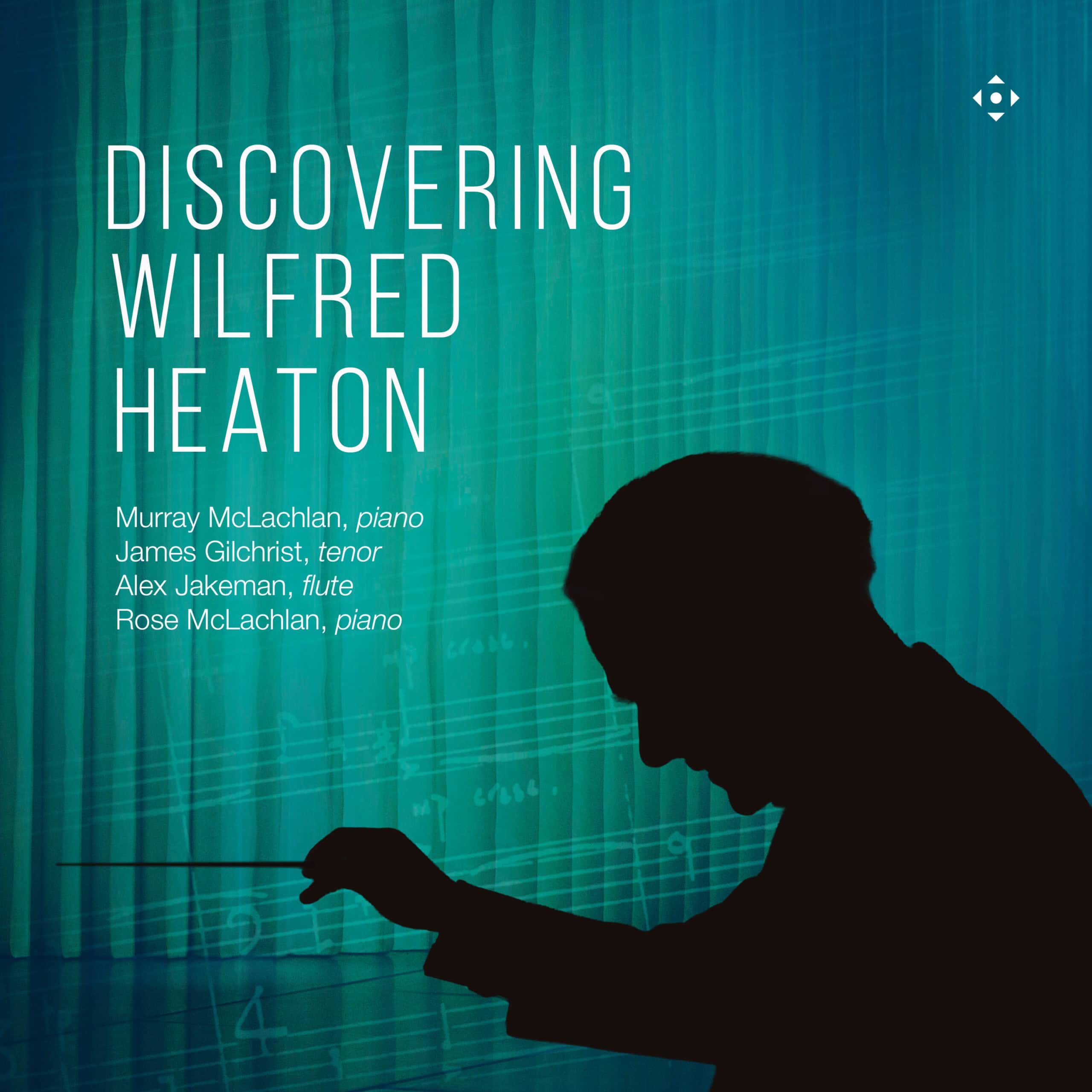
  • Discovering Wilfred Heaton

    Discovering Wilfred Heaton

    “Creative Outlet and Classical Conduit: The Importance of British Brass Band” by Paul Hindmarsh – Classical Music

    Discovering Wilfred Heaton: Premiere recordings of major instrumental works by a remarkable yet overlooked English composer.

    Wilfred Heaton (1918-2000) is a name well-revered in brass band circles, but nearly unknown in the wider world of classical music. Discovering Wilfred Heaton seeks to change that with no less than seven premiere recordings from pianists Murray McLachlan and Rose McLachlan, tenor James Gilchrist, clarinetist Linda Merrick, and flutist Alex Jakeman.

    The album is anchored by the first recording of Heaton’s monumental Piano Sonata, which was performed in 2024 to rapturous applause by Murray McLachlan at Manchester’s Stoller Hall. The Sonata, composed in the 1950s, is a work of striking ambition and depth. Harmonically daring, emotionally raw, and technically formidable, it stands comparison with the great mid-century sonatas of Bartók and Prokofiev. From the muscular counterpoint of its opening, through a grief-tinged slow movement and a dazzling finale, Heaton’s sonata reveals a powerful, individual voice—he was fearless in embracing big themes, bold melodies, and contemporary idioms.

    Also featured are first recordings of the Three Pieces for Piano (1954), and the poignant piano suite Pilgrim Reflections, adapted from Heaton’s mystery play Pilgrim’s Song. A selection of Heaton’s rarely-heard songs—written in his youth and again in later life—are performed here by the acclaimed tenor James Gilchrist, accompanied by Rose McLachlan. Together, these works illuminate Heaton’s stylistic evolution: his command of bitonality, rhythmic complexity, and melodic invention, rooted in a deep understanding of Bach and Brahms, and influenced by Walton, Hindemith, Bartok and Stravinsky.

    Heaton’s career was shaped by a lifelong tension between personal conviction and professional ambition. A deeply private Yorkshireman, he turned away from a mainstream musical path after early promise—studying with Mátyás Seiber and submitting works to the Society for the Promotion of New Music—choosing instead a life of teaching, reflection, and selective composition. The result is a body of work of exceptional quality, much of it unpublished or unheard until now.

    This album is not only a significant act of musical archaeology by Heaton’s biographer and editor Paul Hindmarsh – it is a compelling argument for Heaton’s inclusion among Britain’s most original post-war composers.

    Track highlights:
    • Piano Sonata (premiere recording) – Murray McLachlan,piano
    • Three Pieces for Piano (1954)
    • Pilgrim Reflections (suite for solo piano)

    For fans of: Bartók, Britten, Prokofiev, William Walton, Elisabeth Lutyens, early Tippett.

    An essential discovery for collectors, performers, and listeners drawn to British 20th-century repertoire beyond the usual names.
  • Palimpsest

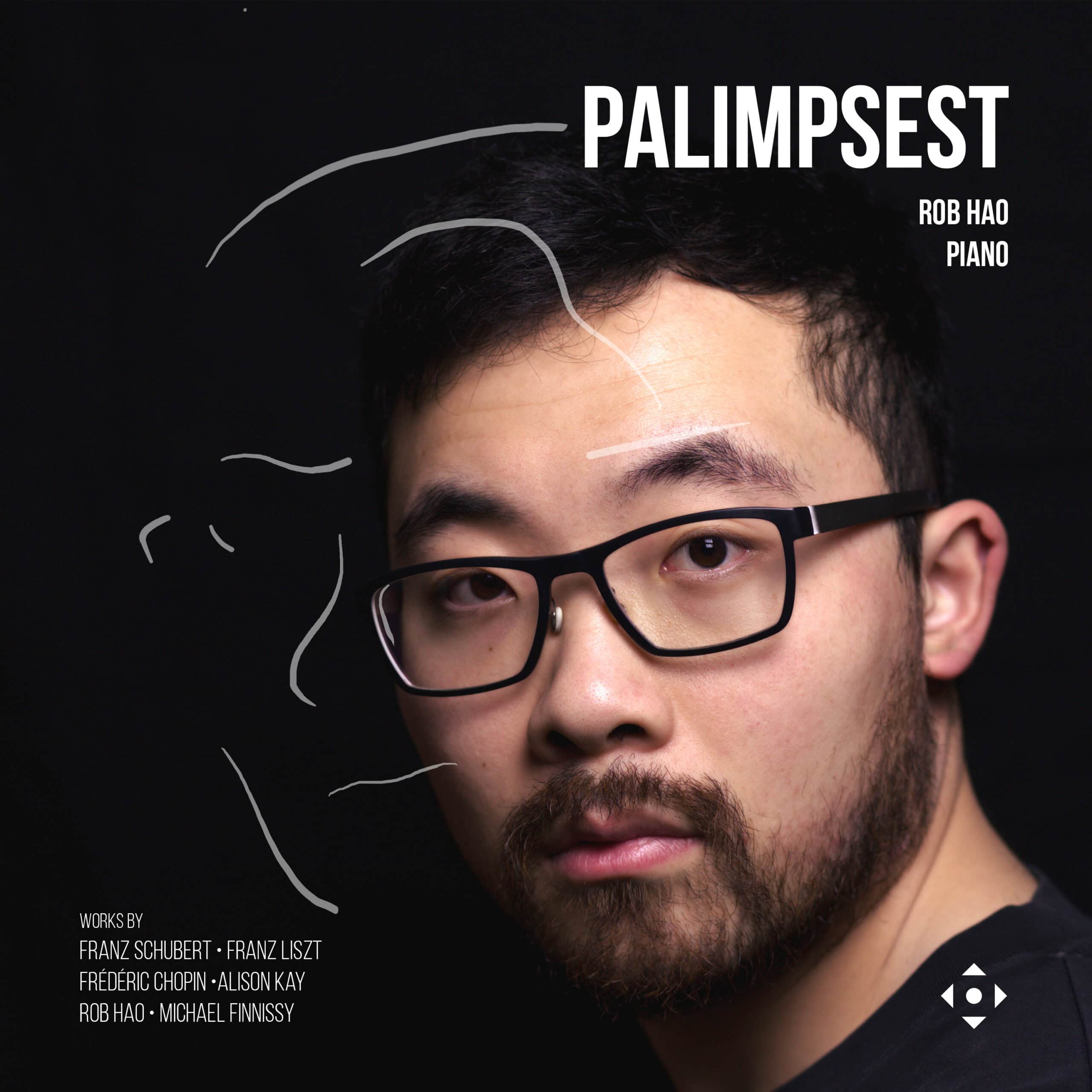
    Palimpsest

    Australian pianist Rob Hao makes a striking debut with an album that explores how music from different times and styles can interact and inspire new ideas. At the heart of the recording is the premiere of Palimpsest 571, Hao’s original work completing Franz Schubert’s unfinished Piano Sonata in F-sharp minor, D. 571. Rather than trying to imitate Schubert’s style exactly, Hao embraces the gap between past and present, creating a continuation that respects the mood and mystery of the original fragment while adding a fresh, modern voice.

    The album also features a set of piano etudes by British composer Alison Kay, whose minimalist and atmospheric pieces invite listeners to experience sound and silence in new ways. Alongside these contemporary works are carefully chosen pieces by Chopin, Schubert, Schubert-Liszt, and Michael Finnissy’s challenging English country-tunes.

    Chopin’s final nocturnes showcase his gift for blending long, flowing melodies with delicate harmonies, revealing the emotional depth he reached late in life. Schubert’s impromptu and Liszt’s piano transcription of Der Müller und der Bach bring vocal storytelling to the piano, highlighting the instrument’s expressive power.

    Finnissy’s English country-tunes is a powerful and intense piece that explores English folk traditions with virtuosic energy, moving between moments of lyricism and dramatic intensity. This mix of works demonstrates how composers and performers continue to build on musical traditions, layering new ideas over old, and keeping classical music vibrant and alive.

    This album offers a rich listening experience that invites reflection on how music evolves —shaped by both history and the creative present.

  • advena: liturgies for a broken world

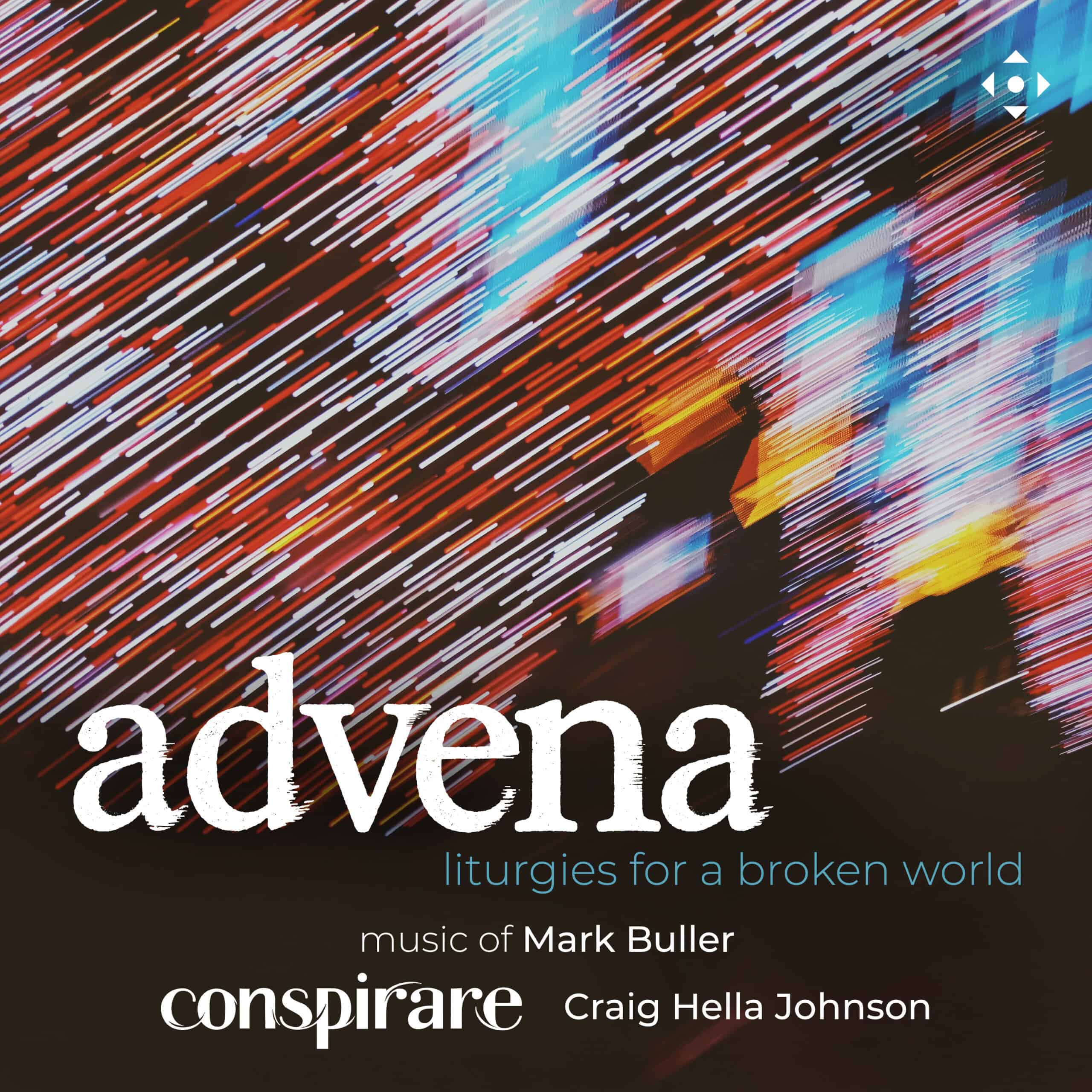
    advena: liturgies for a broken world

    2026 GRAMMY® Award Nominee: Best Choral Performance

    advena: liturgies for a broken world, featuring world premieres of choral music from composer Mark Buller performed by GRAMMY® Award-winning choir Conspirare and Artistic Director Craig Hella Johnson.

    Born of personal reckonings with inherited faith and culture, Mass in Exile and Requiem for the Light are liturgies shaped by the world of today. Composed by Mark Buller with librettist Leah Lax, these works reimagine these ancient forms with the immediacy our present moment demands. Composed by Mark Buller with librettist Leah Lax, these works reimagine ancient forms through the lens of our present moment. Buller’s vibrant musical language combines with mystical choral textures to create an emotional intensity that feels both intimate and urgent.

    These works are presented between two companion works — Introit: Fruit of Your Heart and Communion: A Questioning— with texts by British poet and librettist Euan Tait which offer chant-like settings that extend the project’s core themes, anchoring the whole in a wider human arc.

    Artistic Director and conductor Craig Hella Johnson is passionate about the power of Buller’s music in this moment, saying:

    “We find ourselves in a pivotal cultural moment—one that calls for expressions of beauty and truth, offered both for inspiration but also as acts of resistance. This collaborative art—Mark Buller’s music and the words of Leah Lax and Euan Tait—creates a space of welcome where we are reminded of our shared humanity, our urgent need for bold truth-telling, and our capacity to heal and grow.”

    Conspirare is at their finest in this music and singers Simon Barrad, Emily Yocum Black, and Michael Hawes can be heard in solo roles. Conspirare is joined by dynamic instrumental collaborators Patrice Calixte, Mariama Alcântara, Bruce Williams, Douglas Harvey, Jessica Valls, Marc Garvin, and Thomas Burritt.

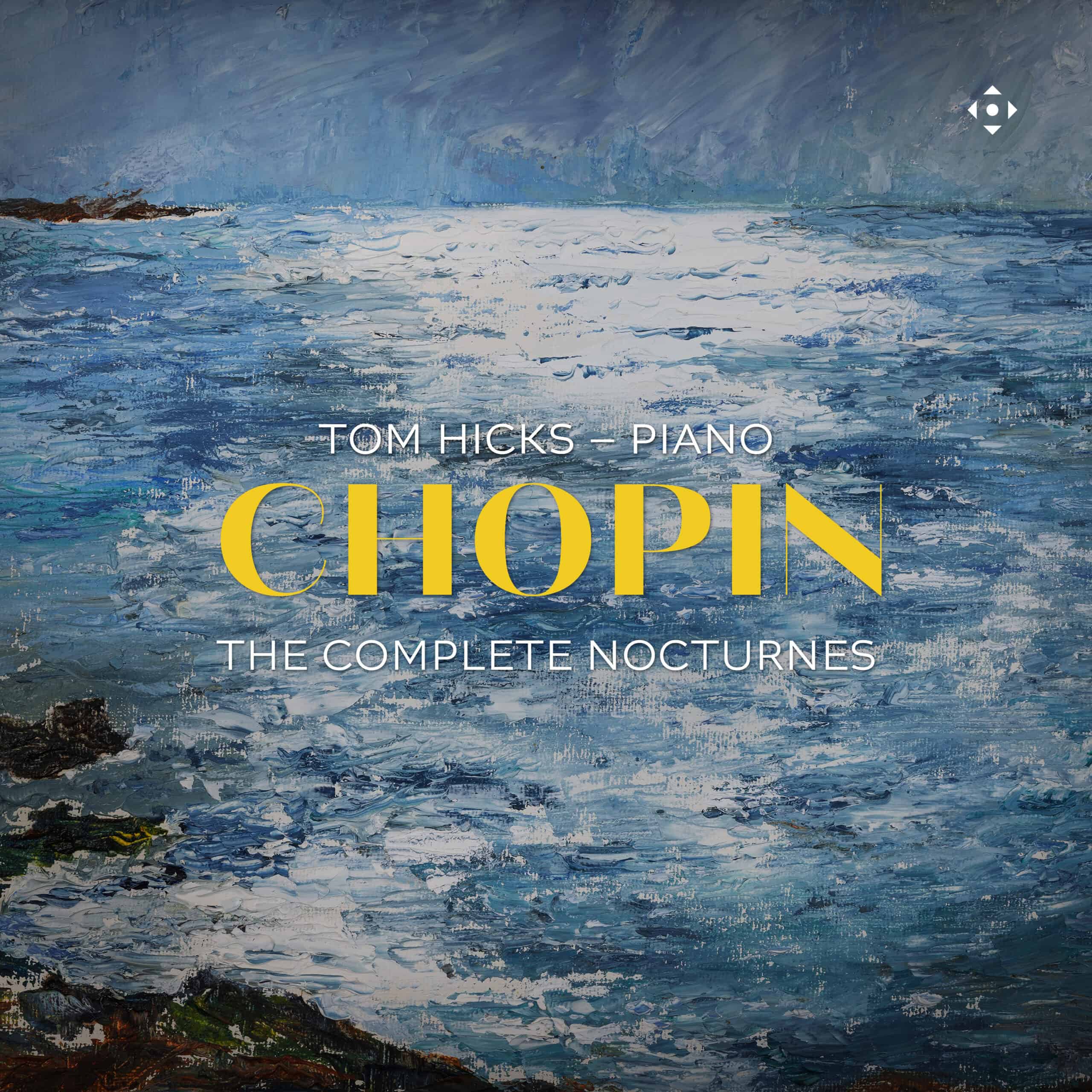
  • Chopin: The Complete Nocturnes

    Chopin: The Complete Nocturnes

    Chopin’s 21 Nocturnes, often described as ‘songs of the night’, are among the most well-known and beautiful of Chopin’s short solo piano works.

    Divine Art is thrilled to present pianist Tom Hicks’ insightful new recording of these works which synthesizes his research into Chopin’s performance and composition practices with modern listeners’ expectations via a ‘stunning technical agility’ (American Record Guide). Dr Kim Sauberlich’s excellent liner notes delve deeper into this often-forgotten performance, teaching, and historical recording practice and, together with the 21 pieces on this album, pose fascinating questions about authenticity and interpretation.

    Chopin’s practice of sending manuscripts to publishers in multiple countries, while continuing to edit, led to multiple, authentic first editions which are not often heard in performance today, and even less in recordings. In this recording, Tom has tastefully incorporated some of these variants, alongside historically informed choices about tempo rubato and pedaling, to create a version of the Nocturnes that feels fresh, individual, and truly authentic. He has even included minor and occasional improvisations, paying homage to the composer’s multifaceted creative process, in which improvisation was central.

    Tom Hicks has said “All of this led me to see Chopin as a highly creative and spontaneous musician for whom the score is one representation of the work and for whom the score is only the starting point of an interpretation, not the end.”

    The album was recorded at night and the engineers have captured an intimacy of sound. The recording process relied upon minimal editing and longer ‘live’ takes to recreate the intimate feel of the salon where these pieces were most often heard.

    Guernsey-born pianist Tom Hicks has an expansive repertoire and has been praised for his “brilliantly evocative”(International Piano) and “gorgeously creative playing” (Fanfare). He has won many awards and competitions and has appeared at the Wigmore Hall in London, Bridgewater Hall in Manchester and many other venues throughout Europe and the United States. This new album follows his March 2022 albums centered around the Liszt and Ireland Piano Sonatas and Camden Reeves’ ‘Blue Sounds’.

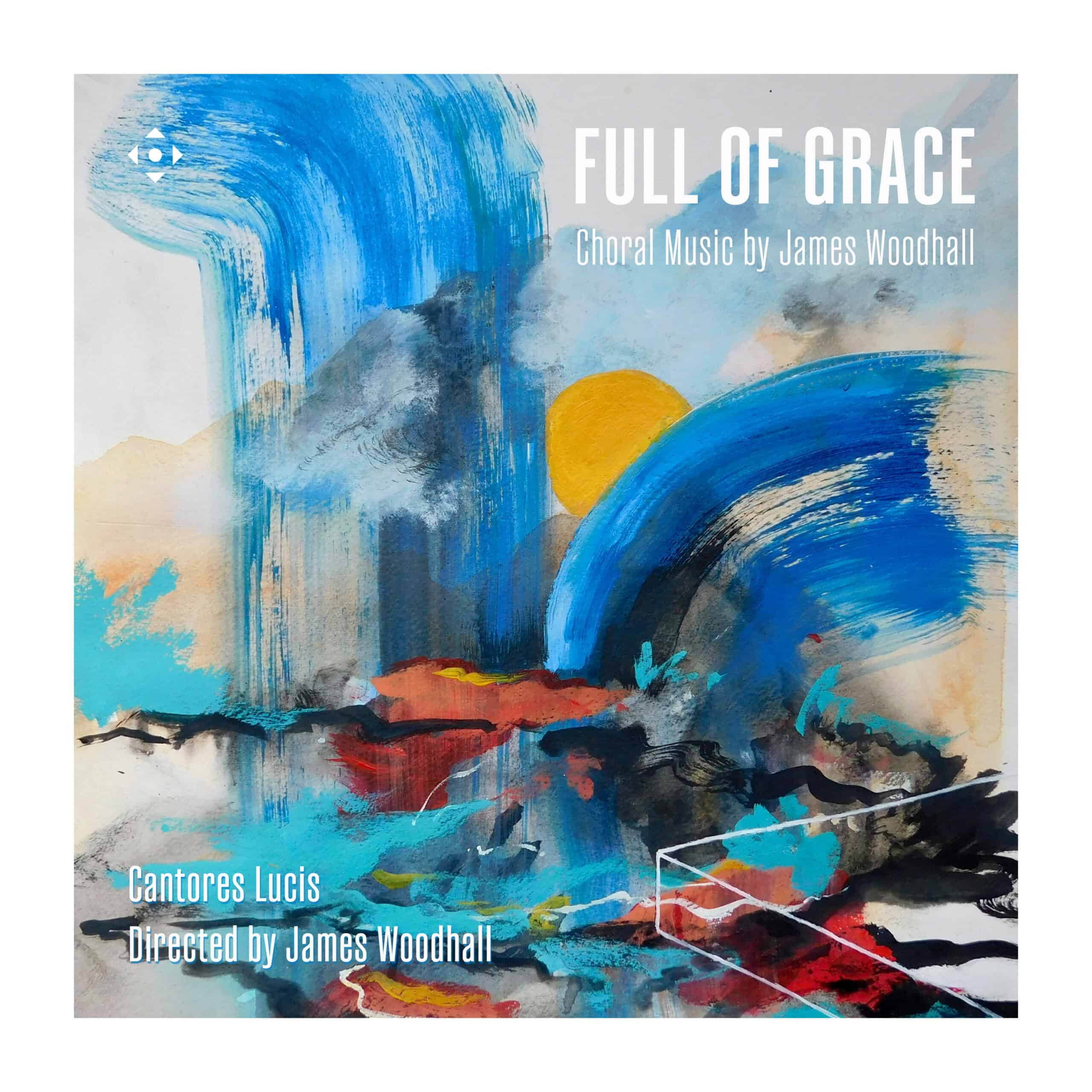
  • Full of Grace: Choral Music of James Woodhall

    Full of Grace: Choral Music of James Woodhall

    A new choral album of radiant melody and profound reflection

    Composer James Woodhall presents Full of Grace, a deeply expressive new choral album that moves between the intimate and the exultant. Drawing inspiration from sacred texts, ancient prayers, and moments of divine revelation, this collection weaves together contemporary choral writing with timeless spiritual themes.

    The album opens with the title track, Full of Grace, a lyrical meditation on the Angel Gabriel’s greeting to Mary and the incarnation. With warm harmonies and a memorable, flowing melody, the piece captures both the stillness and the awe of that encounter, while its vibrant central section echoes the heavenly proclamation to the shepherds.

    At the heart of the album lies The Damascus Sequence – an 11-movement cantata chronicling Saul’s dramatic conversion from persecutor to preacher, drawn closely from Acts 9. This narrative arc, from darkness to vision, turmoil to peace, is vividly painted in choral textures, duets, and solos. Tracks such as Murderous Threats, I am Jesus, and Saul Sees and is Saved reflect Woodhall’s gift for text-setting and storytelling through music, bringing ancient scripture to life with a keen sense of pacing and atmosphere.

    Later in the album, Woodhall returns to the Nativity in The Shepherds’ Carol, a haunting and intimate new text that juxtaposes pastoral imagery with celestial wonder. His setting of Ave Verum Corpus and Ave Maria offers fresh interpretations of these enduring texts, while the final track, Light from Light, closes the album with a vision of hope and illumination – a reflection on divine presence in the world.

    Rooted in the choral tradition yet unmistakably contemporary, Full of Grace is a compelling addition to the sacred repertoire. Its accessible yet distinctive language will resonate with listeners who appreciate the choral music of James MacMillan, John Tavener, and Morten Lauridsen.

    For broadcasters, curators, and critics, Full of Grace offers music that is both spiritually resonant and musically rewarding – ideal for sacred seasons, reflective programming, and those seeking new choral music that speaks with clarity and depth.

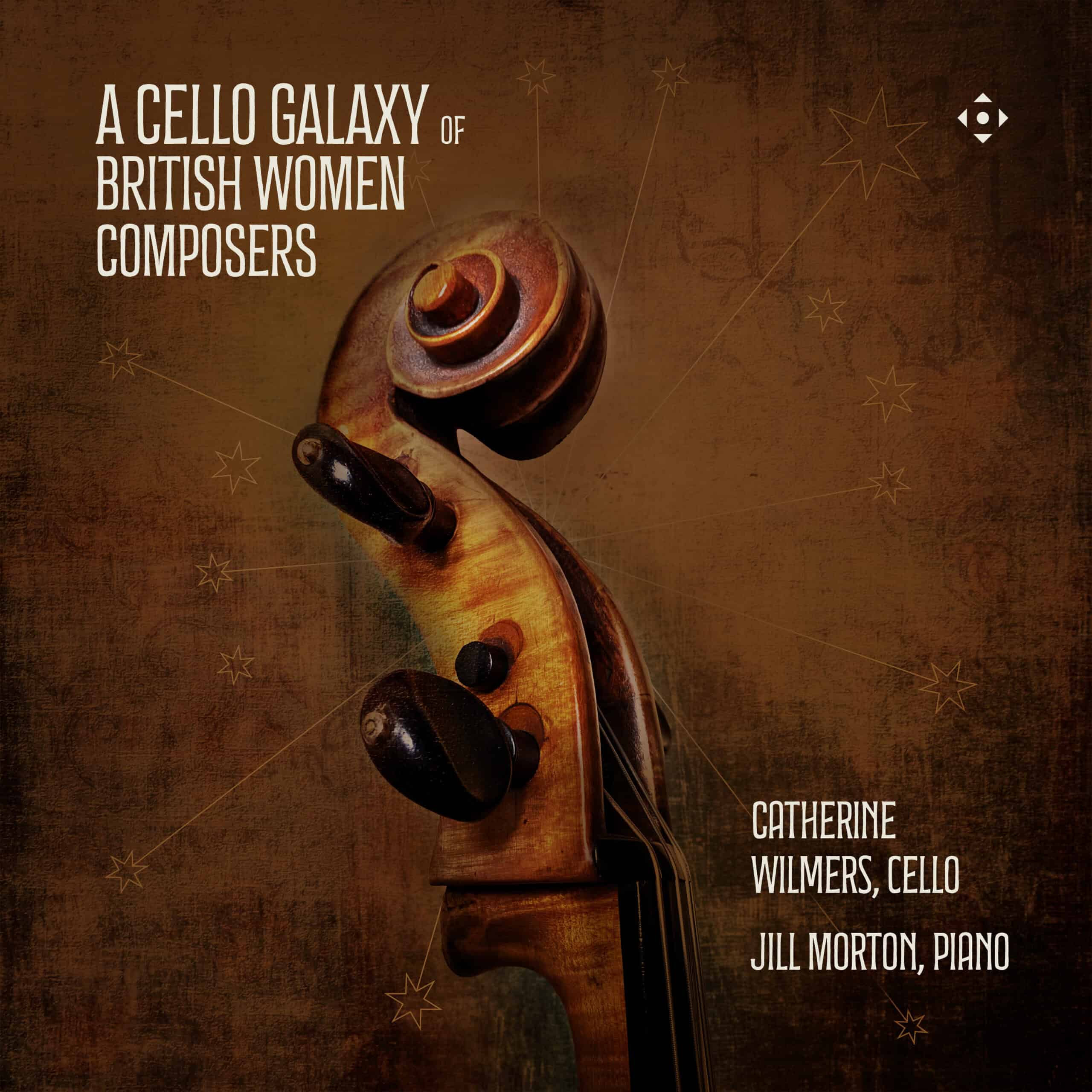
  • A Cello Galaxy of British Women Composers

    A Cello Galaxy of British Women Composers

    In A Cello Galaxy of British Women Composers, Catherine Wilmers brings to light an extraordinary collection of works by British women presenting us with twelve premiere recordings. Drawing on diligent research, Wilmers unearths strikingly original compositions presenting us with premiere recordings by Amy Elsie Horrocks, Ethel Barns, Elizabeth Poston, Joan Trimble, Dora Bright, Susan Spain Dunk, and Sarah Rodgers, whose Mountain Airs was written for the cellist. Some of these works lay forgotten in the archives of the Royal Academy of Music, their potential stifled by societal limitations rather than artistic merit.

    The album is more than a rediscovery—it is a testament to the resilience and artistry of these composers. The satisfyingly detailed liner notes reveal the challenges they faced, often in their own words or through the prejudices of their time. As late as the 1920s, the critic Cecil Gray echoed Dr Johnson’s notorious remark: “A woman’s composing is like a dog walking on its hind legs; it is not done well but you are surprised to see it done at all.” Such dismissals only fuel the need to champion these voices today.

    Wilmers’ deep connection to this repertoire is evident in every performance, matched sensitively by accompanying pianist, Jill Morton. A former cellist with the London Philharmonic Orchestra, Catherine Wilmers has long questioned why so few works by women have entered the standard repertoire. This album is part of her answer—a luminous and long-overdue celebration of their music, appealing to listeners attuned to the intellectual and emotional possibilities of modern chamber music.

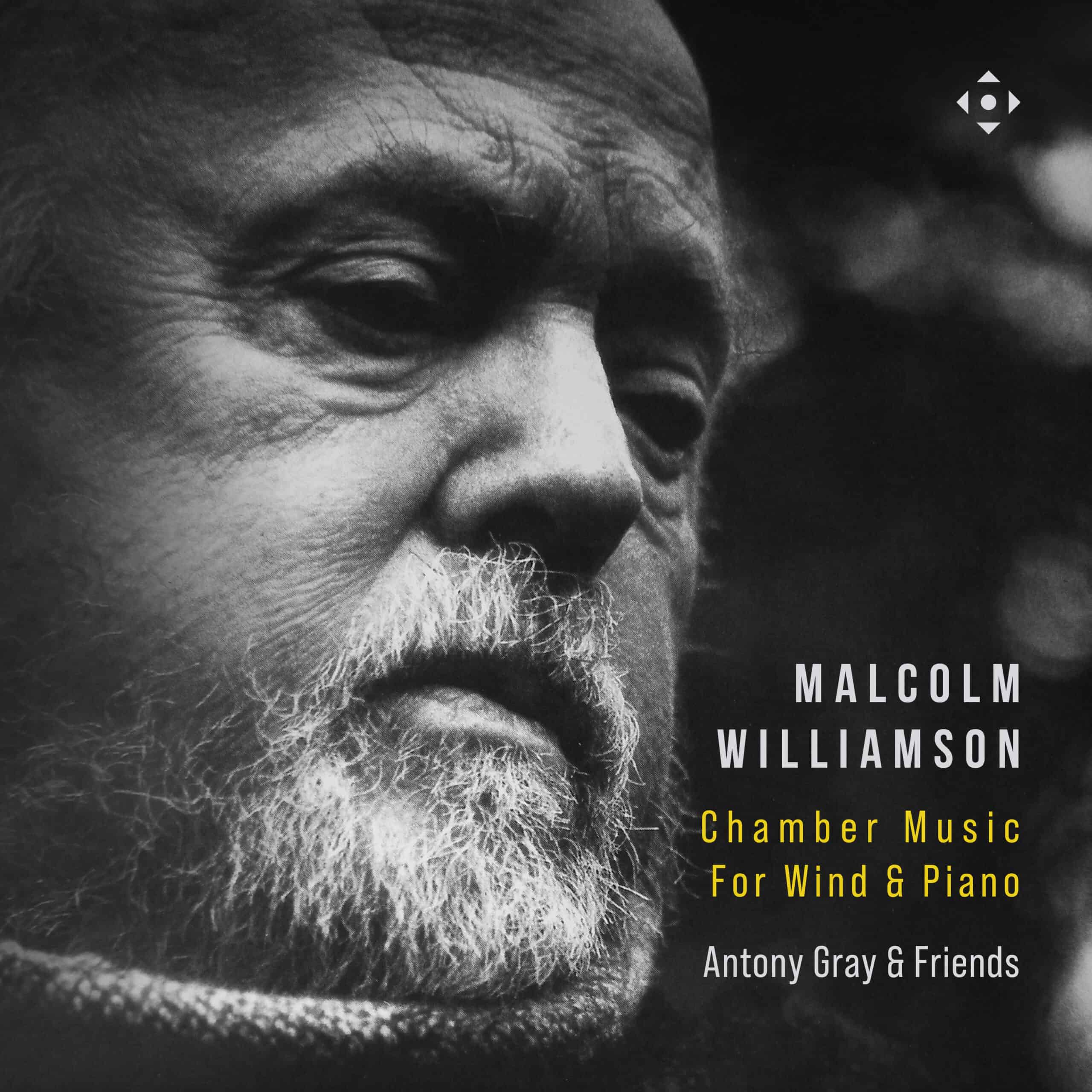
  • Malcolm Williamson: Chamber Music for Wind & Piano

    Malcolm Williamson: Chamber Music for Wind & Piano

    MALCOLM WILLIAMSON: The uncompromising and divisive Master of the Queen’s Music

    Once one of the most widely performed composers of his generation, Malcolm Williamson’s music has since fallen into obscurity. This new recording – featuring 16 world premieres — seeks to redress that balance, offering a fresh perspective on a composer whose work defied easy categorization.

    Williamson’s output ranged from bold serial explorations to tuneful lyricism, often within the same piece. His music was lauded for its ingenuity yet suffered from the composer’s refusal to conform to prevailing academic tastes. As Master of the Queen’s Music, he occupied a prestigious position but remained a divisive figure—uncompromising in his artistic voice and unpredictable in both temperament and style.

    Drawn from recently uncovered archives, this collection spans nearly five decades of Williamson’s career, from early student works to some of his final compositions. The album includes the Clarinet Trio (1958), a strikingly assured work praised for its “forthright tunefulness” and loose application of serial technique, and the Concerto for Wind Quintet and Two Pianos, Eight Hands (1966), an intricate, often densely chromatic score performed by an extraordinary ensemble of composer-pianists. Other highlights include the ballet-inspired Pas de Quatre (1967), the haunting Pietà (1973) for mezzo-soprano and ensemble—setting texts by Swedish poet Pär Lagerkvist—and the enigmatic Gallery (1966), a set of miniature pieces likely composed for an unknown television project.

    These performances, led by pianist and producer Antony Gray, bring Williamson’s music vividly to life, illuminating its rhythmic dynamism, harmonic inventiveness, and sheer expressive range. With the discovery of the Williamson archive in 2023, this recording marks an important step in reintroducing a composer whose legacy deserves reappraisal.

  • In the Mirror

    In the Mirror

    A Profound Tribute to Reflection and Resilience

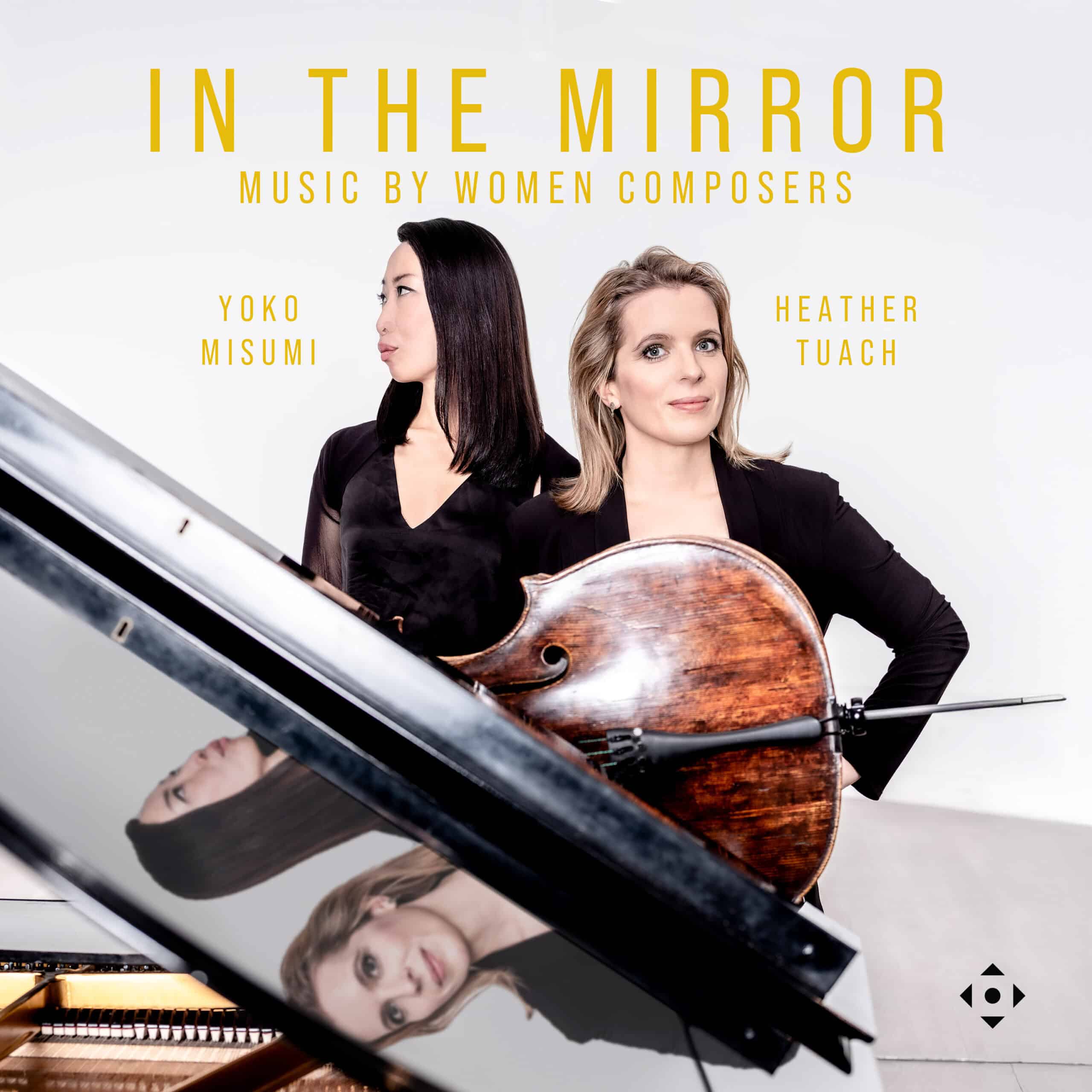
    In the Mirror is an exquisite collection of works by contemporary women composers, masterfully interpreted by cellist Heather Tuach and pianist Yoko Misumi, both members of the celebrated Greenwich Trio. This album is not just a recording—it is an emotional journey born of reflection, healing, and hope. The title piece, composed by Liz Dilnot Johnson, was commissioned specifically for this project, setting the tone for an album steeped in introspection and serenity.

    The repertoire features original works and new arrangements by renowned composers including Dobrinka Tabakova and Jessie Montgomery, whose contributions enhance the album’s contemplative spirit. Each piece carries its own story, from Jocelyn Morlock’s bird-inspired Halcyon to Jennifer Higdon’s nocturnal reverie Nocturne. These works are tied together by a shared exploration of human resilience and the quiet strength found in moments of introspection.

    The project began during the upheaval of the COVID-19 pandemic and became deeply personal for pianist Yoko Misumi, who underwent successful cancer treatment during its recording. Returning to the piano after her recovery, Misumi found solace and renewal in these compositions, describing the experience as “an emotional and musical healing.”

    Highlights include:

    • Liz Dilnot Johnson’s In the Mirror, a poignant four-movement work dedicated to personal loss and renewal.
    • Jessie Montgomery’s Peace, composed during the pandemic and adapted for cello and piano with the composer’s blessing.
    • Dobrinka Tabakova’s Whispered Lullaby, an evocative piece inspired by Goethe’s Faust.
    • Margaret Hubicki’s lyrical Lonely Mere, a tribute to the serene landscapes of the Malvern Hills.

    The album is both a celebration of female creativity and a testament to music’s power to comfort and inspire. Listening to  In the Mirror is an opportunity to pause, reflect and take in moments of profound calm amidst life’s turbulence.

    This is a must for admirers of contemporary chamber music, fans of women composers, and anyone seeking solace and beauty in music


  • Anatoly Alexandrov: Complete Piano Sonatas

    Anatoly Alexandrov: Complete Piano Sonatas

    For the first time, all fourteen piano sonatas by the enigmatic Soviet composer Anatoly Alexandrov (1888–1982) are brought together in a single recording. Known for his richly lyrical style, Alexandrov’s music resonates with the spirit of his contemporaries Nikolai Medtner and Sergei Rachmaninov while charting a distinctive artistic path.

    A prolific composer of solo piano and vocal works, Alexandrov’s œuvre has remained on the periphery of the repertoire, cherished by pianophiles but largely overlooked by broader audiences. His sonatas, written over the course of six decades, reflect a fascinating stylistic evolution shaped by the sweeping socio-political transformations of the 20th century.

    This landmark recording sheds new light on Alexandrov’s place within Soviet music, offering a nuanced perspective that reaches beyond the familiar giants of Prokofiev and Shostakovich. It is both a celebration of Alexandrov’s artistry and an invitation to explore the depth and complexity of a musical legacy ripe for rediscovery.

    Through this ambitious project, pianist Clarisse Teo offers an eloquent and compelling case for Alexandrov’s sonatas as essential listening for lovers of 20th-century music, revealing a forgotten corner of the piano repertoire that brims with emotional depth and historical resonance.

    Singaporean pianist Clarisse Teo is renowned for her bold exploration of lesser-known and contemporary repertoire, earning praise for her “confidently eclectic tastes” (The Straits Times, 2022). Her international career spans solo and chamber performances, including a featured appearance on the acclaimed album Rarities of Piano Music at ‘Schloss vor Husum’ from the 2019 Festival (Danacord Records). Trained in piano, violin, and viola, she holds multiple distinctions, including the FRSM in piano, and completed her Master of Music at the Royal Conservatoire of Scotland on a partial scholarship.

    Clarisse’s groundbreaking Doctor of Performing Arts degree from the University of St Andrews, supported by the Royal Conservatoire of Scotland Trust and Trailblazer Foundation Ltd (Singapore), focused on the fourteen piano sonatas of Soviet composer Anatoly Alexandrov. Passionate about reshaping the classical canon, she brings fresh insight and vibrant artistry to the stage, redefining what it means to champion overlooked music.

  • Dualities

    Dualities

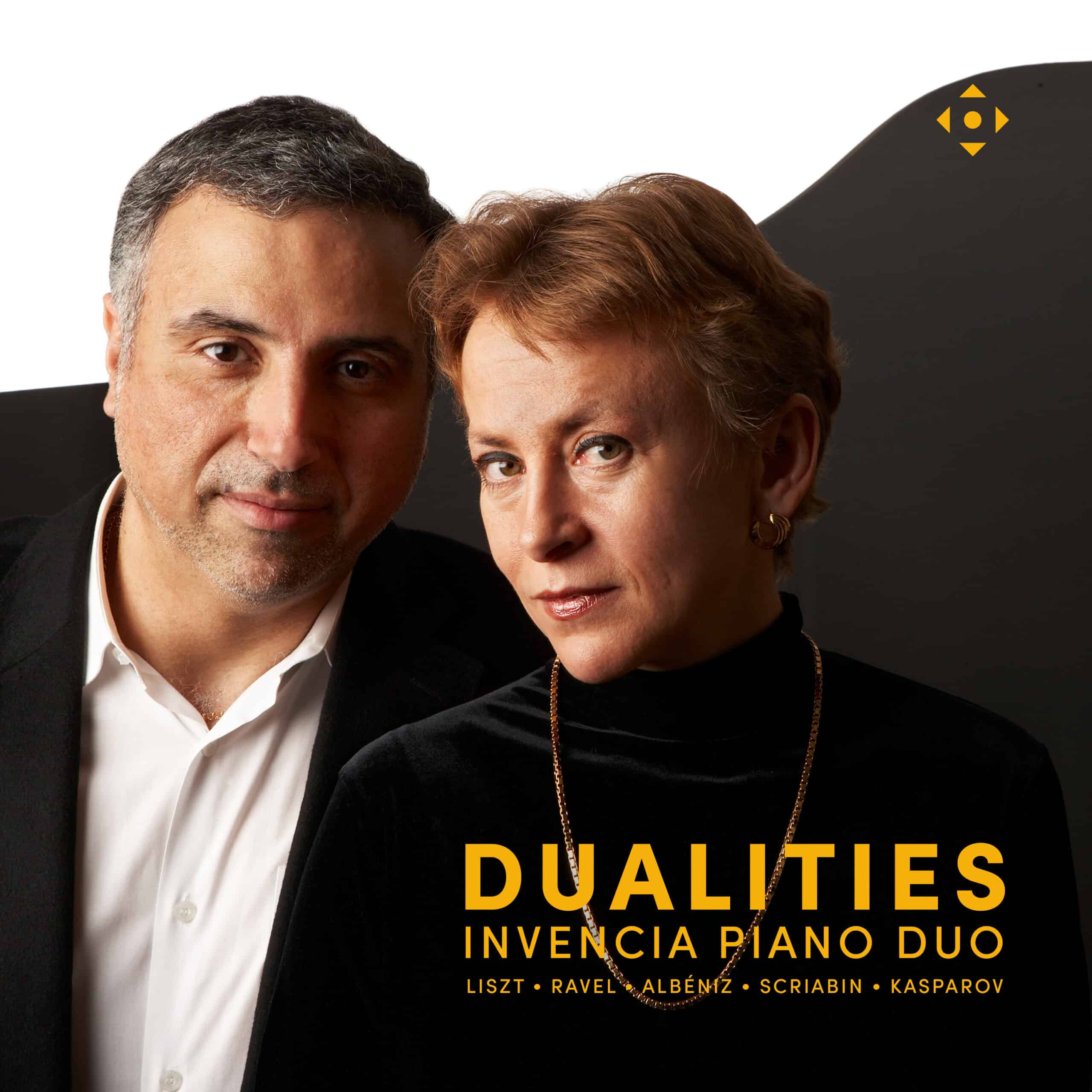
    The critically acclaimed Invencia Piano Duo make their Divine Art debut with Dualities, a dazzling album that expands the possibilities of the piano duet and duo repertoire. Drawing on their virtuosity and innovative spirit, the duo explores works that transcend the boundaries of traditional solo piano, delivering arrangements that demand the synergy of four hands.

    Highlights of the album include Andrey Kasparov’s stunning arrangements of Liszt’s Totentanz, Ravel’s La valse, Scriabin’s Vers la flamme, and Albéniz’s Triana. These beloved solo pieces are reimagined with breathtaking scope and texture, demonstrating the Invencia Piano Duo’s interpretive depth.

    The album also features two original compositions by Kasparov: Fantasy on Lutheran Chorales and Cadenza for LvB. These works showcase the duo’s mastery of both performance and composition, taking full advantage of the dynamic and expressive potential of four-hand piano playing.

    Founded by Andrey Kasparov and Oksana Lutsyshyn, the Invencia Piano Duo bring a wealth of experience and accolades to their performances. Educated at the Moscow State Conservatory and later at Indiana University’s School of Music, the duo has won international recognition for their compelling interpretations and bold programming. Both artists are esteemed faculty members at Old Dominion University in Virginia and serve as artistic co-directors of the Norfolk Chamber Consort.

    Their individual achievements are equally impressive. Lutsyshyn, a prizewinner at the William Kapell International Piano Competition, made her Carnegie Hall debut following her success. Kasparov, winner of the Albert Roussel Prize, has premiered significant works such as Bartók’s revised Piano Concerto No. 3 and earned recognition as a composer of published and recorded works. The Invencia Piano Duo’s discography includes a celebrated four-volume series of Florent Schmitt’s piano duet works on Grand Piano Records, as well as albums for Albany and Naxos. With Dualities, they continue to push artistic boundaries, presenting an arresting collection that redefines the piano duo repertoire.

    This album is an essential addition for lovers of virtuosic piano music, blending brilliance, originality, and deep musicality in a singular listening experience.

  • Ian Stephens: Chamber Music

    Ian Stephens: Chamber Music

    In this thoughtful collection of chamber music, Ian Stephens’ work reveals a rare balance of melodic clarity and inventive disruption, qualities that have drawn artists like Cate Le Bon, Ian Broudie, and OMD to his arranging talents. Here, Stephens’ signature rhythmic vigour, theatrical subtlety, and knack for weaving unexpected moments define each piece, creating a body of work that intrigues as much as it soothes.

    Celtic Elegy for clarinet and cello sets the tone with a gentle homage to Celtic traditions. Initially inspired by the Irish air She Moved Through the Fair, the piece unfolds its own melody through understated layers, mirroring the drones and ornamentation of Scottish bagpipes. This composition showcases Stephens’ sensitivity to the soul of folk music while remaining efficient in form.

    Springhead Echoes and the Clarinet Quintet, two works linked by memory and place, extend Stephens’ nuanced approach to melody and rhythm. Commissioned in memory of Rosalind and Brian Richards, they explore themes rooted in friendship and place. Springhead Echoes for string quartet channels Brahms with themes that emerge in delicate counterpoint, invoking the charm of Rosalind’s lifelong connection to her home in Dorset. Meanwhile, the Clarinet Quintet subtly references Beethoven’s opera Fidelio, blending nostalgic elements with Stephens’ penchant for inventive structure.

    In North Country for string quartet, Stephens deftly reinterprets the folk tune The Oak and the Ash, transforming it across three movements: Lilting, Heartfelt, and With Abandon. The tune surfaces and recedes, guiding listeners through a series of evolving textures. From the reflective openness of the first movement to the vibrant, Latin-inspired rhythms of the finale, Stephens showcases his ability to shift seamlessly between tradition and innovation.

    Finally, the Oboe Quintet offers a poignant tribute to two amateur musicians of the Liverpool music scene. Here, Stephens emphasizes the oboe’s natural expressiveness through long phrases and joyful rhythmic interjections, balancing lyrical intimacy with structured dance-like sequences. The Passacaglia, inspired by Bach, builds through symmetrical chords and shifting time signatures, adding depth to the piece’s intricate framework.

    These chamber works not only illustrate Ian Stephens’ gift for melody and recontextualization but also his acute attention to instrumental character. Each piece encourages reflection, embodying both the intellect and spontaneity that mark Stephens as a contemporary voice with a profound respect for musical lineage.

    Ian Stephens, composer:

    Raised in Devon as a cellist and singer, Stephens studied at the University of Bristol and later worked with the Royal Liverpool Philharmonic Orchestra. He now teaches at Chetham’s School of Music in Manchester. His works, including Ella’s Big Chance: A Jazz Age Cinderella and Pinocchio, demonstrate his skill in elevating melody with strong rhythmic profiles and theatrical clarity. His Celtic Elegy showcases his ability to blend soul and efficiency, earning him work as an arranger for artists like Cate Le Bon and Ian Broudie.

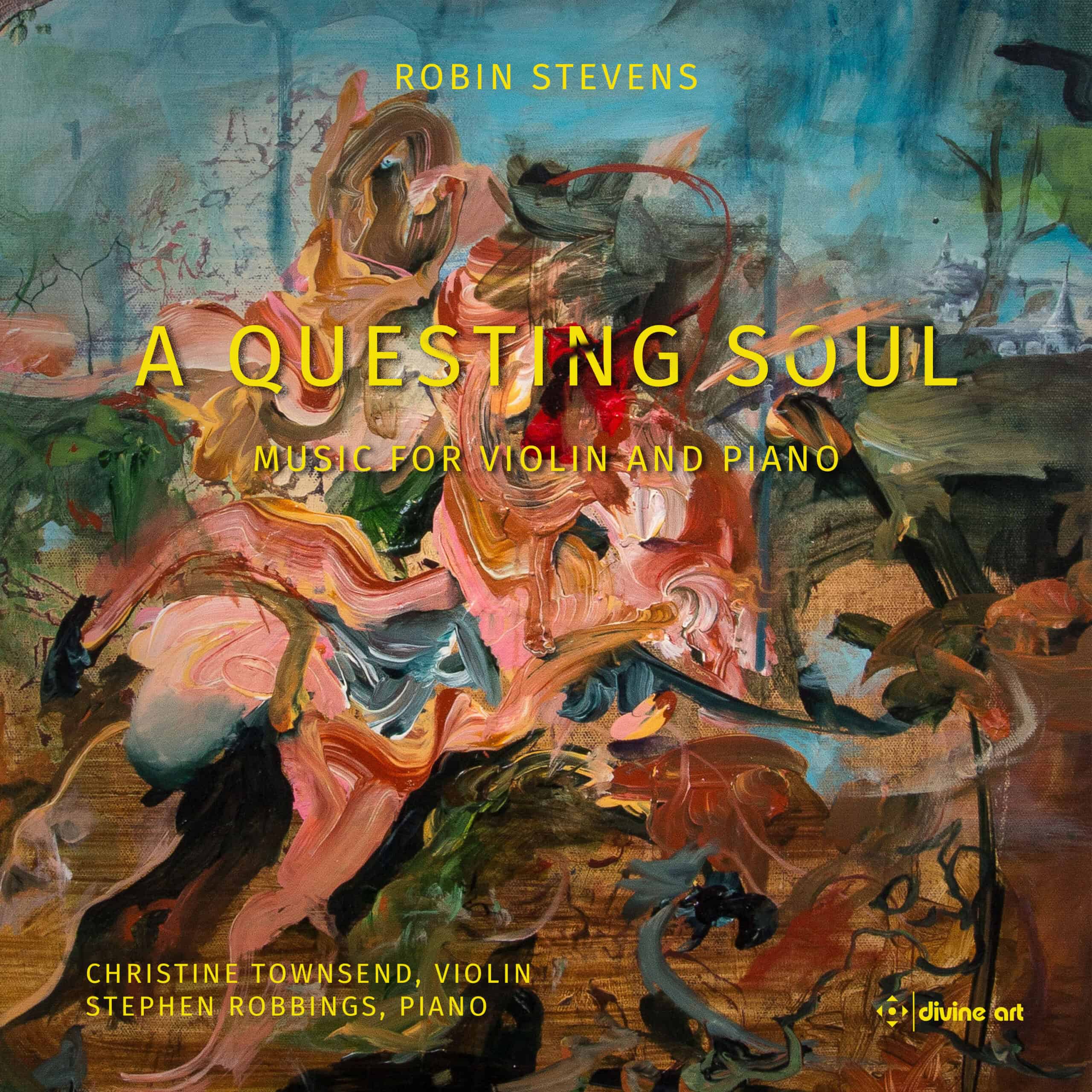
  • Robin Stevens: A Questing Soul

    Robin Stevens: A Questing Soul

    American Record Guide 2025 Critic’s Choice

    Robin Stevens’ A Questing Soul, his fifth album with Divine Art, offers a compelling portrait of a composer whose work has evolved over nearly three decades. This collection spans a broad stylistic spectrum, charting Stevens’ progression from the lush Late Romanticism of his early works to the more dissonant and experimental idioms of his later compositions. Throughout, Stevens balances technical innovation with an underlying sense of lyricism, humour, and tonal clarity, making this album a rich listening experience for those who appreciate the depth and variety of contemporary chamber music.

    The two most substantial works on the album—Fantasy Sonata and Sonata Tempesta—were composed during Stevens’ late twenties and represent key milestones in his early output. The Fantasy Sonata, written for violinist Christine Townsend and pianist Stephen Robbings, presents an intensely focused sound world built around the octatonic scale. Its single-movement structure moves from a soulful, lamenting introduction to more turbulent, faster sections, culminating in a joyfully intense peroration. Sonata Tempesta, in contrast, is a large-scale, four-movement work whose expansive form allows Stevens to weave together moments of lyrical beauty and stormy intensity. Both pieces showcase Stevens’ ability to combine complexity and accessibility, creating compositions that are intellectually stimulating yet emotionally resonant.

    The album also includes a number of shorter works, or “miniatures,” which offer Stevens the opportunity to explore new compositional ideas on a smaller scale. Pieces like Stratospheric! for solo violin and Toccata for solo piano demonstrate his flair for virtuosity and dynamic contrasts, while others, such as Cri de Coeur, evoke more contemplative, intimate soundscapes. These miniatures are fascinating in their own right, offering a glimpse into the composer’s more experimental tendencies.

    One of the album’s more unusual works, Scherzo in Blue, brings jazz influences into Stevens’ instrumental music—a rarity in his oeuvre. The piece is infused with “blue notes” and jazzy piano chords, creating a playful yet sophisticated contrast to the more classical structures found elsewhere on the album.

    The title track, A Questing Soul, reflects the essence of the album: a compact tone poem for solo piano that alternates between dreamy lyricism and muscular, assertive themes. The piece encapsulates Stevens’ ability to juxtapose contrasting musical ideas, leaving listeners with as many questions as answers—an approach that defines much of his work.

    With its blend of large-scale sonatas, experimental miniatures, and the intriguing title track, A Questing Soul offers a comprehensive view of Robin Stevens’ compositional range. This album will appeal to those with an interest in the intersections of modernism, Romanticism, and contemporary chamber music.