Period: 20th Century

  • Poulenc: Music for Two Pianos

    Poulenc: Music for Two Pianos

    In June 2026 Divine Art is delighted to present Francis Poulenc: Music for Two Pianos performed by pianists Antony Gray and Rob Hao. Among the highlights of this superb new release are the first commercial audio recording of Antony Gray’s own transcription for two pianos of Poulenc’s score from the film Voyage en Amerique, the first recording of Poulenc’s two piano reduction of the Concert Champetre, plus the recently discovered Valse de musique de soie.

    A superb pianist as well as a composer, Poulenc’s works for piano are without exception charming, delightful and gratifyingly written. However, most of his piano music comes from the early part of his career, as Poulenc destroyed many of his later works, including a number for four hands/two pianos. The two-piano works on this album represent those later periods when he was at the height of his powers. The first comes from his delightful score, which was sadly lost, for the 1951 film about a couple from rural France on their first ever flight, Voyage en Amerique. Antony Gray tracked down a copy of the soundtrack, which was scored for two pianos, and transcribed it himself, realising this was the only way of recovering the score, and presents it here with Rob Hao in its first commercial standalone recording. To complete the transcription of the soundtrack, Gray also includes the song, Adieu Maison, with soprano Helen Miles, and a Valse, in which the two pianos are joined by an accordion, performed by Alise Silina. Gray and Hao also present a later version of this work entitled Embarquement pour Cythere, scored only for two pianos.

    The Sonata for two pianos, arguably Poulenc’s finest keyboard work, is emotionally dark and looks forward to the tenderness and anguish of the Dialogues des Carmelites. Very few works in the piano duo repertoire match this sonata in power and emotional force —aggressive dissonance is contrasted with passages of achingly beautiful material. One of his final keyboard works is the deeply emotional Elegie in which as with all Poulenc’s music for two pianos, the material throughout is passed equally between the two instruments. The Concert Champetre, originally written as a concerto for harpsichord and orchestra, was reworked for two pianos, and despite missing the rich orchestral palette it’s a strong work in its own right, and is given its first recording here.

    Poulenc’s other works for two pianos will be made available as bonus digital-only tracks accompanying the album. The first will feature Sonate pour piano á 4 mains, written in 1918 when Poulenc was only 19 years old. It was influenced by Satie and Stravinsky, as well as Chabrier, yet is already stylistically unique and a real achievement for such a young composer. The Capriccio for two pianos is a transcription by Poulenc of the Finale of his cantata Le Bal Masqué, with hilarious and surreal music, befitting the cantata text by Max Jacob. The album will be completed by the Valse de musique de soie for solo piano, performed by Antony Gray, a work only recently rediscovered in 2017.

    Antony Gray and Rob Hao, both pianists and composers, are from Australia. Antony Gray has long been regarded as one of the most interesting and communicative performers of his generation with many solo and chamber music performances around the world and many pieces written for and premiered by him. His recordings for Divine Art have included music by Malcolm Williamson, John Carmichael, and an acclaimed set of Saint-Saëns piano music. Rob Hao’s compositions and performances have taken him across Australia, the UK and continental Europe, and he has given regional and world premieres of over thirty works in both ensemble and solo settings. His debut solo recording ‘Palimpsest’ for Divine Art explores how music and styles from different times interact and inspire new ideas.
  • A Spotless Rose

    A Spotless Rose

    On 10 April 2026, Divine Art presents A Spotless Rose, a thrilling collection of choral works by leading contemporary British composers including James MacMillan, Jonathan Dove, John Rutter, Kerry Andrew and more, from the award-winning vocal ensemble The Purcell Singers, conducted by Jonathan Schranz & Mark Ford.

    This digital only album takes listeners through a journey of themes of arrival and the sea, with Christmas themed texts and poems, Marian hymns and folksong. A Spotless Rose culminates in the premiere recording of John Rutter’s Three Shakespeare Songs. The work is dedicated to the Purcell Singers and conductor Mark Ford, an acknowledgement of Rutter’s long and fruitful relationship with the ensemble, and issued to celebrate the composer’s recent 80th birthday, completing a rich and rewarding album.

    The title track is Paul Mealor’s setting of the 14th century Christmas text A Spotless Rose, the emotional heart of his madrigal cycle ‘Now sleeps the crimson petal‘, a meditation on the mystery of the Incarnation, in which the metaphorical rose unfurls with gradually building textures and a staggering range of tessitura. Will Todd’s carol My Lord has Come, from his own poem, is a favourite amongst choirs and audiences alike. At the climax of the piece, ‘his love will hold me’ bursts out of the preceding tranquillity. Jonathan Dove’s The Three Kings is a true modern classic, with text by Dorothy L Sayers, telling the story of the magi.

    In the eight-part Ave Maria by award-winning composer Sarah Cattley, upper and lower voices are frequently treated as two separate choirs, combining for added harmonic tension at key moments; Sir James MacMillan’s setting of the medieval Marian hymn Ave Maris Stella is in just four parts, harmonising a strikingly simple soprano melody in increasingly inventive ways. In a contemporary contrast Kerry Andrew’s atmospheric setting of the folksong All things are quite silent was originally written to perform using a loop station music device, gradually layering the sounds of the sea with fragments of a tune they found in an old book of English folksongs about a girl who loses her love to the sea.

    Sir John Rutter’s Three Shakespeare Songs draw inspiration from settings by Finzi and Vaughan Williams. O mistress mine takes the form of a jazz waltz, Be not afeard uses expansive harmony and deep textures to create a mysterious aural landscape and Sigh no more, ladies brings the set to a cheerfully energetic conclusion.

    One of London’s leading chamber choirs, The Purcell Singers, formed in 1994 by conductor Mark Ford, has performed extensively in the UK and internationally. The group has a wide repertoire, ranging from Gibbons to Tavener, via Bach, Howells, Poulenc, Barber and Britten, and has developed a particular reputation for championing unusual late romantic works, notably those of the German composer Georg Schumann. The Purcell Singers are also active in session work, and have recorded several discs for film and television.

  • Cocteau

    Cocteau

    Isabelle O’Connell – Meet the Artist Interview

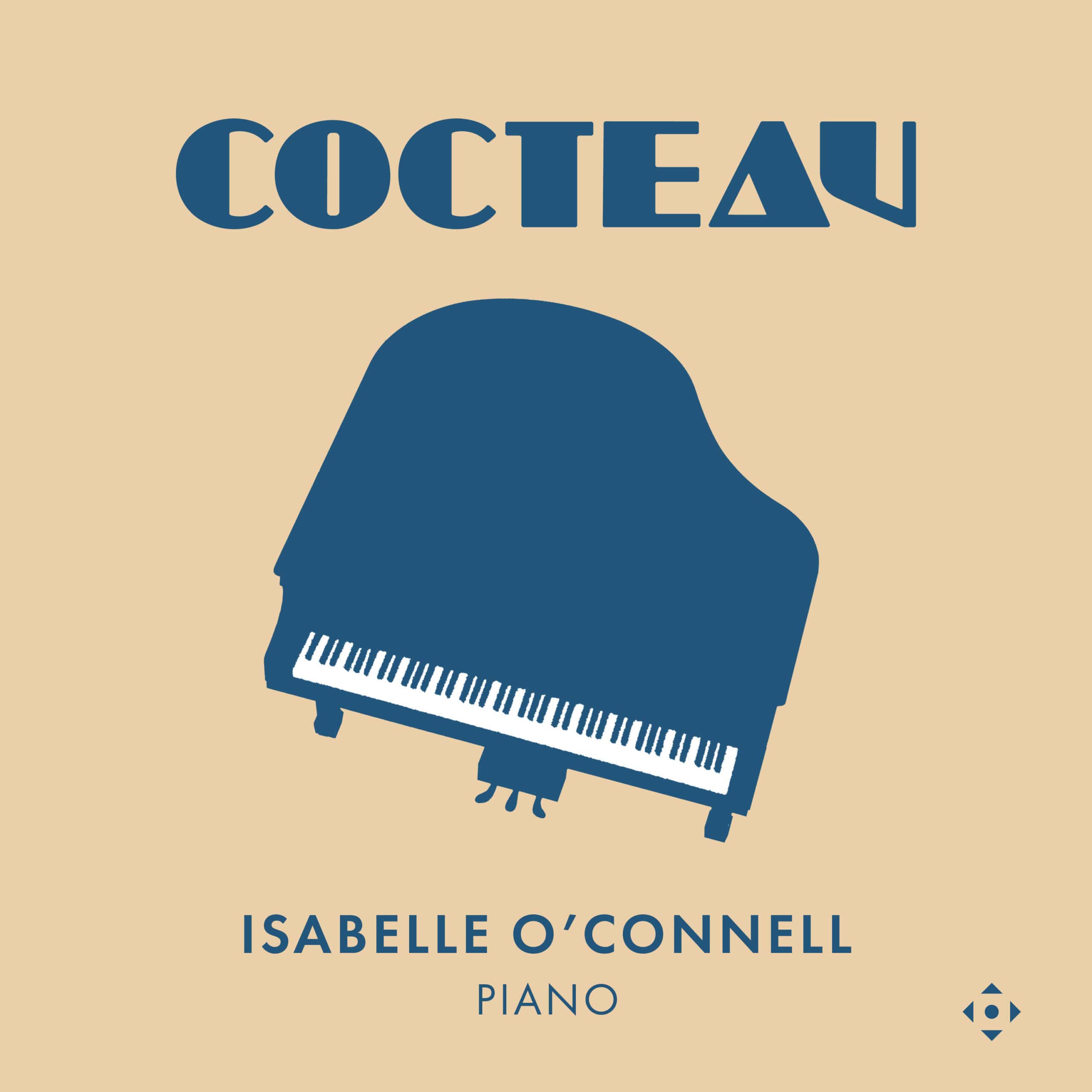
    In March 2026, Divine Art Records presents Cocteau from pianist Isabelle O’Connell exploring the musical connections and artistic spirit of the multi-talented and influential French artist, filmmaker, novelist, and poet Jean Cocteau (1889–1963). Throughout his life, Cocteau worked with the legendary Ballets Russes, was involved with major art movements like Cubism and Surrealism, and was one of the most important avant-garde directors in cinema.

    Isabelle O’Connell’s Cocteau is anchored by Irish composer Rhona Clarke’s brand-new work ‘Cocteau’ written especially for O’Connell, and heard after the listener moves through Cocteau’s contemporaries and collaborators in Paris a century ago: Erik Satie, Igor Stravinsky, and members of ‘Le Groupe des Six’ for whom Cocteau was a figurehead (Georges Auric, Louis Durey, Arthur Honegger, Darius Milhaud, Francis Poulenc, Germaine Tailleferre).

    The initial spark for this revealing new album came from conversations between Isabelle O’Connell and Rhona Clarke during the COVID pandemic. Rhona had developed a fascination with the work of “this complete artist” and ‘Cocteau’ is a set of six short pieces inspired by his drawings, paying tribute to his “overall aesthetic and personality, his quirkiness, modernism, sense of freedom, his mix of the sublime and the ridiculous”.

    The works by Satie include his Trois Gnossiennes and Trois Gymnopédies (available as digital-only tracks), epitomising qualities that Cocteau so admired – clarity, refinement, with minimal and spare textures. We also hear the Ragtime Parade from the surrealist ballet Parade conceived by Cocteau for The Ballets Russes, and Rêverie de l’enfance de Pantagruelfrom his orchestrated work Trois petites pièces montées, originally composed for a concert Cocteau organised.

    The album also includes Stravinsky’s Ragtime and Les Cinq Doigts, Darius Milhaud’s Le Boeuf sur le Toit from Cocteau’s ballet, and three works by Germaine Tailleferre, the only female in ‘Le Groupe des Six’. Though the composers of the group had differing styles, their music followed Cocteau’s artistic principles, sometimes with elements of American jazz and café music, often with a hint of humour or parody. L’Album des Six was the only work on which all six collaborated.

    Since her Carnegie Hall debut recital in 2002, Franco-Irish pianist Isabelle O’Connell has developed an international career as a soloist and chamber musician. She is co-founder of Grand Band, a piano sextet described by the New York Times as: “six of the finest, busiest pianists active in New York’s contemporary-classical scene”. She has worked with composers John Adams, Meredith Monk, Donnacha Dennehy, Georg Friedrich Haas, Missy Mazzoli, Joan Tower, Kevin Volans and Julia Wolfe. A Fulbright scholar, Isabelle currently serves on the piano faculty as Artist-in-Residence at Bard College and Conservatory of Music, New York.

  • Expectations

    Expectations

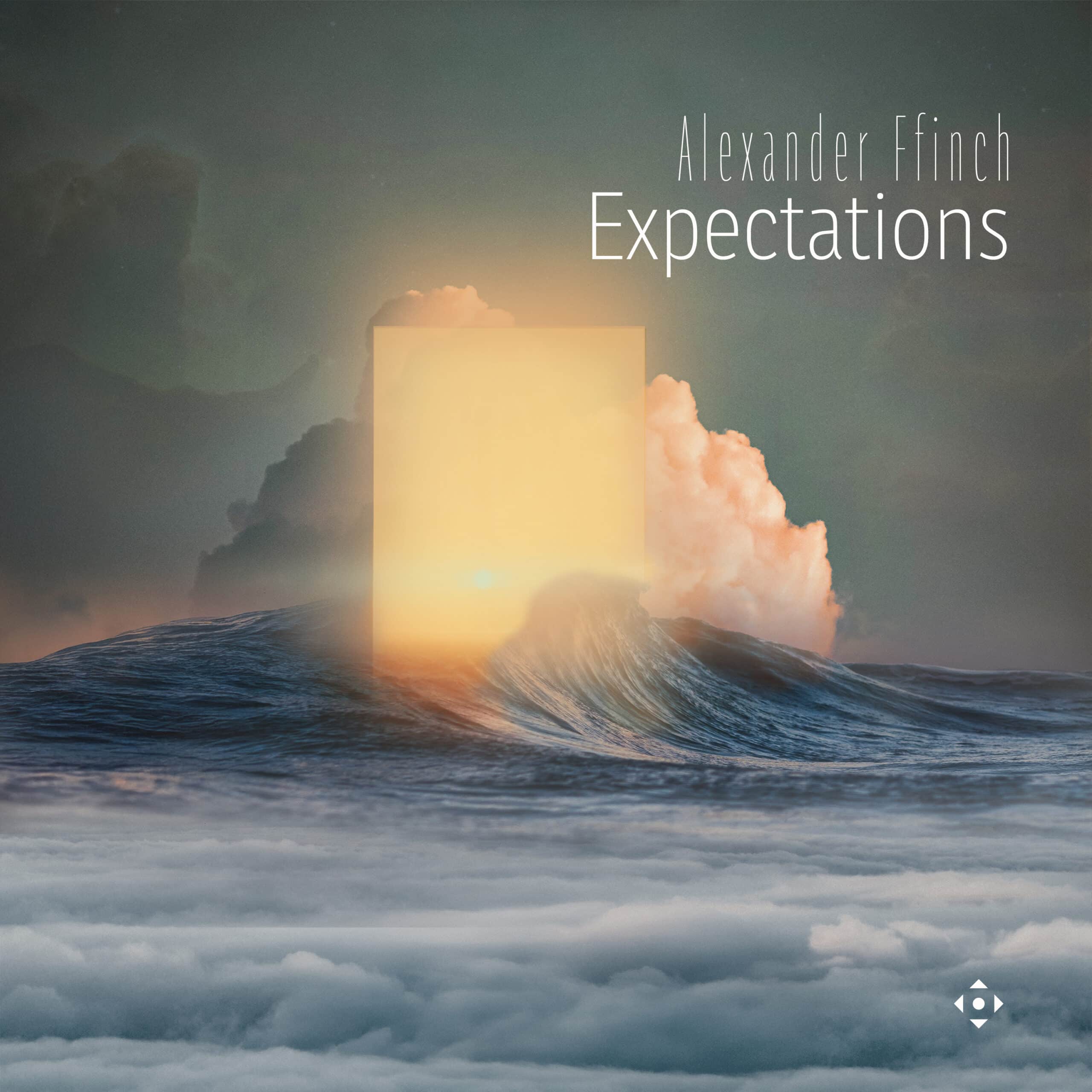
    Divine Art is delighted to present the 16 January 2026 release of Expectations from organist Alexander Ffinch, a musical journey of the seasons featuring original works and arrangements, recorded on the magnificent organ at Cheltenham College. Expectations takes the listener through a journey of the fall, winter feasts and festivals, and highlights the anticipation of opportunities and renewal in the new year. The various colours and choruses of the organ spark the imagination, making a wonderfully visceral listening experience which challenges the expectations of both the organ enthusiast and those new to the world of organ music. In this way, Expectations is a perfect follow-up and partner album to Ffinch’s 2024 release Parallels, which featured original works and arrangements alongside music not usually associated with the organ.

    Ffinch begins our seasonal journey at Halloween with Saint-Saëns’ spine-chilling Danse Macabre in a transcription by E. H. Lemare. Alexandre Guilmant’s powerful Marche Funèbre et Chant Séraphique maintains the dark atmosphere, portraying the arrival of a solemn funeral procession. We then look ahead to the Christmas season in a refreshingly colourful new take on the Advent melody Non Komm der Heiden Heiland by the young composer William Mason, intermixed with the exquisitely crafted Air from Brook Green Suite by Gustav Holst and Derek Bourgeois’ lighthearted Serenade, which provide a different kind of anticipation, both written for upcoming occasions.

    Christmas is in full swing with arrangements of the Overture, Russian Dance (Trépak), and Dance of the Reedpipes (des Mirlitons) from Tchaikovsky’s festive ballet The Nutcracker, wrapped up together with the dazzlingly inventive Variations sur un Noël by Marcel Dupré, a towering figure of 20th-century organ music. This brings us finally towards the new year with the captivating Epilogue from Fanny Mendelssohn’s Das Jahr, a stark yet optimistic depiction of the stroke of midnight on New Year’s Eve. Two works by master organist Marcel Lanquetuit complete the album: the centenary of his famous Toccata comes up in 2027, giving the album an ongoing cyclical feel, and we also hear his lesser-known Intermezzo.

    Just as Ffinch offered an organ ‘surprise’ along the lines of Coldplay’s “Paradise” on Parallels, he also extends the question of expectations with David Bowie’s probing song, “Life on Mars?”. The release will also mark the 10th anniversary of David Bowie’s death and reminds us, 55 years after its release, that the journey to find ourselves doesn’t end with New Year’s Resolutions.

    Alexander Ffinch has established himself as a renowned organist with performances spanning the UK, Europe, USA, and Asia. Notable for his role as the College Organist at Cheltenham College since 2004, Alexander oversees daily organ performances in the College Chapel and accompanies choirs while maintaining an active schedule as a recitalist. He has featured previously in the Cheltenham International Music Festival and on BBC Radio 3 live broadcasts. His recordings have also recently featured on Radio 3 programmes. There are forthcoming recitals at Notre Dame and La Madeleine in Paris as well as regular series appearances in Cheltenham and other concerts in both the UK and USA.

  • Frisson

    Frisson

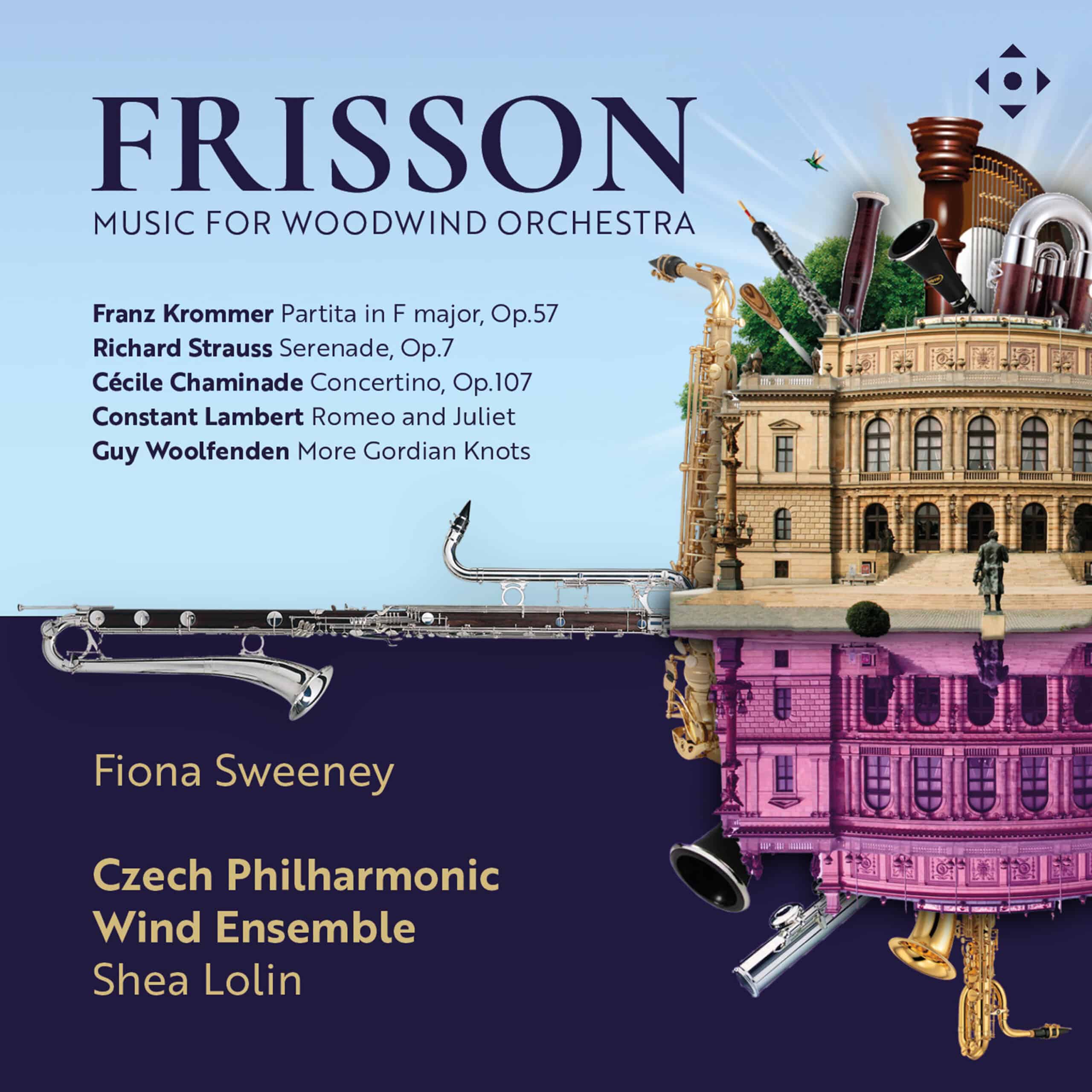
    On 9 January 2026, conductor Shea Lolin presents Frisson, an exciting new album of music for woodwind orchestra and his third recording with the principal woodwind players of the Czech Philharmonic (Gramophone’s Orchestra of the Year 2024). Frisson follows the release of the ground-breaking Twisted Skyscape, the first album devoted entirely to new music for woodwind orchestra, and Chromosphere, which focused on contemporary repertoire.

    Frisson marks Shea Lolin’s 20-year involvement with the woodwind orchestra and celebrates its evolution from the early eighteenth-century genre of Harmoniemusik – formal ensemble music for pairs of winds – to its modern form.

    The album features a superb programme of arrangements for woodwind orchestra by Shea Lolin, all originally commissioned by the Bloomsbury Woodwind Ensemble. He expands Franz Krommer’s exquisite Octet – Partita in F major, Op. 57 and Richard Strauss’s youthful Serenade, Op. 7, creating a broader sonic landscape while maintaining their essence. Also included is Cécile Chaminade’s beloved Concertino, Op. 107, arranged for woodwind orchestra and featuring young Glaswegian flautist Fiona Sweeney, who makes her debut with the Czech Philharmonic on this release. Completing the album is More Gordian Knots by Guy Woolfenden OBE, a spirited reimagining of Purcell’s music for The Gordian Knot Unty’d, written during Woolfenden’s remarkable 40-year association with the Royal Shakespeare Company.

    “Through the collection of works on this album, I hope to demonstrate the rich potential and unique character of the modern woodwind orchestra, highlighting its distinct identity in the world of ensemble music…The album’s title Frisson refers to my feelings towards this recording and the milestone it represents. It also reflects the amazing playing from the Czech Philharmonic Wind Ensemble.” – Shea Lolin

    “Splendidly mellifluous performances by the Czech Philharmonic Wind Ensemble conducted by Shea Lolin… Lolin and the players… show off their virtuosity, flawless intonation, and ensemble. Recommended.” – Guy Rickards, Gramophone review of Chromosphere.

    Shea Lolin has been involved in nearly every aspect of the classical music industry, including performance, conducting, and management. Over the past two decades, his notable achievements include contributing to the regeneration of east London ahead of the 2012 Olympics and collaborating with prominent Czech orchestras, including the Czech Philharmonic. His work in Czechia was acknowledged by the Czech Centre in London in 2024, the same year the Czech Philharmonic was awarded Orchestra of the Year by Gramophone. In 2025, he was elected the Chair of BASBWE (British Association of Symphonic Bands and Wind Ensembles). shealolin.co.uk

  • Kapustin: Between the Lines

    Kapustin: Between the Lines

    Ophelia Gordon & Kapustin: It’s about the balance of respect and personal creativity – Pizzicato

    Electrifying debut album from a bold new voice in classical piano.

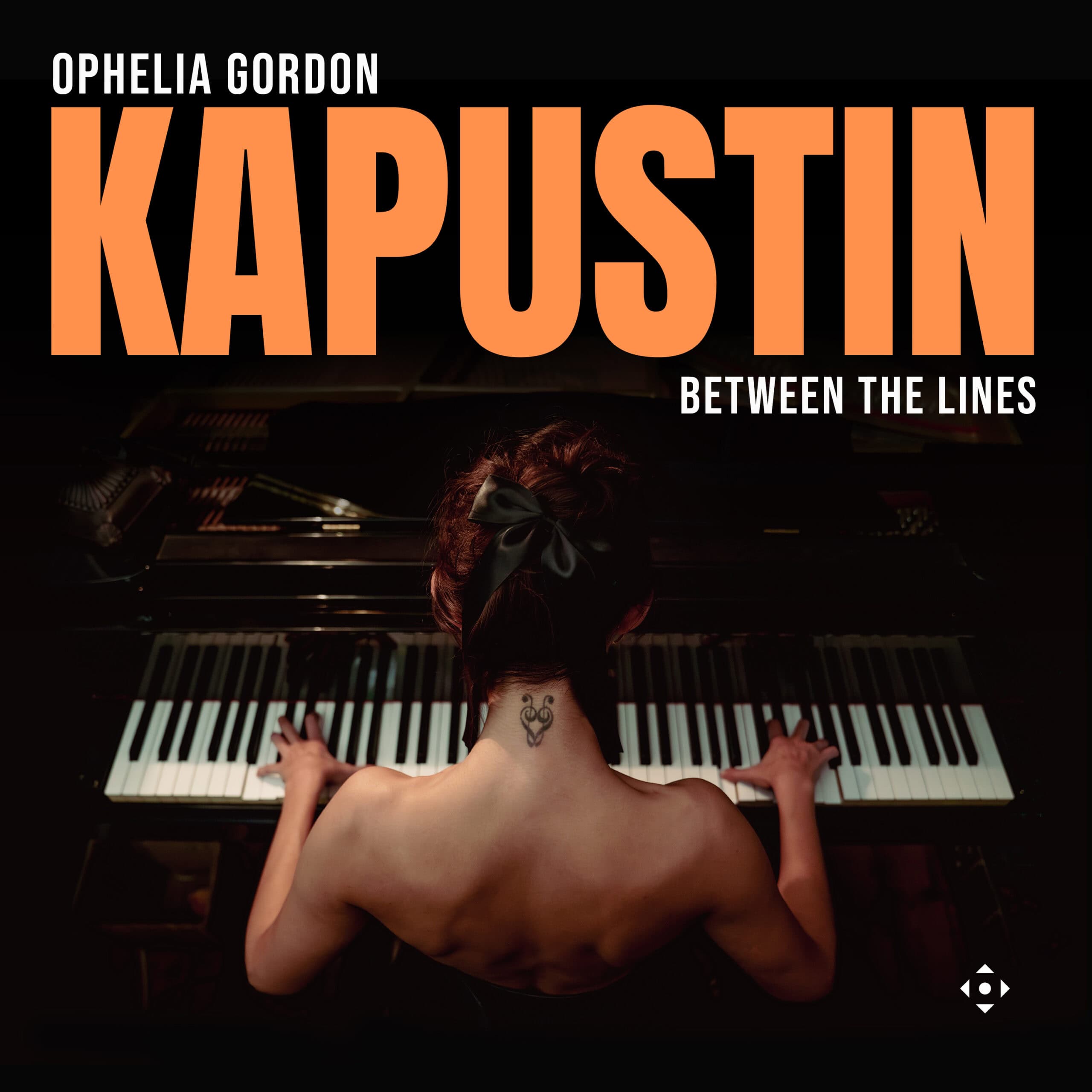
    British pianist Ophelia Gordon makes a striking debut with this album of works by Nikolai Kapustin, the Soviet composer whose music fuses the harmonic language and rhythmic drive of jazz with the formal precision of classical composition. Though Kapustin’s music sounds improvised, every note is meticulously written – jazz in spirit, but classical in structure.

    Gordon brings rare authenticity to this repertoire, having tracked down long out-of-print vinyl recordings of Kapustin’s own performances in a personal search for the composer’s true voice. The programme is carefully curated to offer a compelling listening arc, capturing Kapustin’s wit, lyricism, and fire with both intimacy and flair.

    Recorded on a characterful 1961 Steinway D, the album’s sound is warm, immediate, and rich in detail – engineered with a microphone setup designed to balance the immediacy of a jazz trio with the depth and clarity of classical solo piano.

    This release marks two milestones: the first full Kapustin album by a British female pianist, and the first classical album by a BRIT School alum. With a growing reputation for fearless artistry and cross-genre fluency, Gordon offers a vital new perspective on one of the most original piano voices of the 20th century.

    https://youtu.be/nMM7MastvBM&w=720

  • Estrellita

    Estrellita

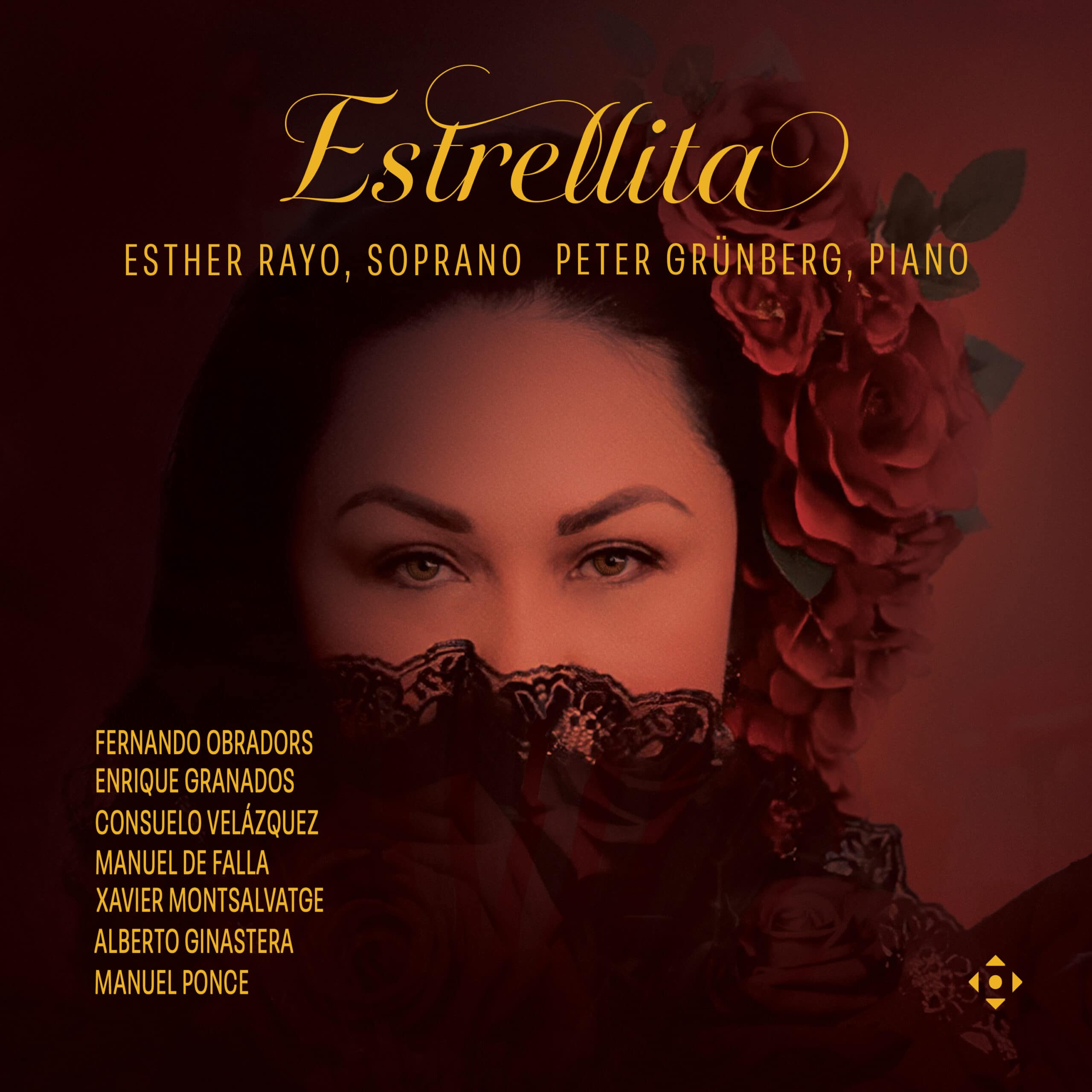
    Divine Art is delighted to announce a superb collection of sensuous classical Spanish language songs for voice and piano, from the sublime musical partnership of lyric soprano Esther Rayo and renowned pianist and conductor Peter Grünberg. This program of works was first heard in a series of concerts given by the San Francisco based teaching and performance organization LIEDER ALIVE!

    The songs are by early 20th century composers: Fernando Obradors, Manuel de Falla, Enrique Granados, Alberto Ginastera, Xavier Montsalvatge, Consuelo Velázquez and Manuel Ponce. Drawing from Spanish classical poetry and regional folk melodies, these vibrant song cycles offer appeal to art song aficionados and first-time listeners alike.

    Born in California, and surrounded by Spanish music and language, this music is close to Esther Rayo’s heart. Her connection with these songs started when she was introduced to the music of Manuel Obradors while in college. Obradors offered the perfect starting point for her continued study and discovery of Spanish art song, and she was guided by the great 20th century sopranos Montserrat Caballé and Victoria de los Angeles, who kept this music alive.

    While she was at graduate school in 2017, Esther was introduced to Peter by Maxine Bernstein, Founder and Director of LIEDER ALIVE! and they made an immediate musical connection around the works of Spanish language composers. LIEDER ALIVE! helped provide opportunities for Peter and Esther to perform this music together, alongside its standard mission of promoting German Lieder. Over the years they continued to study and learn more classical Spanish repertoire, resulting in this, their debut album together. And, even after all these years, they still feel they’ve only just scraped the surface of this wonderful repertoire!

    https://youtu.be/JpWnLkto2wM&w=720

  • Discovering Wilfred Heaton

    Discovering Wilfred Heaton

    “Creative Outlet and Classical Conduit: The Importance of British Brass Band” by Paul Hindmarsh – Classical Music

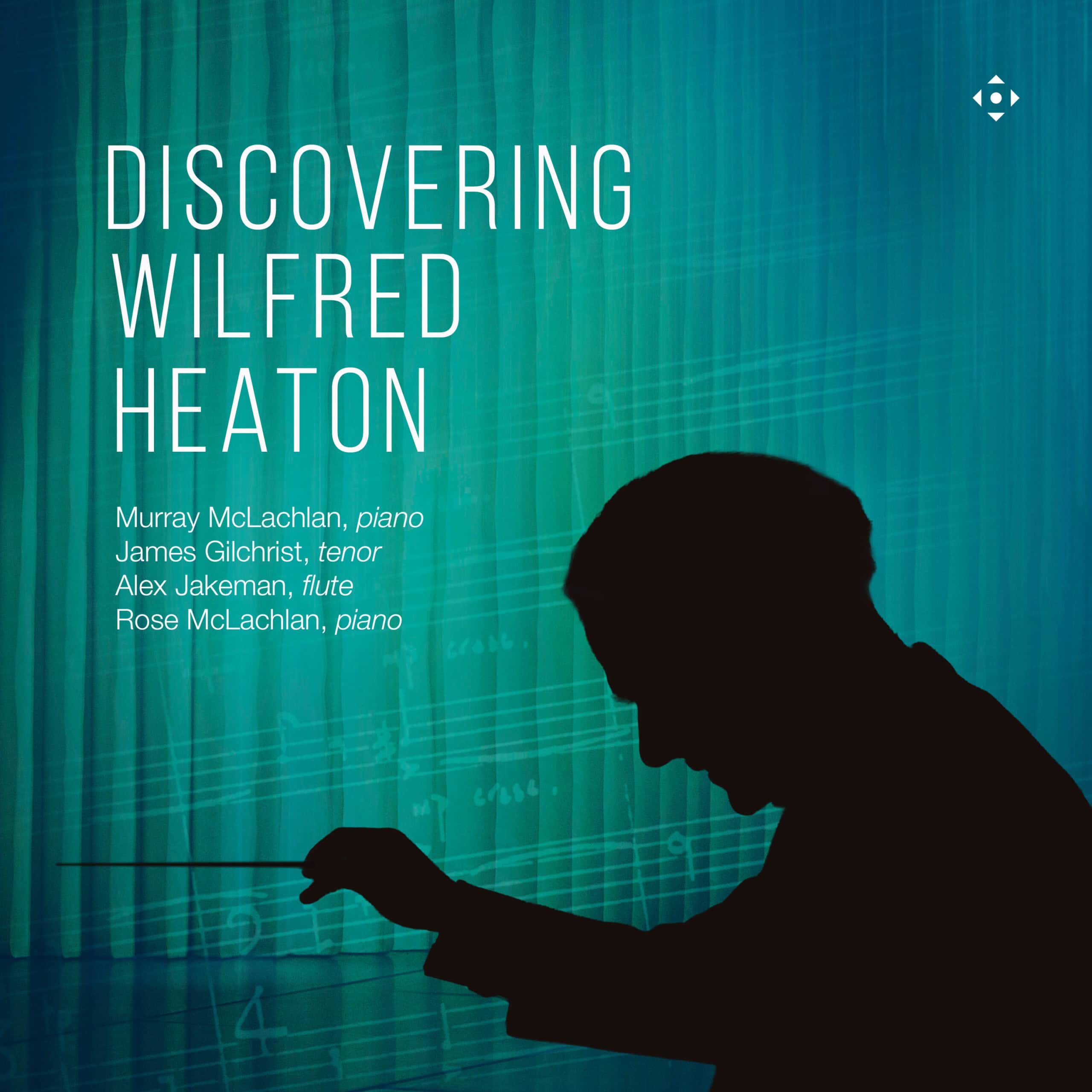
    Discovering Wilfred Heaton: Premiere recordings of major instrumental works by a remarkable yet overlooked English composer.

    Wilfred Heaton (1918-2000) is a name well-revered in brass band circles, but nearly unknown in the wider world of classical music. Discovering Wilfred Heaton seeks to change that with no less than seven premiere recordings from pianists Murray McLachlan and Rose McLachlan, tenor James Gilchrist, clarinetist Linda Merrick, and flutist Alex Jakeman.

    The album is anchored by the first recording of Heaton’s monumental Piano Sonata, which was performed in 2024 to rapturous applause by Murray McLachlan at Manchester’s Stoller Hall. The Sonata, composed in the 1950s, is a work of striking ambition and depth. Harmonically daring, emotionally raw, and technically formidable, it stands comparison with the great mid-century sonatas of Bartók and Prokofiev. From the muscular counterpoint of its opening, through a grief-tinged slow movement and a dazzling finale, Heaton’s sonata reveals a powerful, individual voice—he was fearless in embracing big themes, bold melodies, and contemporary idioms.

    Also featured are first recordings of the Three Pieces for Piano (1954), and the poignant piano suite Pilgrim Reflections, adapted from Heaton’s mystery play Pilgrim’s Song. A selection of Heaton’s rarely-heard songs—written in his youth and again in later life—are performed here by the acclaimed tenor James Gilchrist, accompanied by Rose McLachlan. Together, these works illuminate Heaton’s stylistic evolution: his command of bitonality, rhythmic complexity, and melodic invention, rooted in a deep understanding of Bach and Brahms, and influenced by Walton, Hindemith, Bartok and Stravinsky.

    Heaton’s career was shaped by a lifelong tension between personal conviction and professional ambition. A deeply private Yorkshireman, he turned away from a mainstream musical path after early promise—studying with Mátyás Seiber and submitting works to the Society for the Promotion of New Music—choosing instead a life of teaching, reflection, and selective composition. The result is a body of work of exceptional quality, much of it unpublished or unheard until now.

    This album is not only a significant act of musical archaeology by Heaton’s biographer and editor Paul Hindmarsh – it is a compelling argument for Heaton’s inclusion among Britain’s most original post-war composers.

    Track highlights:
    • Piano Sonata (premiere recording) – Murray McLachlan,piano
    • Three Pieces for Piano (1954)
    • Pilgrim Reflections (suite for solo piano)

    For fans of: Bartók, Britten, Prokofiev, William Walton, Elisabeth Lutyens, early Tippett.

    An essential discovery for collectors, performers, and listeners drawn to British 20th-century repertoire beyond the usual names.

  • A Cello Galaxy of British Women Composers

    A Cello Galaxy of British Women Composers

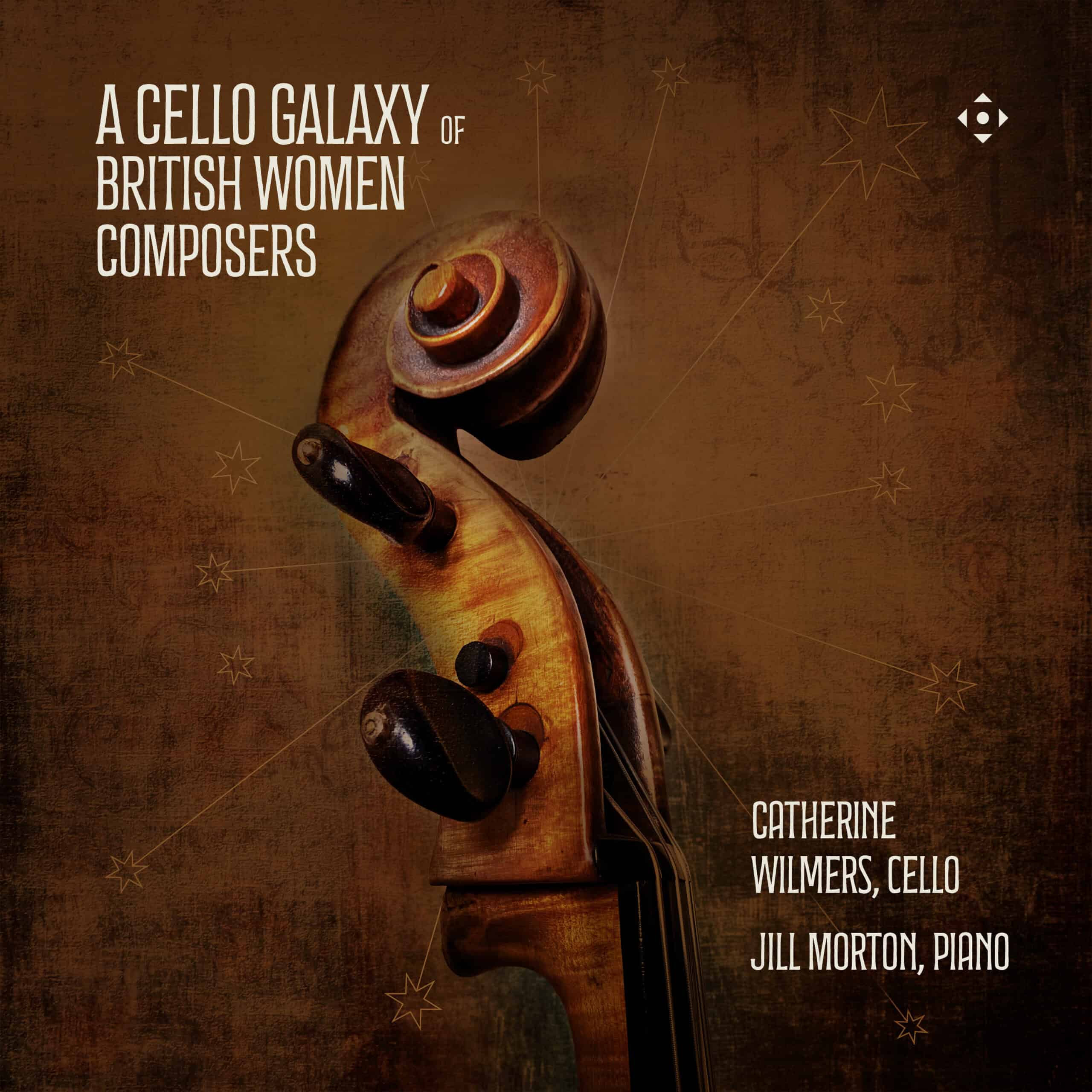
    In A Cello Galaxy of British Women Composers, Catherine Wilmers brings to light an extraordinary collection of works by British women presenting us with twelve premiere recordings. Drawing on diligent research, Wilmers unearths strikingly original compositions presenting us with premiere recordings by Amy Elsie Horrocks, Ethel Barns, Elizabeth Poston, Joan Trimble, Dora Bright, Susan Spain Dunk, and Sarah Rodgers, whose Mountain Airs was written for the cellist. Some of these works lay forgotten in the archives of the Royal Academy of Music, their potential stifled by societal limitations rather than artistic merit.

    The album is more than a rediscovery—it is a testament to the resilience and artistry of these composers. The satisfyingly detailed liner notes reveal the challenges they faced, often in their own words or through the prejudices of their time. As late as the 1920s, the critic Cecil Gray echoed Dr Johnson’s notorious remark: “A woman’s composing is like a dog walking on its hind legs; it is not done well but you are surprised to see it done at all.” Such dismissals only fuel the need to champion these voices today.

    Wilmers’ deep connection to this repertoire is evident in every performance, matched sensitively by accompanying pianist, Jill Morton. A former cellist with the London Philharmonic Orchestra, Catherine Wilmers has long questioned why so few works by women have entered the standard repertoire. This album is part of her answer—a luminous and long-overdue celebration of their music, appealing to listeners attuned to the intellectual and emotional possibilities of modern chamber music.

  • Malcolm Williamson: Chamber Music for Wind & Piano

    Malcolm Williamson: Chamber Music for Wind & Piano

    MALCOLM WILLIAMSON: The uncompromising and divisive Master of the Queen’s Music

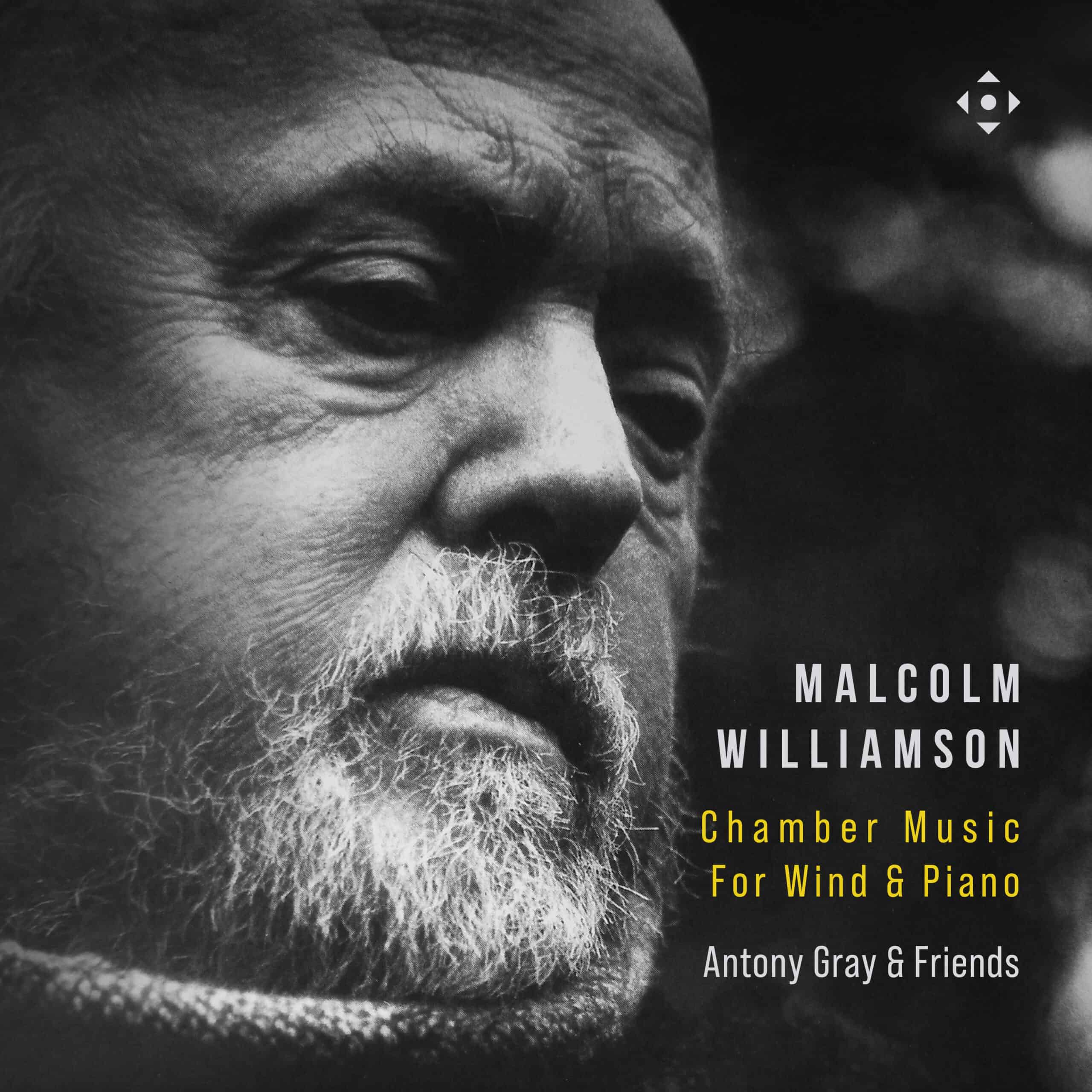
    Once one of the most widely performed composers of his generation, Malcolm Williamson’s music has since fallen into obscurity. This new recording – featuring 16 world premieres — seeks to redress that balance, offering a fresh perspective on a composer whose work defied easy categorization.

    Williamson’s output ranged from bold serial explorations to tuneful lyricism, often within the same piece. His music was lauded for its ingenuity yet suffered from the composer’s refusal to conform to prevailing academic tastes. As Master of the Queen’s Music, he occupied a prestigious position but remained a divisive figure—uncompromising in his artistic voice and unpredictable in both temperament and style.

    Drawn from recently uncovered archives, this collection spans nearly five decades of Williamson’s career, from early student works to some of his final compositions. The album includes the Clarinet Trio (1958), a strikingly assured work praised for its “forthright tunefulness” and loose application of serial technique, and the Concerto for Wind Quintet and Two Pianos, Eight Hands (1966), an intricate, often densely chromatic score performed by an extraordinary ensemble of composer-pianists. Other highlights include the ballet-inspired Pas de Quatre (1967), the haunting Pietà (1973) for mezzo-soprano and ensemble—setting texts by Swedish poet Pär Lagerkvist—and the enigmatic Gallery (1966), a set of miniature pieces likely composed for an unknown television project.

    These performances, led by pianist and producer Antony Gray, bring Williamson’s music vividly to life, illuminating its rhythmic dynamism, harmonic inventiveness, and sheer expressive range. With the discovery of the Williamson archive in 2023, this recording marks an important step in reintroducing a composer whose legacy deserves reappraisal.

  • In the Mirror

    In the Mirror

    A Profound Tribute to Reflection and Resilience

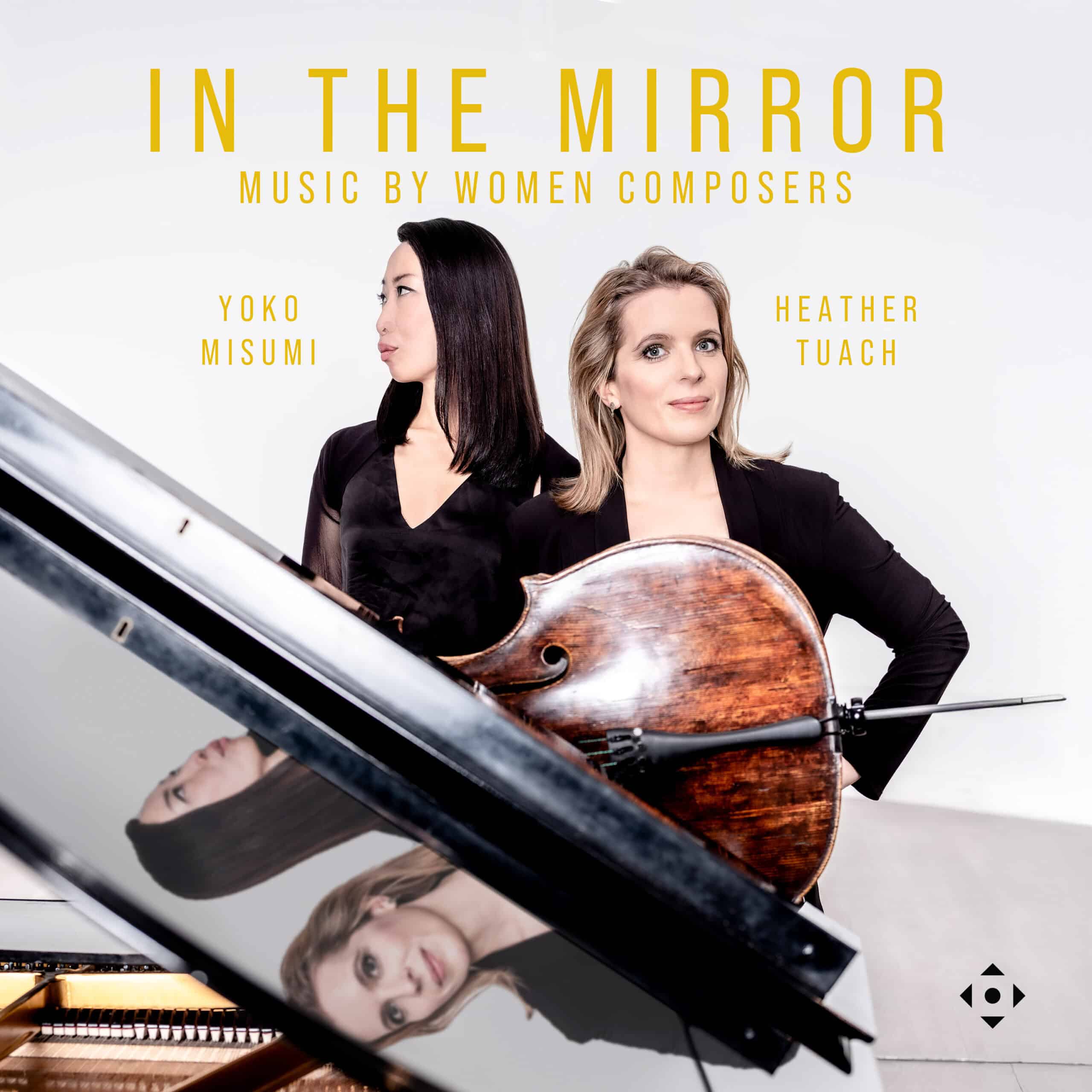
    In the Mirror is an exquisite collection of works by contemporary women composers, masterfully interpreted by cellist Heather Tuach and pianist Yoko Misumi, both members of the celebrated Greenwich Trio. This album is not just a recording—it is an emotional journey born of reflection, healing, and hope. The title piece, composed by Liz Dilnot Johnson, was commissioned specifically for this project, setting the tone for an album steeped in introspection and serenity.

    The repertoire features original works and new arrangements by renowned composers including Dobrinka Tabakova and Jessie Montgomery, whose contributions enhance the album’s contemplative spirit. Each piece carries its own story, from Jocelyn Morlock’s bird-inspired Halcyon to Jennifer Higdon’s nocturnal reverie Nocturne. These works are tied together by a shared exploration of human resilience and the quiet strength found in moments of introspection.

    The project began during the upheaval of the COVID-19 pandemic and became deeply personal for pianist Yoko Misumi, who underwent successful cancer treatment during its recording. Returning to the piano after her recovery, Misumi found solace and renewal in these compositions, describing the experience as “an emotional and musical healing.”

    Highlights include:

    • Liz Dilnot Johnson’s In the Mirror, a poignant four-movement work dedicated to personal loss and renewal.
    • Jessie Montgomery’s Peace, composed during the pandemic and adapted for cello and piano with the composer’s blessing.
    • Dobrinka Tabakova’s Whispered Lullaby, an evocative piece inspired by Goethe’s Faust.
    • Margaret Hubicki’s lyrical Lonely Mere, a tribute to the serene landscapes of the Malvern Hills.

    The album is both a celebration of female creativity and a testament to music’s power to comfort and inspire. Listening to  In the Mirror is an opportunity to pause, reflect and take in moments of profound calm amidst life’s turbulence.

    This is a must for admirers of contemporary chamber music, fans of women composers, and anyone seeking solace and beauty in music


  • Anatoly Alexandrov: Complete Piano Sonatas

    Anatoly Alexandrov: Complete Piano Sonatas

    For the first time, all fourteen piano sonatas by the enigmatic Soviet composer Anatoly Alexandrov (1888–1982) are brought together in a single recording. Known for his richly lyrical style, Alexandrov’s music resonates with the spirit of his contemporaries Nikolai Medtner and Sergei Rachmaninov while charting a distinctive artistic path.

    A prolific composer of solo piano and vocal works, Alexandrov’s œuvre has remained on the periphery of the repertoire, cherished by pianophiles but largely overlooked by broader audiences. His sonatas, written over the course of six decades, reflect a fascinating stylistic evolution shaped by the sweeping socio-political transformations of the 20th century.

    This landmark recording sheds new light on Alexandrov’s place within Soviet music, offering a nuanced perspective that reaches beyond the familiar giants of Prokofiev and Shostakovich. It is both a celebration of Alexandrov’s artistry and an invitation to explore the depth and complexity of a musical legacy ripe for rediscovery.

    Through this ambitious project, pianist Clarisse Teo offers an eloquent and compelling case for Alexandrov’s sonatas as essential listening for lovers of 20th-century music, revealing a forgotten corner of the piano repertoire that brims with emotional depth and historical resonance.

    Singaporean pianist Clarisse Teo is renowned for her bold exploration of lesser-known and contemporary repertoire, earning praise for her “confidently eclectic tastes” (The Straits Times, 2022). Her international career spans solo and chamber performances, including a featured appearance on the acclaimed album Rarities of Piano Music at ‘Schloss vor Husum’ from the 2019 Festival (Danacord Records). Trained in piano, violin, and viola, she holds multiple distinctions, including the FRSM in piano, and completed her Master of Music at the Royal Conservatoire of Scotland on a partial scholarship.

    Clarisse’s groundbreaking Doctor of Performing Arts degree from the University of St Andrews, supported by the Royal Conservatoire of Scotland Trust and Trailblazer Foundation Ltd (Singapore), focused on the fourteen piano sonatas of Soviet composer Anatoly Alexandrov. Passionate about reshaping the classical canon, she brings fresh insight and vibrant artistry to the stage, redefining what it means to champion overlooked music.