Period: Contemporary

  • A Spotless Rose

    A Spotless Rose

    On 10 April 2026, Divine Art presents A Spotless Rose, a thrilling collection of choral works by leading contemporary British composers including James MacMillan, Jonathan Dove, John Rutter, Kerry Andrew and more, from the award-winning vocal ensemble The Purcell Singers, conducted by Jonathan Schranz & Mark Ford.

    This digital only album takes listeners through a journey of themes of arrival and the sea, with Christmas themed texts and poems, Marian hymns and folksong. A Spotless Rose culminates in the premiere recording of John Rutter’s Three Shakespeare Songs. The work is dedicated to the Purcell Singers and conductor Mark Ford, an acknowledgement of Rutter’s long and fruitful relationship with the ensemble, and issued to celebrate the composer’s recent 80th birthday, completing a rich and rewarding album.

    The title track is Paul Mealor’s setting of the 14th century Christmas text A Spotless Rose, the emotional heart of his madrigal cycle ‘Now sleeps the crimson petal‘, a meditation on the mystery of the Incarnation, in which the metaphorical rose unfurls with gradually building textures and a staggering range of tessitura. Will Todd’s carol My Lord has Come, from his own poem, is a favourite amongst choirs and audiences alike. At the climax of the piece, ‘his love will hold me’ bursts out of the preceding tranquillity. Jonathan Dove’s The Three Kings is a true modern classic, with text by Dorothy L Sayers, telling the story of the magi.

    In the eight-part Ave Maria by award-winning composer Sarah Cattley, upper and lower voices are frequently treated as two separate choirs, combining for added harmonic tension at key moments; Sir James MacMillan’s setting of the medieval Marian hymn Ave Maris Stella is in just four parts, harmonising a strikingly simple soprano melody in increasingly inventive ways. In a contemporary contrast Kerry Andrew’s atmospheric setting of the folksong All things are quite silent was originally written to perform using a loop station music device, gradually layering the sounds of the sea with fragments of a tune they found in an old book of English folksongs about a girl who loses her love to the sea.

    Sir John Rutter’s Three Shakespeare Songs draw inspiration from settings by Finzi and Vaughan Williams. O mistress mine takes the form of a jazz waltz, Be not afeard uses expansive harmony and deep textures to create a mysterious aural landscape and Sigh no more, ladies brings the set to a cheerfully energetic conclusion.

    One of London’s leading chamber choirs, The Purcell Singers, formed in 1994 by conductor Mark Ford, has performed extensively in the UK and internationally. The group has a wide repertoire, ranging from Gibbons to Tavener, via Bach, Howells, Poulenc, Barber and Britten, and has developed a particular reputation for championing unusual late romantic works, notably those of the German composer Georg Schumann. The Purcell Singers are also active in session work, and have recorded several discs for film and television.
  • Nicholas Scott-Burt: 24 Preludes for Piano

    Nicholas Scott-Burt: 24 Preludes for Piano

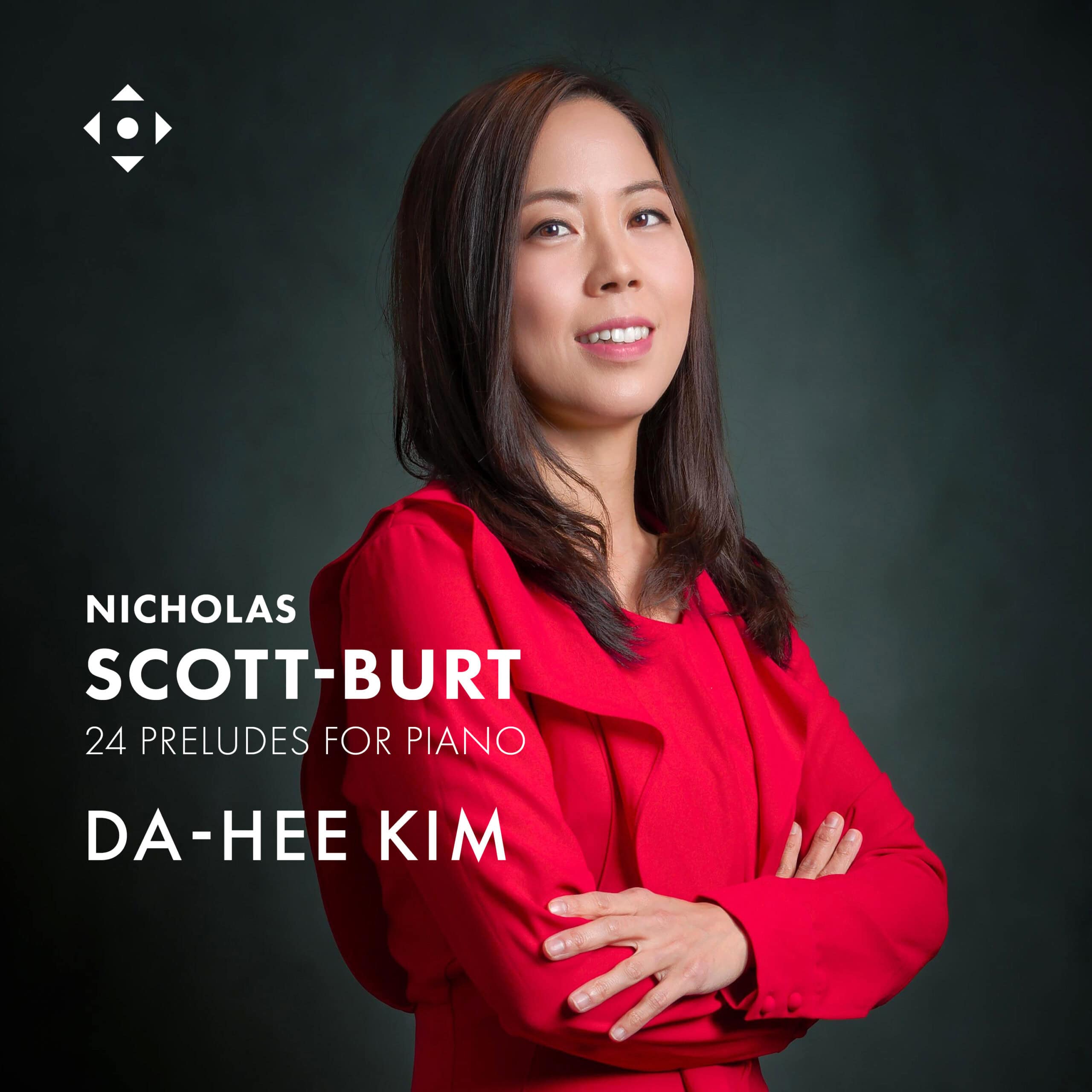
    In March 2026, Divine Art Records presents the premiere recording of 24 Preludes for Piano by Nicholas Scott-Burt, performed by Da-Hee Kim, marking the Divine Art debut for both composer and pianist.

    In his 24 Preludes for Piano, composed between 2019-2020, Scott-Burt takes a post-modern approach to the long-standing tradition of presenting a cycle of works in all 24 major and minor keys. He follows in the footsteps of J.S. Bach, Chopin, and Shostakovich, among others, aiming to represent the innate expressive qualities associated with each key, while bringing a unique approach to the work’s architecture. Each prelude is treated as a miniature, yet is also combined to create a seamless, integrated structure – a giant ‘symphony’ for the piano.

    The works are arranged in a sequence of alternate major and minor Preludes, and are grouped into four suites (books) of six movements each, equivalent to the four movements of a symphony. Each has its own character: Book 1 is neat and neo-classical; Book 2 more extravagant and romantic; Book 3 somewhat more introspective; and Book 4 bright and sunny, though with its darker moments. In addition to the cycle of Preludes, the album includes Scott-Burt’s Minimalis I and Love Song.

    Scott-Burt’s writing embraces a broad range of styles, referencing music of the past which has led to this point, with echoes of Bach, Chopin, Shostakovich, but also Handel, Purcell, Schumann, Liszt, Prokofiev, Bartók, Messiaen, and jazz. All the colours in his sound world combine to produce a consistent and individual musical language. Scott-Burt is convinced that if there exists a music of the age in the twenty-first century, then it is one which embraces all music of the past.

    Award-winning Korean pianist Da-Hee Kim trained at the Paris Conservatoire before studying at the University of the Performing Arts in Munich, and completing her Doctor of Musical Arts degree in piano performance at the Peabody Conservatory in the U.S. Da-Hee has performed at leading venues and festivals in South Korea, Europe and the UK including Salle Colonne and Salle Cortot in Paris, Palazzetto Bru Zane in Venice, Steinway Hall in London, St George’s Bristol, and the July Festival in Seoul.

    Composer Nicholas Scott-Burt studied music at the University of Bristol, gaining the degrees of BA, MMus, and PhD, and is an organist, pianist, and conductor. His compositions range from pop songs to symphonic scores, choral and sacred music, a violin concerto, a chamber concerto for flute and harp, and a Sinfonietta: The Western Cape, composed in 2024 for the Cape Town and Stellenbosch Youth Orchestras.

  • Expectations

    Expectations

    Divine Art is delighted to present the 16 January 2026 release of Expectations from organist Alexander Ffinch, a musical journey of the seasons featuring original works and arrangements, recorded on the magnificent organ at Cheltenham College. Expectations takes the listener through a journey of the fall, winter feasts and festivals, and highlights the anticipation of opportunities and renewal in the new year. The various colours and choruses of the organ spark the imagination, making a wonderfully visceral listening experience which challenges the expectations of both the organ enthusiast and those new to the world of organ music. In this way, Expectations is a perfect follow-up and partner album to Ffinch’s 2024 release Parallels, which featured original works and arrangements alongside music not usually associated with the organ.

    Ffinch begins our seasonal journey at Halloween with Saint-Saëns’ spine-chilling Danse Macabre in a transcription by E. H. Lemare. Alexandre Guilmant’s powerful Marche Funèbre et Chant Séraphique maintains the dark atmosphere, portraying the arrival of a solemn funeral procession. We then look ahead to the Christmas season in a refreshingly colourful new take on the Advent melody Non Komm der Heiden Heiland by the young composer William Mason, intermixed with the exquisitely crafted Air from Brook Green Suite by Gustav Holst and Derek Bourgeois’ lighthearted Serenade, which provide a different kind of anticipation, both written for upcoming occasions.

    Christmas is in full swing with arrangements of the Overture, Russian Dance (Trépak), and Dance of the Reedpipes (des Mirlitons) from Tchaikovsky’s festive ballet The Nutcracker, wrapped up together with the dazzlingly inventive Variations sur un Noël by Marcel Dupré, a towering figure of 20th-century organ music. This brings us finally towards the new year with the captivating Epilogue from Fanny Mendelssohn’s Das Jahr, a stark yet optimistic depiction of the stroke of midnight on New Year’s Eve. Two works by master organist Marcel Lanquetuit complete the album: the centenary of his famous Toccata comes up in 2027, giving the album an ongoing cyclical feel, and we also hear his lesser-known Intermezzo.

    Just as Ffinch offered an organ ‘surprise’ along the lines of Coldplay’s “Paradise” on Parallels, he also extends the question of expectations with David Bowie’s probing song, “Life on Mars?”. The release will also mark the 10th anniversary of David Bowie’s death and reminds us, 55 years after its release, that the journey to find ourselves doesn’t end with New Year’s Resolutions.

    Alexander Ffinch has established himself as a renowned organist with performances spanning the UK, Europe, USA, and Asia. Notable for his role as the College Organist at Cheltenham College since 2004, Alexander oversees daily organ performances in the College Chapel and accompanies choirs while maintaining an active schedule as a recitalist. He has featured previously in the Cheltenham International Music Festival and on BBC Radio 3 live broadcasts. His recordings have also recently featured on Radio 3 programmes. There are forthcoming recitals at Notre Dame and La Madeleine in Paris as well as regular series appearances in Cheltenham and other concerts in both the UK and USA.

  • Frisson

    Frisson

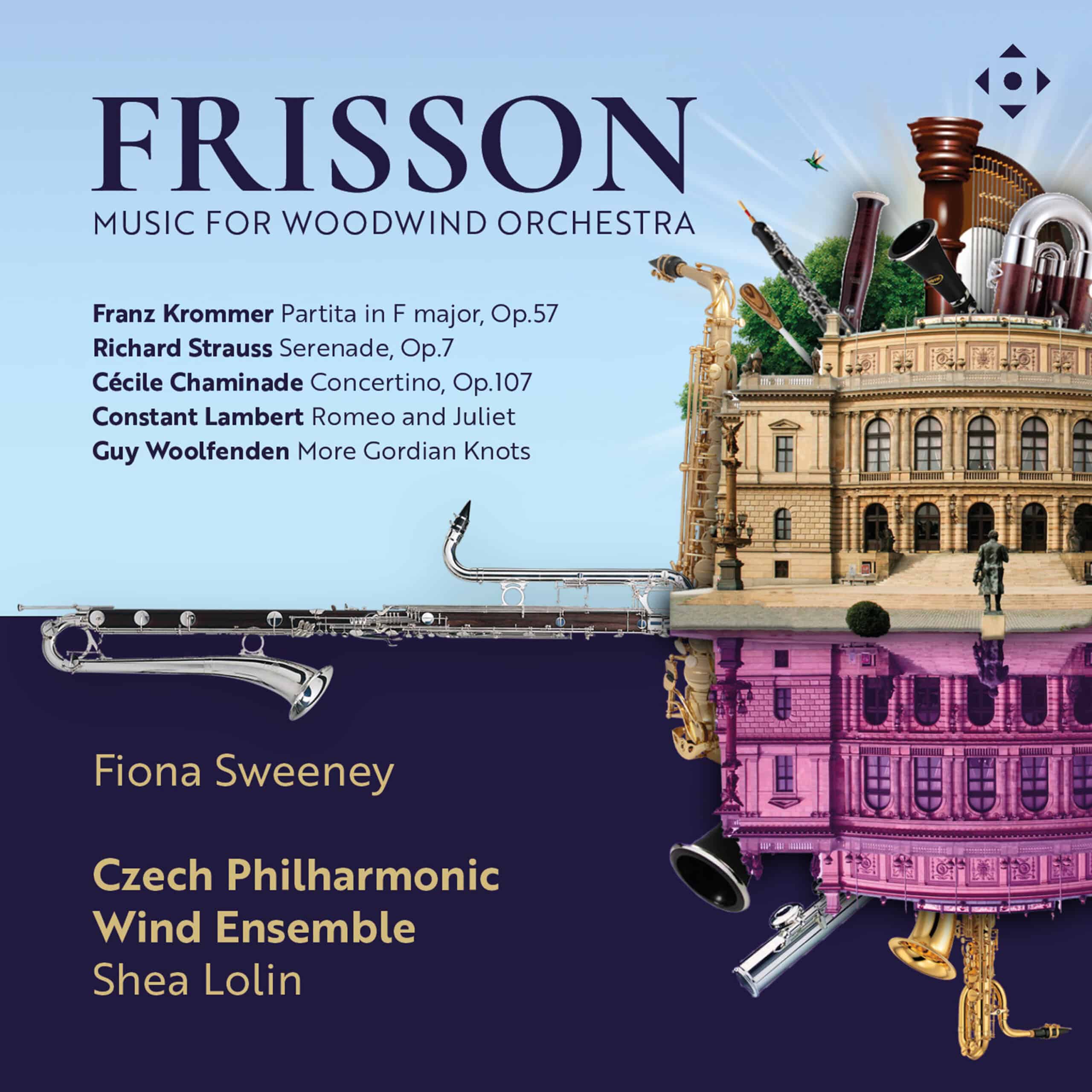
    On 9 January 2026, conductor Shea Lolin presents Frisson, an exciting new album of music for woodwind orchestra and his third recording with the principal woodwind players of the Czech Philharmonic (Gramophone’s Orchestra of the Year 2024). Frisson follows the release of the ground-breaking Twisted Skyscape, the first album devoted entirely to new music for woodwind orchestra, and Chromosphere, which focused on contemporary repertoire.

    Frisson marks Shea Lolin’s 20-year involvement with the woodwind orchestra and celebrates its evolution from the early eighteenth-century genre of Harmoniemusik – formal ensemble music for pairs of winds – to its modern form.

    The album features a superb programme of arrangements for woodwind orchestra by Shea Lolin, all originally commissioned by the Bloomsbury Woodwind Ensemble. He expands Franz Krommer’s exquisite Octet – Partita in F major, Op. 57 and Richard Strauss’s youthful Serenade, Op. 7, creating a broader sonic landscape while maintaining their essence. Also included is Cécile Chaminade’s beloved Concertino, Op. 107, arranged for woodwind orchestra and featuring young Glaswegian flautist Fiona Sweeney, who makes her debut with the Czech Philharmonic on this release. Completing the album is More Gordian Knots by Guy Woolfenden OBE, a spirited reimagining of Purcell’s music for The Gordian Knot Unty’d, written during Woolfenden’s remarkable 40-year association with the Royal Shakespeare Company.

    “Through the collection of works on this album, I hope to demonstrate the rich potential and unique character of the modern woodwind orchestra, highlighting its distinct identity in the world of ensemble music…The album’s title Frisson refers to my feelings towards this recording and the milestone it represents. It also reflects the amazing playing from the Czech Philharmonic Wind Ensemble.” – Shea Lolin

    “Splendidly mellifluous performances by the Czech Philharmonic Wind Ensemble conducted by Shea Lolin… Lolin and the players… show off their virtuosity, flawless intonation, and ensemble. Recommended.” – Guy Rickards, Gramophone review of Chromosphere.

    Shea Lolin has been involved in nearly every aspect of the classical music industry, including performance, conducting, and management. Over the past two decades, his notable achievements include contributing to the regeneration of east London ahead of the 2012 Olympics and collaborating with prominent Czech orchestras, including the Czech Philharmonic. His work in Czechia was acknowledged by the Czech Centre in London in 2024, the same year the Czech Philharmonic was awarded Orchestra of the Year by Gramophone. In 2025, he was elected the Chair of BASBWE (British Association of Symphonic Bands and Wind Ensembles). shealolin.co.uk

  • Kapustin: Between the Lines

    Kapustin: Between the Lines

    Ophelia Gordon & Kapustin: It’s about the balance of respect and personal creativity – Pizzicato

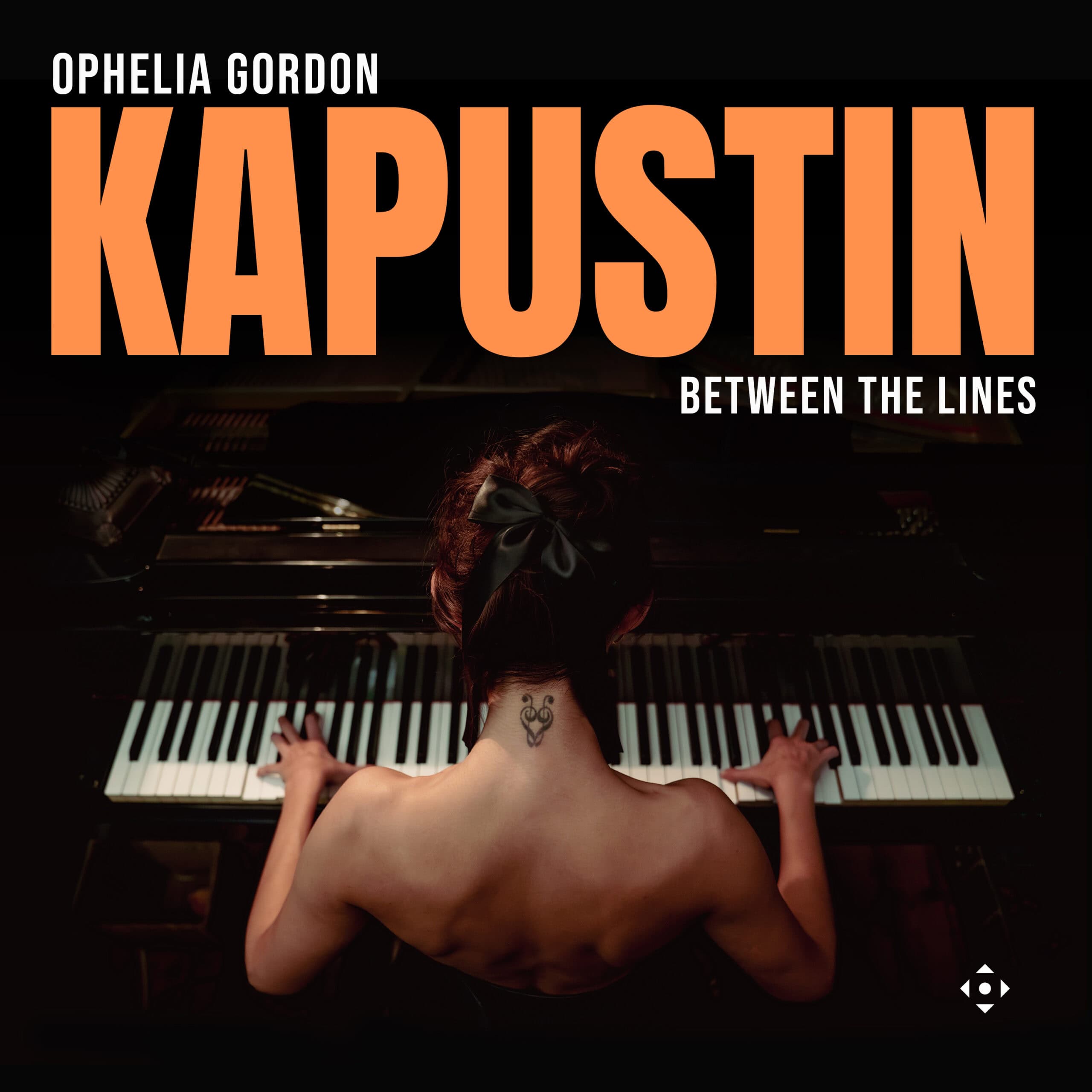
    Electrifying debut album from a bold new voice in classical piano.

    British pianist Ophelia Gordon makes a striking debut with this album of works by Nikolai Kapustin, the Soviet composer whose music fuses the harmonic language and rhythmic drive of jazz with the formal precision of classical composition. Though Kapustin’s music sounds improvised, every note is meticulously written – jazz in spirit, but classical in structure.

    Gordon brings rare authenticity to this repertoire, having tracked down long out-of-print vinyl recordings of Kapustin’s own performances in a personal search for the composer’s true voice. The programme is carefully curated to offer a compelling listening arc, capturing Kapustin’s wit, lyricism, and fire with both intimacy and flair.

    Recorded on a characterful 1961 Steinway D, the album’s sound is warm, immediate, and rich in detail – engineered with a microphone setup designed to balance the immediacy of a jazz trio with the depth and clarity of classical solo piano.

    This release marks two milestones: the first full Kapustin album by a British female pianist, and the first classical album by a BRIT School alum. With a growing reputation for fearless artistry and cross-genre fluency, Gordon offers a vital new perspective on one of the most original piano voices of the 20th century.

    https://youtu.be/nMM7MastvBM&w=720

  • Palimpsest

    Palimpsest

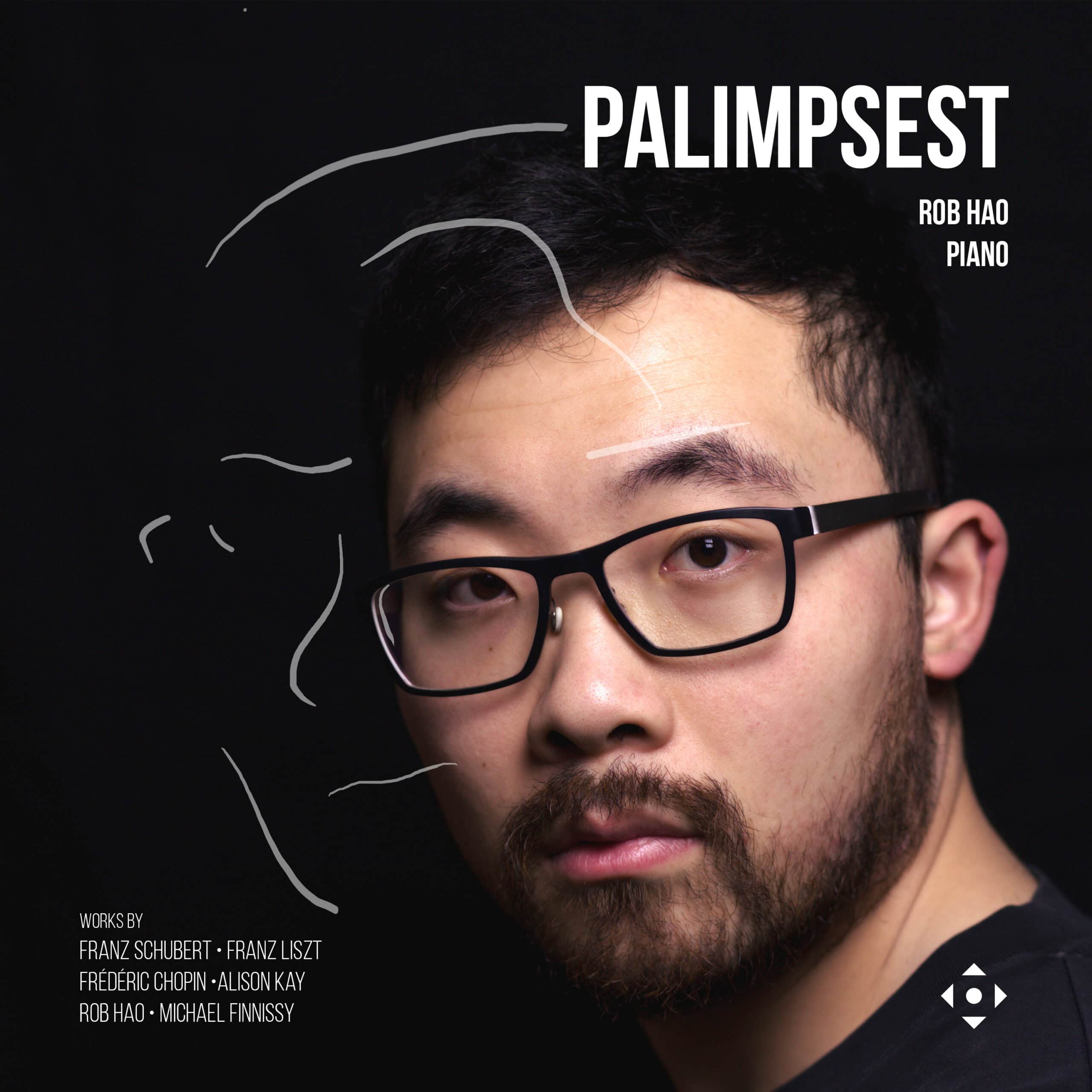
    Australian pianist Rob Hao makes a striking debut with an album that explores how music from different times and styles can interact and inspire new ideas. At the heart of the recording is the premiere of Palimpsest 571, Hao’s original work completing Franz Schubert’s unfinished Piano Sonata in F-sharp minor, D. 571. Rather than trying to imitate Schubert’s style exactly, Hao embraces the gap between past and present, creating a continuation that respects the mood and mystery of the original fragment while adding a fresh, modern voice.

    The album also features a set of piano etudes by British composer Alison Kay, whose minimalist and atmospheric pieces invite listeners to experience sound and silence in new ways. Alongside these contemporary works are carefully chosen pieces by Chopin, Schubert, Schubert-Liszt, and Michael Finnissy’s challenging English country-tunes.

    Chopin’s final nocturnes showcase his gift for blending long, flowing melodies with delicate harmonies, revealing the emotional depth he reached late in life. Schubert’s impromptu and Liszt’s piano transcription of Der Müller und der Bach bring vocal storytelling to the piano, highlighting the instrument’s expressive power.

    Finnissy’s English country-tunes is a powerful and intense piece that explores English folk traditions with virtuosic energy, moving between moments of lyricism and dramatic intensity. This mix of works demonstrates how composers and performers continue to build on musical traditions, layering new ideas over old, and keeping classical music vibrant and alive.

    This album offers a rich listening experience that invites reflection on how music evolves —shaped by both history and the creative present.

  • Full of Grace: Choral Music of James Woodhall

    Full of Grace: Choral Music of James Woodhall

    A new choral album of radiant melody and profound reflection

    Composer James Woodhall presents Full of Grace, a deeply expressive new choral album that moves between the intimate and the exultant. Drawing inspiration from sacred texts, ancient prayers, and moments of divine revelation, this collection weaves together contemporary choral writing with timeless spiritual themes.

    The album opens with the title track, Full of Grace, a lyrical meditation on the Angel Gabriel’s greeting to Mary and the incarnation. With warm harmonies and a memorable, flowing melody, the piece captures both the stillness and the awe of that encounter, while its vibrant central section echoes the heavenly proclamation to the shepherds.

    At the heart of the album lies The Damascus Sequence – an 11-movement cantata chronicling Saul’s dramatic conversion from persecutor to preacher, drawn closely from Acts 9. This narrative arc, from darkness to vision, turmoil to peace, is vividly painted in choral textures, duets, and solos. Tracks such as Murderous Threats, I am Jesus, and Saul Sees and is Saved reflect Woodhall’s gift for text-setting and storytelling through music, bringing ancient scripture to life with a keen sense of pacing and atmosphere.

    Later in the album, Woodhall returns to the Nativity in The Shepherds’ Carol, a haunting and intimate new text that juxtaposes pastoral imagery with celestial wonder. His setting of Ave Verum Corpus and Ave Maria offers fresh interpretations of these enduring texts, while the final track, Light from Light, closes the album with a vision of hope and illumination – a reflection on divine presence in the world.

    Rooted in the choral tradition yet unmistakably contemporary, Full of Grace is a compelling addition to the sacred repertoire. Its accessible yet distinctive language will resonate with listeners who appreciate the choral music of James MacMillan, John Tavener, and Morten Lauridsen.

    For broadcasters, curators, and critics, Full of Grace offers music that is both spiritually resonant and musically rewarding – ideal for sacred seasons, reflective programming, and those seeking new choral music that speaks with clarity and depth.

  • In the Mirror

    In the Mirror

    A Profound Tribute to Reflection and Resilience

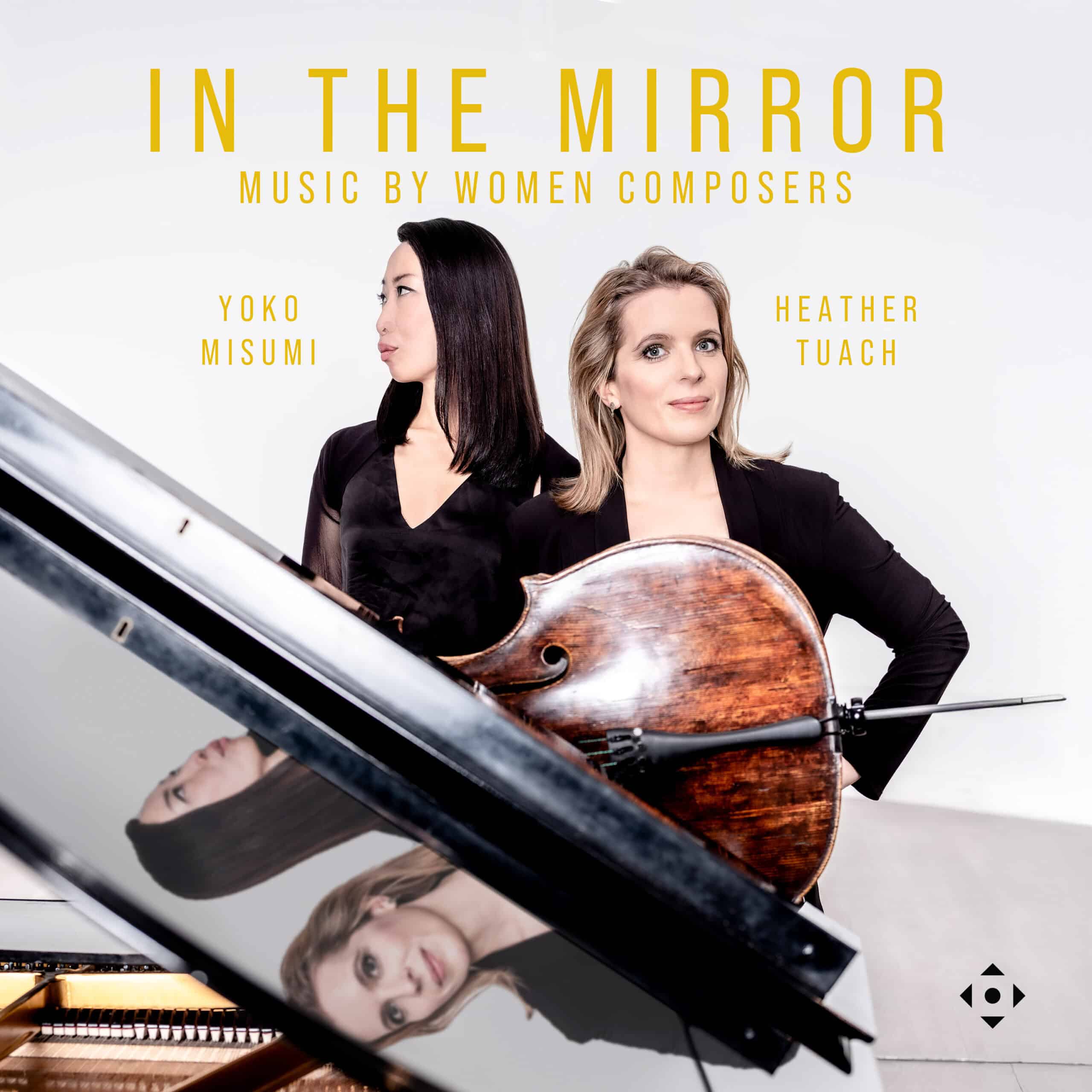
    In the Mirror is an exquisite collection of works by contemporary women composers, masterfully interpreted by cellist Heather Tuach and pianist Yoko Misumi, both members of the celebrated Greenwich Trio. This album is not just a recording—it is an emotional journey born of reflection, healing, and hope. The title piece, composed by Liz Dilnot Johnson, was commissioned specifically for this project, setting the tone for an album steeped in introspection and serenity.

    The repertoire features original works and new arrangements by renowned composers including Dobrinka Tabakova and Jessie Montgomery, whose contributions enhance the album’s contemplative spirit. Each piece carries its own story, from Jocelyn Morlock’s bird-inspired Halcyon to Jennifer Higdon’s nocturnal reverie Nocturne. These works are tied together by a shared exploration of human resilience and the quiet strength found in moments of introspection.

    The project began during the upheaval of the COVID-19 pandemic and became deeply personal for pianist Yoko Misumi, who underwent successful cancer treatment during its recording. Returning to the piano after her recovery, Misumi found solace and renewal in these compositions, describing the experience as “an emotional and musical healing.”

    Highlights include:

    • Liz Dilnot Johnson’s In the Mirror, a poignant four-movement work dedicated to personal loss and renewal.
    • Jessie Montgomery’s Peace, composed during the pandemic and adapted for cello and piano with the composer’s blessing.
    • Dobrinka Tabakova’s Whispered Lullaby, an evocative piece inspired by Goethe’s Faust.
    • Margaret Hubicki’s lyrical Lonely Mere, a tribute to the serene landscapes of the Malvern Hills.

    The album is both a celebration of female creativity and a testament to music’s power to comfort and inspire. Listening to  In the Mirror is an opportunity to pause, reflect and take in moments of profound calm amidst life’s turbulence.

    This is a must for admirers of contemporary chamber music, fans of women composers, and anyone seeking solace and beauty in music


  • Ian Stephens: Chamber Music

    Ian Stephens: Chamber Music

    In this thoughtful collection of chamber music, Ian Stephens’ work reveals a rare balance of melodic clarity and inventive disruption, qualities that have drawn artists like Cate Le Bon, Ian Broudie, and OMD to his arranging talents. Here, Stephens’ signature rhythmic vigour, theatrical subtlety, and knack for weaving unexpected moments define each piece, creating a body of work that intrigues as much as it soothes.

    Celtic Elegy for clarinet and cello sets the tone with a gentle homage to Celtic traditions. Initially inspired by the Irish air She Moved Through the Fair, the piece unfolds its own melody through understated layers, mirroring the drones and ornamentation of Scottish bagpipes. This composition showcases Stephens’ sensitivity to the soul of folk music while remaining efficient in form.

    Springhead Echoes and the Clarinet Quintet, two works linked by memory and place, extend Stephens’ nuanced approach to melody and rhythm. Commissioned in memory of Rosalind and Brian Richards, they explore themes rooted in friendship and place. Springhead Echoes for string quartet channels Brahms with themes that emerge in delicate counterpoint, invoking the charm of Rosalind’s lifelong connection to her home in Dorset. Meanwhile, the Clarinet Quintet subtly references Beethoven’s opera Fidelio, blending nostalgic elements with Stephens’ penchant for inventive structure.

    In North Country for string quartet, Stephens deftly reinterprets the folk tune The Oak and the Ash, transforming it across three movements: Lilting, Heartfelt, and With Abandon. The tune surfaces and recedes, guiding listeners through a series of evolving textures. From the reflective openness of the first movement to the vibrant, Latin-inspired rhythms of the finale, Stephens showcases his ability to shift seamlessly between tradition and innovation.

    Finally, the Oboe Quintet offers a poignant tribute to two amateur musicians of the Liverpool music scene. Here, Stephens emphasizes the oboe’s natural expressiveness through long phrases and joyful rhythmic interjections, balancing lyrical intimacy with structured dance-like sequences. The Passacaglia, inspired by Bach, builds through symmetrical chords and shifting time signatures, adding depth to the piece’s intricate framework.

    These chamber works not only illustrate Ian Stephens’ gift for melody and recontextualization but also his acute attention to instrumental character. Each piece encourages reflection, embodying both the intellect and spontaneity that mark Stephens as a contemporary voice with a profound respect for musical lineage.

    Ian Stephens, composer:

    Raised in Devon as a cellist and singer, Stephens studied at the University of Bristol and later worked with the Royal Liverpool Philharmonic Orchestra. He now teaches at Chetham’s School of Music in Manchester. His works, including Ella’s Big Chance: A Jazz Age Cinderella and Pinocchio, demonstrate his skill in elevating melody with strong rhythmic profiles and theatrical clarity. His Celtic Elegy showcases his ability to blend soul and efficiency, earning him work as an arranger for artists like Cate Le Bon and Ian Broudie.

  • Robin Stevens: A Questing Soul

    Robin Stevens: A Questing Soul

    American Record Guide 2025 Critic’s Choice

    Robin Stevens’ A Questing Soul, his fifth album with Divine Art, offers a compelling portrait of a composer whose work has evolved over nearly three decades. This collection spans a broad stylistic spectrum, charting Stevens’ progression from the lush Late Romanticism of his early works to the more dissonant and experimental idioms of his later compositions. Throughout, Stevens balances technical innovation with an underlying sense of lyricism, humour, and tonal clarity, making this album a rich listening experience for those who appreciate the depth and variety of contemporary chamber music.

    The two most substantial works on the album—Fantasy Sonata and Sonata Tempesta—were composed during Stevens’ late twenties and represent key milestones in his early output. The Fantasy Sonata, written for violinist Christine Townsend and pianist Stephen Robbings, presents an intensely focused sound world built around the octatonic scale. Its single-movement structure moves from a soulful, lamenting introduction to more turbulent, faster sections, culminating in a joyfully intense peroration. Sonata Tempesta, in contrast, is a large-scale, four-movement work whose expansive form allows Stevens to weave together moments of lyrical beauty and stormy intensity. Both pieces showcase Stevens’ ability to combine complexity and accessibility, creating compositions that are intellectually stimulating yet emotionally resonant.

    The album also includes a number of shorter works, or “miniatures,” which offer Stevens the opportunity to explore new compositional ideas on a smaller scale. Pieces like Stratospheric! for solo violin and Toccata for solo piano demonstrate his flair for virtuosity and dynamic contrasts, while others, such as Cri de Coeur, evoke more contemplative, intimate soundscapes. These miniatures are fascinating in their own right, offering a glimpse into the composer’s more experimental tendencies.

    One of the album’s more unusual works, Scherzo in Blue, brings jazz influences into Stevens’ instrumental music—a rarity in his oeuvre. The piece is infused with “blue notes” and jazzy piano chords, creating a playful yet sophisticated contrast to the more classical structures found elsewhere on the album.

    The title track, A Questing Soul, reflects the essence of the album: a compact tone poem for solo piano that alternates between dreamy lyricism and muscular, assertive themes. The piece encapsulates Stevens’ ability to juxtapose contrasting musical ideas, leaving listeners with as many questions as answers—an approach that defines much of his work.

    With its blend of large-scale sonatas, experimental miniatures, and the intriguing title track, A Questing Soul offers a comprehensive view of Robin Stevens’ compositional range. This album will appeal to those with an interest in the intersections of modernism, Romanticism, and contemporary chamber music.

  • Tomono Kawamura: Reminiscence

    Tomono Kawamura: Reminiscence

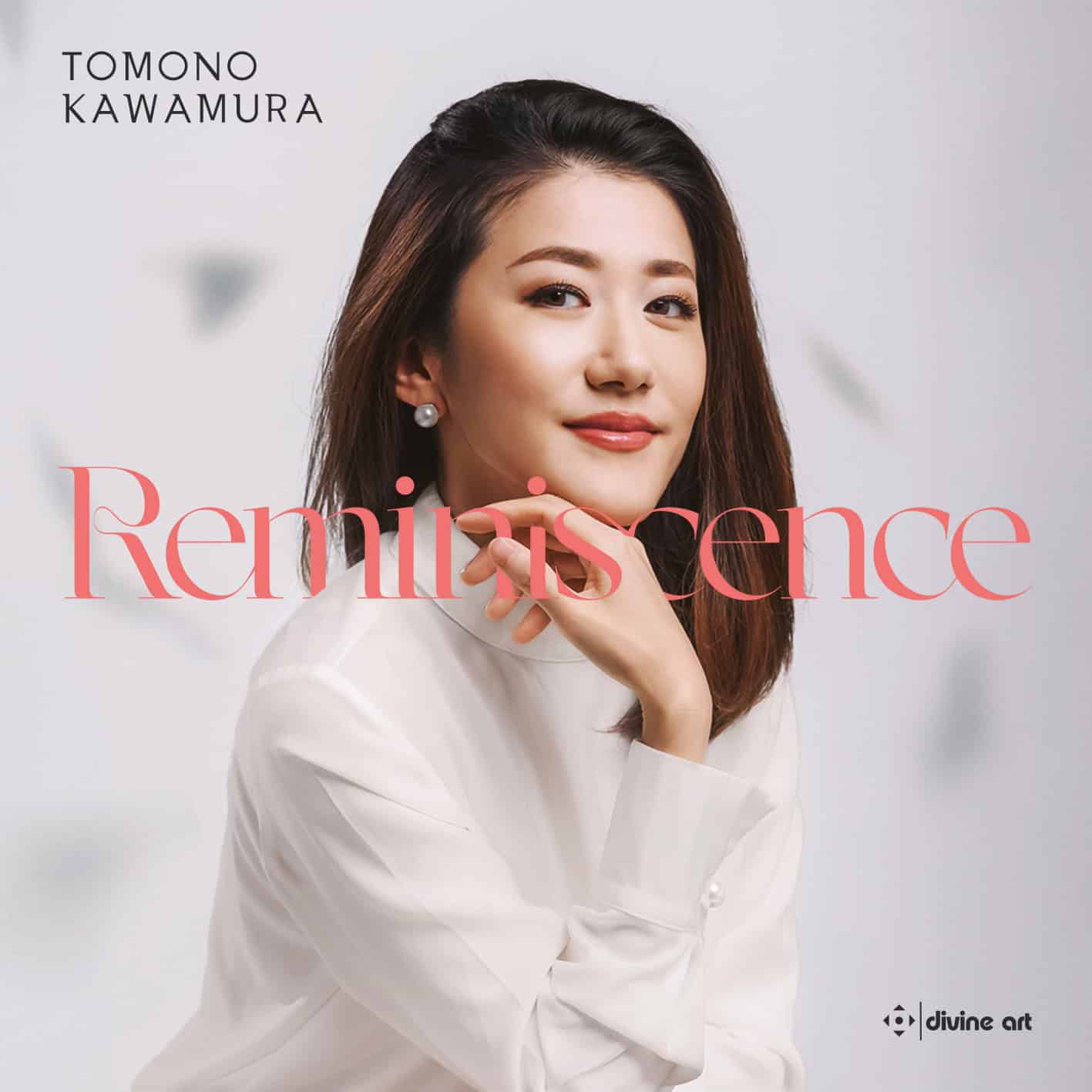
    In her new album, pianist Tomono Kawamura invites listeners on a journey through the rich tapestry of classical piano music. From her early beginnings of music education in Japan to her career on the global stage, Tomono’s deep connection to the piano shines through in every piece she plays. Her selections for this album reflect a blend of personal memories and timeless masterpieces, each one brought to life with her distinct poetic sensitivity and technical brilliance.

    The album begins with Tchaikovsky’s October, Op. 37a No. 10, from his celebrated cycle The Seasons. In choosing this particular piece, Tomono captures the reflective and nostalgic mood of autumn, with its lingering profound warmth and hint of melancholy. Her interpretation brings out the delicate interplay of light and shadow in Tchaikovsky’s evocative composition, setting the tone for the album’s journey through the changing emotional landscapes of classical music.

    Following this, Jean Sibelius’s Etude, Op. 76 No. 2 offers a glimpse into the Finnish composer’s introspective world. In Tomono’s hands, the piece’s subdued elegance and quiet intensity are carefully balanced, reflecting the stark beauty of the Finnish landscapes that inspired it. Brahms’s Hungarian Dance adds a lively burst of energy to the collection, with Tomono expertly navigating its spirited rhythms and fiery folk influences. The piece’s vibrant, dance-like qualities are captured with a joyful intensity that showcases her dynamic range and versatility.

    Tomono’s deep affinity for Chopin is evident in her performance of six of the composer’s works, each selected to highlight different facets of his genius. From the lyrical intimacy of his nocturnes to the virtuosic brilliance of his études, Tomono’s interpretations are marked by
    an emotional depth and clarity that resonate with the heart of Chopin’s music.

    The album continues with selections from Scarlatti, Rachmaninoff, Debussy, and Grieg, each piece chosen to reflect the diverse stylistic periods of the piano repertoire. Whether it’s the crystalline precision of Scarlatti’s sonatas, the sweeping passion of Rachmaninoff’s preludes, the dreamlike textures of Debussy, or the rugged beauty of Grieg, Tomono’s performances are a testament to her understanding of the masterpieces.

    A highlight of Reminiscence is the inclusion of Tomono’s own Variations which was written at the age of twelve. This original work bridges the past and present, blending classical form with contemporary expression. It serves as a showcase of her creativity and deep understanding of the classical tradition, offering a fresh voice while paying homage
    to the composers who have inspired her musical journey.

    Reminiscence is more than just a collection of classical works; it reflects Tomono Kawamura’s lifelong devotion to music. Through her thoughtful interpretations and masterful technique, she shares with listeners a deeply personal experience and memories that will resonate long after the final notes have faded.

    About Tomono Kawamura:

    Born in Japan, at the age of three, Tomono started her piano studies at the Yamaha Music School under Fumiko Eguchi. She made her orchestral debut as a soloist at fifteen. Later, Tomono was awarded a scholarship to study at the Royal Academy of Music in London with Christopher Elton where she graduated with the First Class Honours. She has won number of awards and appeared in such venues like the Wigmore Hall, London. In recent years, Tomono has appeared internationally as a solo recitalist, captivating audiences around the globe.

  • Jonathan Östlund: Rêveries

    Jonathan Östlund: Rêveries

    Rêveries is the highly anticipated new album from acclaimed composer Jonathan Östlund. Renowned for his evocative and cinematic compositions, Östlund weaves together classical elegance with contemporary innovation.

    Reveries showcases Östlund’s ability to craft immersive soundscapes and ignite the imagination. Each track on the album is a masterful blend of intricate orchestration and emotive melodies, reflecting Östlund’s deep understanding of both the power and subtlety of music. From the sweeping, majestic passages to the intimate, delicate moments, the album captures a spectrum of emotions.

    Collaborating with world-class musicians, Östlund has created an album that is not just heard, but felt. 

    “It was a moving moment for me to record Jonathan Östlund’s poetic, highly musical, and flutistic work” – Myriam Hidber-Dickinson, flute

    ”Jonathan Östlund’s music has this rare emotional freshness, which I really appreciate in music. His style gives us, performers, a lot of ways for searching colors, timbres, images, all that we call ‘interpretation’.” – Evgheny Brakhman, piano

    Jonathan Östlund, a Swedish composer with a BA and MA in Composition from LTU, has completed nearly 200 works, including orchestral pieces and violin concertos. His music, performed by renowned musicians like Einar Steen-Nokleberg and Yuri Revich, is released under Divine Art Records, with acclaimed albums such as “Lunaris,” “Voyages,” “Mistral,” “Imago,” and 2023’s “Elysian”. Östlund’s achievements include premieres and CD releases with the London Schubert Players, awards like the Public Choice Award for his Cello Sonata and the Leicester Symphony Orchestra’s 1st Prize for “Celebration Fanfare.” His works have been performed across Europe, the UK, and the USA.