Product Cat: Recording

  • Tomono Kawamura: Reminiscence

    Tomono Kawamura: Reminiscence

    In her new album, pianist Tomono Kawamura invites listeners on a journey through the rich tapestry of classical piano music. From her early beginnings of music education in Japan to her career on the global stage, Tomono’s deep connection to the piano shines through in every piece she plays. Her selections for this album reflect a blend of personal memories and timeless masterpieces, each one brought to life with her distinct poetic sensitivity and technical brilliance.

    The album begins with Tchaikovsky’s October, Op. 37a No. 10, from his celebrated cycle The Seasons. In choosing this particular piece, Tomono captures the reflective and nostalgic mood of autumn, with its lingering profound warmth and hint of melancholy. Her interpretation brings out the delicate interplay of light and shadow in Tchaikovsky’s evocative composition, setting the tone for the album’s journey through the changing emotional landscapes of classical music.

    Following this, Jean Sibelius’s Etude, Op. 76 No. 2 offers a glimpse into the Finnish composer’s introspective world. In Tomono’s hands, the piece’s subdued elegance and quiet intensity are carefully balanced, reflecting the stark beauty of the Finnish landscapes that inspired it. Brahms’s Hungarian Dance adds a lively burst of energy to the collection, with Tomono expertly navigating its spirited rhythms and fiery folk influences. The piece’s vibrant, dance-like qualities are captured with a joyful intensity that showcases her dynamic range and versatility.

    Tomono’s deep affinity for Chopin is evident in her performance of six of the composer’s works, each selected to highlight different facets of his genius. From the lyrical intimacy of his nocturnes to the virtuosic brilliance of his études, Tomono’s interpretations are marked by
    an emotional depth and clarity that resonate with the heart of Chopin’s music.

    The album continues with selections from Scarlatti, Rachmaninoff, Debussy, and Grieg, each piece chosen to reflect the diverse stylistic periods of the piano repertoire. Whether it’s the crystalline precision of Scarlatti’s sonatas, the sweeping passion of Rachmaninoff’s preludes, the dreamlike textures of Debussy, or the rugged beauty of Grieg, Tomono’s performances are a testament to her understanding of the masterpieces.

    A highlight of Reminiscence is the inclusion of Tomono’s own Variations which was written at the age of twelve. This original work bridges the past and present, blending classical form with contemporary expression. It serves as a showcase of her creativity and deep understanding of the classical tradition, offering a fresh voice while paying homage
    to the composers who have inspired her musical journey.

    Reminiscence is more than just a collection of classical works; it reflects Tomono Kawamura’s lifelong devotion to music. Through her thoughtful interpretations and masterful technique, she shares with listeners a deeply personal experience and memories that will resonate long after the final notes have faded.

    About Tomono Kawamura:

    Born in Japan, at the age of three, Tomono started her piano studies at the Yamaha Music School under Fumiko Eguchi. She made her orchestral debut as a soloist at fifteen. Later, Tomono was awarded a scholarship to study at the Royal Academy of Music in London with Christopher Elton where she graduated with the First Class Honours. She has won number of awards and appeared in such venues like the Wigmore Hall, London. In recent years, Tomono has appeared internationally as a solo recitalist, captivating audiences around the globe.
  • Jonathan Östlund: Rêveries

    Jonathan Östlund: Rêveries

    Rêveries is the highly anticipated new album from acclaimed composer Jonathan Östlund. Renowned for his evocative and cinematic compositions, Östlund weaves together classical elegance with contemporary innovation.

    Reveries showcases Östlund’s ability to craft immersive soundscapes and ignite the imagination. Each track on the album is a masterful blend of intricate orchestration and emotive melodies, reflecting Östlund’s deep understanding of both the power and subtlety of music. From the sweeping, majestic passages to the intimate, delicate moments, the album captures a spectrum of emotions.

    Collaborating with world-class musicians, Östlund has created an album that is not just heard, but felt. 

    “It was a moving moment for me to record Jonathan Östlund’s poetic, highly musical, and flutistic work” – Myriam Hidber-Dickinson, flute

    ”Jonathan Östlund’s music has this rare emotional freshness, which I really appreciate in music. His style gives us, performers, a lot of ways for searching colors, timbres, images, all that we call ‘interpretation’.” – Evgheny Brakhman, piano

    Jonathan Östlund, a Swedish composer with a BA and MA in Composition from LTU, has completed nearly 200 works, including orchestral pieces and violin concertos. His music, performed by renowned musicians like Einar Steen-Nokleberg and Yuri Revich, is released under Divine Art Records, with acclaimed albums such as “Lunaris,” “Voyages,” “Mistral,” “Imago,” and 2023’s “Elysian”. Östlund’s achievements include premieres and CD releases with the London Schubert Players, awards like the Public Choice Award for his Cello Sonata and the Leicester Symphony Orchestra’s 1st Prize for “Celebration Fanfare.” His works have been performed across Europe, the UK, and the USA.

  • Frederick Paul Naftel: Orchestral, chamber and instrumental works

    Frederick Paul Naftel: Orchestral, chamber and instrumental works

    Frederick Paul Naftel’s new album showcases his eclectic compositional style through a diverse collection of works. 

    3 Premiere Recordings:

    Aphoristic Impressions, composed in 2023 for American pianist Haley Myles, captures the essence of various landscapes through five short piano pieces. These pieces evoke images of the underwater church at Dunwich, Suffolk, the eruption of an Icelandic geyser, the indigenous wildlife of the Australian outback and Uluru/Ayers Rock, a peaceful night-time portrait of a Japanese garden, and Whirlpool Rapids Gorge on the Niagara River.

    Naftel’s String Quartet No.2, composed during the initial Coronavirus pandemic, reflects the era’s tumultuous nature. Unlike his first quartet, this single-movement piece is divided into five sections with an epilogue. The music oscillates between tranquil static passages and furious, violent sections, marked by intervals of a major 7th and minor 2nd. The Lento opening flows serenely but mysteriously, evolving through a relentless Allegro feroce, transitioning to an Adagio Sostenuto reminiscent of plainsong, and culminating in a powerful and enigmatic epilogue featuring recorded cello pizzicato.

    The Folksong Suite for String Orchestra and Timpani draws on six English and Scottish folksongs, including John Peel, Early One Morning, Ca’ the Yowes, Loch Lomond, Dashing Away With The Smoothing Iron, and Lincolnshire Poacher.

    Legacy Recordings:

    Pascal’s Victim for Tuba Quartet, composed for the North West-based Tubalaté, features three movements based on the Gregorian Chant Victamae Paschali. Each movement uniquely fragments the theme, particularly in the slow second movement, where a short melodic motive is varied by gently shifting harmonies.

    Song of Songs: Rhapsody for String Orchestra and Harp is an ethnic-flavoured rhapsody based on Hebraic chants and original material, featuring melodies like “Yigdal” and “Hatikvah.” This piece evokes imagery suited for films set in Biblical times or perhaps documentaries about the Middle East.

    Villancico for Guitar and Small Orchestra bridges the music of the Spanish Renaissance and Joaquin Rodrigo in a charming and lyrical Rondo form, while Aubade Pastorale for String Orchestra is a short tone poem depicting a hazy day in the English countryside, using original themes inspired by the English Pastoral School, particularly Ralph Vaughan Williams.

    Frederick Paul Naftel, born in Manchester in 1956, is an eclectic composer drawing inspiration from diverse sources such as landscapes, nature, and historical events. His compositions span various styles and formats, creating distinct moods and atmospheres. His repertoire includes Concerti for Orchestra, Symphonies, chamber music, and vocal works. Notable works include the Double Concerto for Bass Tuba and Contrabass Tuba, the Bass Clarinet Concerto, Aubade Pastorale, and the Sanctus for female voices, strings, and piano. He received an award from the Paul Hamlyn Foundation in 2020 and was runner-up in the King Lear Arts Competition. Naftel is currently working on his Third Symphony, dedicated to Sir James MacMillan, and future orchestral works. Naftel’s music has been praised for its eccentricity, individuality and distinctive voice in contemporary music.

  • James Cook: Olympus and Apollo

    James Cook: Olympus and Apollo

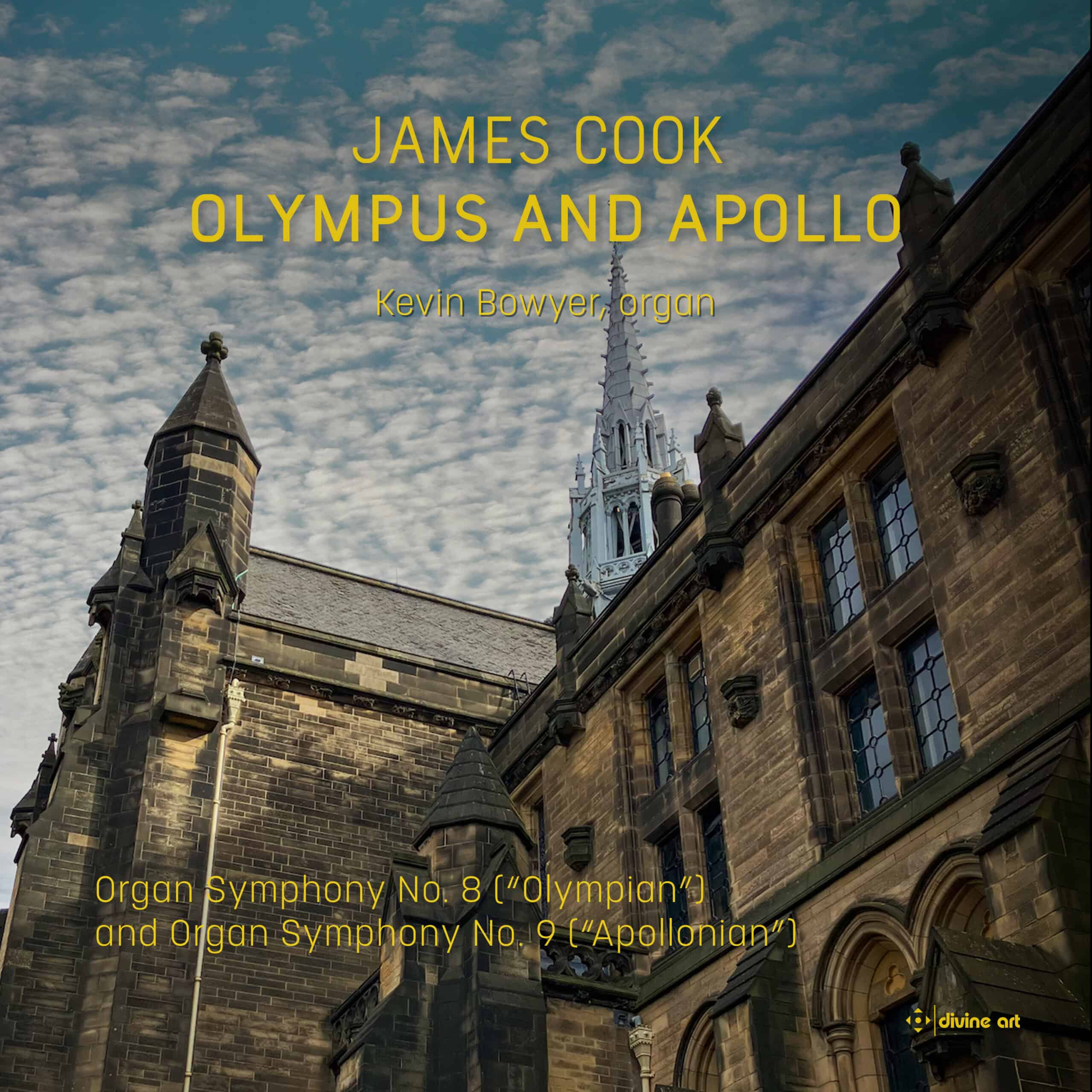
    Divine Art presents two stunning organ symphonies by renowned composer James Cook, performed by the eminent British organist, Kevin Bowyer. Making his debut on the Divine Art label, Bowyer brings to life Cook’s Symphony No. 8 (“Olympian”) and Symphony No. 9 (“Apollonian”), both crafted in 2006 and masterfully orchestrated in 2011. This remarkable recording took place on the majestic organ of Glasgow University Memorial Chapel in 2023.

    James Cook, a prolific composer born in 1963, studied composition at Oxford University and has since created a vast array of music, including operatic extracts, sacred choral works, and an impressive collection of organ compositions. This new release marks the ninth album of Cook’s music by Divine Art, showcasing his continuous evolution as a composer.

    The Olympian Symphony, Cook’s eighth symphony, is an expansive and evocative piece inspired by Mount Olympus, the mythical home of the Greek gods. It consists of four movements: Soliloquy, a meditative and introspective movement that builds to a powerful climax before gently fading away; Anglais, an energetic and angular dance in 2/2 time, contrasting leaping intervals with scalic melodies; Pastorale, a serene nocturnal scene, mostly quiet with a dynamic central section, concluding with a whispering ppp; and Expansum, grand and noble, featuring majestic chords and sweeping passages that suggest an endless journey. Prefacing the symphony, Cook includes a quote from John Trapp: “Should we not be as serious and sedulous in building staircases for heaven as the wicked are in digging descents to hell.”

    The Apollonian Symphony, Cook’s ninth symphony, depicts the vibrant and varied experiences of a long summer’s day by the seaside in Victorian or Edwardian times. It comprises seven movements: Introduzione, where dawn breaks on a summer morning; Allegro, capturing the excitement of starting the day’s adventures; Allegretto, reflecting a mellow, reflective mood at noon; Alla Marcia, as a military band parades by in the afternoon; Presto, with a playful street urchin mocking the band as it passes; Prestissimo, where the day grows more intense as the late afternoon heat gives way to early evening revelries; and Adagissimo, concluding the day as the visitor retreats to the tranquility of a forest, ending the night in peaceful reflection. The finale is titled with Cook’s own words: “Fractious day yields to sublime night.”

    Kevin Bowyer, celebrated for his unparalleled skill and daring performances, has captivated audiences worldwide. Born in Southend-on-Sea, Bowyer trained at the Royal Academy of Music and further honed his craft under the guidance of David Sanger. His illustrious career includes numerous accolades, such as the prestigious Medal of the Royal College of Organists and the “Lifetime Award” from the German Record Critics in 2023.

  • Schubert: Piano Quintet in A Major, D. 667 (“The Trout”)

    Schubert: Piano Quintet in A Major, D. 667 (“The Trout”)

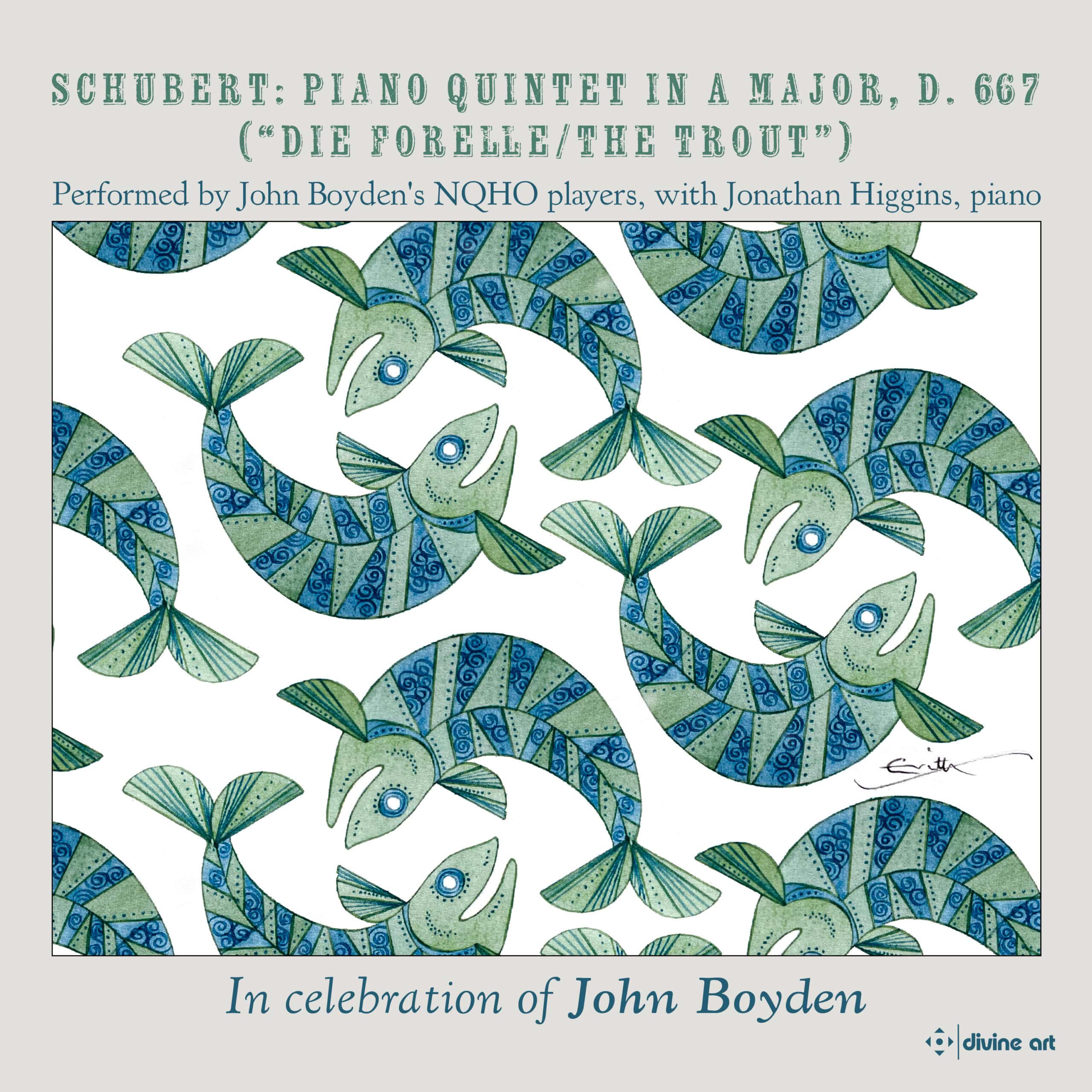
    This digital release is a companion to “John Boyden: A Celebration” and presents a new recording of Schubert’s Piano Quintet in A major, D. 667 (“Die Forelle/The Trout”), performed by Jonathan Higgins and the New Queen’s Hall Orchestra. John Boyden, a luminary in the British music industry, is honored with this tribute, marking his exceptional contributions to classical music.

    John Boyden’s illustrious career began with the founding of Classics for Pleasure, achieving the remarkable feat of selling four million classical recordings in four years. As the first Managing Director of the London Symphony Orchestra, he navigated a tumultuous period with visionary leadership. Boyden’s innovative spirit also led to the creation of several independent classical record companies and the New Queen’s Hall Orchestra, dedicated to reviving early 20th-century performance styles.

    Boyden championed a return to the classic Double Cube or Shoebox concert hall design and criticized the modern orchestra’s growing volume. His belief in the human pulse over the metronome’s tyranny reflected his commitment to authentic musical expression.

    Born on 14 September 1936 in Woolwich, London, Boyden’s journey in music was predestined. His entrepreneurial ventures, including Philharmonic Records and John Boyden Recordings, showcased his dedication to bringing classical music closer to enthusiasts. Collaborating with Paul Hamlyn, he launched Classics for Pleasure, resonating with global audiences.

    Boyden’s tenure as the inaugural Managing Director of the London Symphony Orchestra was marked by significant artistic developments. Despite facing challenges, his influence was profound. His subsequent roles as a writer for Private Eye and the launch of Enigma Classics demonstrated his versatility and commitment to the industry.

    Disillusioned by contemporary orchestral recording practices, Boyden revived the New Queen’s Hall Orchestra in 1992, preserving the traditions of the original orchestra and championing a more organic approach to music-making.

    John Boyden’s legacy transcends his numerous achievements; it lives on in the hearts of those inspired by his unwavering pursuit of artistic integrity. This exquisite recording of Schubert’s masterpiece celebrates his enduring impact.

  • Dina Parakhina: 200 Years Diabelli Variations

    Dina Parakhina: 200 Years Diabelli Variations

    Celebrating 200 Years of the Diabelli Project

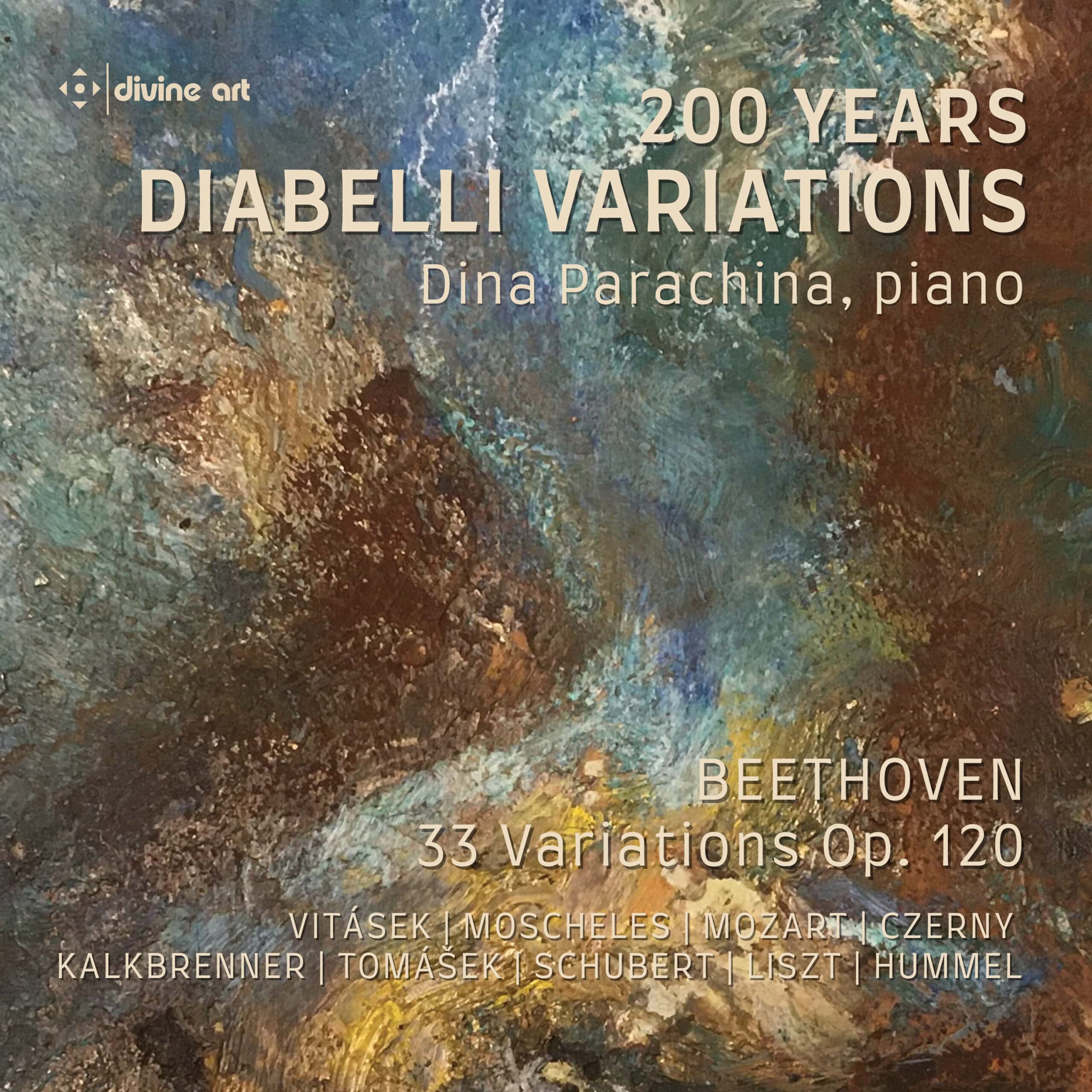
    To commemorate the bicentennial of Beethoven’s Diabelli Variations, the Divine Art label proudly presents “ 200 Years: Diabelli Variations”. Originally introduced by Anton Diabelli with words of admiration for its innovation and artistic brilliance, the Diabelli Variations have since transcended time, becoming a cornerstone of the piano repertoire, rivalling even the esteemed works of J.S. Bach.

    The story behind the Diabelli Variations adds to their mystique. Legend has it that Beethoven initially dismissed Diabelli’s theme as a mere “cobbler’s patch.” Yet, he later transformed this simple waltz into a complex, kaleidoscopic masterpiece, showcasing a wide range of characters, styles, and textures. From playful parodies to profound meditations, Beethoven’s variations span over 60 minutes of inventive musical exploration.
    Renowned pianist Dina Parakhina, who first performed the Diabelli Variations during her final recital at the Moscow Conservatory, brings her deep understanding and lifelong study of this monumental work to her latest recording. Parakhina’s interpretation captures the intricate structural unity and the emotional depth of Beethoven’s composition, reflecting her illustrious career and devotion to classical music.

    About Dina Parakhina
    Dina Parakhina, a distinguished Russian pianist and educator, has been a Piano Professor at the Royal College of Music since 2009 and a College Fellow since 2019. She has taught at prestigious institutions such as the Central Music School in Moscow and Chetham’s School of Music, and currently holds a position at the Royal Northern College of Music. Parakhina has performed globally as a soloist, made numerous recordings, and given master-classes around the world. Her expertise and passion for music have also seen her serve on juries for international piano competitions.

    Parakhina’s illustrious career began in Sochi and led her to study under notable mentors in Moscow. She toured extensively with the Bolshoi Theatre Orchestra and later organized significant projects like the Medtner Marathon, which celebrated the works of Nikolai Medtner. Her recording of Medtner’s Piano Sonatas and Fairy Tales was critically acclaimed, highlighting her dedication to bringing classical masterpieces to contemporary audiences.

  • Diary of the Bee: Chamber Music by Helen Leach

    Diary of the Bee: Chamber Music by Helen Leach

    A Masterpiece Recorded at Historic Marchmont House

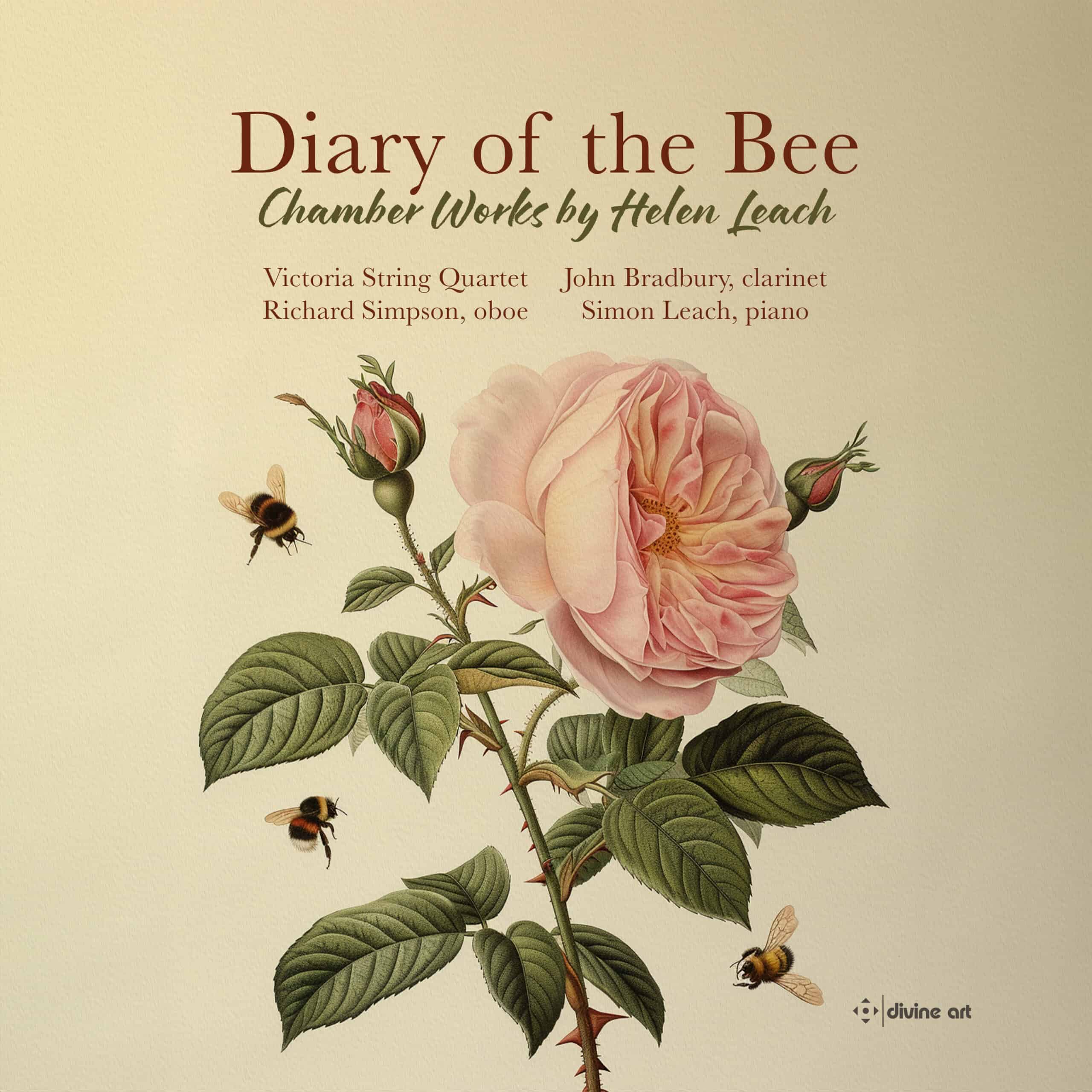
    Composer Helen Leach, known for her enchanting compositions that evoke rich landscapes and deep emotions, releases her album titled “Diary of the Bee.” This new collection features a series of rich, tonally traditional compositions. With all tracks being world premiere recordings, the album showcases Leach’s remarkable ability to blend lyrical melodies with profound storytelling.
    “Diary of the Bee” marks a significant addition to the classical repertoire, offering listeners an absorbing journey through Leach’s musical landscapes. Each piece on the album unveils a unique narrative, beautifully performed by leading instrumental soloists alongside the esteemed Victoria String Quartet. Reflecting on the inspiration behind her compositions, Leach shares, “Every piece in this album holds a special place in my heart, drawing from personal experiences and the beauty of nature that surrounds me.” Indeed, each composition in “Diary of the Bee” tells a story, from the evocative tribute to Prince Philip in “An Edinburgh Farewell” to the introspective musings captured in “Letters from the Owl House.”

    Among the highlights of the album is “Cup of Kindness,” a poignant ode to the universal warmth and blessings symbolised by Robert Burns’ iconic line, “we’ll tak’ a cup o’ kindness yet.” With its tender melodies and thoughtful arrangements, the piece resonates with a sense of harmony and peace.

    Another standout track, “Tenera Caritate,” showcases Leach’s mastery in crafting expressive rhapsodies, as she explores themes of love, hope, and healing through the emotive interplay of clarinet and string quartet.

    Listeners will also be enchanted by “Where Hope Was Sown,” a commissioned piece dedicated to Mr. Oliver Burge, of Marchmont Farms, which beautifully captures the essence of the Lapwing bird and its pastoral habitat through delicate musical motifs.
    From the haunting melodies of “The Black Rood of Scotland” to the elegant conversations of “A Song Without Words,” “Diary of the Bee” offers a tapestry of sound that is instantly appealing.

    Recorded at the historic Marchmont House in Scotland, where Leach is Composer-in-Residence, “Diary of the Bee” not only captures the essence of Leach’s compositions but also the timeless beauty of its surroundings. With its richly layered compositions and superb performances, “Diary of the Bee” stands as a testament to Helen Leach’s extraordinary talent and her ability to weave intricate musical narratives.

    The digital edition includes 2 extra tracks:
    Letters from the Owl House: Syzygy (Prelude)
    Letters from the Owl House: Touch of Heaven (Courante)

    Customers purchasing the CD from this website will receive the extra tracks as downloads. Download link is provided via email upon completion of CD purchase.

  • Thomas Pitfield: String Chamber Music

    Thomas Pitfield: String Chamber Music

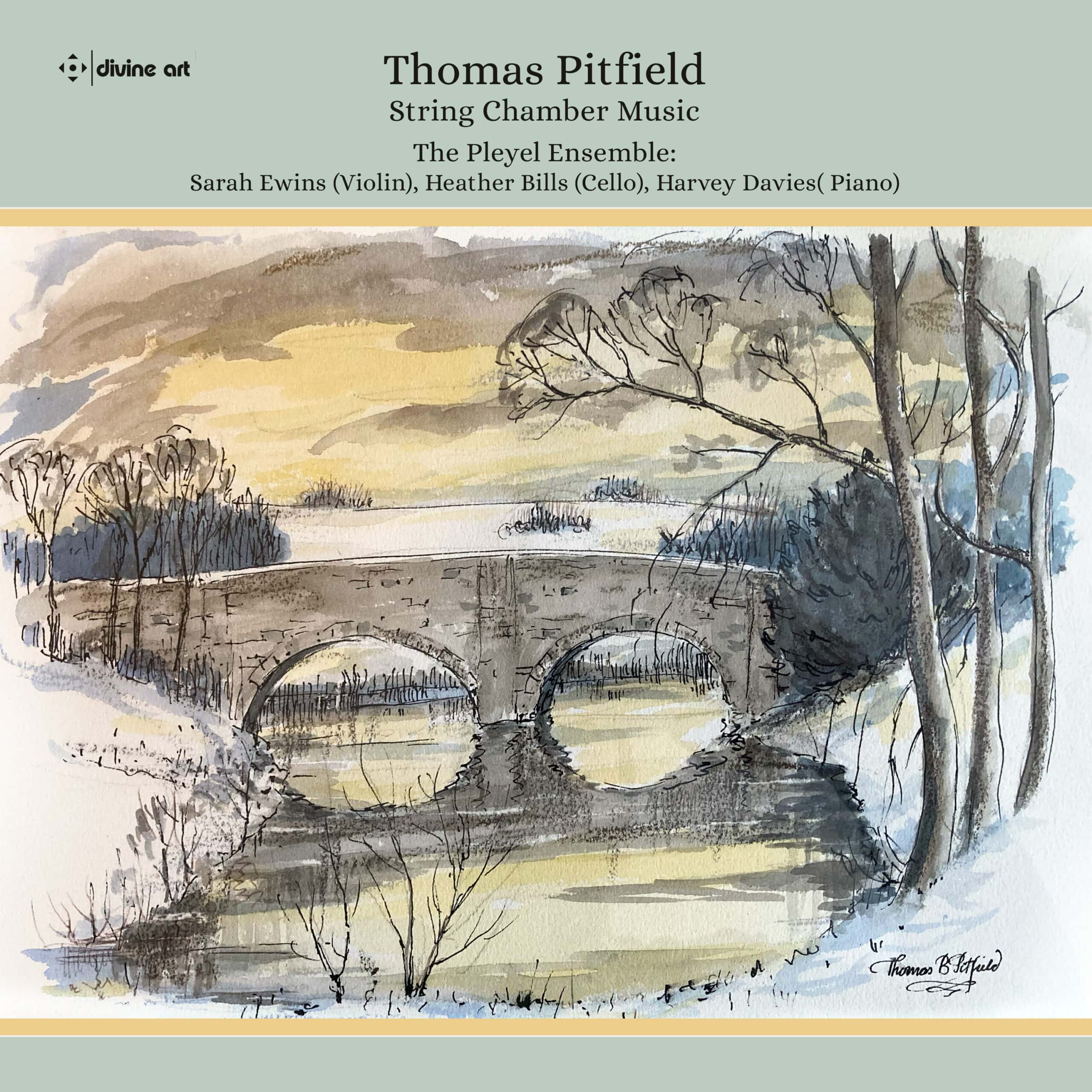
    This is a remarkable collection of 5 compositions for strings by Thomas Pitfield, performed with thoughtful skill by members of the Pleyel Ensemble. This album of Pitfield’s string chamber music is accompanied by two further Divine Art releases – The Songs of Thomas Pitfield performed by tenor James Gilchrist and pianist Nathan Williamson and Thomas Pitfield (DDX 21119): His Friends & Contemporaries, including works from a fine collection of composers (DDX 21246)

    These albums serve to shed light on Thomas Pifield’s considerable contribution to British music. Throughout his tenure as a composition teacher, Pitfield played a pivotal role in shaping the careers of notable composers like John McCabe, David Ellis, and John Golland, the latter of whom also shared a close personal friendship with Pitfield. Despite being somewhat overshadowed by the achievements of his contemporaries, Pitfield’s legacy lives on through a revival of interest in his music.
    This album offers a glimpse into Pitfield’s artistic vision and craftsmanship. Pitfield’s compositions are filled with elegance, lyricism, and emotional depth. His music not only showcases his technical skill but also reflects his genuine love for the art form and his dedication to inspiring future generations of musicians.

    The Pleyel Ensemble was formed in Manchester in January 2011. They are friends and colleagues who draw on a wealth of experience gained through many years of music-making. Since forming, they have given over 200 concerts, and have an enormous and varied repertoire of chamber music. The Pleyel Ensemble was delighted to be chosen as Making Music Recommended Artists for the 2016/17 and 2019/20 seasons and has appeared at Music Societies and Festivals all over the UK.

    The ensemble takes its name from the Classical composer Ignaz Pleyel (1757-1831), a brilliant musician and businessman, who, in addition to writing a large body of accessible chamber music, helped increase the popularity of this wonderful kind of music-making amongst amateurs and professionals as both music publisher and piano manufacturer in the early nineteenth century.

  • Kefi: Choral & Chamber Works by Lydia Kakabadse

    Kefi: Choral & Chamber Works by Lydia Kakabadse

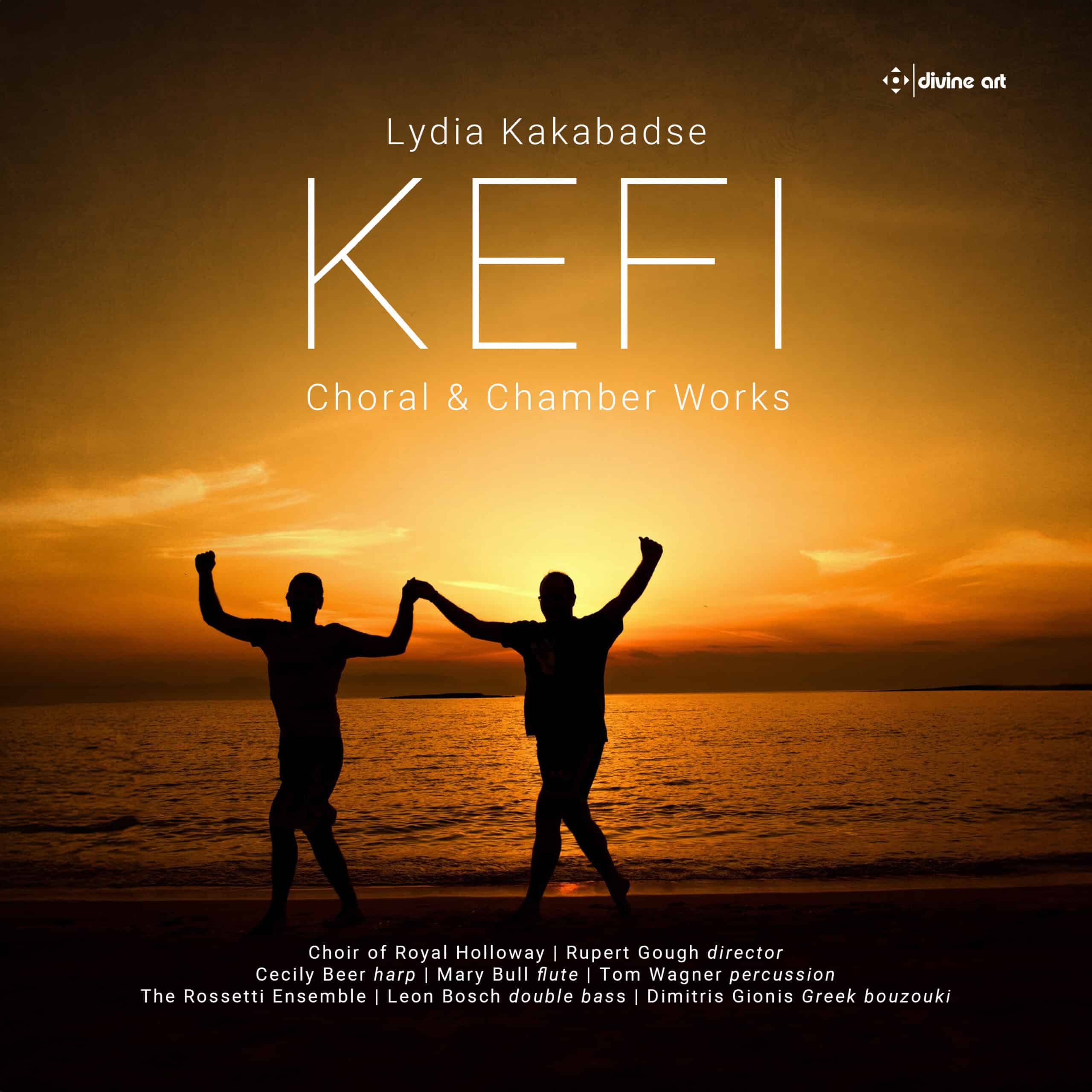
    British born composer Lydia Kakabadse enjoys a multi-cultural heritage (Greek/Austrian mother and Georgian/Russian father) which deeply informs her musical output. Her new album, recorded in London, features an even more diverse range of music than her previous albums, incorporating ethnic instruments into Western music. Making much use of the ‘alternative string quartet’ (violin viola, cello and double bass), the title track Kefi also introduces the Greek Bouzouki. While demonstrating a wide diversity of textures and styles, overall the music is coloured by use of the double harmonic scale. As well as a number of chamber works the highlight of the album is the choral work Thirty Steps commissioned by the Hellenic Institute at Royal Holloway whose choir, widely regarded as among the best mixed-voice choirs in Britain today, perform the work here. The other performers here are all experienced and very well regarded in their own fields.

    Lydia Kakabadse, celebrated for her diverse music, specialises in choral, chamber, and vocal compositions. Influenced by her multicultural background and upbringing in Greek and Russian Orthodox traditions, she draws inspiration from Orthodox Church music, medieval melodies, and Greek and Middle Eastern dance. Trained in piano and double bass from a young age, she pursued music studies at Royal Holloway, University of London. Her works, including string quartets, choral pieces, and concert requiems, have garnered critical acclaim and have been featured on recordings by labels such as Naxos and Divine Art. Notable commissions include “I Remember” for Forest Preparatory School and “Odyssey” for The Hellenic Institute. Her compositions have been performed internationally at festivals and by esteemed ensembles, and her string quartet “Russian Tableaux” has been broadcast on BBC Radio 3. Currently pursuing a PhD in ethnomusicology, Lydia continues to enrich the musical landscape with her distinctive and vibrant creations.

  • Thomas Pitfield: His Friends & Contemporaries

    Thomas Pitfield: His Friends & Contemporaries

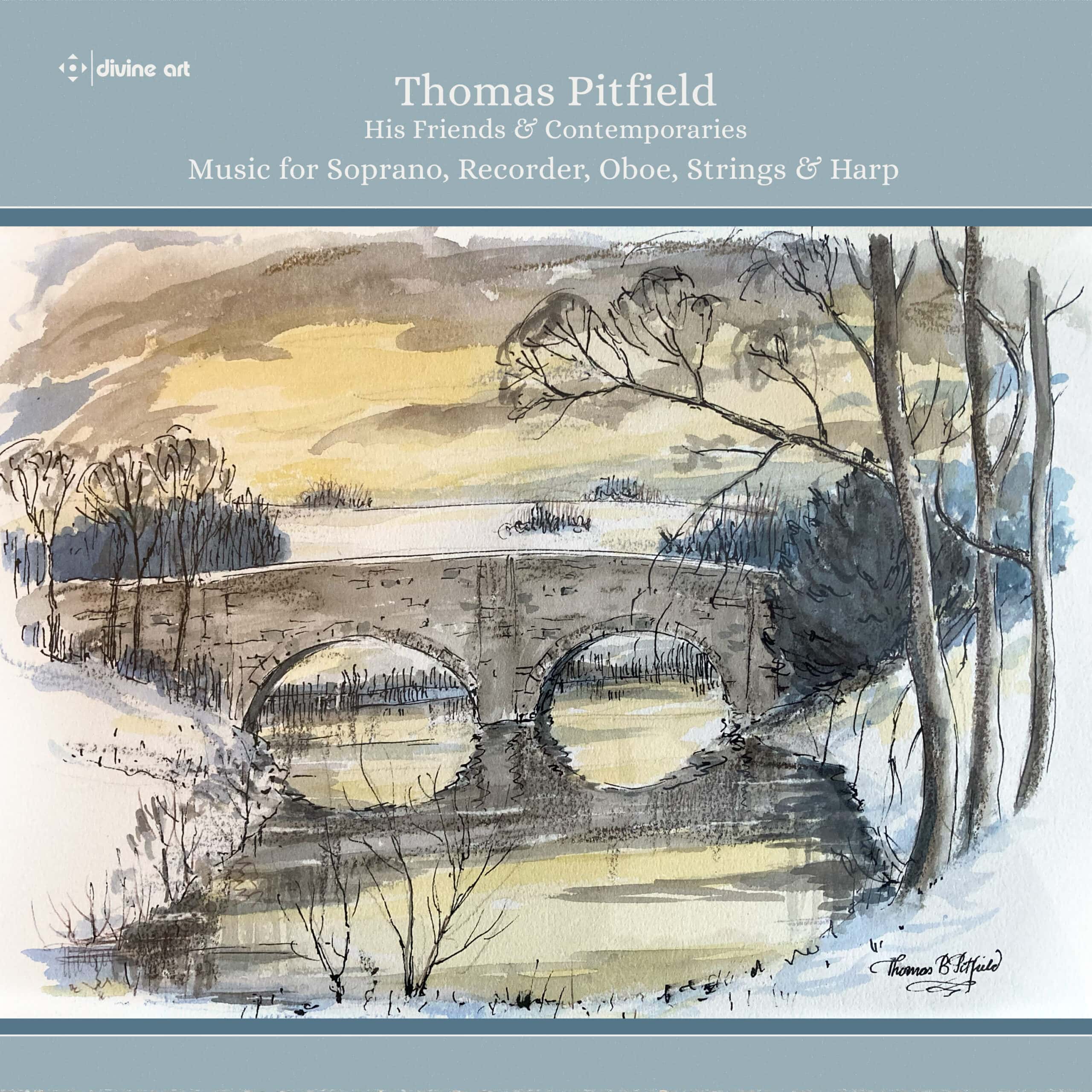
    “Thomas Pitfield: His Friends & Contemporaries” pays homage to the multifaceted talent of Thomas Baron Pitfield (1903-1999). Pitfield was not just a composer; he embodied the essence of a Renaissance man, excelling in various fields including teaching, visual arts, poetry, writing, furniture making, and ornithology. Despite his immense talents, Pitfield remained modest and unassuming, dedicating himself to nurturing the gifts of his students at the Royal Manchester College of Music, where he taught composition from 1947 onwards.

    This album sheds light on Pitfield’s contributions to the classical music landscape, showcasing his compositions alongside those of his contemporaries including John Joubert, E. J. Moeran, Ernst Hermann Meyer, John McCabe, and many more. While Pitfield’s name may not be as widely recognized as some of his peers from the “Manchester School,” such as Richard Hall, his music exudes charm, wit, and inventiveness that captivate listeners. In an era marked by the emergence of modernist compositions, Pitfield chose to traverse the middle ground, creating music that resonates with its timeless appeal.

    Throughout his tenure as a composition teacher, Pitfield played a pivotal role in shaping the careers of notable composers like John McCabe, David Ellis, and John Golland, the latter of whom also shared a close personal friendship with Pitfield. Despite being somewhat overshadowed by the achievements of his contemporaries, Pitfield’s legacy lives on through a revival of interest in his music.

    The album offers a glimpse into Pitfield’s musical world, featuring a selection of chamber and instrumental works that highlight his artistic vision and craftsmanship. Pitfield’s compositions are filled with elegance, lyricism, and emotional depth. His music not only showcases his technical skill but also reflects his genuine love for the art form and his dedication to inspiring future generations of musicians.

    Moreover, the album serves as a tribute to Pitfield’s enduring influence on his peers and students. His selfless encouragement and mentorship left an indelible mark on those he taught, fostering a sense of camaraderie among composers and musicians. Pitfield’s generosity of spirit and unwavering commitment to excellence resonate throughout the album, underscoring his legacy as both an artist and an educator.

    This double album celebrates the life and work of a remarkable individual whose contributions to the world of classical music extend far beyond his compositions. Through this album, listeners will rediscover the brilliance of Thomas Baron Pitfield and the rich music woven by his friends and contemporaries.

  • Joseph Sonnabend: Instrumental and Chamber Works

    Joseph Sonnabend: Instrumental and Chamber Works

    2025 Contemporary Music International Classical Music Award Nominee

    Dr. Joseph Sonnabend: A Musical Journey Reflecting a Life of Compassion and Innovation

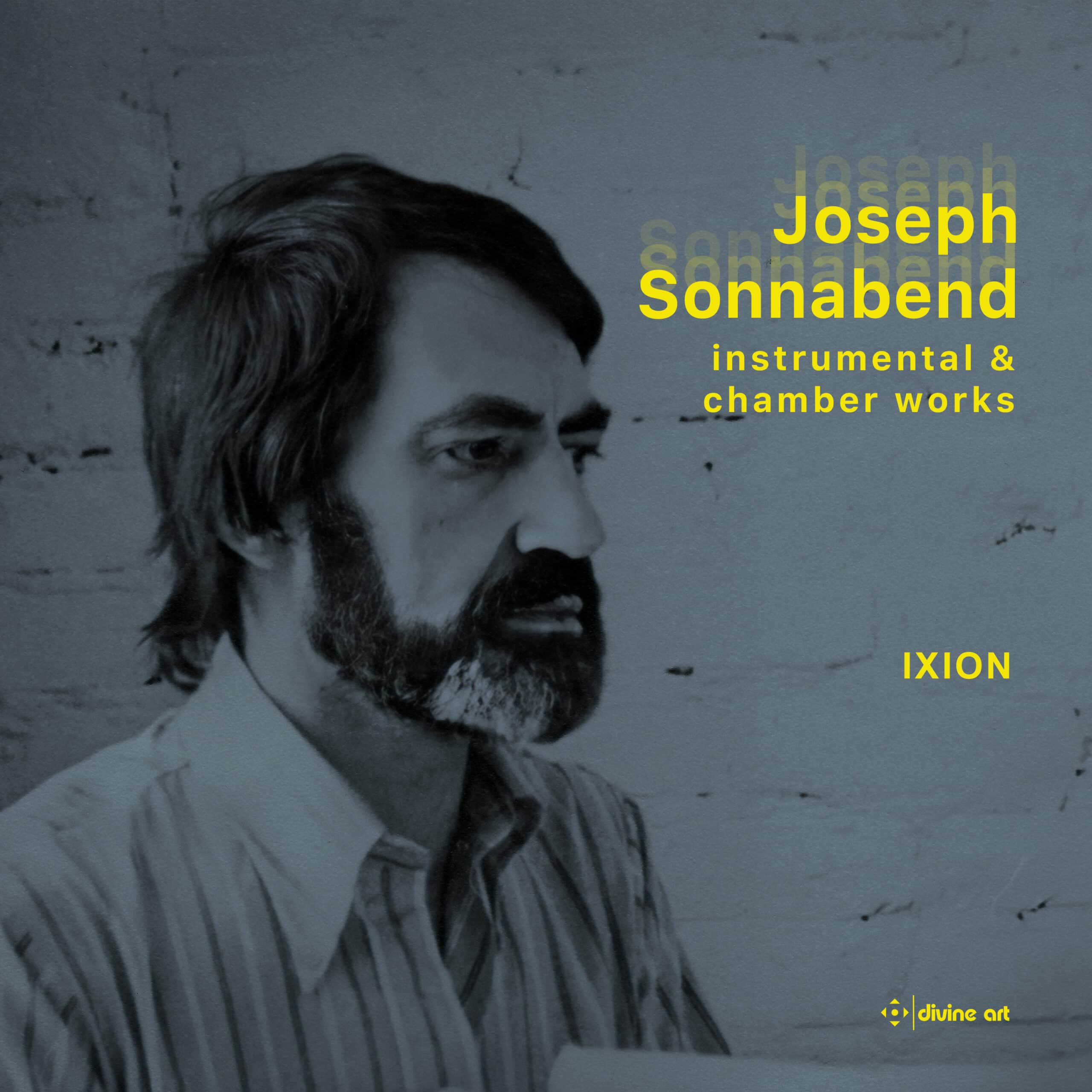
    Renowned AIDS researcher and clinician Dr. Joseph Sonnabend, who was known for his groundbreaking work in HIV/AIDS research, had a hidden facet of his extraordinary life – as a composer. Despite his illustrious medical career, Joseph Sonnabend’s passion for composition remained largely concealed from the public eye. However, with this album, we are invited into his world of instrumental and chamber works, showcasing his exceptional talent and profound musical sensibility.

    The collection of pieces featured on offers a glimpse into Dr. Sonnabend’s rich musical landscape. From piano solos to chamber works, each composition bears the mark of his deep appreciation for chromatic melodies and harmony, influenced by composers such as Alban Berg and Arnold Schoenberg.

    Collaborator Dr Andrew Toovey, who played a pivotal role in bringing Dr. Sonnabend’s compositions to life, reflects on the process: “Working with Joseph on his compositions was certainly a fascinating journey for both of us.” Together, they meticulously curated a selection of works, refining unfinished pieces and even commissioning new ones, resulting in a cohesive representation of the Sonnabend soundworld.

    Listeners can expect to be delighted by the diverse range of compositions, each offering a unique musical experience. Highlights include the Piano Trio, which weaves a chromatic melodic line throughout its entirety, and “Fluctuations,” a mesmerizing solo violin piece that oscillates between reflective and virtuosic passages.

    In addition to instrumental works, the album features poignant vocal pieces such as the Three Songs for soprano and piano accompaniment, which set a collection of haiku poetry to melodic and emotive music, creating a deeply resonant listening experience.

    Reflecting on his late-in-life debut as a composer, Dr. Sonnabend’s journey comes full circle, encompassing a lifetime of compassion, innovation, and artistic expression. His compositions serve not only as a testament to his musical talent but also as a poignant reminder of his profound response to the HIV/AIDS pandemic, which he tirelessly battled throughout his career.

    This album is not only a celebration of Dr. Sonnabend’s musical legacy but also a tribute to his unwavering commitment to humanity. As listeners embark on discovering this music, they are invited to experience the depth of emotion and the enduring legacy of a remarkable individual.

    Dr. Joseph Sonnabend (1933-2021) was a pioneering AIDS researcher and clinician, widely respected for his compassionate approach to patient care and his groundbreaking contributions to HIV/AIDS research. In addition to his medical career, Dr. Sonnabend was a prolific composer, whose debut album, “Thoughts and Programme Notes,” offers a glimpse into his remarkable musical talent and creative vision.

  • Matt Dibble: 24 Preludes and Fugues

    Matt Dibble: 24 Preludes and Fugues

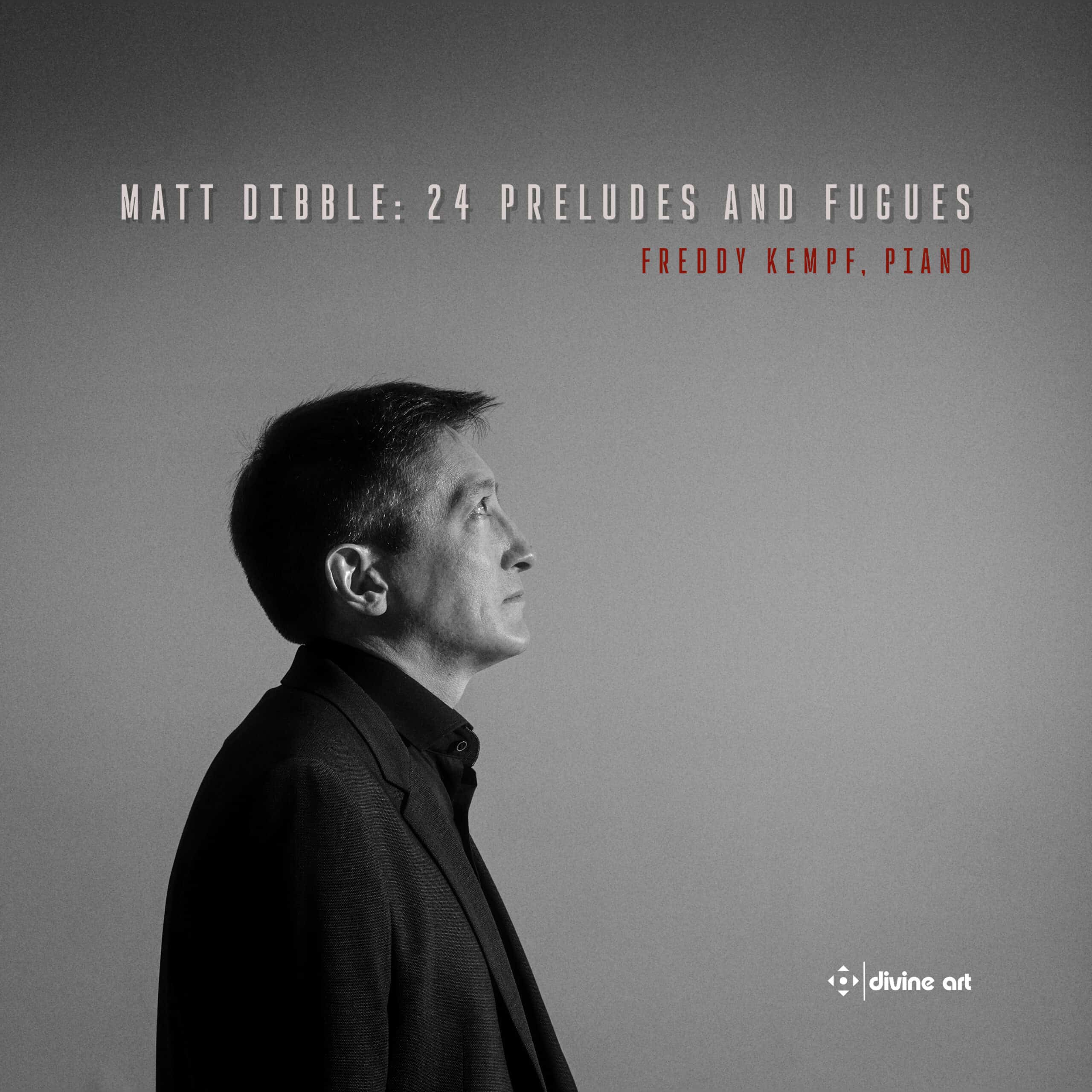
    London-based composer Matt Dibble tragically passed away in 2021 shortly after completing his 24 Preludes and Fugues for solo piano. His death, attributed to complications from the AstraZeneca Covid-19 vaccination, left a void in the classical, jazz, and pop music scenes where he was beloved and respected. Dibble’s compositions showcased his remarkable versatility, blending neo-Baroque, jazz, pop, and modernist influences into a deeply personal collection crafted over six years.

    Despite never meeting the composer, internationally renowned pianist Freddy Kempf undertook the recording of Dibble’s work with great enthusiasm. Produced by Paul Baily, Kempf’s interpretation captured the essence of Dibble’s compositions, reflecting a shared appreciation for musical values. One of the pieces from the collection will soon be included in Trinity College London piano exams, ensuring Dibble’s legacy reaches pianists worldwide. Divine Art Records released the recordings as a tribute to the late composer.

    Freddy Kempf, celebrated for his dynamic performances and expansive repertoire, has collaborated with esteemed conductors and orchestras around the globe. His recordings, including Tchaikovsky and Schumann recitals, as well as Prokofiev and Gershwin concertos, have garnered critical acclaim, establishing him as a masterful and versatile pianist.

    Matt Dibble, born and raised in Southeast London, left a diverse musical legacy spanning classical, jazz, and pop genres. Alongside composing, he was a songwriter, multi-instrumentalist and producer. Dibble’s jazz trio and participation in various bands showcased his eclectic talents, from punk-jazz to Beach Boys tribute performances. In pop music, he released six solo albums and co-founded the successful band Super dB.

    Educated at the University of York and the Guildhall School of Music and Drama, Dibble honed his skills under the mentorship of Alan Hacker and Tony Coe. His untimely death at the age of 40 marked a profound loss for the music community, robbing it of a visionary artist with boundless creativity and passion.

    Matt Dibble’s posthumously released 24 Preludes and Fugues stand as a testament to his artistic legacy, showcasing his innovative blend of musical styles. Collaborating pianist Freddy Kempf’s interpretation ensures Dibble’s music resonates with audiences worldwide, while Dibble’s diverse musical contributions across genres continue to inspire and be enjoyed by listeners.