Genre: Instrumental

  • Masque: Music for Organ by Carson Cooman

    Masque: Music for Organ by Carson Cooman

    Erik Simmons has recorded a second programme of fine organ music by Carson Cooman, Composer in Residence at Harvard University’s Memorial Church and one of America’s most prolific composers, writing in a variety of approachable musical styles, innovative but within traditional tonal boundaries. The previous album ‘Litany’ received rave reviews, one critic called it a ‘benchmark recording”, and this new CD will appeal very much to organ enthusiasts.

    The album is recorded on the sounds of the wonderful Marcussen organ of the Laurenskerk, in Rotterdam using the Hauptwerk system which gives full rein to the wide tonal range of the instrument, while avoiding the excessive reverberation which can spoil many organ recordings. The sound here is crisp and clear allowing full enjoyment of the music and the instrument.
  • Beyond the River God: Music for Harpsichord

    Beyond the River God: Music for Harpsichord

    A selection of works by the greatest harpsichord composer of all — François Couperin, and from contemporary British composer Graham Lynch, who is a very worthy successor with music that is expressive, descriptive, deep and exceptionally rich, showing that the harpsichord is capable of real expression.

    The Lynch pieces are receiving their first recordings. Established virtuoso Assi Karttunen is from Finland and this is her first album for Divine Art, and a showcase for her amazing talent at the keyboard.

  • Handel’s Recorder

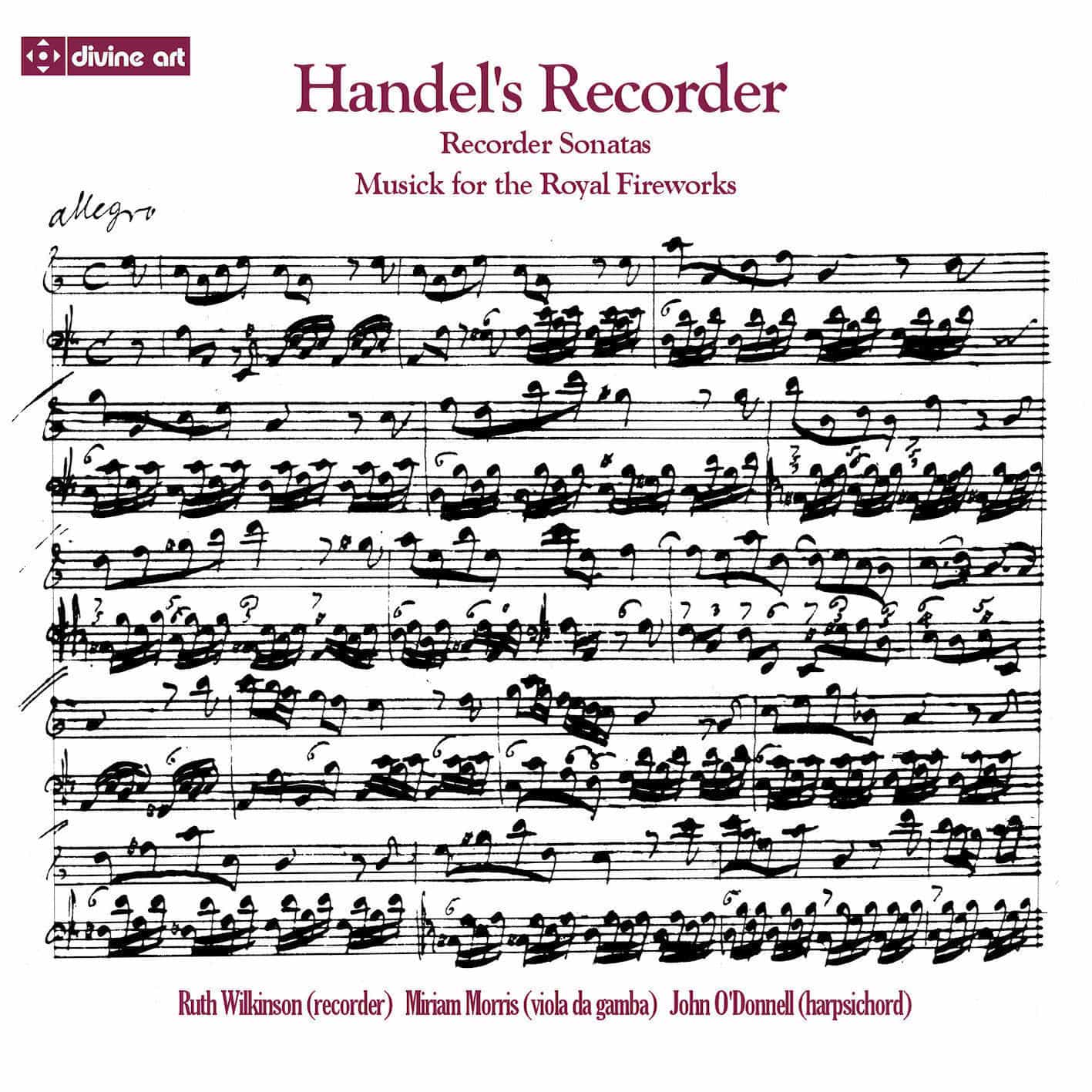
    Handel’s Recorder

    Three of Australia’s leading early-music specialists recorded this album in collaboration with Australian Broadcasting Corporation. It contains four of Handel’s famed recorder sonatas in the early John Walsh edition, in exemplary performances.

    The major and most unusual work on the album is the John Walsh edition from the 1740s of the Music for the Royal Fireworks in a chamber version, arranged here for recorder and viola da gamba with harpsichord continuo. It was one of many variations of the work which were popular before the full orchestral version became the ‘norm’ at a much later date. While of short duration this is a program that is complete and has full integrity as a concert program.

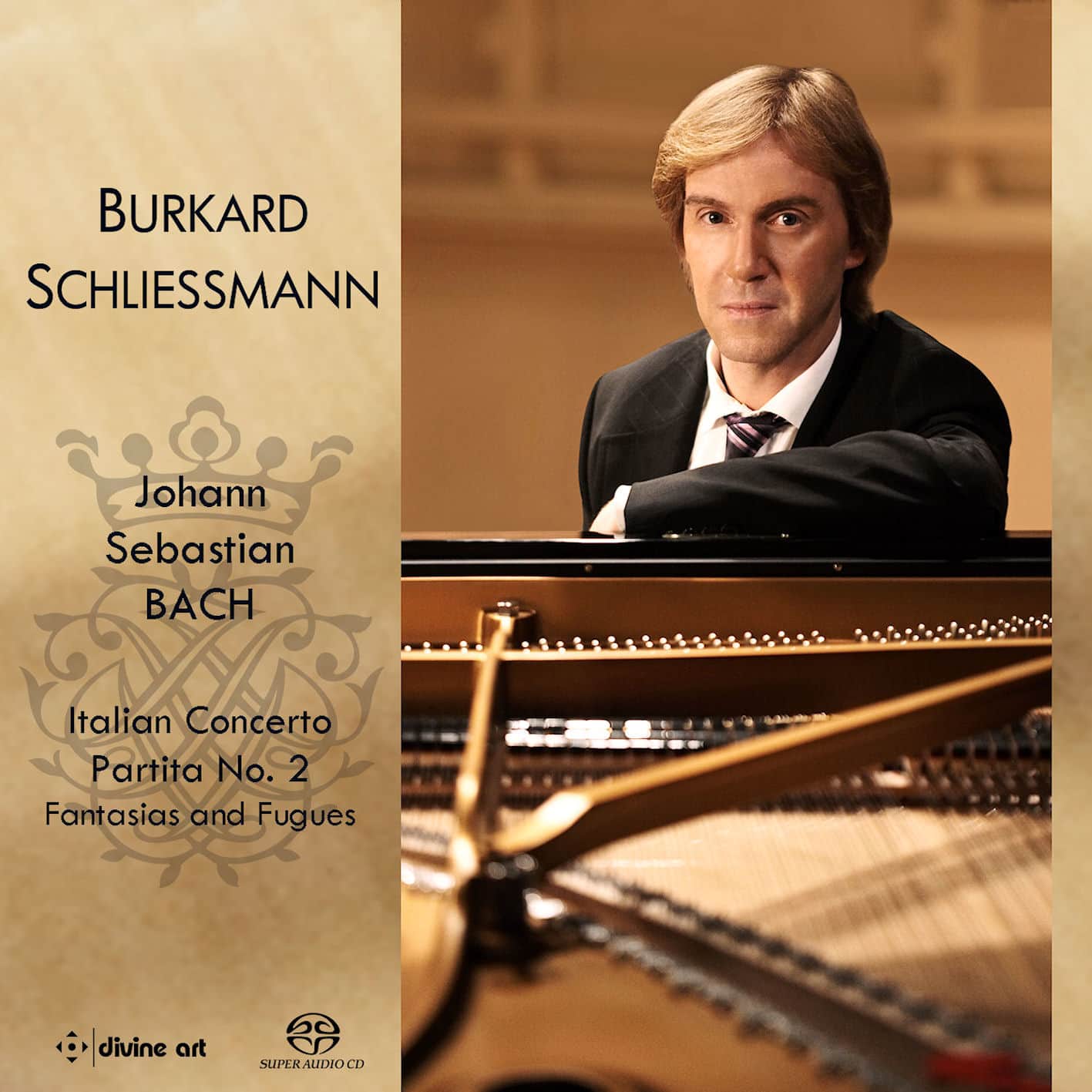
  • Bach: Keyboard Works

    Bach: Keyboard Works

    This album was awarded a silver medal in the Global Music Awards 2018 for ‘Outstanding Achievement’.

    It is always good to welcome to our company a musician of the stature of Burkard Schliessmann, and also to present our first multichannel SACD in luxury packaging.

    This album demonstrates once again the sheer genius of Bach but also the individual and highly considered interpretative style of the performer. Schliessmann is not a purist demanding rigid tempi and ‘traditional’ baroque styling but recognises the inner soul of the music and brings it to life in a new way – thus this recording will be welcomed as a new approach even to those who know the works very well.

    Also a special inclusion on the disc is BWV 906, which Bach left as a Fantasia and an unfinished Fugue. The Fugue was completed by Busoni who also inserted the Adagio, BWV 968, which was arranged for piano either by one of Bach’s sons or by the publisher Altnickol. It makes for a highly rewarding complete work.

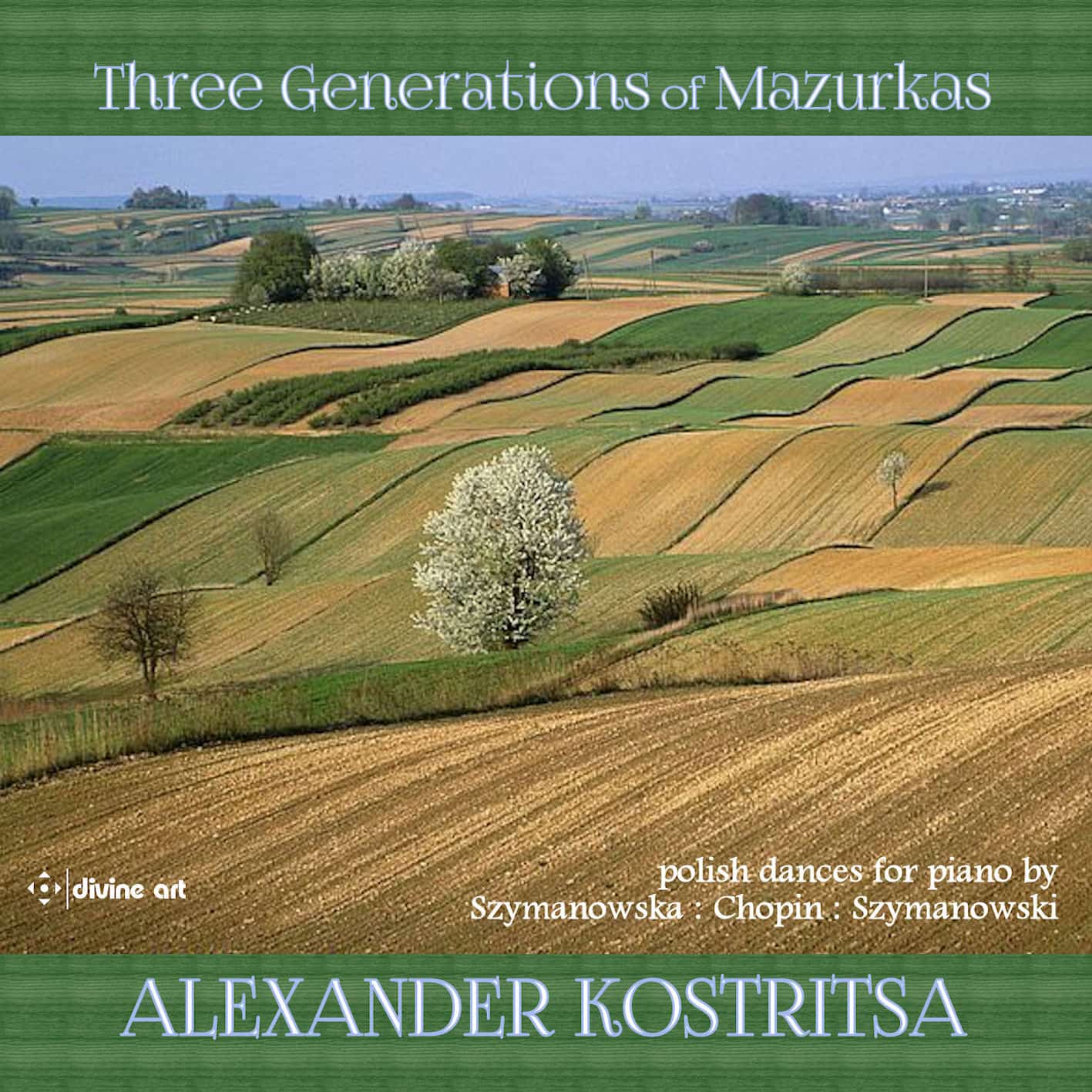
  • Three Generations of Mazurkas

    Three Generations of Mazurkas

    The mazurka is a traditional Polish folk dance in triple time (three beats to the bar). In the very early 1800s. Maria Szymanowska was the first composer to write formal Mazurkas for the piano. They are very short, quite simple and incredibly varied and tuneful. Only a decade or so later, Chopin developed the mazurka into an art-music form and his Opus. 7 and 17 sets are perhaps the best known. While other composers also took up the form, the most notable transformation of the mazurka was by the third Polish composer, Szymanowski, who created a full-blown Romantic style far removed from the simple original. The bright, sunny and cheerful expressiveness of the folk dance is brought out brilliantly by the young virtuoso Russian pianist Alexander Kostritsa and the album is both highly tuneful entertainment and also an insight into how a style can evolve.

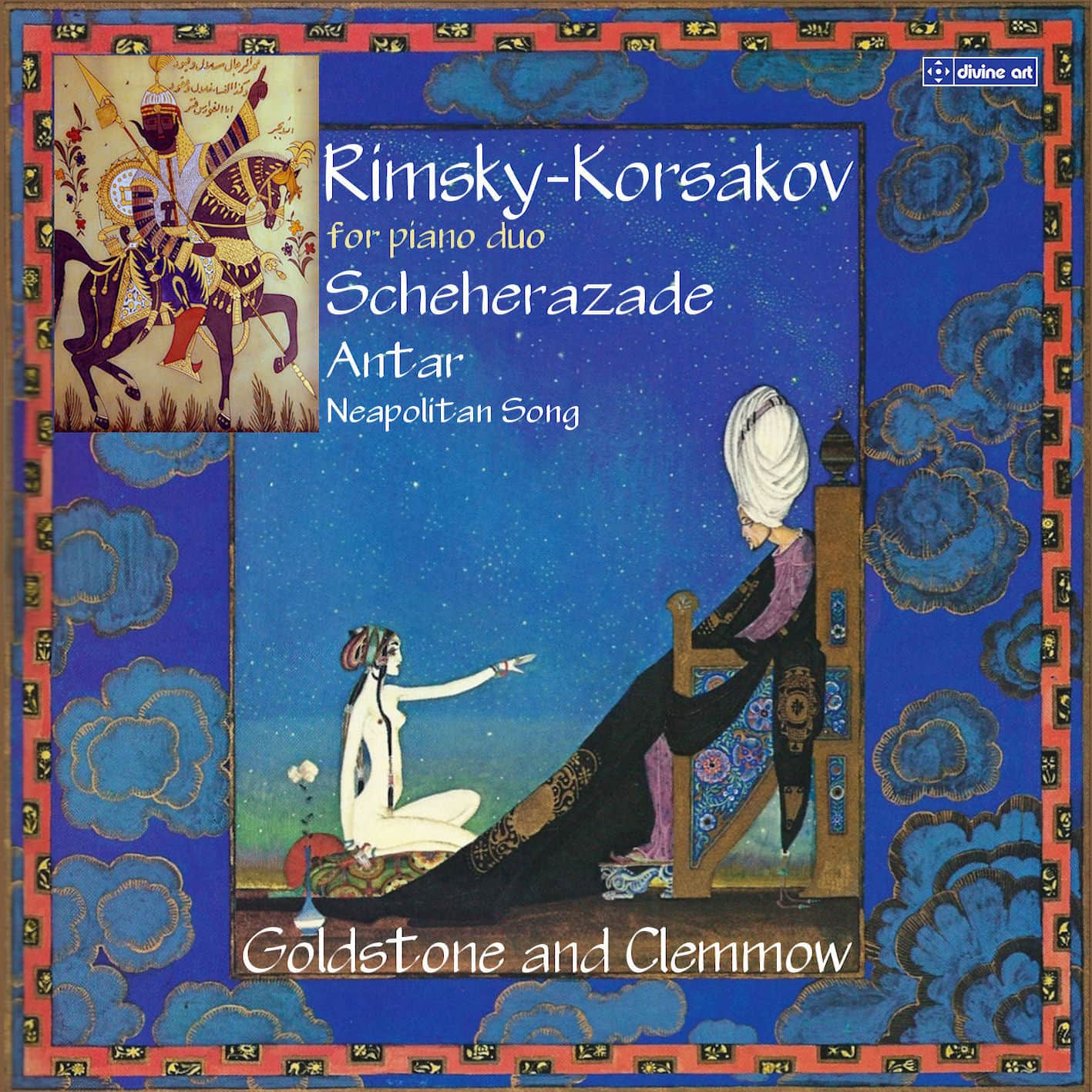
  • Rimsky-Korsakov for Piano Duo

    Rimsky-Korsakov for Piano Duo

    After more than thirty years Anthony Goldstone and Caroline Clemmow can lay claim to be regarded as one of the world’s foremost piano duos, displaying stunning precision in their ensemble and remarkable musicality. Following their critically acclaimed Divine Art CDs containing transcriptions of works by Dvorak, Mendelssohn, Tchaikovsky, Schubert and Chopin, they present music by Russian Romantic and exoticist Nicolai Rimsky-Korsakov – in the case of his most famous work, Scheherazade, and the little Neapolitan Song (which he unwittingly stole from composer Luigi Denza thinking it was a traditional folk song), the transcriptions are by the composer himself. Antar was transcribed by his wife Nadezhda Purgold, a skilled composer herself who also arranged Tchaikovsky’s Romeo and Juliet (DDA 25020).

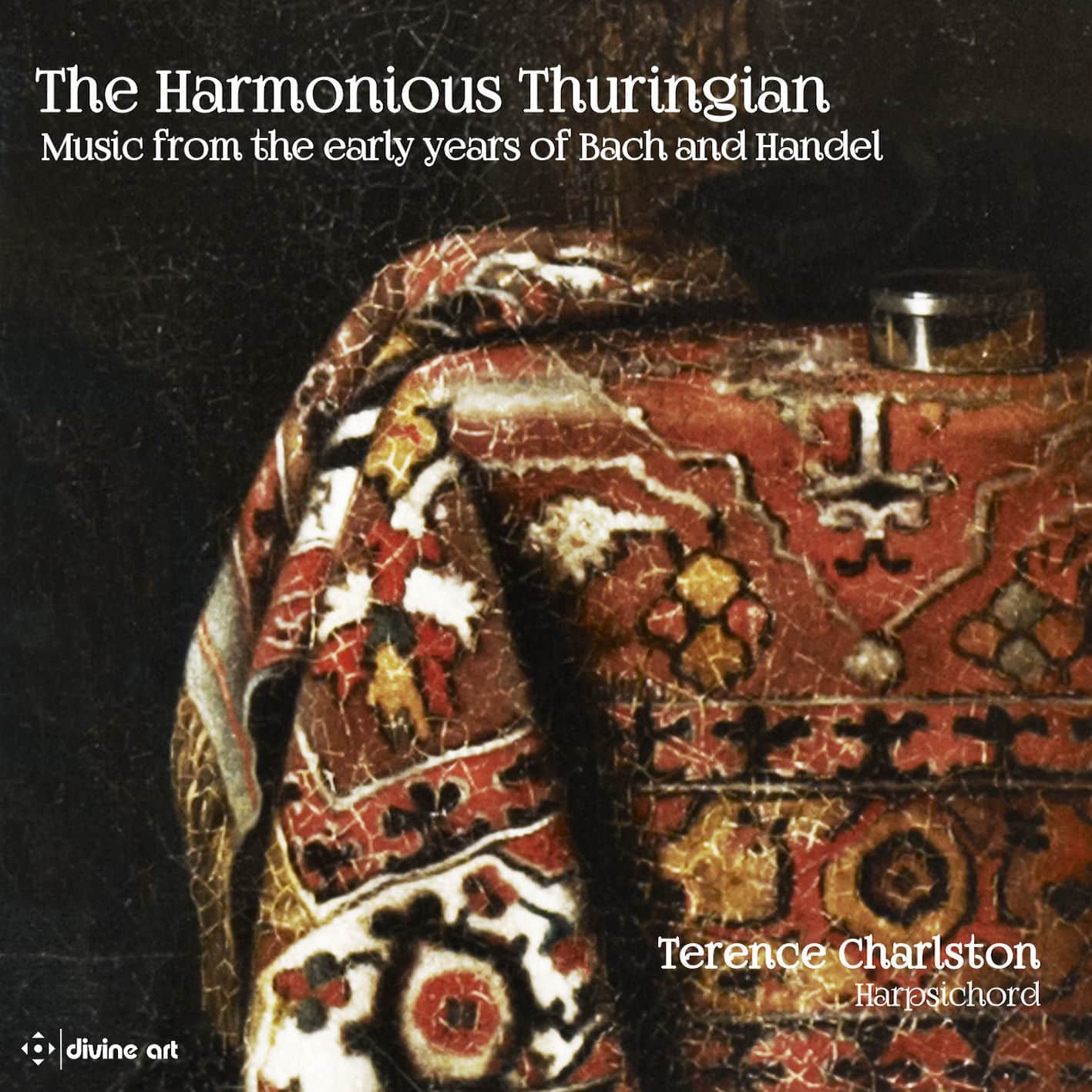
  • The Harmonious Thuringian (Harpsichord)

    The Harmonious Thuringian (Harpsichord)

    Thuringia is a region of Germany in which both Bach and Handel grew up. It was here that a distinctive form of harpsichord was built, very different to most others, with a wonderful tone. This was most likely the type of intrument with which the composers were familiar. One survives and has been replicated beautifully by David Evans, this being its recording debut. Possibly we are hearing these great baroque works more accurately presented than ever before.

    Leading early-music specialist Terence Charlston plays music by the relatively young J S Bach and G F Handel and several of their contemporaries from the late 17th and very early 18th centuries.

    Charlston plays another unique instrument in 16th and 17th century music: “Mersenne’s Clavichord” DDA 25134.

  • Music from Armenia for Cello and Piano

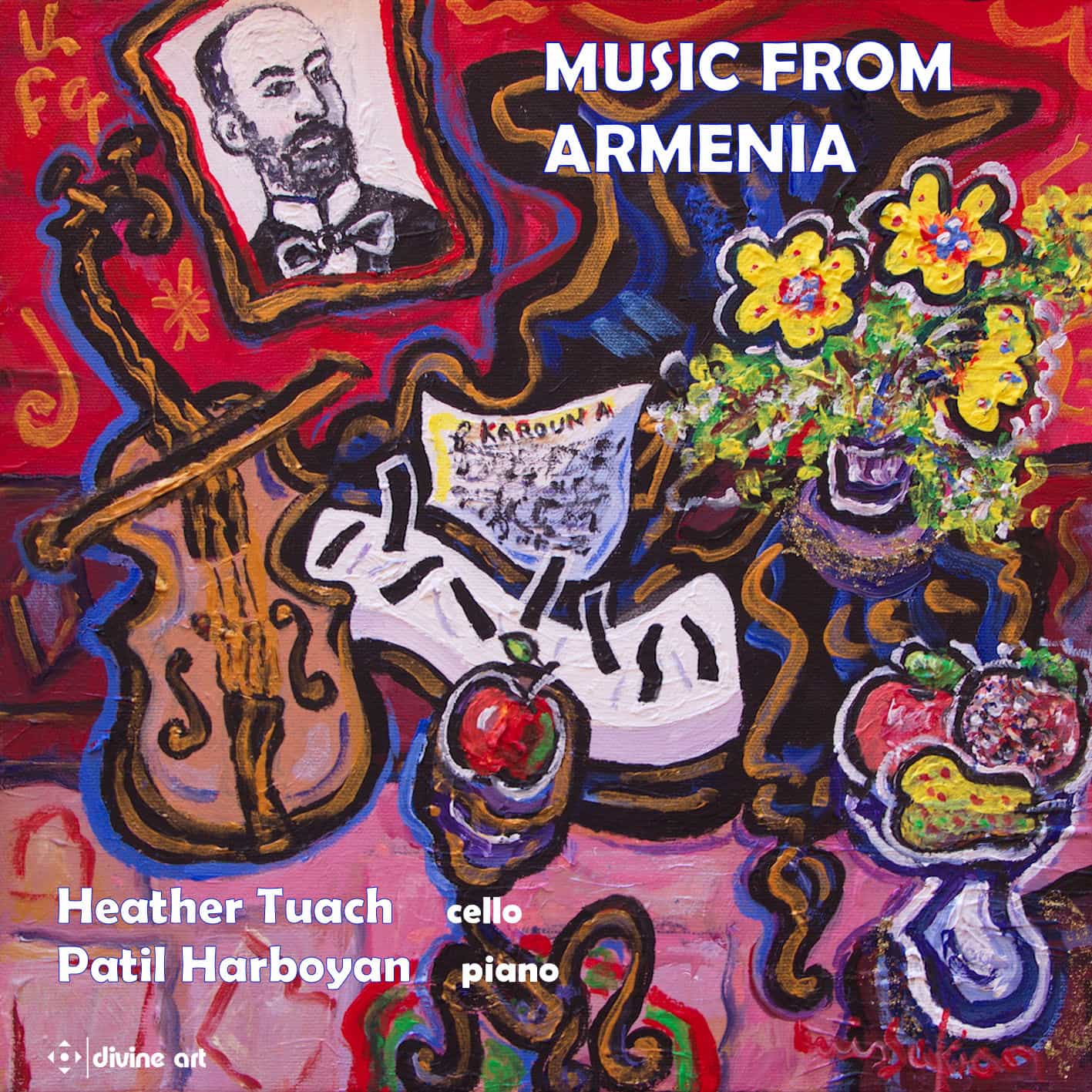
    Music from Armenia for Cello and Piano

    In Europe and the US, familiarity with Armenian music has been largely limited to Khachaturian but there is a surge of interest in the unique distinctive melodic traditions of the country. This collection contains formal works and arrangements of folk tunes from the Talalyan archives which derive from the collecting of Gomidas (Komitas) and is superbly presented by Canadian celist Heather Tuach (also previously cellist with the Fitzwilliam Quartet) and Armenian-Canadian pianist Patil Harboyan. The music in Western terms is very much in the Romantic tradition, the folk arrangements quite sophisticated and worthy of as much attention as well-established collections.

    A highly entertaining and revelatory program – almost all of the works receiving their first recording. Booklet notes in English, Armenian and French.

  • Remembering Alfred Deller

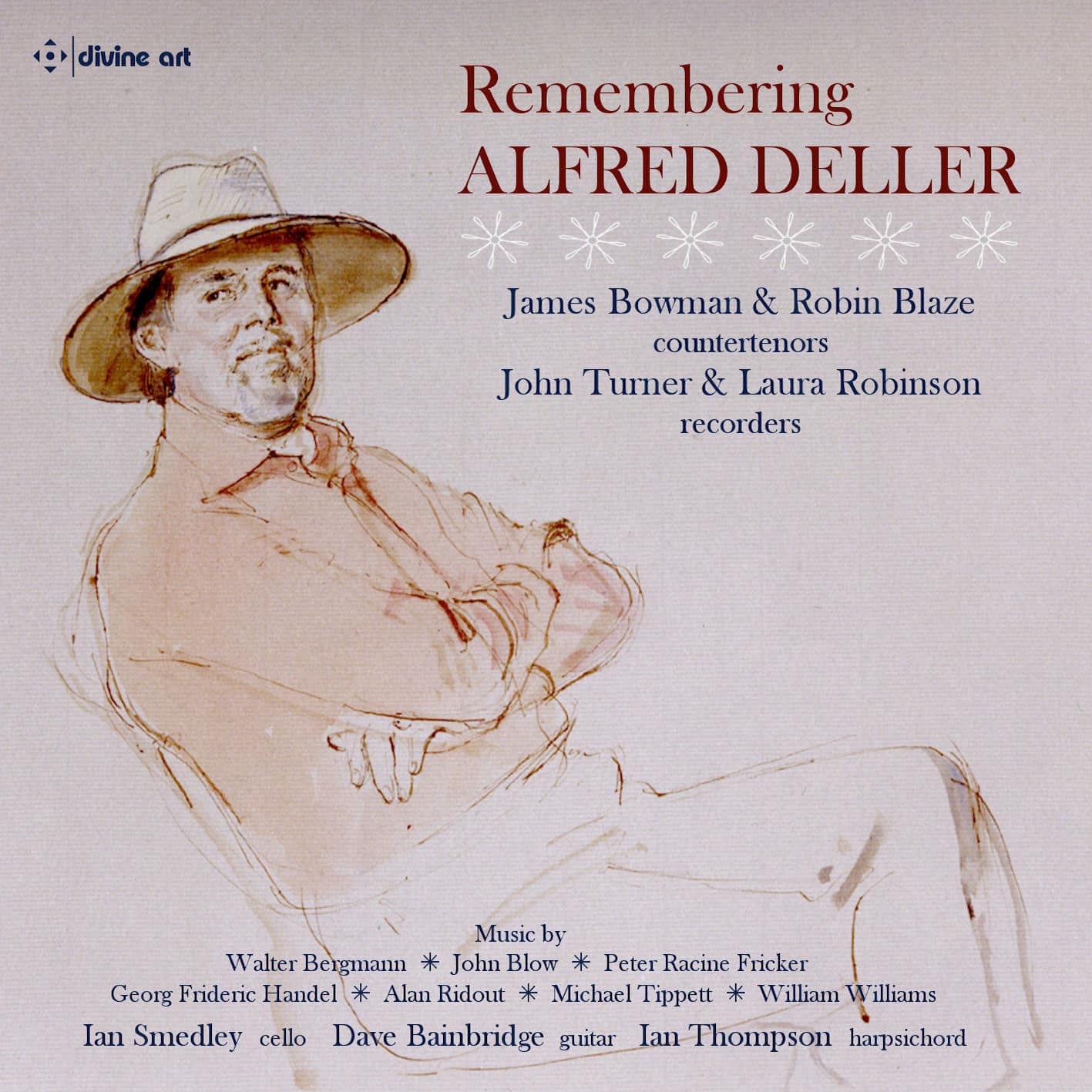
    Remembering Alfred Deller

    Alfred Deller was ‘discovered’ by Michael Tippett, and with the supprt of Tippett, Walter Bergmann and others, re-introduced the countertenor voice to the current music repertoire. His influence cannot be overstated. This CD is a tribute to Deller by musicians who have carried on his tradition in major contributions to music both in Britain and around the globe. Music from the late 17th century to the end of the 20th, of incredible beauty and charm.

  • John Garth – Accompanied Keyboard Sonatas, Op. 2 & Op. 4

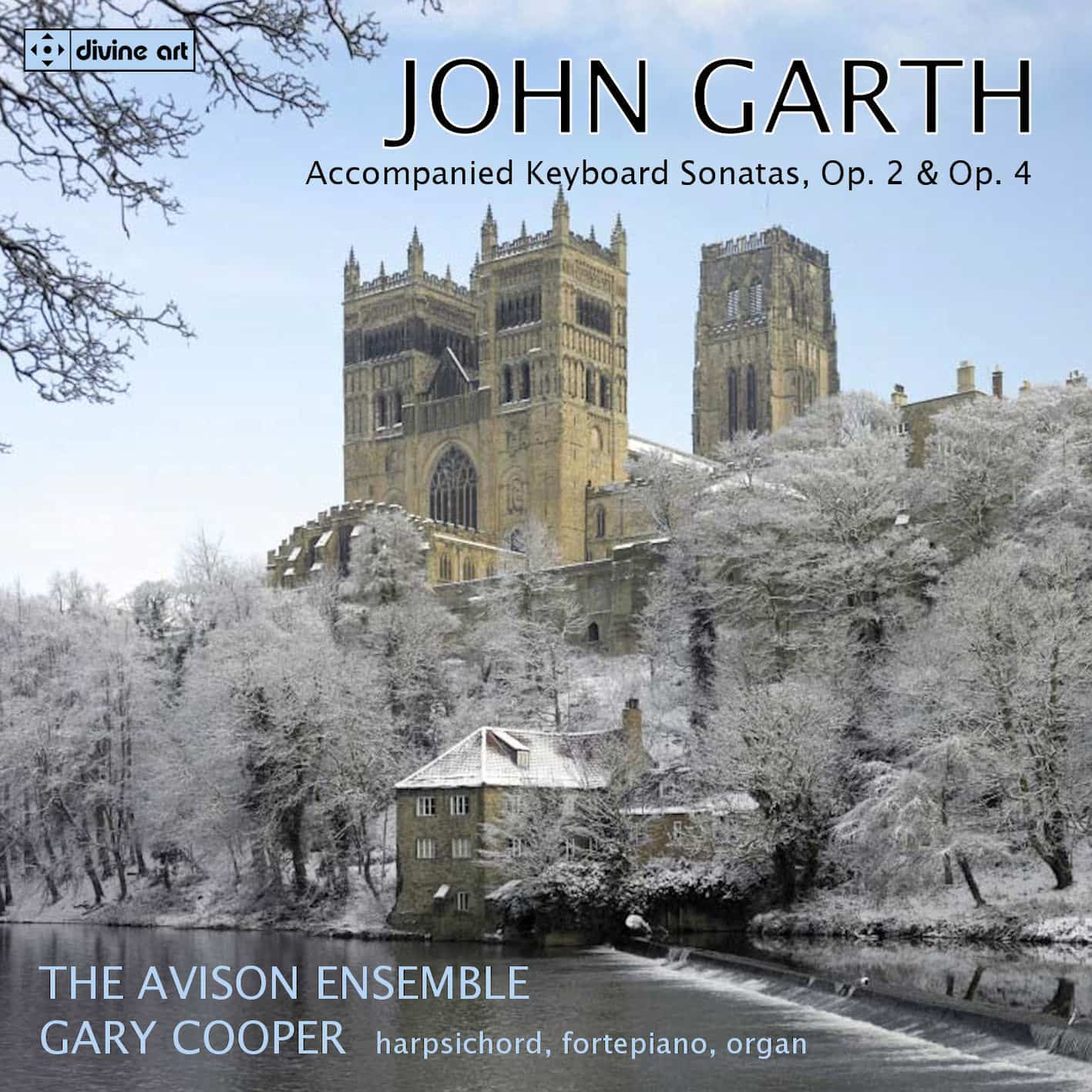
    John Garth – Accompanied Keyboard Sonatas, Op. 2 & Op. 4

    Along with his friend and teacher Charles Avison, Garth was one of the leading lights of the music scene in northern England in the late baroque era (late 18th century). His music was completely neglected until re-introduced by The Avison Ensemble in concerts and with their groundbreaking recording of his Cello Concertos in 2007 (DDA 25059). In his lifetime Garth was best known for his Op. 2 Sonatas, written in the northern English style with accompaniment by two violins and cello; this and the Op. 4 set represent almost the last flowering of the true baroque era. Each sonata is in two-movement form and while thoroughly ‘conventional’ in style, include some masterful composition and endlessly fascinating listening.

  • The Operatic Pianist

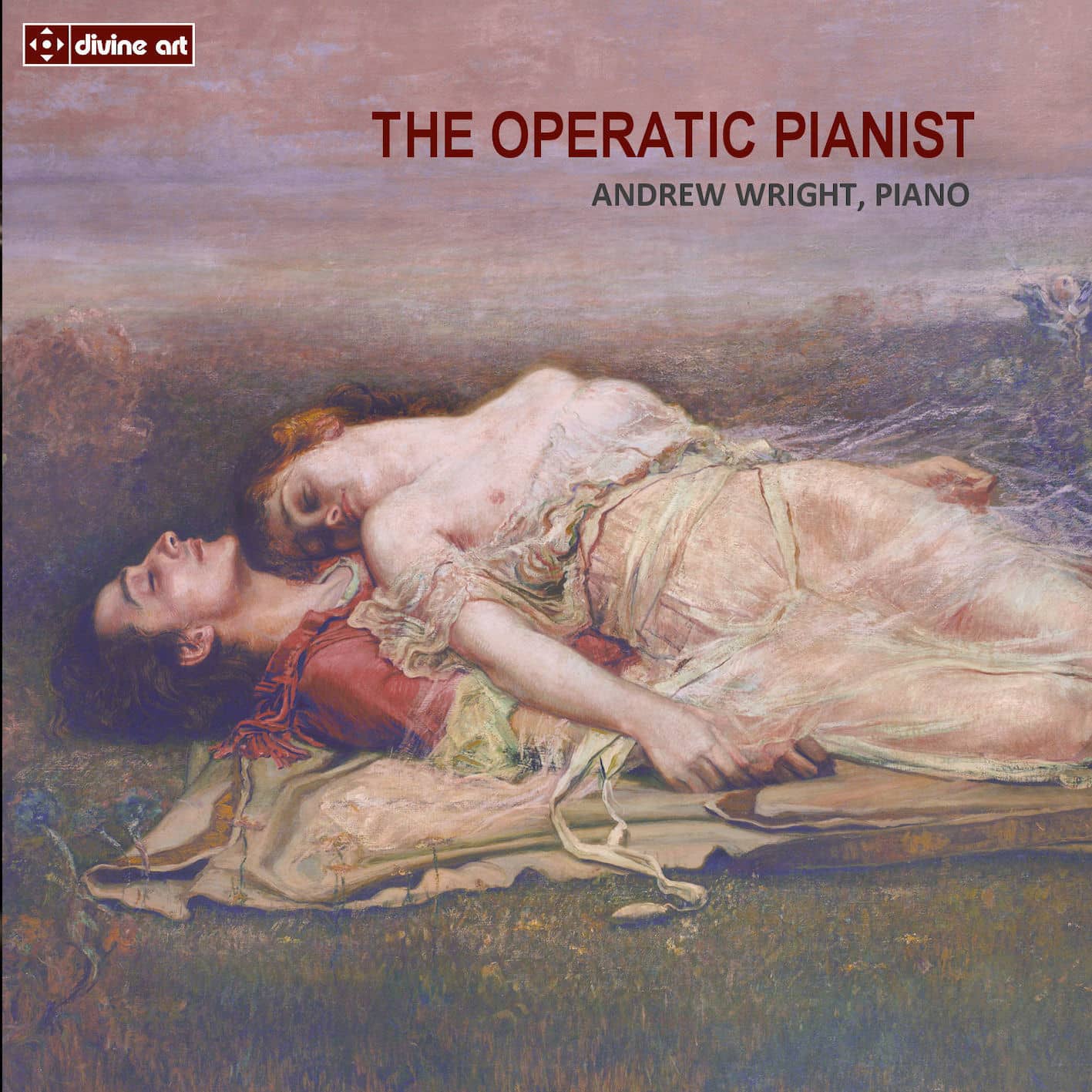
    The Operatic Pianist

    This is a superbly entertaining program of transcriptions and fantasies on opera themes and arias, presented with style and flair by British pianist Andrew Wright, who also composed three of the fantasies. With well known themes from Verdi, Wagner, Bellini and Meyerbeer, in excellent solo-piano form, this is a tremendous tour-de-force! Also see volume 2 here

  • Litany – Organ Music by Carson Cooman

    Litany – Organ Music by Carson Cooman

    Carson Cooman is one of America’s most prolific and feted composers of our time. Also writer, critic, teacher and organist (Organist and Composer in Residence at Harvard), his music is never avant-garde but varies from the mildly challenging in harmonic structure to firmly traditional tonality, all with a fine sense of style and inspiration. This album presents a program of recent organ music (mostly composed 2012-3) of lyrical, Romantic and pastoral nature, but with plenty of variety. It’s a beautiful album enhanced by the marvellous playing of Erik Simmons and the wonderful Marcussen organ of Laurenskerk, Rotterdam (recorded by the Hauptwerk system).