Label: Divine Art

  • Reminiscences of Brazil

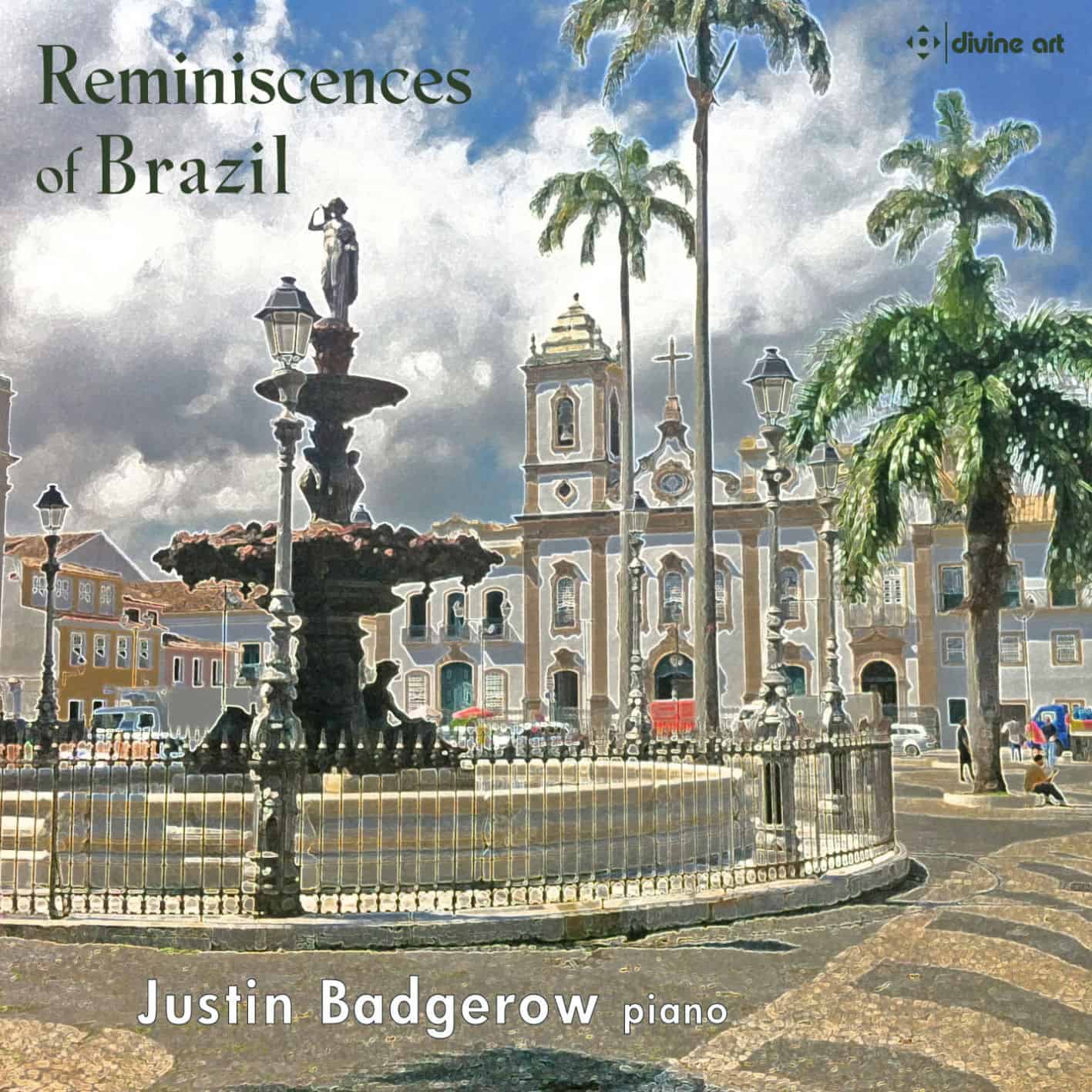
    Reminiscences of Brazil

    The debut Divine Art album from American pianist Justin Badgerow is a program of exotic dance rhythms, sensual textures and colors from four Brazilian composers together with the exquisite Saudades do Brasil of Milhaud. Highly influenced by traditional and indigenous music and the landscapes of Brazil, this is music of infectious delight, and includes both well known works from Villa-Lobos and sparkling miniatures from Mignone, Gondim and Guarnieri.

    Justin Badgerow obtained a Doctorate in Musical Arts from the University of Colorado after earning Bachelors and Masters degrees at the Universities of Texas and Central Florida. He serves on various important committees and boards and is currently Associate Professor of Music at Elizabethtown College in Pennsylvania. A champion of Latin-American music, he has performed as a soloist throughout the USA and in Mexico, Brazil and South Africa. He has also enjoyed much success in chamber music collaborations.

    In this, his first solo recording, he demonstrates a close affinity with the music, imbuing every track with outstanding musicianship.
  • Froberger: Complete Fantasias and Canzonas

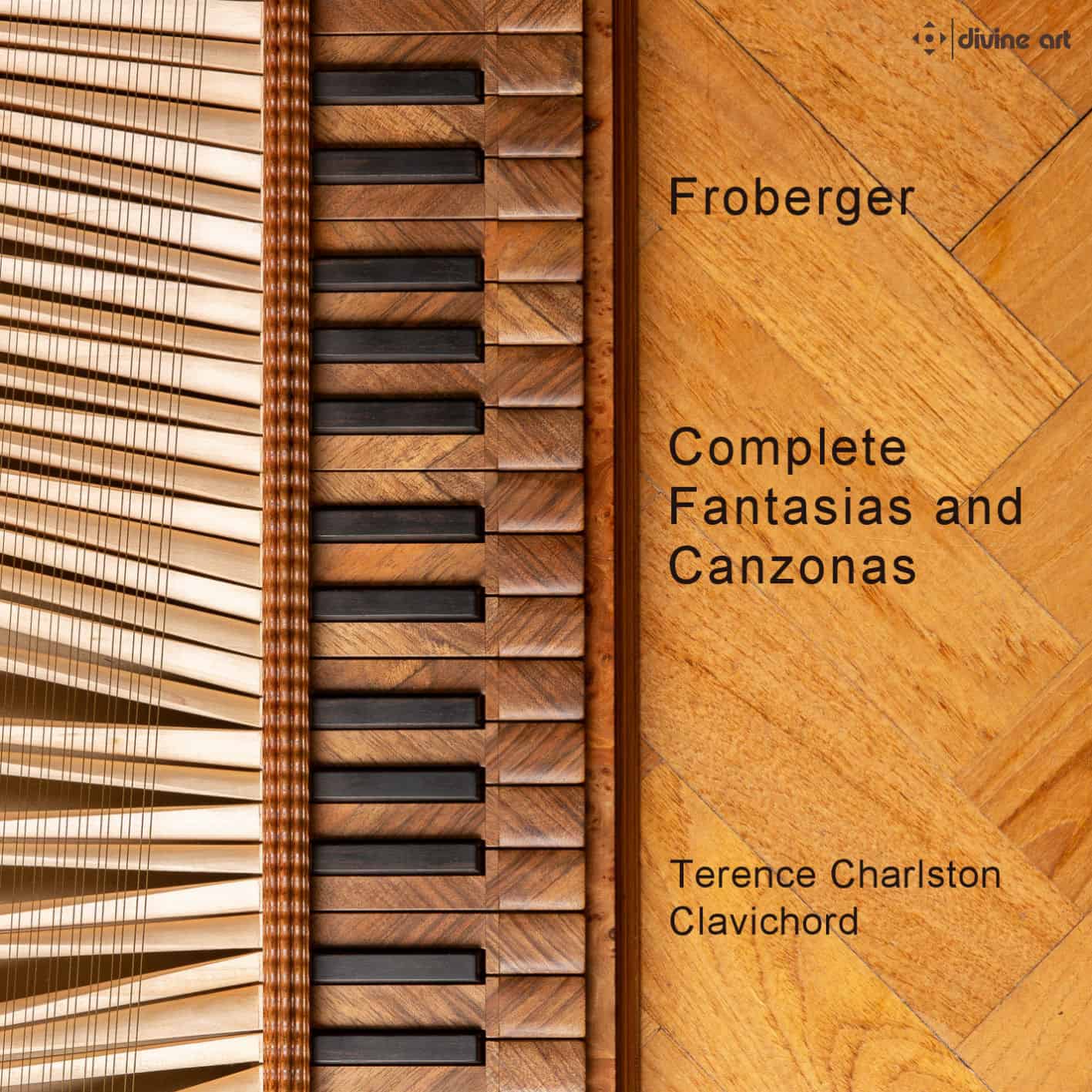
    Froberger: Complete Fantasias and Canzonas

    Johann Jacob FROBERGER (1616-1667)
    Froberger’s fantasias and canzonas are amongst his most beautifully crafted yet most neglected works. They survive together with toccatas and partitas in a meticulously written autograph manuscript, the Libro Secondo, dated 19 September 1649. This is the first recording of all 14 works on the clavichord. Froberger was a most important figure in the early baroque period, helping to develop the style of the ‘dance suite’ so well known from the later hands of Bach, Handel and so many more.

    The instrument used here is a reconstruction (2009, Andreas Hermet) of a South German clavichord which is in the Berlin Musical Instrument Museum. It is an ideal vehicle for the strongly contrapuntal music of Froberger. The clavichord is a small quiet instrument but does have a wide dynamic range and even variable vibrato – an extremely difficult instrument to master.

    Terence Charlston is one of the UK’s foremost exponents of early keyboard music both as a soloist on organ, clavichord and harpsichord, and as a chamber musician, having been a member of both the London Baroque and Florilegium. He has initiated many new editions and recordings of early music and has developed an international reputation as one of the leaders of this area of music.

  • Vyacheslav Artyomov: Album XI

    Vyacheslav Artyomov: Album XI

    2021 ICMA Nominee: Contemporary Music

    Vyacheslav Artyomov is considered by many to be Russia’s greatest living composer. His music is deep, ultimately spiritual and brilliantly crafted, with influences from the Russian symphonic tradition colored by Mahler, Scriabin, Honegger and Messiaen to name a few – but melded into a unique voice.

    The Divine Art Artyomov Retrospective (which to date has received wonderful reviews internationally) is a mix of new recordings and former Melodiya releases. This is the eleventh album, containing a selection of studio and live concert performances of chamber works for slightly unusual combinations: flute quartet, and saxophones much to the fore. Apart from ‘Hymns of Sudden Wafts’ and Clarinet Sonata these are all premiere releases. The works are performed by some of the best of Moscow’s orchestral and chamber musicians and represent a somewhat lighter (though the term is relative) side to Artyomov’s work than his massive, granitic symphonies. It includes a touching set of songs on poems by Ashot Grashi.

    The extensive list of performers is drawn from the cream of Russia’s chamber and orchestral musicians at the time of the recordings which were made between 1970 and 1991 (and totally remastered in 2019):
    Ruzanna Lisitsian (soprano); Karina Lisitsian (mezzo-soprano); Lev Mikhailov (soprano sax); Alexander Oseichuk (alto sax); Alexei Nabatov (tenor sax); Vladimir Yeriomin (baritone sax); Oleg Tantsov (clarinet); Vladimir Pakulichev, Alexander Timochin & Albert Gofman (flutes); Sergei Khokhlov (alto flute); Valery Popov (bassoon); Alexei Semionov (harpsichord); Yuri Smirnov, Piotr Meschaninov & Vyachelsav Artyomov (pianos); Ilia Spivak (vibraphone, bells)

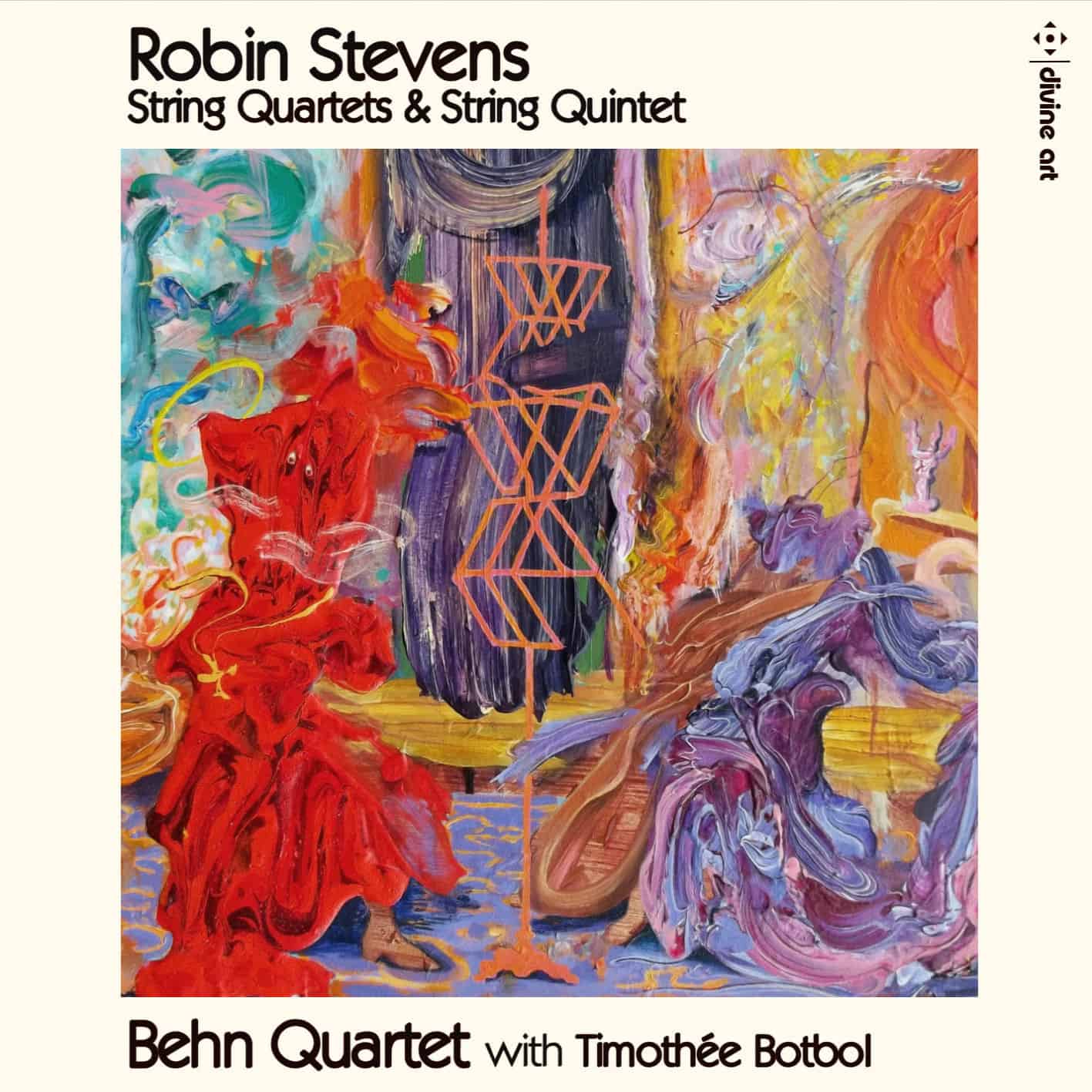
  • Robin Stevens: String Quartets and String Quintet

    Robin Stevens: String Quartets and String Quintet

    The British composer Robin Stevens is a great talent waiting to be discovered by the global music community. His varied, stimulating and expressive work arises from many influences – from the music of the Romantic era, to mathematics, his faith, and the influence of his main teacher in undergraduate days, John Joubert, and he is now producing substantial works for varied instrumental groupings, which are modernist and original, but yet immediately accessible.

    This album contains the premiere recording of the String Quintet, an early work from his student days, rich in allusions to early 20th century works, but already containing many of the elements of his later work: tangy harmonies, intricate counterpoint, modal lyricism and often almost neo-Romantic expression. Above all the works are a reflection of the composer and his perceptions of the word and the people around him, yet at the same time universal in their appeal.

    The two quartets are very different. The first was written in 2008 after the composer had recovered from a 17-year debilitating illness and while his style was developing considerably as he undertook his Doctorate. Its single movement is rich in variety, using a small few thematic ideas in constantly evolving forms. The second, from 2011, is a study of three character types (not necessarily real individuals) which are each distinctive but clearly related.

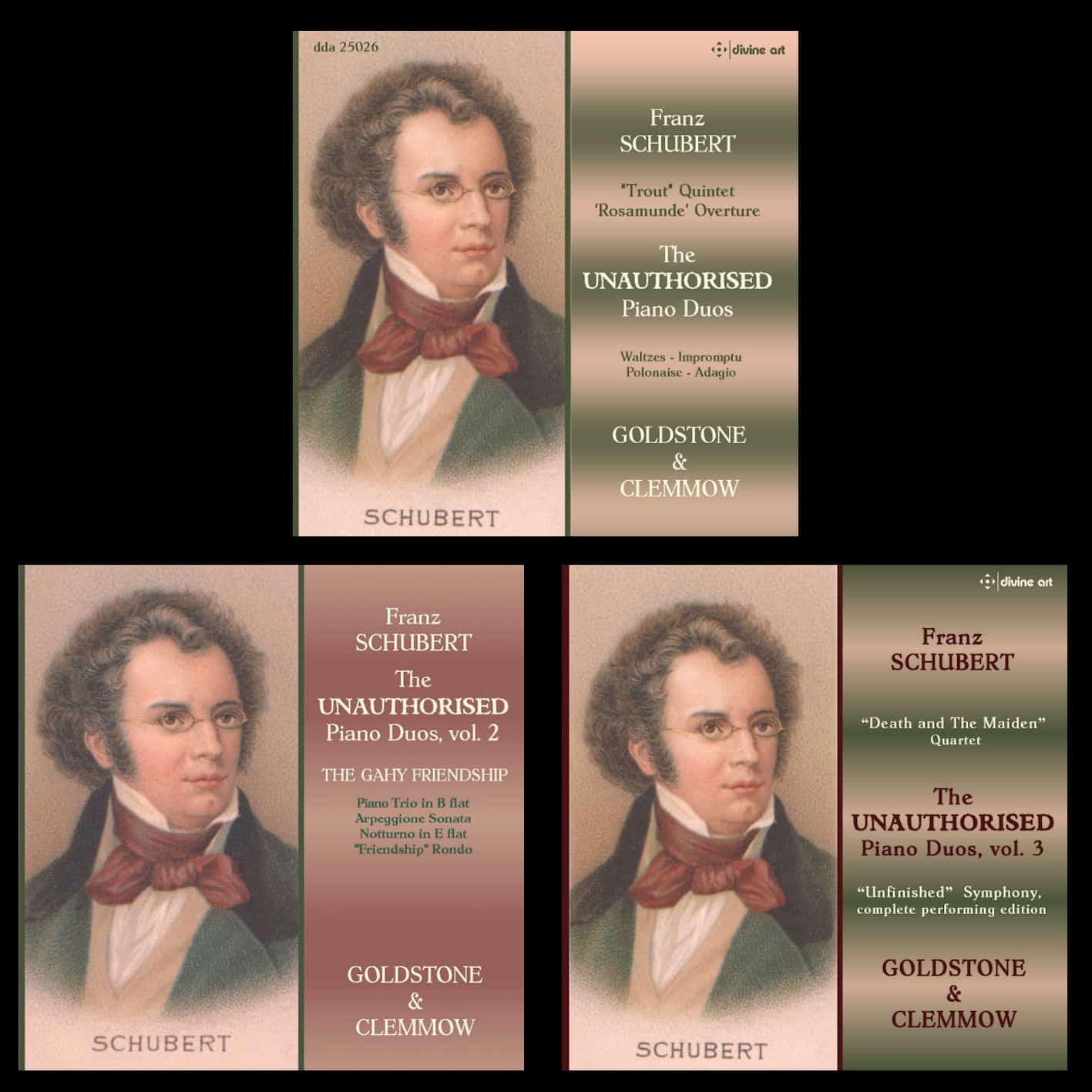
  • Schubert: “Unauthorised” Piano Duos, vols 1-3 (discount set)

    Schubert: “Unauthorised” Piano Duos, vols 1-3 (discount set)

    The critically acclaimed series of piano duo transcriptions of music by Schubert by his friends, colleagues, pupils and contemporaries – a fascinating insight into early 19th century transcription practice and performances of the usual brilliantly high standard by the awesome Goldstone and Clemmow.

    See individual CD for full track listings and reviews. This bundle includes the following albums and all three booklets are included in the digital versions:

    Volume 1 (DDA 25026)
    Volume 2 (DDA 25039)
    Volume 3 (DDA 25125)

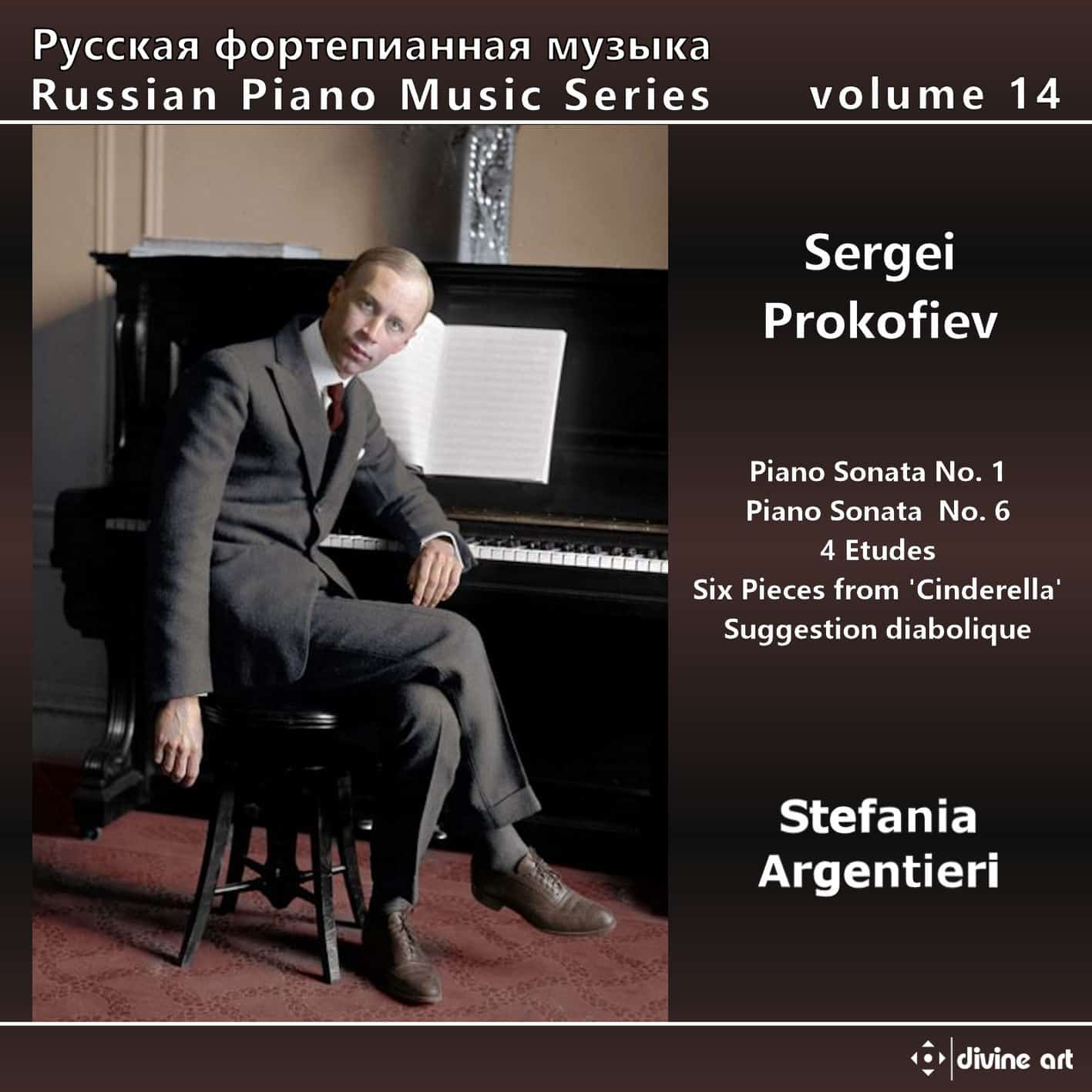
  • Russian Piano Music vol. 14 – Prokofiev

    Russian Piano Music vol. 14 – Prokofiev

    This is the second album in the Russian Piano series devoted to Prokofiev and includes his first and sixth Sonatas and other works demonstrating his wide ranging soundworld. His eclecticism has enabled him as a very ‘serious’ composer of post-Romantic, neo-tonal works – often modernistic and at times aggressive – to be appreciated by a wider general audience than many of his contemporaries.

    Stefania Argentieri is a young Italian pianist of consummate skill, necessary to give full expression to the music of Prokofiev. She has won many awards and has performed at prestigious events in Europe and the USA. She teaches at the Giordano Conservatory in Foggia and is also working as a music editor. Stefania has made recordings with her chamber ensemble and this is her first solo album, no doubt one of many for someone who has the brightest of futures.

  • James Whitbourn: The Seven Heavens and other choral works

    James Whitbourn: The Seven Heavens and other choral works

    The major work here is the suite The Seven Heavens, for choir and chamber ensemble; also we have seven other marvellous choral pieces.. All are brilliantly performed by Cor Cantiamo, the accomplished and acclaimed professional ensemble which is the current Choir in Residence at Northern Illinois University, USA, under its founder and conductor Eric A Johnson. Since its inaugural concert with Morten Lauridsen in 2010, Cor Cantiamo has developed a mission to work with contemporary composers resulting in many commissions and recordings.

    James Whitbourn is a Grammy-nominated composer and ‘a truly original communicator in modern British choral music’ (The Observer). His works are admired for their direct communication to performers and audiences. This is the seventh album devoted entirely to his choral music. His eclectic inspirations include C.S. Lewis (The Seven Heavens), Anne Frank (the very popular Annelies), notable individuals, NASA space missions and liturgical texts. In all, his music is altogether delightful.

    Instrumentalists for each work:
    The Seven Heavens:Mathias Tacke, violin; Jesse Ya-chen Lee, cello; Evan Fojtik, flute; Devin Starr, clarinet;
    Gwyn Downy, bassoon; Kelly Langenberg, French horn; William Goldenberg, piano
    Ada: Mathias Tacke, violin; Faye Seeman, harp
    The Voices Stilled: Mathias Tacke and Casey McGrath, violins; Donghee Han, viola; Jesse Ya-Chen Lee, cello; Evan Fojtik, flute
    Eternal Rest: Mathias Tacke and Casey McGrath, violins; Donghee Han, viola; Jesse Ya-Chen Lee, cello;
    Henry Robbins, double bass; Kyle Flens, timpani
    Canticle of Mary/Canticle of Simeon: Donghee Han, viola; Dan Mattix, organ
    (other works are for unaccompanied choir).

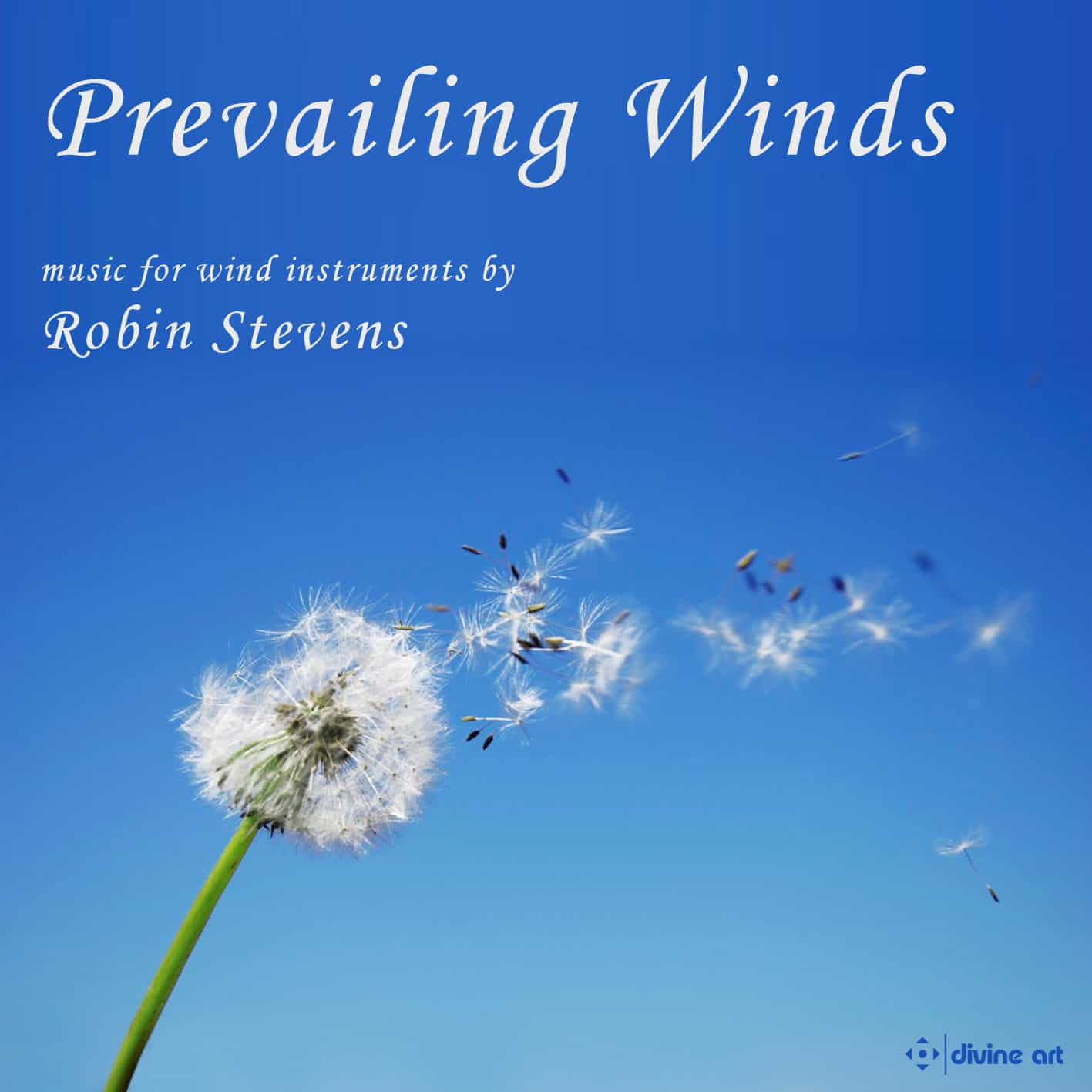
  • Robin Stevens: Prevailing Winds

    Robin Stevens: Prevailing Winds

    The British composer Robin Stevens is a great talent waiting to be discovered by the global music community. His varied, stimulating and expressive work is exemplified by this collection of music for wind instruments, ranging from the jolly and accessible (yet very difficult to play) Concert Rondo to the darker, deeper and meaningful Grief’s Portrait.

    Stevens has a brilliant touch, and also is an excellent pianist, cellist and guitarist and plays all three instruments here, alongside some of the foremost instrumentalists from the musical hotspot of Manchester, England: John Bradbury (principal clarinet, BBC Philharmonic); John Turner (recorderist: Academy of Ancient Music etc.); Richard Simpson (principal oboe, BBC Symphony), Janet Simpson (former principal keyboardist, Hallé Orchestra); and wonderful soloists Sarah Miller (flutes); Helen Peller (bassoon) and Lindsey Stoker (horn).

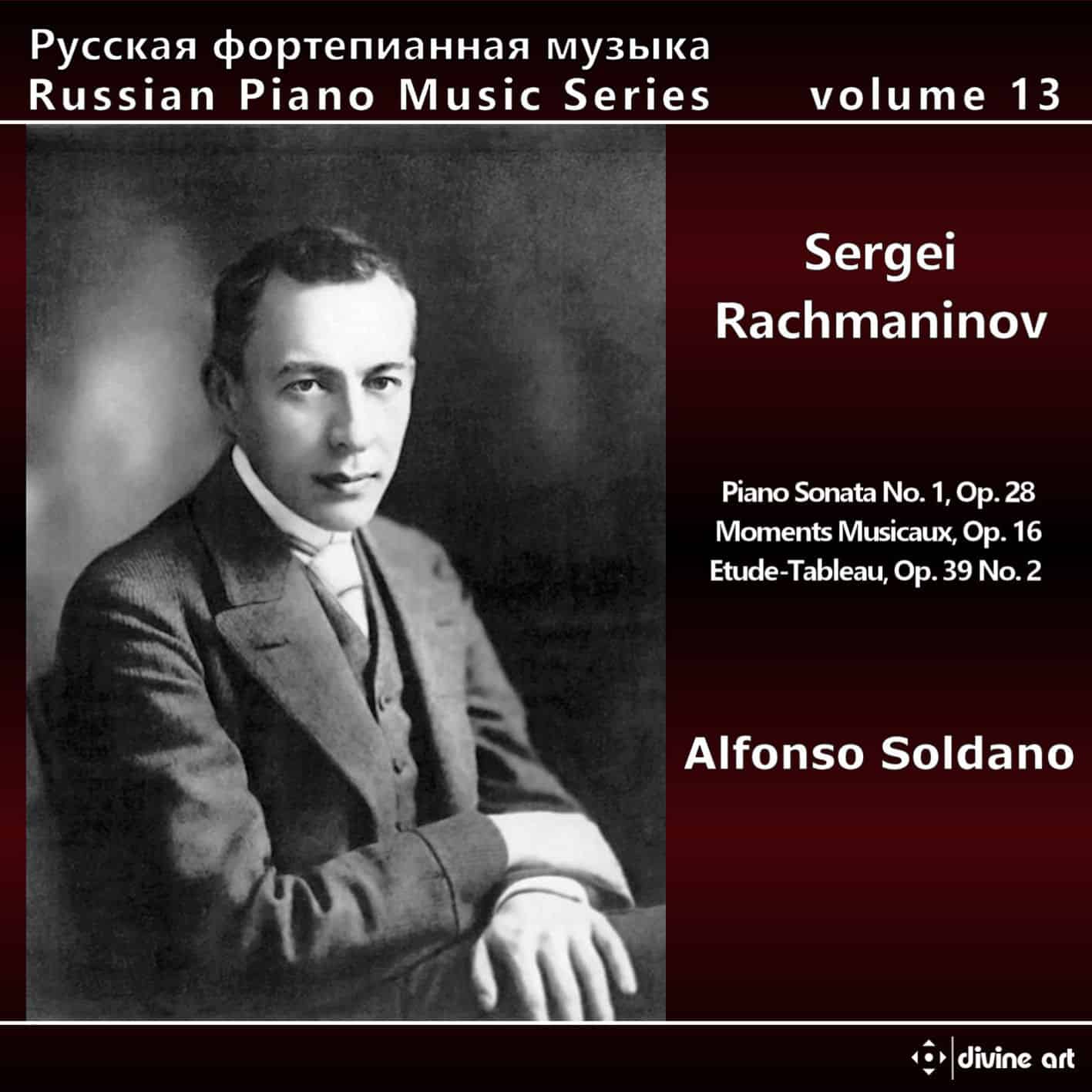
  • Russian Piano Music vol. 13 – Sergei Rachmaninov

    Russian Piano Music vol. 13 – Sergei Rachmaninov

    The major work in this second album of Rachmaninov’s works in the Russian Piano series is the First Sonata, a pinnacle of high late Romanticism. Less well known are the Moments Musicaux but they too are masterful pieces.

    Alfonso Soldano is professor of piano performance at the Giordano Conservatory in Foggia, Italy, following similar posts at Santa Cecilia Academy in Rome and in Trani. He was a student of Ciccolini and is renowned for his virtuosity. He was awarded the International Gold Medal for ‘Best Italian Artist’ in 2013 and has won many other competitions, and is also a busy writer and transcriber. His previous recordings for Divine Art, of the music of Bortkiewicz and Castelnuovo-Tedesco, received glowing reviews. His Rachmaninov (Rachmaninoff for the American readers!) is equally magical.

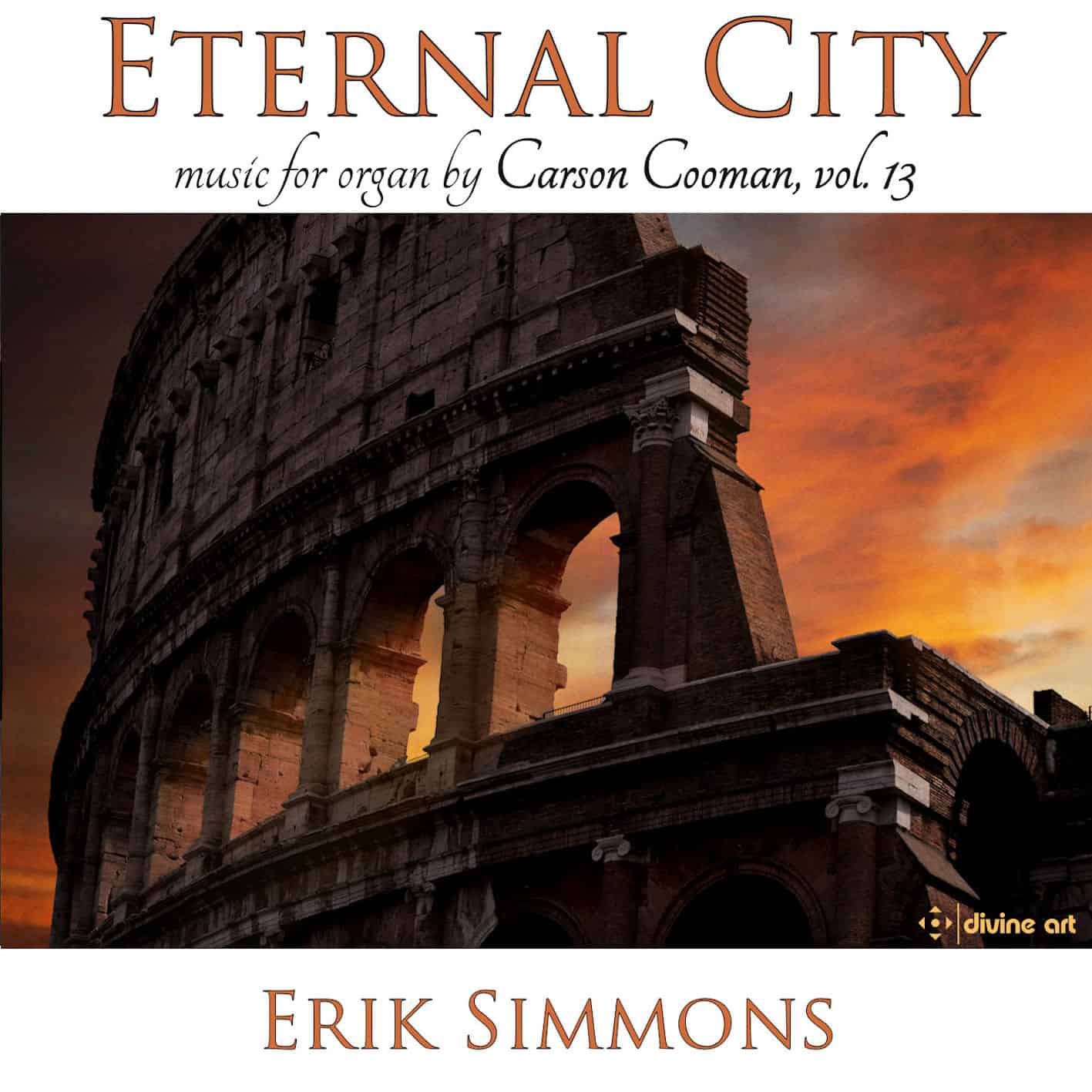
  • Eternal City (Carson Cooman Organ Music vol. 13)

    Eternal City (Carson Cooman Organ Music vol. 13)

    Carson Cooman is many things musical – organist and Composer in Residence at the Memorial Church, Harvard University; writer, critic and consultant, concert organist, and above all a highly prolific composer of music in a wide variety of genres, from orchestral to song.

    His organ compositions come in many styles, from liturgical models, to substantial secular pieces such as his organ symphonies, preludes and fugues. On this album a range of works, most composed in 2017-9, which are ideal for the rich and atmospheric sound of the chosen instrument.

    Erik Simmons is a superb organist, making his 13th Cooman organ album for Divine Art. He is again playing the wonderful ‘Sun Organ’ of St. Peter & Paul, Görlitz, recorded through the Hauptwerk system.

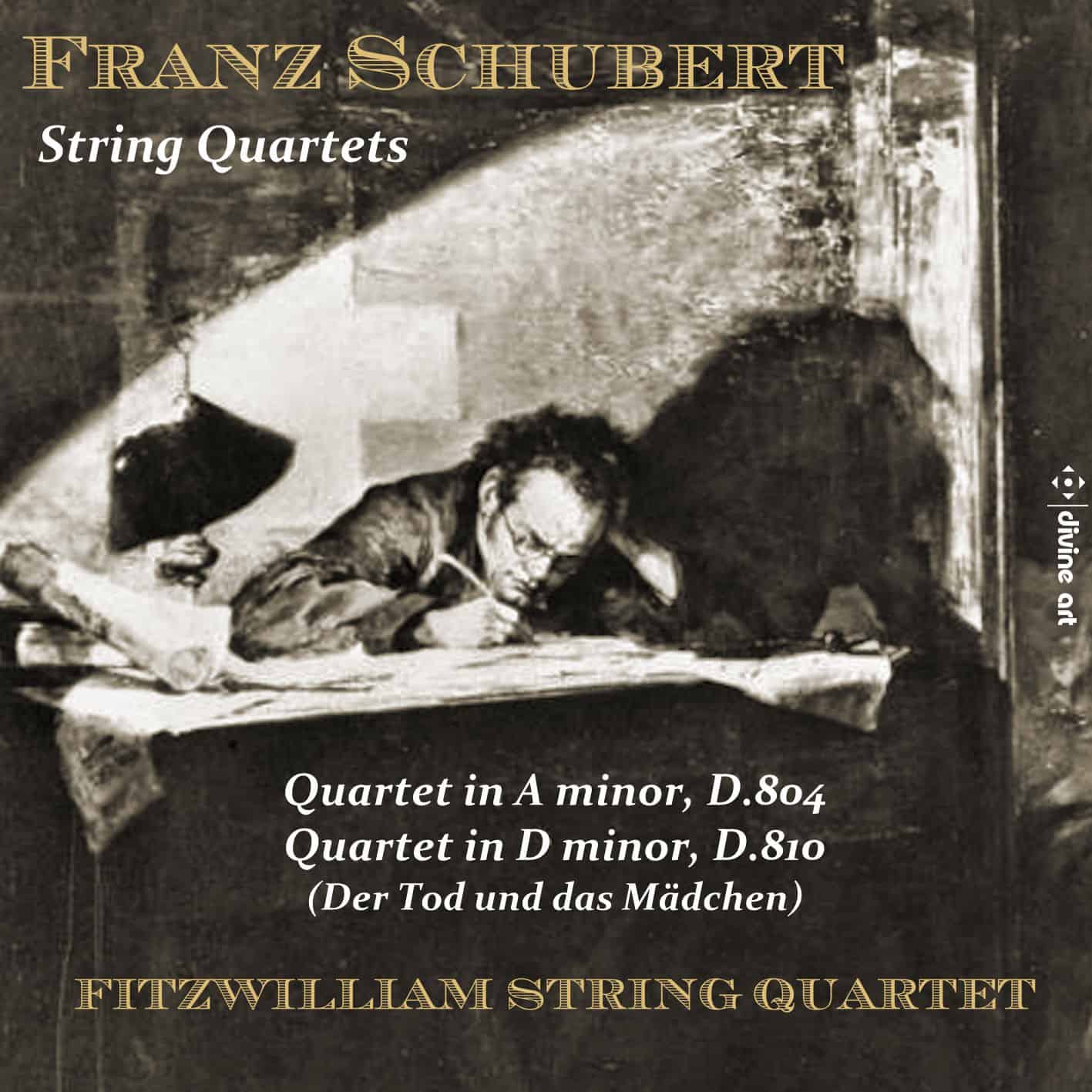
  • Schubert: String Quartets

    Schubert: String Quartets

    Of these two great classical quartets which look forward so much to the heights of the Romantic period, one (“Death and the Maiden”) is almost universally loved. The almost contemporary A minor quartet is sometimes referred to as the ‘Rosamunde’ because of its strong thematic links to Schubert’s incidental music to that play. Both are here played on period instruments, with gut strings, in what is an authentic and thoroughly top-class performance by one of our foremost string ensembles.

    The Fitzwilliam Quartet has just celebrated its 50th anniversary. Acknowledged as one of the finest British quartets of our age they are equally at home in the classics, playing period instruments, or in the modern and contemporary repertoire, having had personal links with Shostakovich who called the Fitzwilliams “the preferred performers of my quartets”.

    Note on Pitch:
    It is well known that a standard international pitch (A=440) was not established until well in to the 20th century; for this recording of music from 1824 we consulted historical tables of pitches for specific years in different countries, and established that if we were performing these works in London or Vienna in the 1820s the pitch might have been A=433 – as recommended by Sir George Smart for the London Philharmonic. – FSQ

  • English Piano Trios

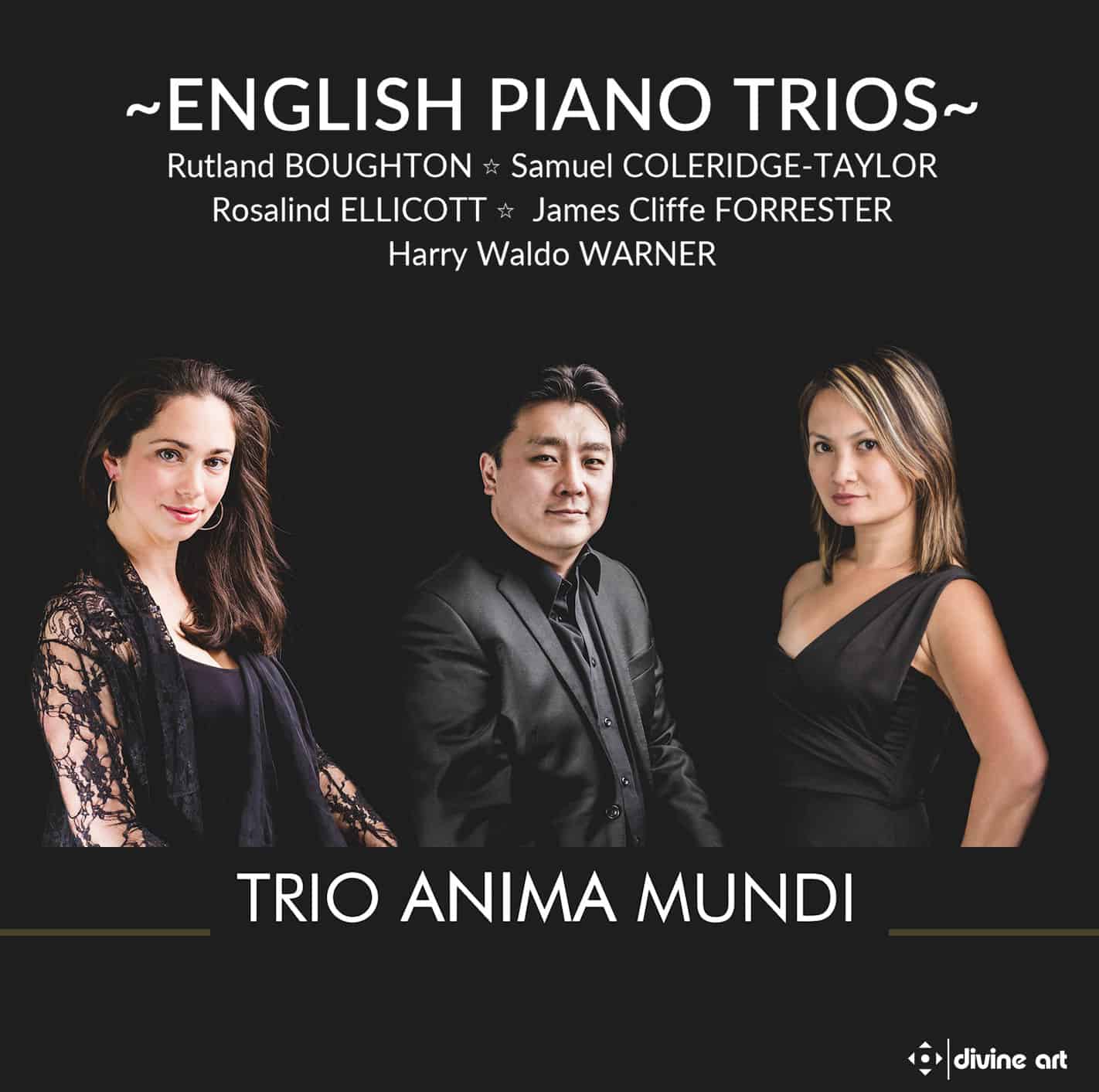
    English Piano Trios

    Of the five English composers featured, only two are really known at all – Coleridge-Taylor for Hiawatha and Boughton for The Immortal Hour – but all wrote wonderful music in Romantic style – rather under the shadow of Elgar, Delius, other prominent figures. Rosalind Ellicott had much success and performances in the 1880s before moving from orchestral to chamber music; Forrester was less prolific, concentrating on his teaching career, but has a fine impressionist voice. Warner was very well known as a violist and member of the London String Quartet; he was very busy as a composer with several chamber works, two operas and over a hundred songs to his name. The Trio featured here won the Elizabeth Sprague Coolidge Prize.

    Trio Anima Mundi is one of Australia’s finest chamber trios; since its founding in 2008 it has won several international awards and made special efforts to unearth and perform forgotten but worthy works as well as the newest pieces of today. Their previous Divine Art album won rapturous acclaim.