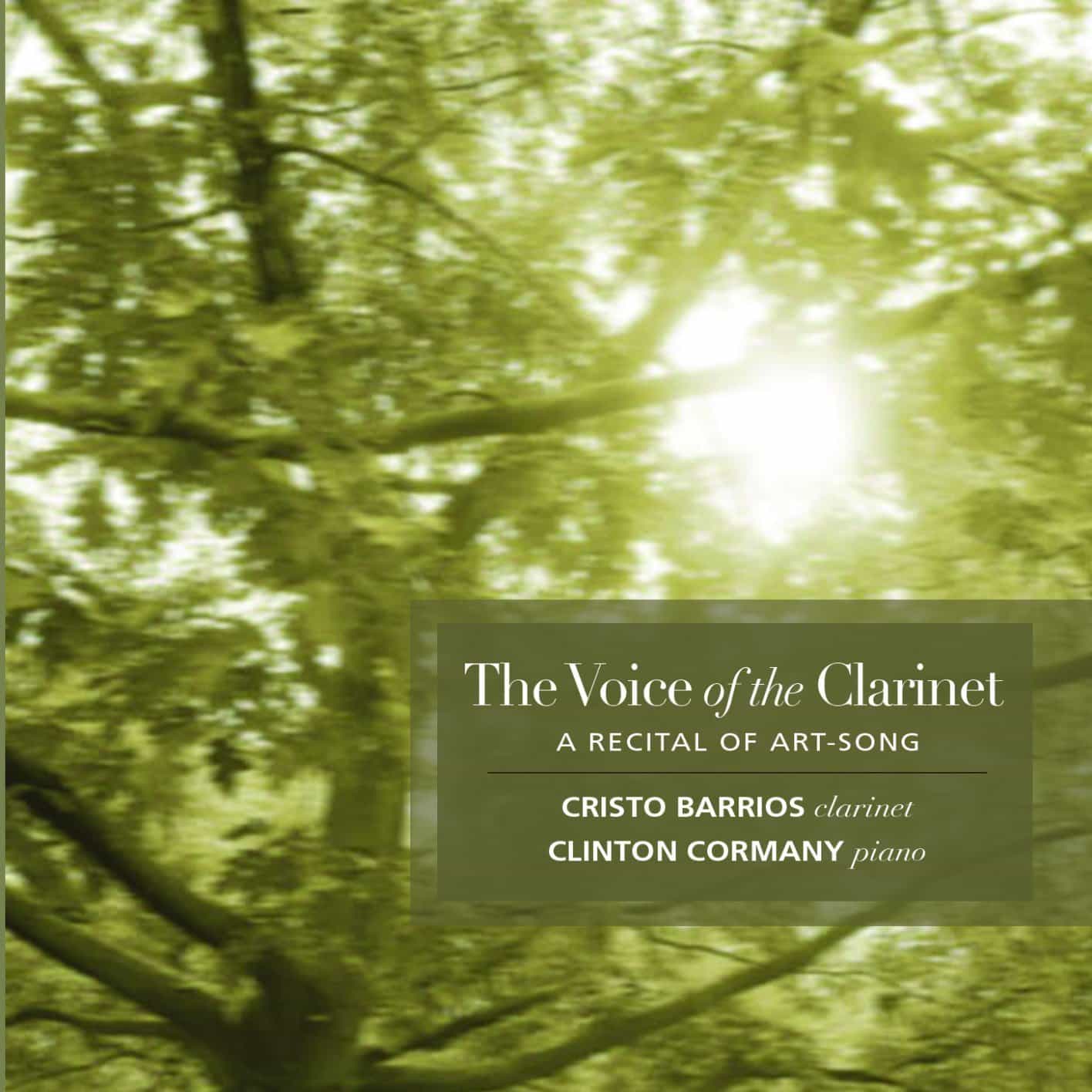
Along with the cello, the clarinet is often regarded as the most “voice-like” expressive instrument. In a unique programme, 20 art-songs and lieder (and one swing classic!) have been newly arranged for clarinet and piano. The result is a beautiful, unusual and uplifting recital with music from across the world.
Label: Divine Art
-
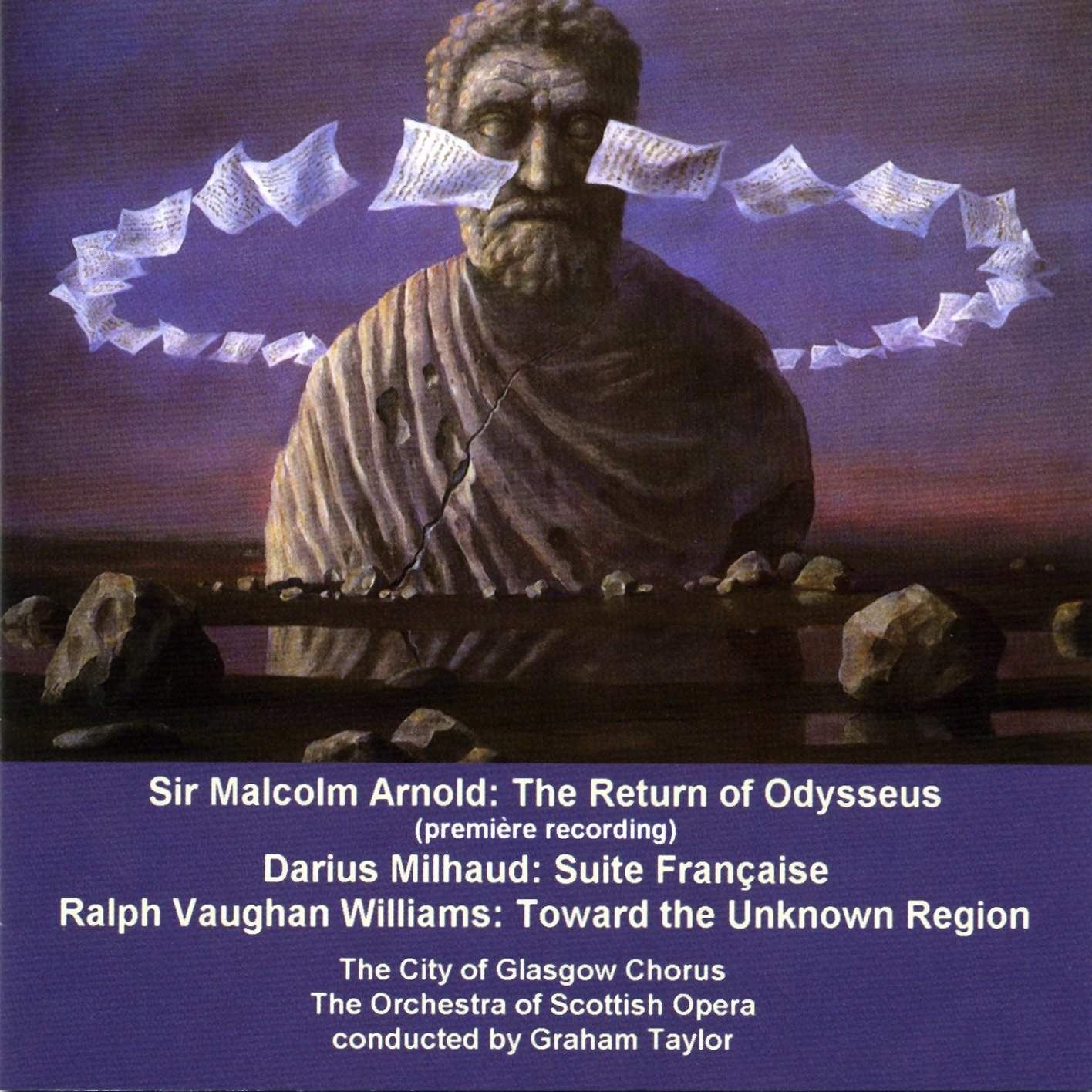
Arnold: The Return of Odysseus
THE WORLD PREMIÈRE RECORDING of Sir Malcolm Arnold’s wonderful humorous dramatic cantata. With a fine performance of Vaughan William’s beautiful choral work (a Classic FM Hall Of Fame composition) and a rare chance to hear Milhaud’s Suite Française in its full orchestral version.
-
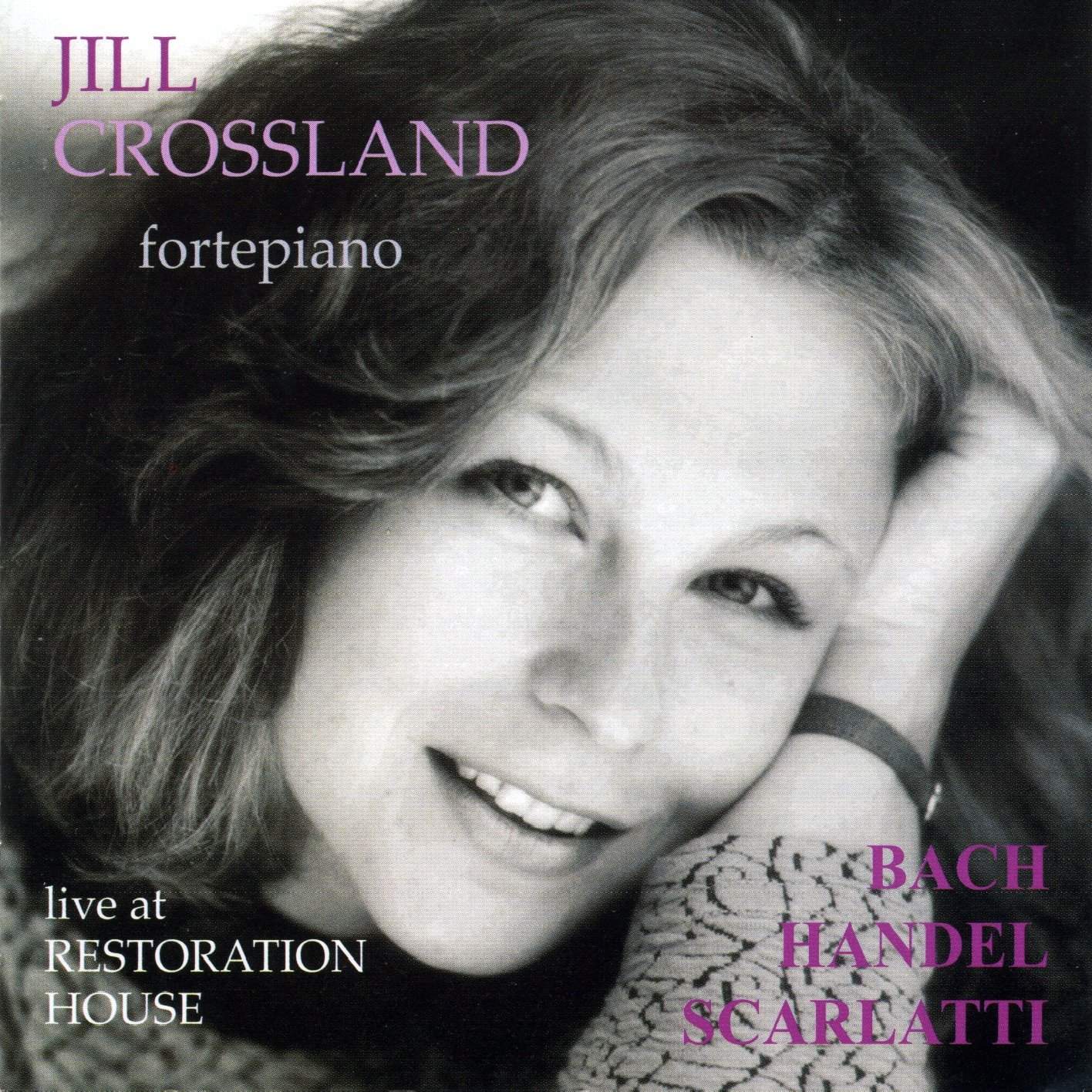
Jill Crossland Live at Restoration House
This CD is a recording of a live concert given at Restoration House, Rochester, on the 1824 Jirikowsky fortepiano. A fine recital by a recognised baroque specialist.
-
![[rout]one](https://staging.divineartrecords.com/wp-content/uploads/sites/16/2026/03/cover29001.jpg)
[rout]one
Presenting cutting edge contemporary sonic art [rout] has become one of the UK’s leading contemporary-music ensembles. In this, their début recording, they present three very different pieces written by the group’s core members.
This CD-single (25 minutes) is co-produced with the British Music Information Centre and financially supported by the Arts Council for England.
-
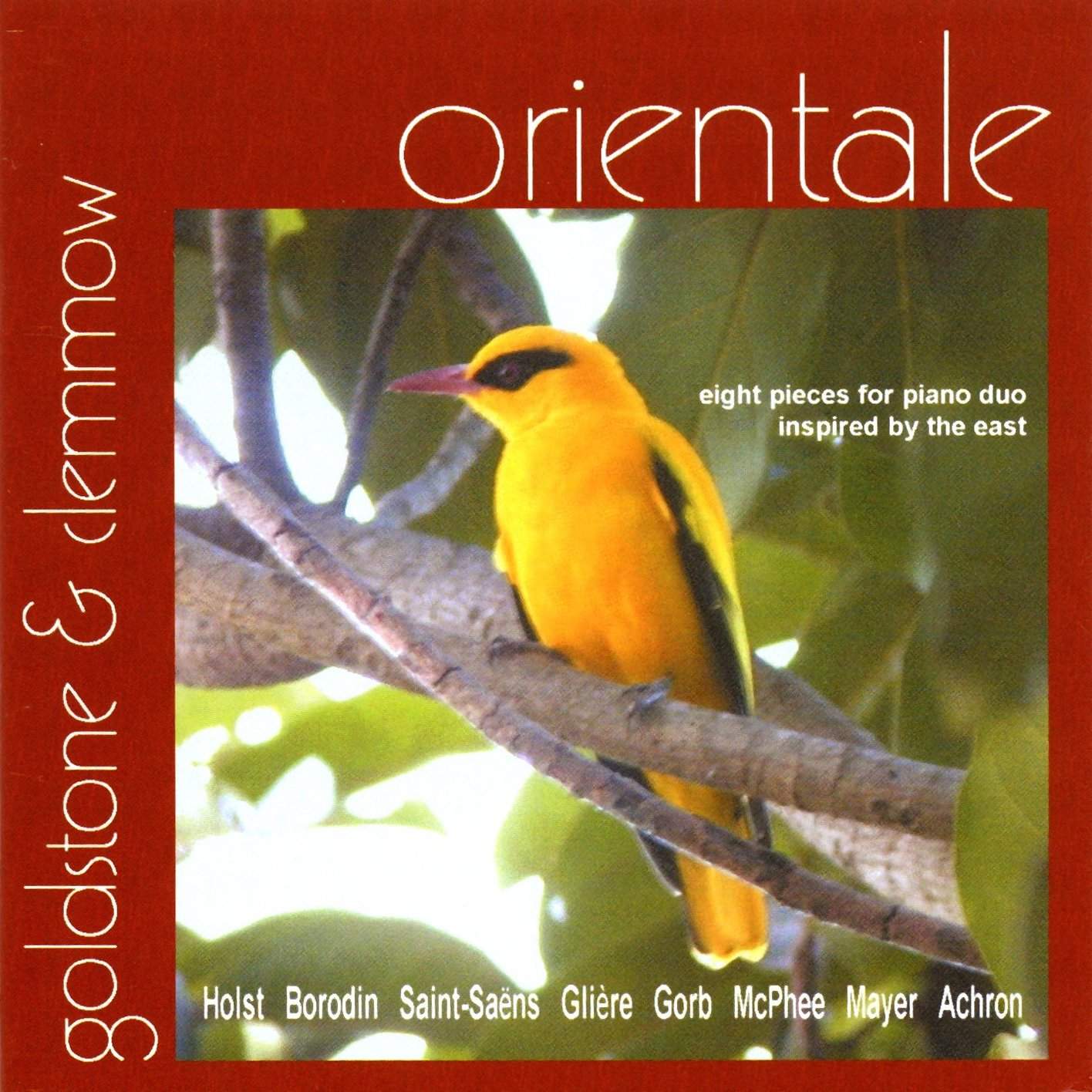
Orientale
In their fifth CD for Divine Art, Britain’s leading piano duo explore the east from Israel to Siberia, from Persia to Bali. The influences are diverse. McPhee spent much time in Bali, while John Mayer was in effect one of the founders of the “world music” genre. Anthony Goldstone has newly arranged Achron’s “Hebrew Melody” for piano duo and prepared a performing edition of Holst’s wonderful “Beni Mora” suite from the transcription made by Holst’s pupil Nora Day.
Most of these splendid pieces are recorded here for the first time.
-
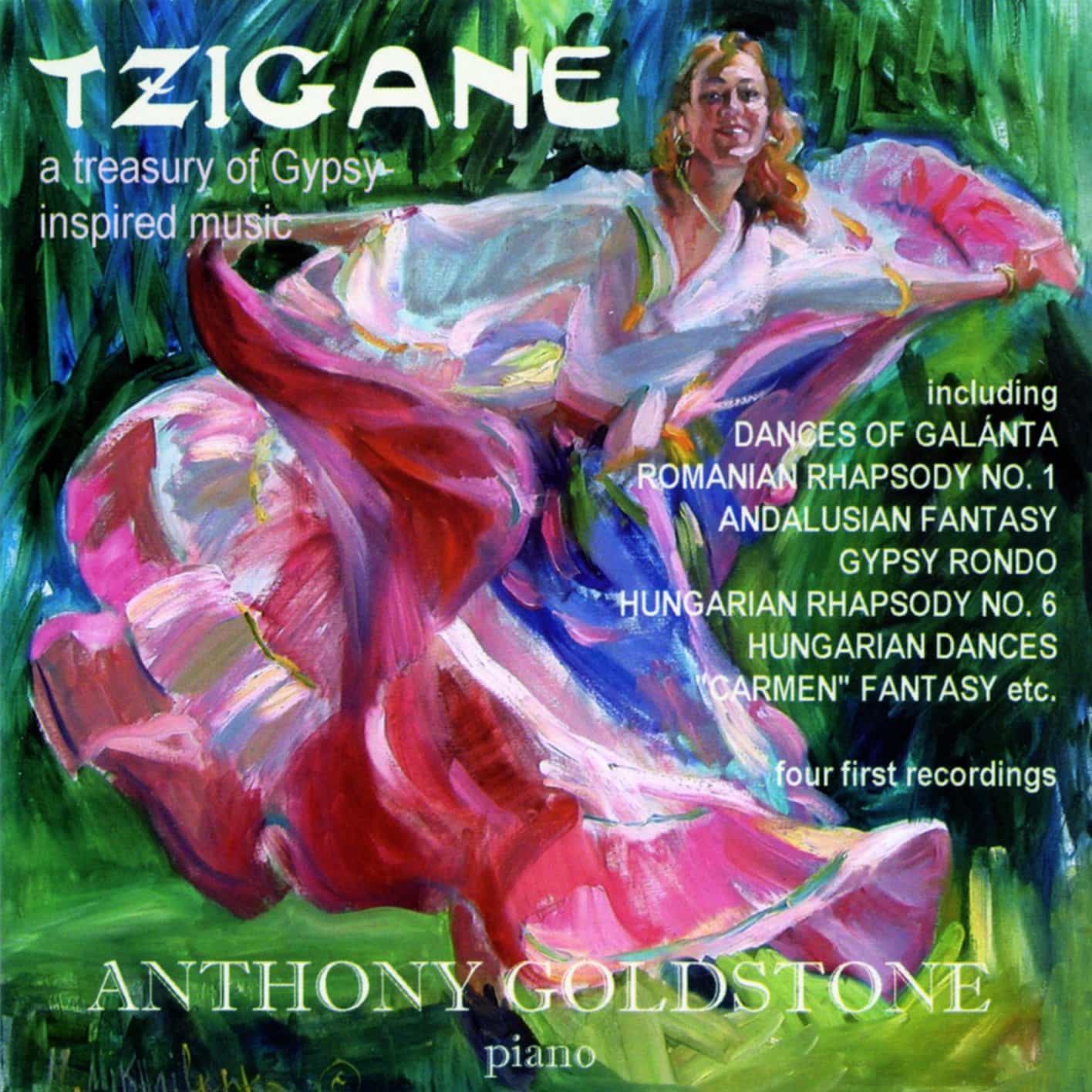
Tzigane
A dazzling display of fireworks from the keyboard, this new recording by Anthony Goldstone shows to best effect both his virtuosity and musicianship. Featuring four world première recordings and three superb arrangements by the pianist, a piano showcase of the highest standing.
The cover image for this CD is the painting “Gypsy Dancer” by the remarkable artist Nina Mikhailenko whose work is full of vitality and passion: see her website.
-
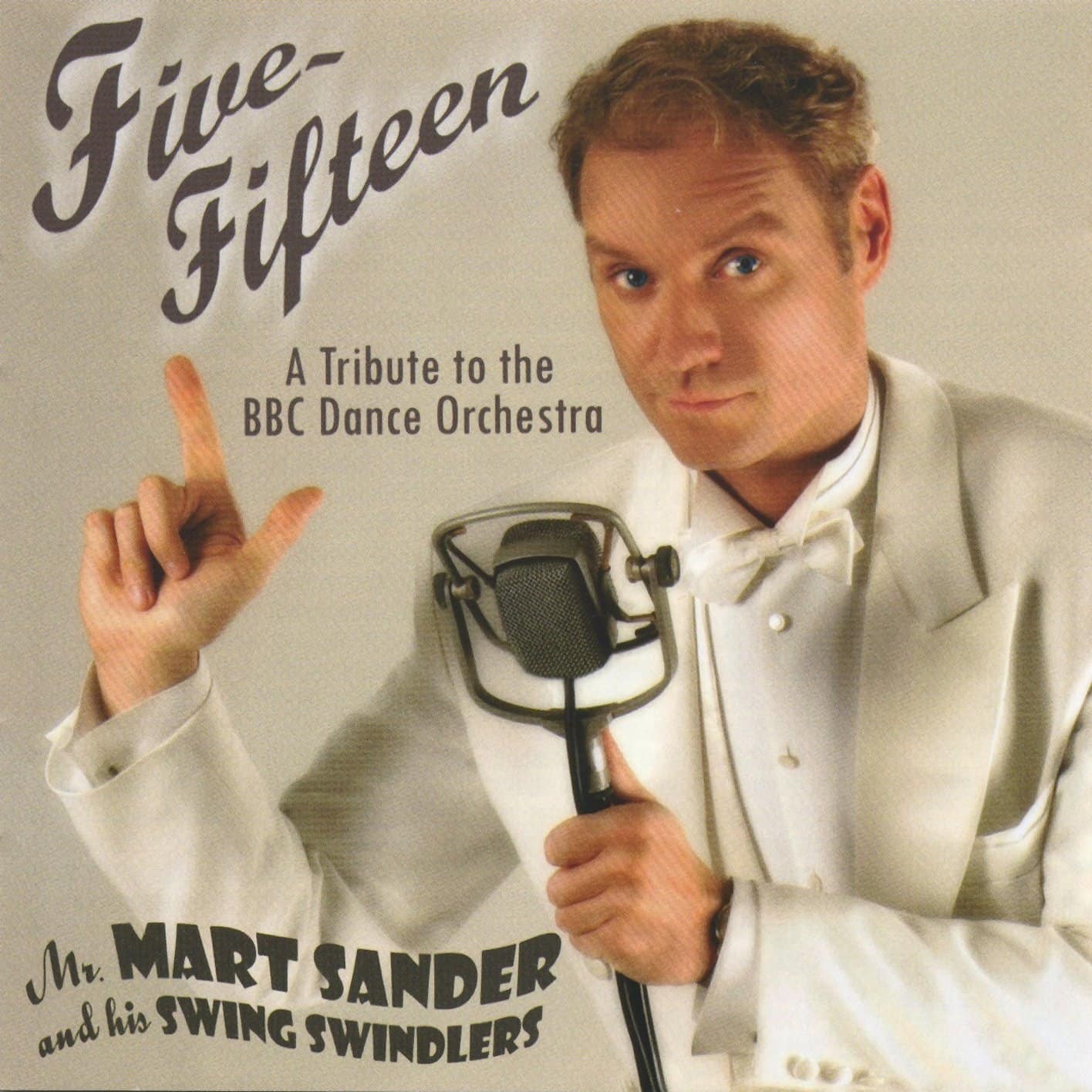
Five-Fifteen
A Tribute to the BBC Dance Orchestra
In 1930s Britain, the biggest “pop star” was Henry Hall, leader of the BBC Dance Orchestra, whose daily broadcasts were heard by millions. Now tunes he made famous are introduced in brand new recordings by Mart Sander and the Swing Swindlers! This is a great way to hear the fine soft swing in super sound and fine performances.
-
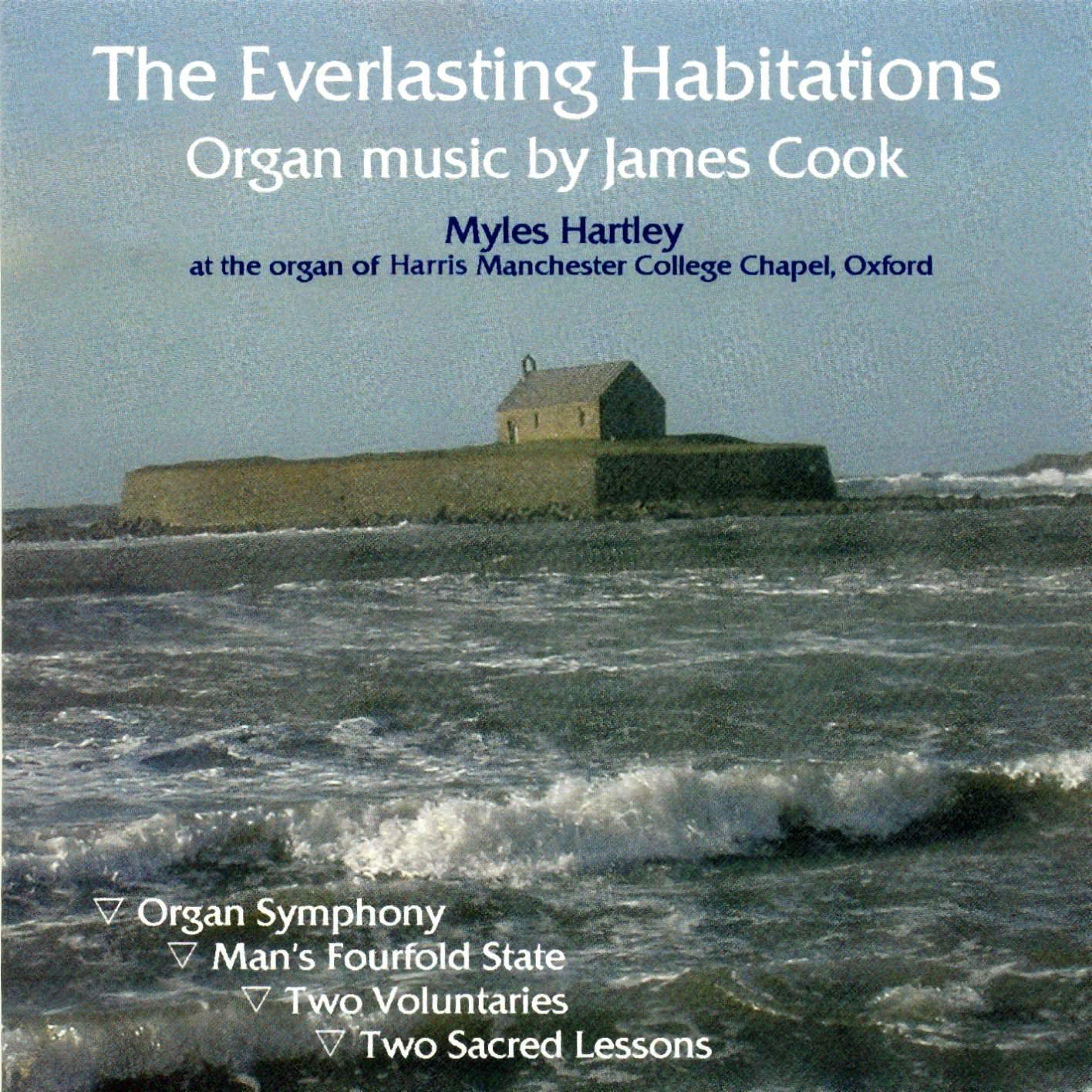
The Everlasting Habitations
All the music on this CD was composed during 2004. As with Cook’s choral music, (see Divine Art CD 25023 and 25027), it is written in an approachable, traditional and tonal style, but with an individual and distinctive voice. With many passages which are slow and quiet, Cook’s music allows the organ to express spirituality and devotional qualities without any of the noise and bombast so often encountered. The louder turbulent sections are used in context to good effect without excess.
-
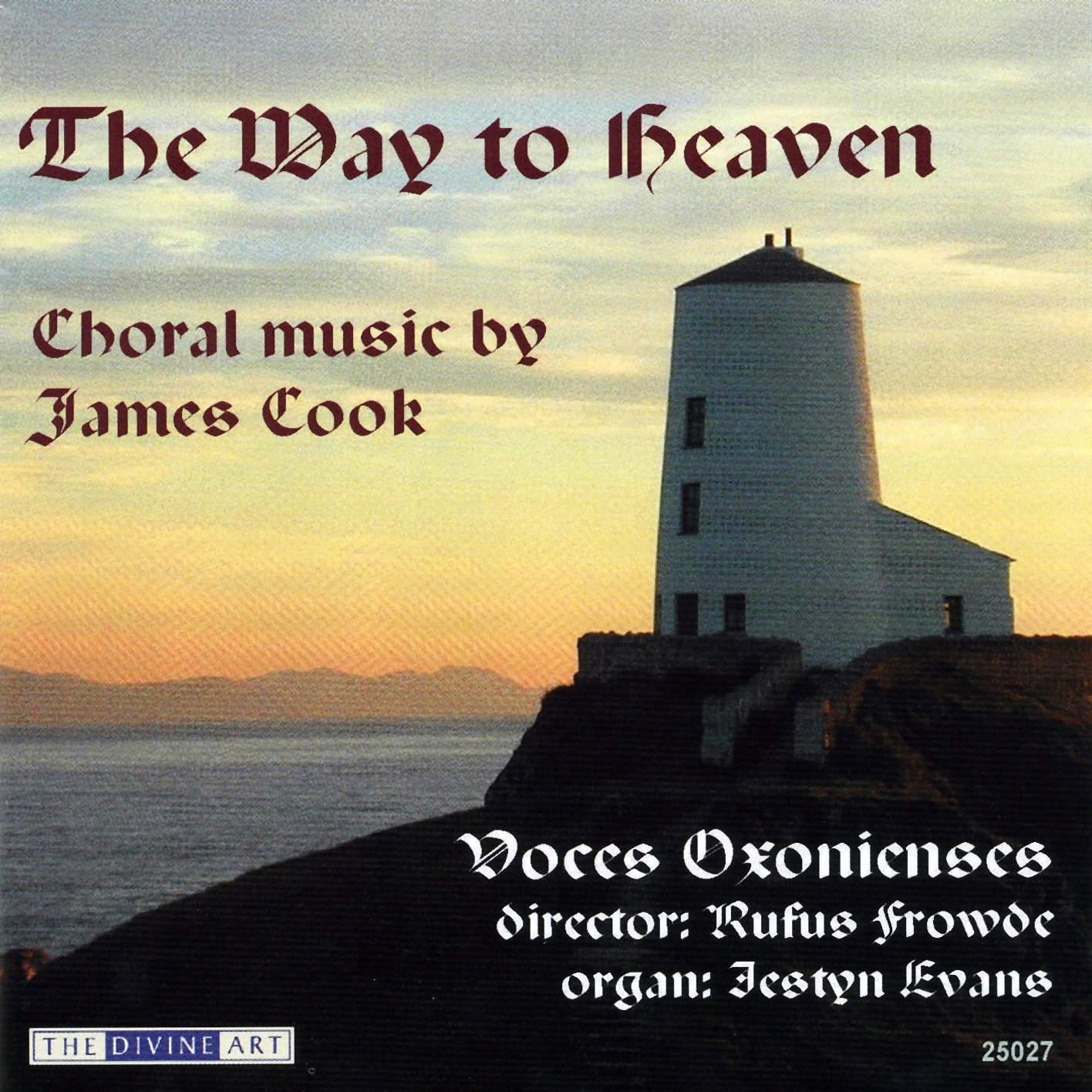
The Way to Heaven
James Cook writes for voices, mainly a capella, in numbers ranging from four to forty-plus. This disc continues the survey of his music started with Heaven’s Happiness (DDA 25023), written very much in the Anglican choral tradition, and ideal for skilled church and amateur choirs. All first recordings.
Also available: Heaven’s Happiness DDA 25023 – and see the composer index for more vocal, organ and harp music by James Cook.
-
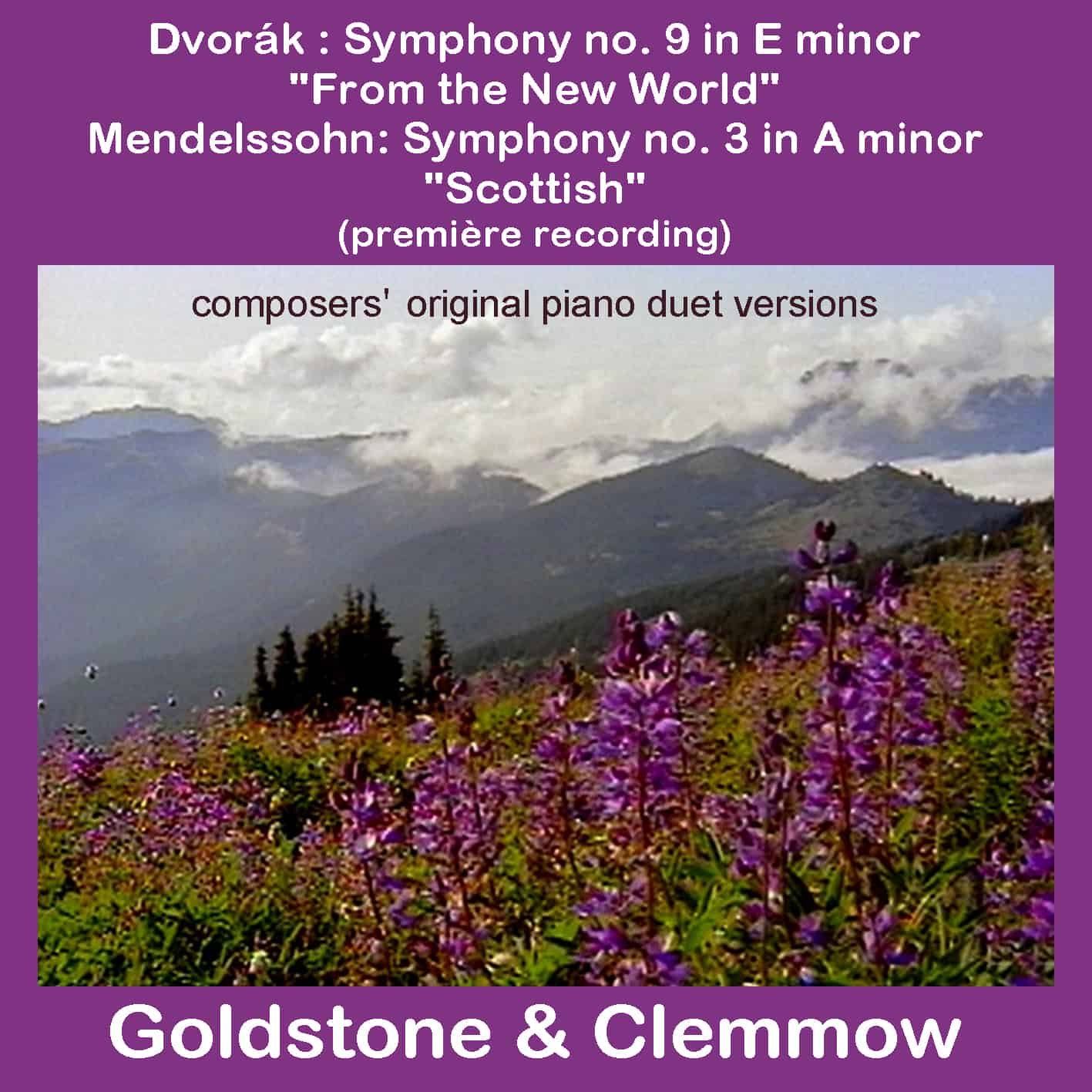
Dvorak & Mendelssohn Symphonies
DVOŘÁK: “New World” Symphony
MENDELSSOHN: “Scottish” Symphony
both in the composers’ own four-hand versionsThere are hundreds of works which have been arranged for piano duet, many quite mediocre. But there are some magnificent works, including those selected by Goldstone & Clemmow, Britain’s top duo. The two symphonies on this disc are such examples, both having been written by the composers as original versions and not as an afterthought. We believe that this is the first recording of the “Scottish” Symphony in this version.
-
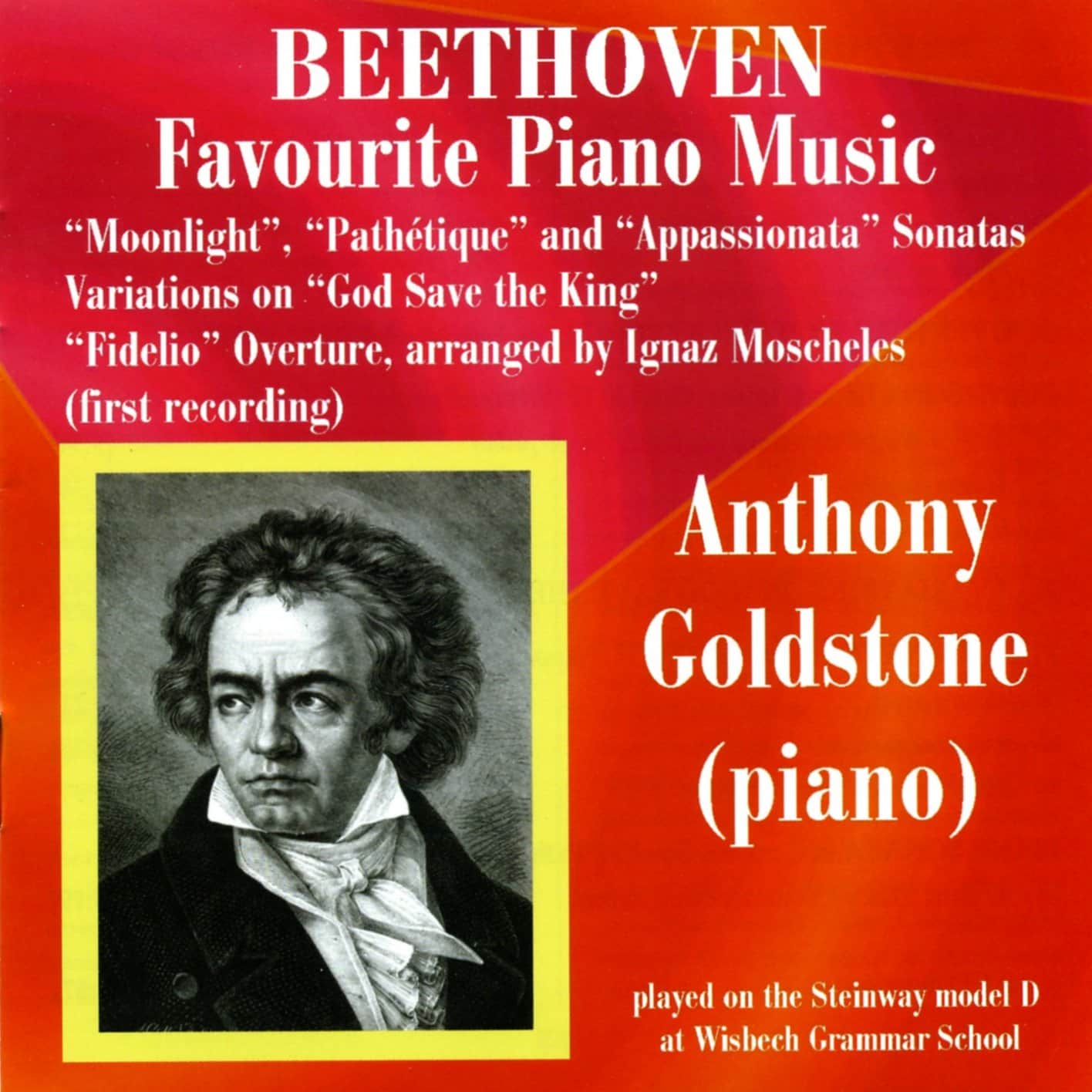
Beethoven : Favourite Piano Music
Beethoven’s three most famous sonatas have received hundreds of recordings. Why another, especially from a company like Divine Art which usually avoids duplicating repertoire?
Because we believe that each piece of music demands a performance tailored to the composition, and that recently, every recording of a major work seems to sound the same. Beethoven’s sonatas are fiery, storm-filled works which require playing not only of consummate skill but also total passion and commitment. They receive that here, together with a piano of individual character, with a “visceral” quality (to quote Goldstone), and ideal for this music.
But this CD contains two special tracks: we offer the world première recording of Moscheles’ arrangement of the Overture to “Fidelio”. And also, two alternative versions of the first movement of the “Pathétique” Sonata, one incorporating Goldstone’s belief regarding the correct execution of the exposition repeat. We could not pack any more onto a disc!
-
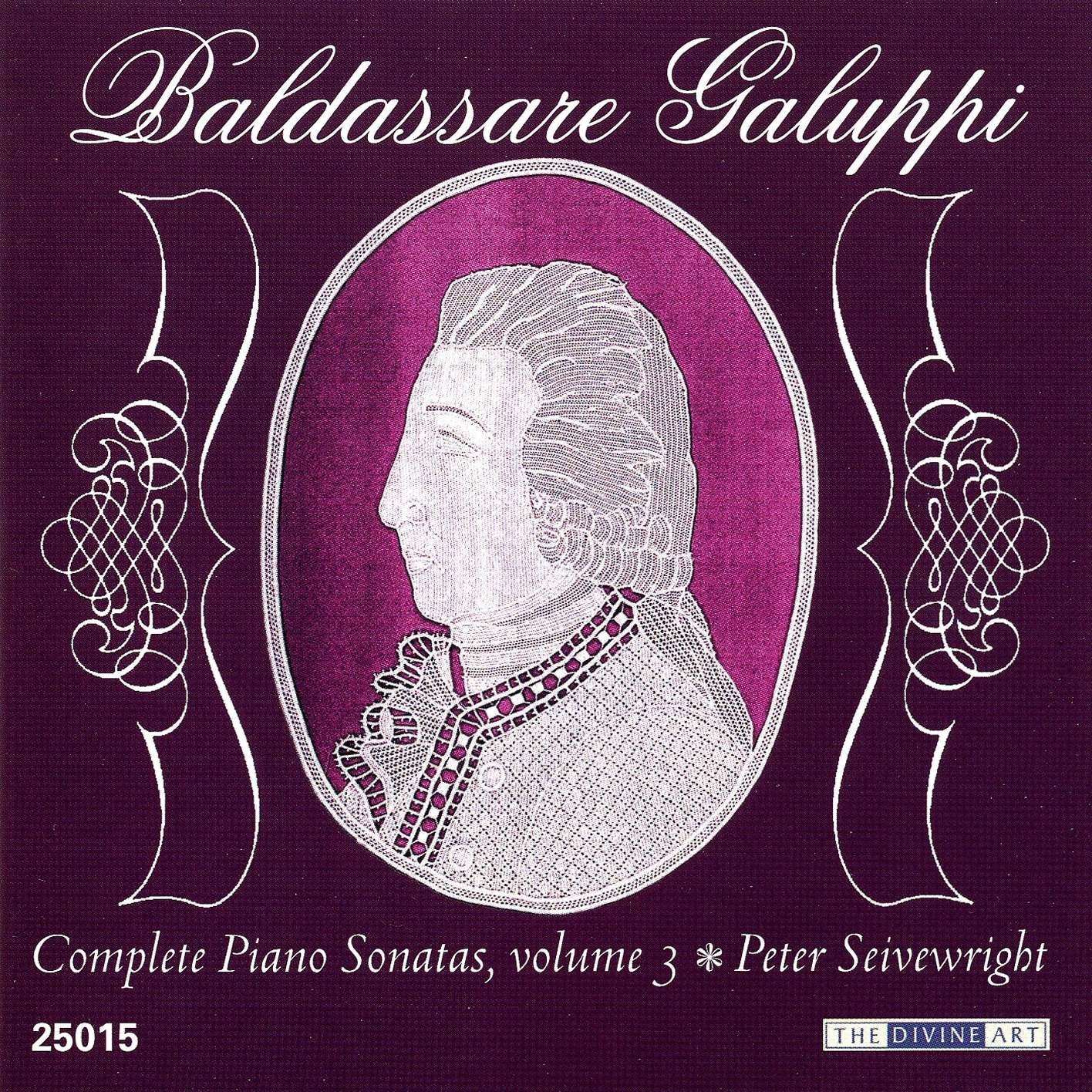
Galuppi Piano Sonatas, Vol. 3
In the third of a series of CD’s containing Galuppi’s sonatas, we present another eight of these masterpieces. All music lovers should sample these seminal works, which made Galuppi one of the greatest composers of his day;all the more strange that he should have fallen into such obscurity. All the sonatas on this disc are unpublished and have been reconstructed for performance by Peter Seivewright from the original manuscripts.
Peter Seivewright has spent a good deal of time on a research mission to Venice and other European cities, retrieving the unpublished manuscript scores and preparing performing editions. One of the great revelations brought about by this work is that Galuppi, far from being a straightforward baroque composer writing for the traditional keyboard instruments (harpsichord and clavichord), which have been employed in all previous recordings, actually waited until the piano had been developed before creating most of his phenomenal output. Many of the original manuscripts are titled “Sonata for Pianoforte”, and much of the writing, making substantial use of the sustain pedal, simply do not work on the earlier instruments.