Label: Divine Art

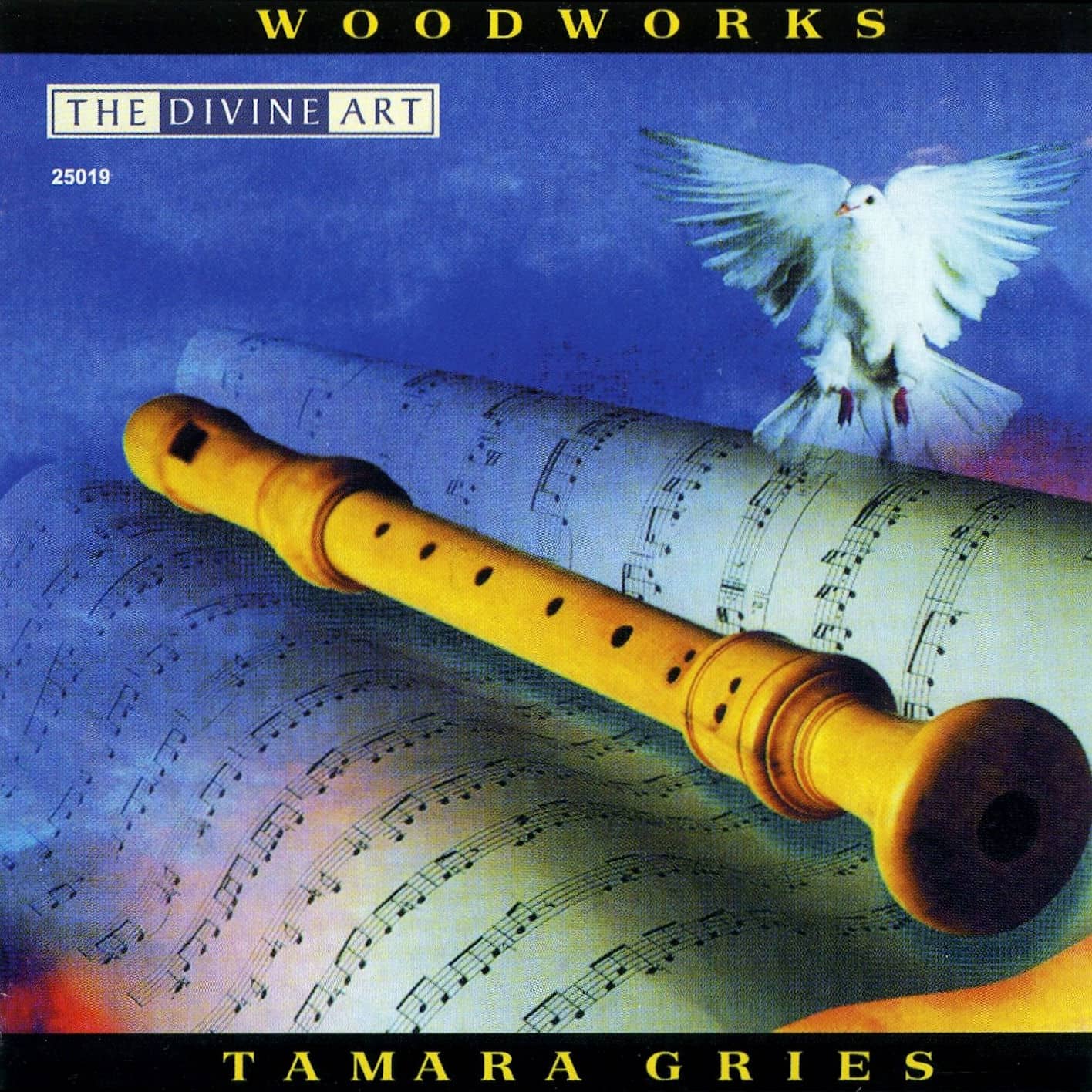
  • Woodworks

    Woodworks

    For those who think the recorder is just a boring instrument for young schoolchildren, here is the proof of the opposite!

    This CD contains classic works by Handel, Vivaldi and Couperin but also new and exciting works by contemporary composers. Accompanied by a fine chamber ensemble, Australian performer Tamara Gries shows, in the words of Prof. David Tunley (University of Western Australia) that “the recorder is truly a fine and expressive instrument that finds a deserved niche in music of our own century as well as in that from earlier times”.

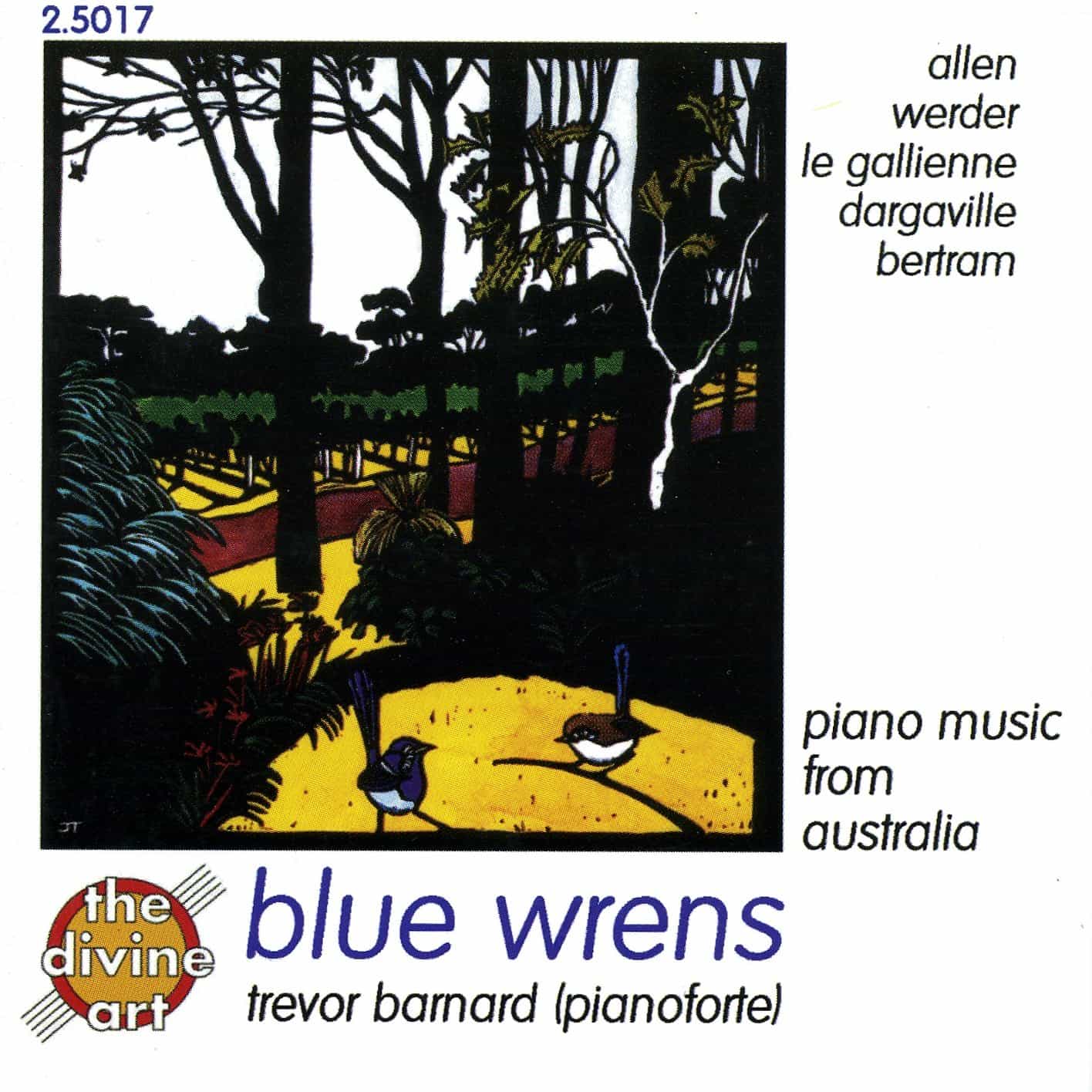
  • Blue Wrens

    Blue Wrens

    Modern Piano Music from Australia.

    This disc contains world première recordings of works by some of Australia’s top contemporary composers. Trevor Barnard is an English pianist who moved to Australia many years ago and taught at The University of Melbourne as well as performing and writing articles and books on piano technique. He originally rose to overnight fame with his recording for EMI of the Bliss Piano Concerto with Sir Malcolm Sargent, now available on DDV 24106.

    All music on this disc is published by Keys Press, 66 Clotilde Street, Mount Lawley, WA6050, Australia.

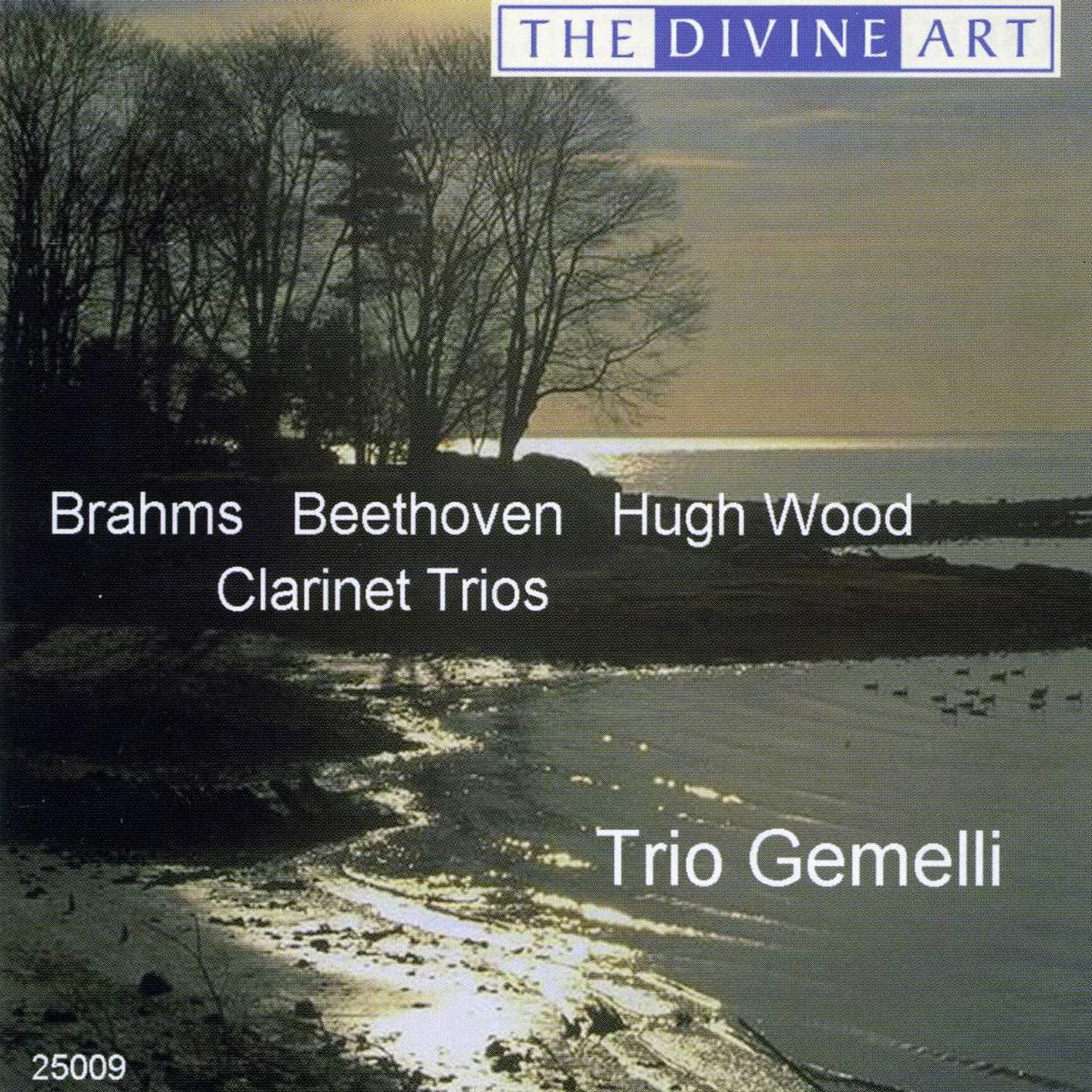
  • Brahms, Beethoven & Wood – Clarinet Trios

    Brahms, Beethoven & Wood – Clarinet Trios

    The Trio made its debut in Madrid in 1994, and its first, acclaimed appearance at the Wigmore Hall in 1997. The Trio has appeared on BBC Radio 3 and 4 and has recorded the music for several BBC TV documentaries. John Bradbury is principal clarinet of the BBC Philharmonic and his identical twin Adrian appears with the London Sinfonietta and other highly regarded chamber groups. Emily Segal made her concerto debut at the Queen Elizabeth Hall in London. The work by Hugh Wood was commissioned by the Trio for the Cheltenham International Music Festival and this is its first recording.

    Trio Gemelli are: John Bradbury (clarinet) – Adrian Bradbury (cello) – Emily Segal (piano)

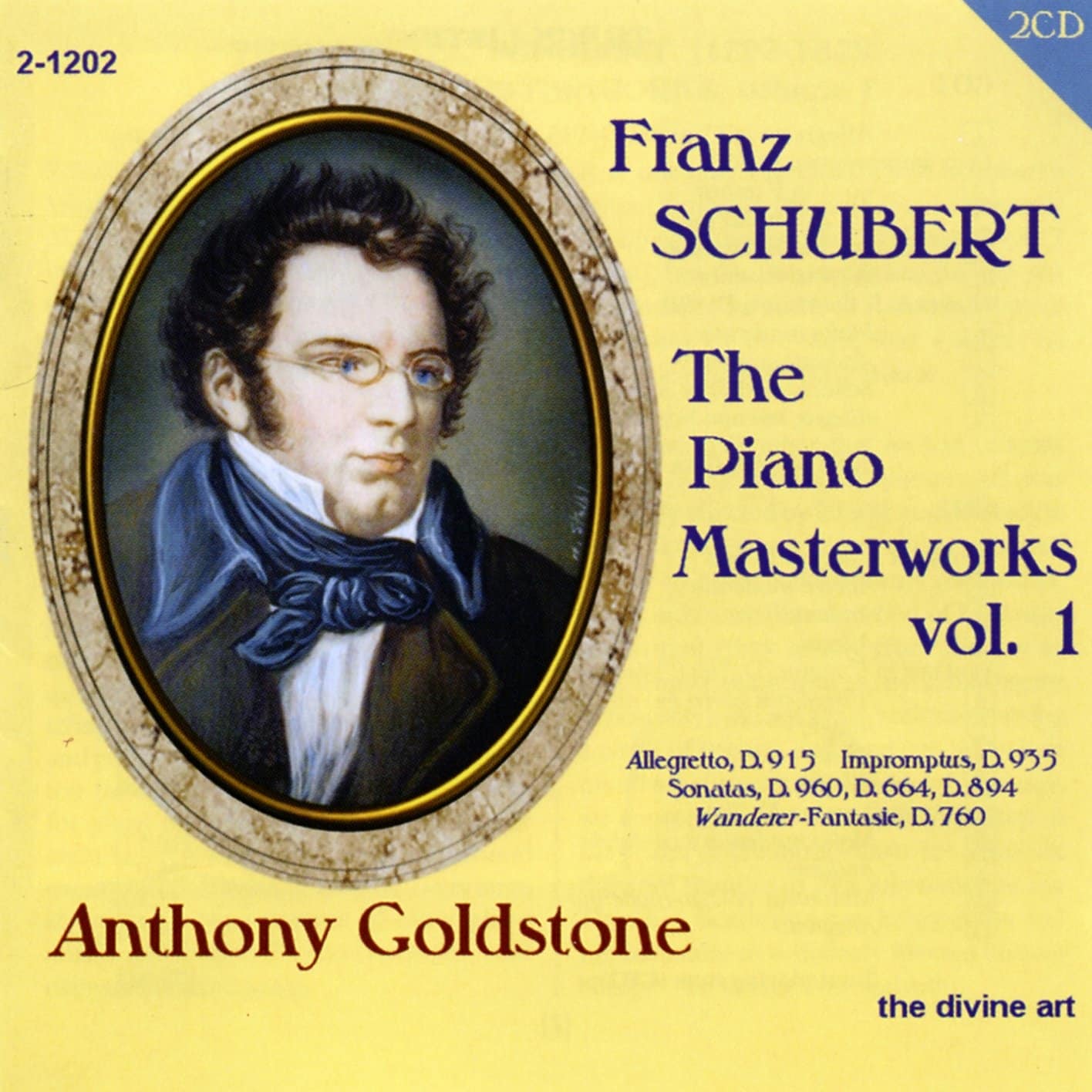
  • The Schubert Piano Masterworks, Vol. 1

    The Schubert Piano Masterworks, Vol. 1

    The first of three volumes containing some of the greatest piano music ever written, played by Schubert specialist Anthony Goldstone

    All three volumes have been widely praised for the quality of Goldstone’s performances.

    See details for Volume Two and Volume Three as well as the low-priced bundle.

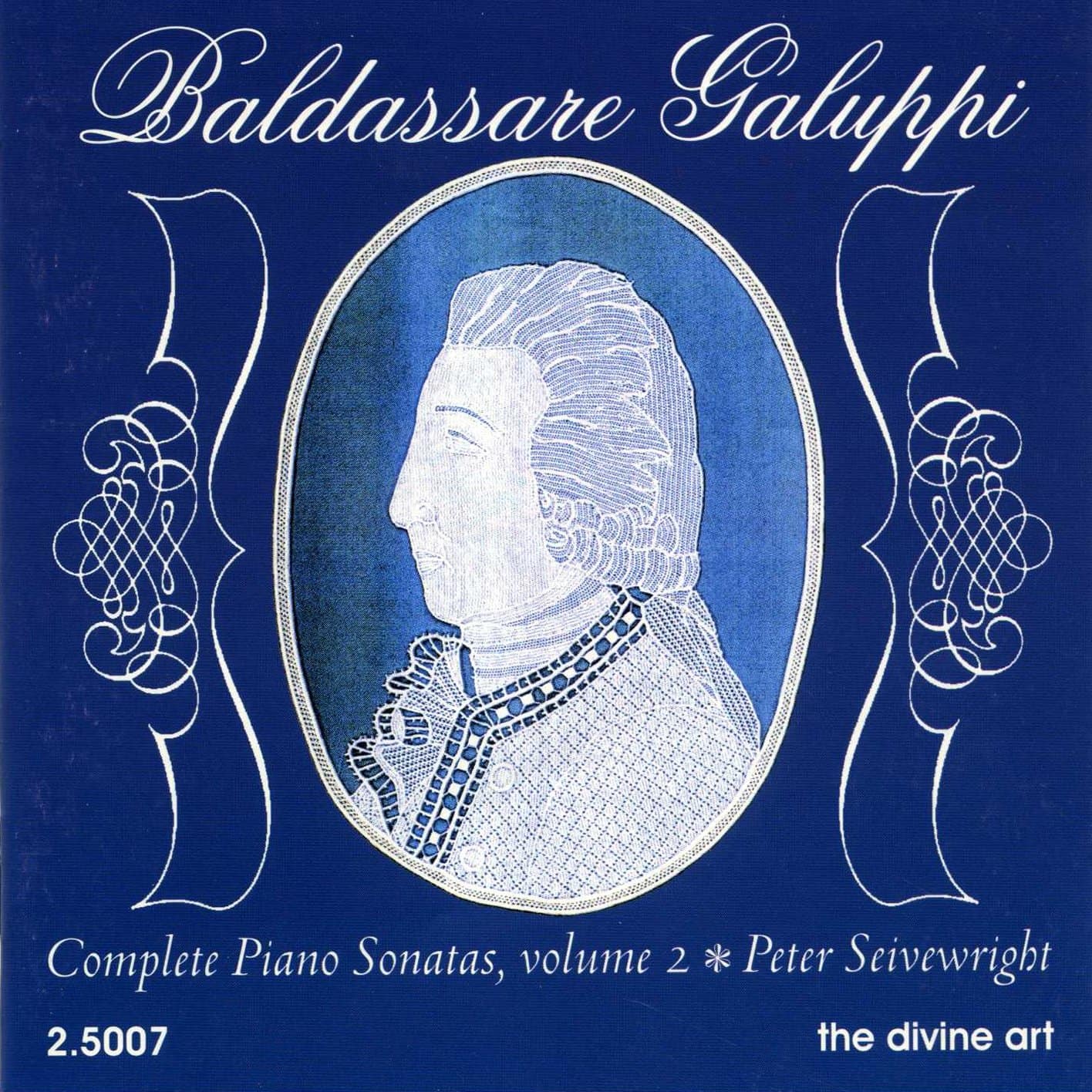
  • Galuppi Piano Sonatas, Vol. 2

    Galuppi Piano Sonatas, Vol. 2

    In the second of a series of CD’s containing Galuppi’s sonatas, we present a further nine of these masterpieces. All music lovers should sample these seminal works, which made Galuppi one of the greatest composers of his day; all the more strange that he should have fallen into such obscurity.

    Peter Seivewright has spent a good deal of time on a research mission to Venice and other European cities, retrieving the unpublished manuscript scores and preparing performing editions. One of the great revelations brought about by this work is that Galuppi, far from being a straightforward baroque composer writing for the traditional keyboard instruments (harpsichord and clavichord), which have been employed in all previous recordings, actually waited until the piano had been developed before creating most of his phenomenal output. Many of the original manuscripts are titled “Sonata for Pianoforte”, and much of the writing, making substantial use of the sustain pedal, simply do not work on the earlier instruments.

    Also see:
    Volume 1
    Volume 3
    Volume 4

  • Brahms & Hindemith Clarinet Sonatas

    Brahms & Hindemith Clarinet Sonatas

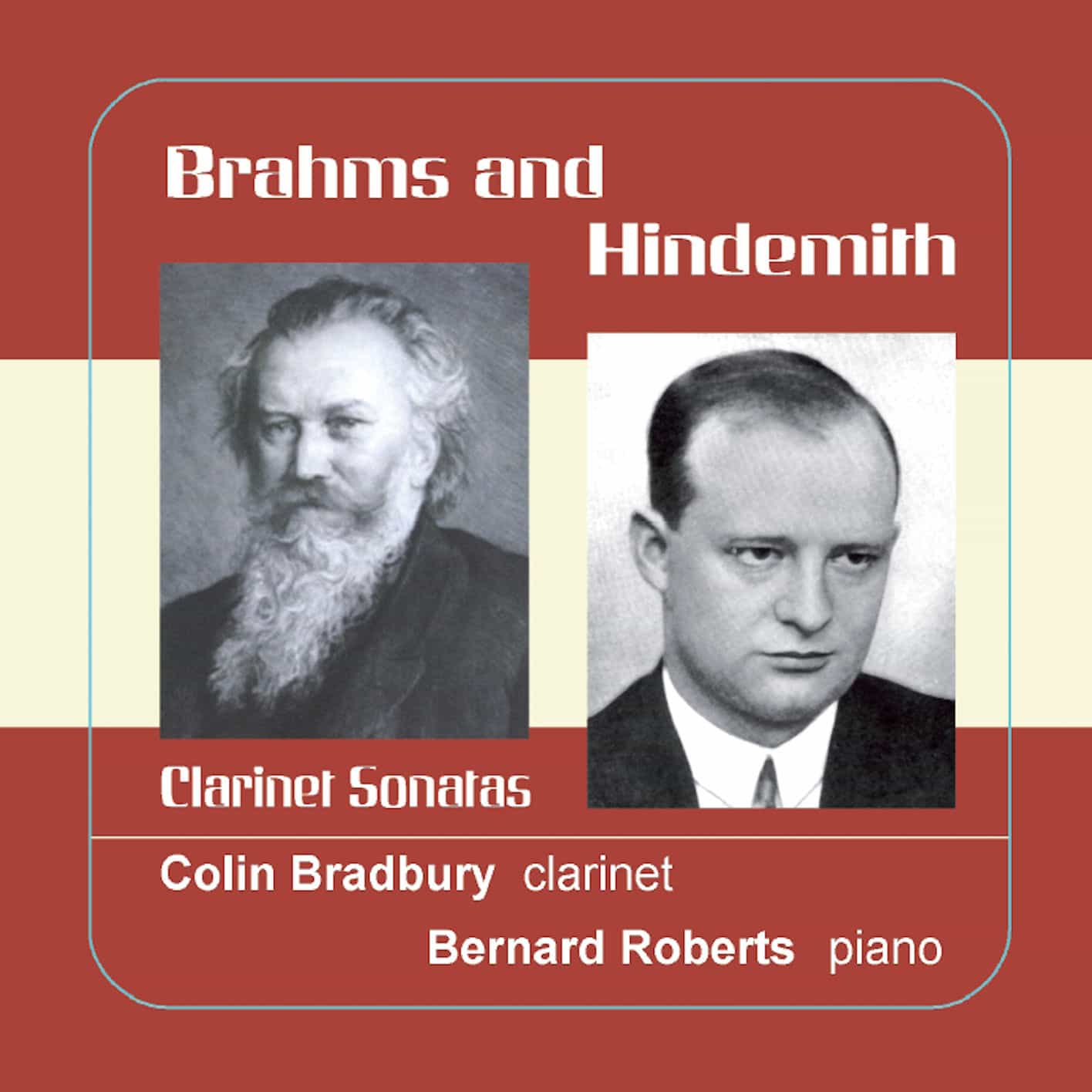
    Bradbury and Roberts were two of the most respected British instrumentalists of the modern age (Roberts has now passed on). They renewed their working relationship, following previous collaborations, in this very fine performance of three great German works.

    Recorded at St. George’s, Brandon Hill , Bristol.

  • Sullivan: Haddon Hall

    Sullivan: Haddon Hall

    ONLY COMPLETE RECORDING

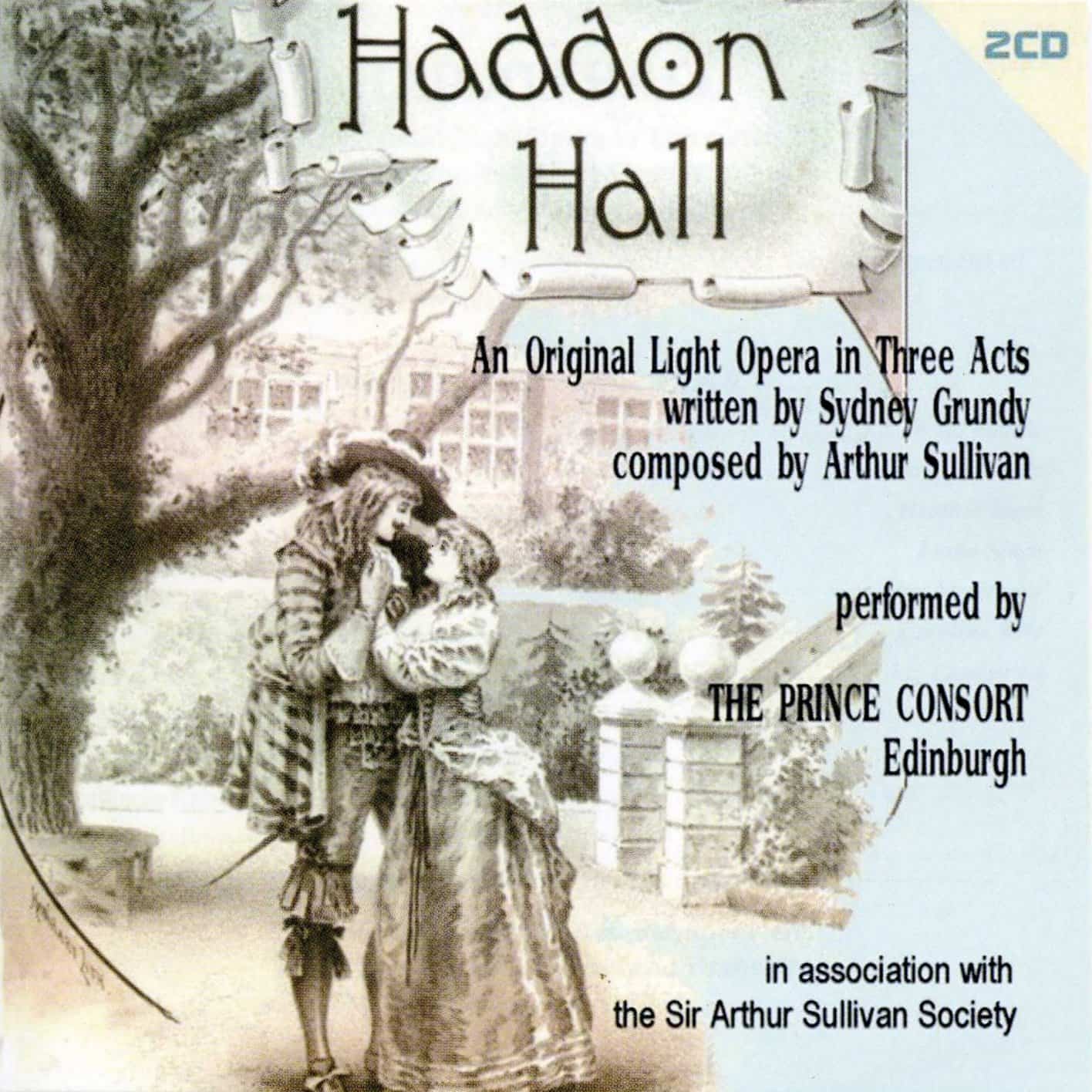
    Sir Arthur Sullivan wrote his light opera Haddon Hall when he was at the height of his considerable creative powers. Despite his intention to turn away from writing “lighter” works so that he could concentrate on more serious fare, Sullivan’s love of the good-life forced his return to the rather more lucrative stage of the Savoy Theatre, and the world of comic opera. Sydney Grundy presented him with a libretto based on an actual historical incident, namely the elopement of Dorothy Vernon, with her lover John Manners, from Haddon Hall, her ancestral home. The opera was completed and presented at the Savoy Theatre on 24th September 1892.

    The reception to Sullivan’s music (though not the libretto!) was ecstatic. Bernard Shaw thought Haddon Hall to be the very best of the Savoy Operas, and for a while the piece beat even The Mikado in box office receipts. We hope that, after hearing this new recording, you will agree that Haddon Hall is an unjustly neglected work of great charm, fully worthy of Britain’s most famous composer of the 19th century, Sir Arthur Sullivan.

    Above notes extracted from Booklet notes © 2000 Alan Borthwick
  • Celestial Harmonies – piano music by Camilleri

    Celestial Harmonies – piano music by Camilleri

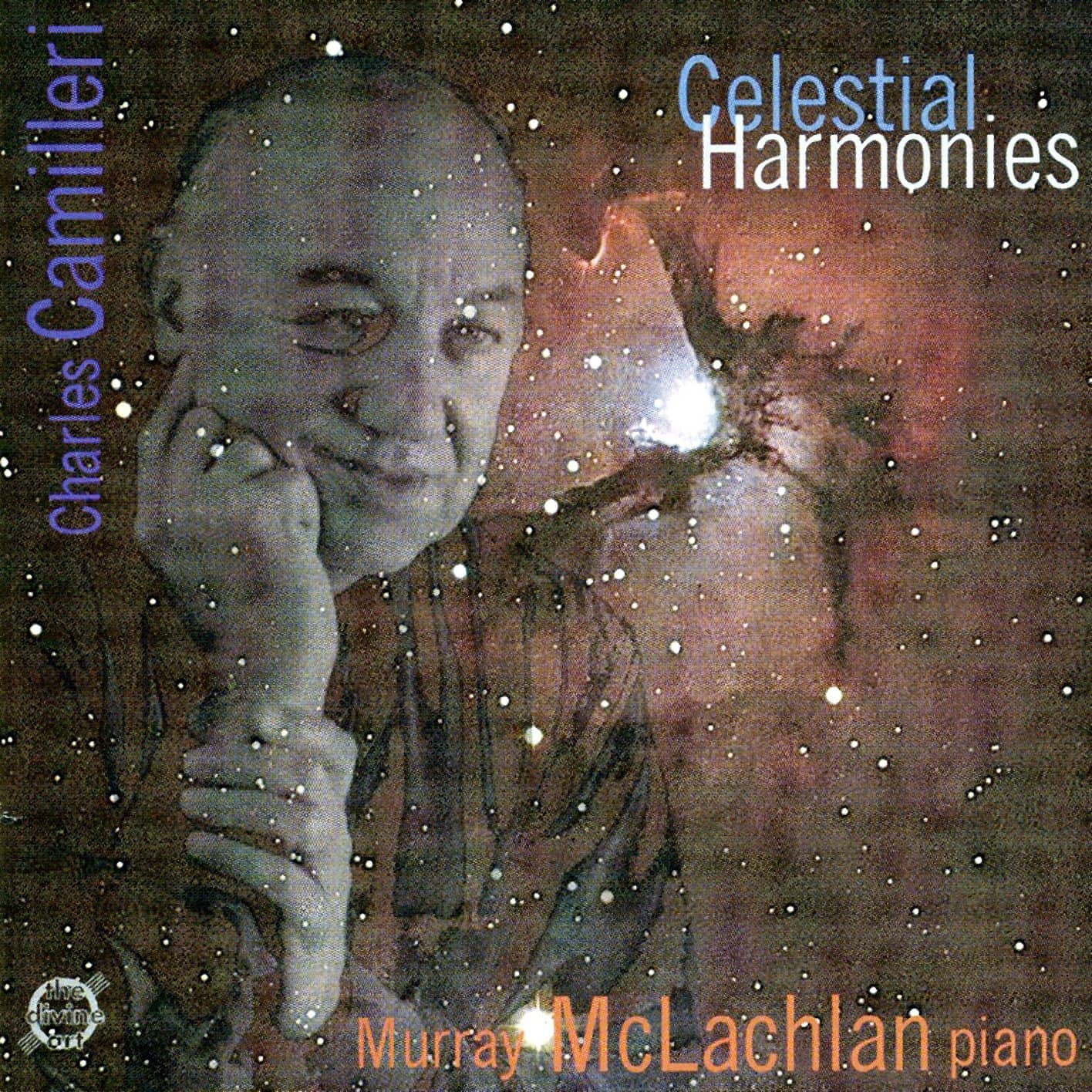
    McLachlan is one of the established Camilleri specialists; performer and composer worked together on this CD of music (first recordings in each case) some of which was especially written for this recording. Camilleri’s music here is very special – atmospheric, mystical but also full of life and vigour.

    Camilleri of a different kind: light, fun and brilliant orchestral works on DDV 24126 and for two pianos on DDV 24167.

  • The Isles of Greece

    The Isles of Greece

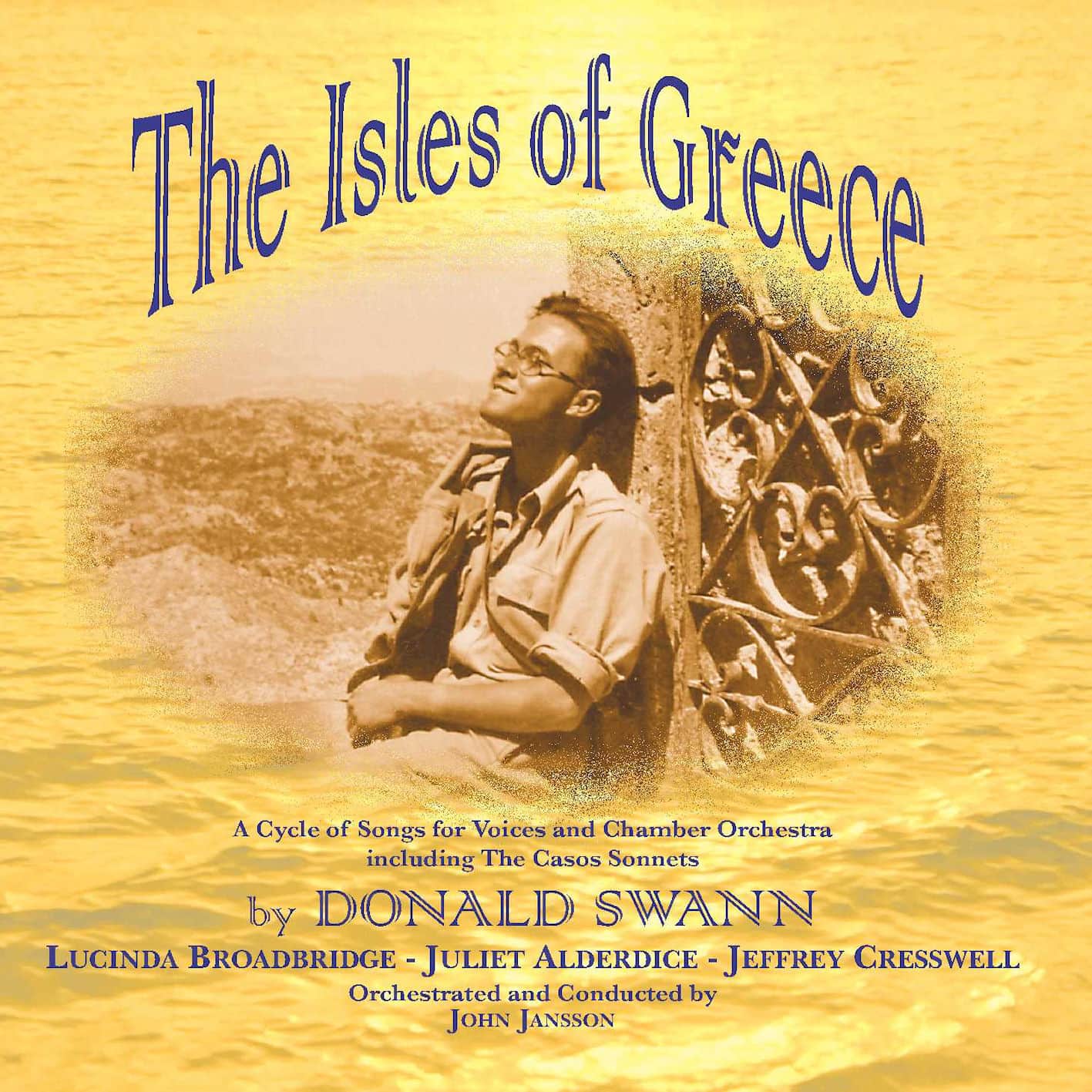
    As a composer Donald Swann was more prolific, more varied, than might be imagined from those who only know him as half of the Flanders and Swann comedy duo. Fascinated by the Greek islands and particularly Casos, on which he found both peace and disquiet, he used Greek folksong and popular melodies as the basis for these joyful yet thoughtful songs, orchestrated by John Jansson.

    BONUS: The Casos Sonnets, which form a separate subset, were never performed in Donald’s lifetime. We are very fortunate to have secured a tape of these pieces, made by Donald for his own use on his beloved Bluthner piano at his Battersea home, and this CD includes this rare and valuable recording.

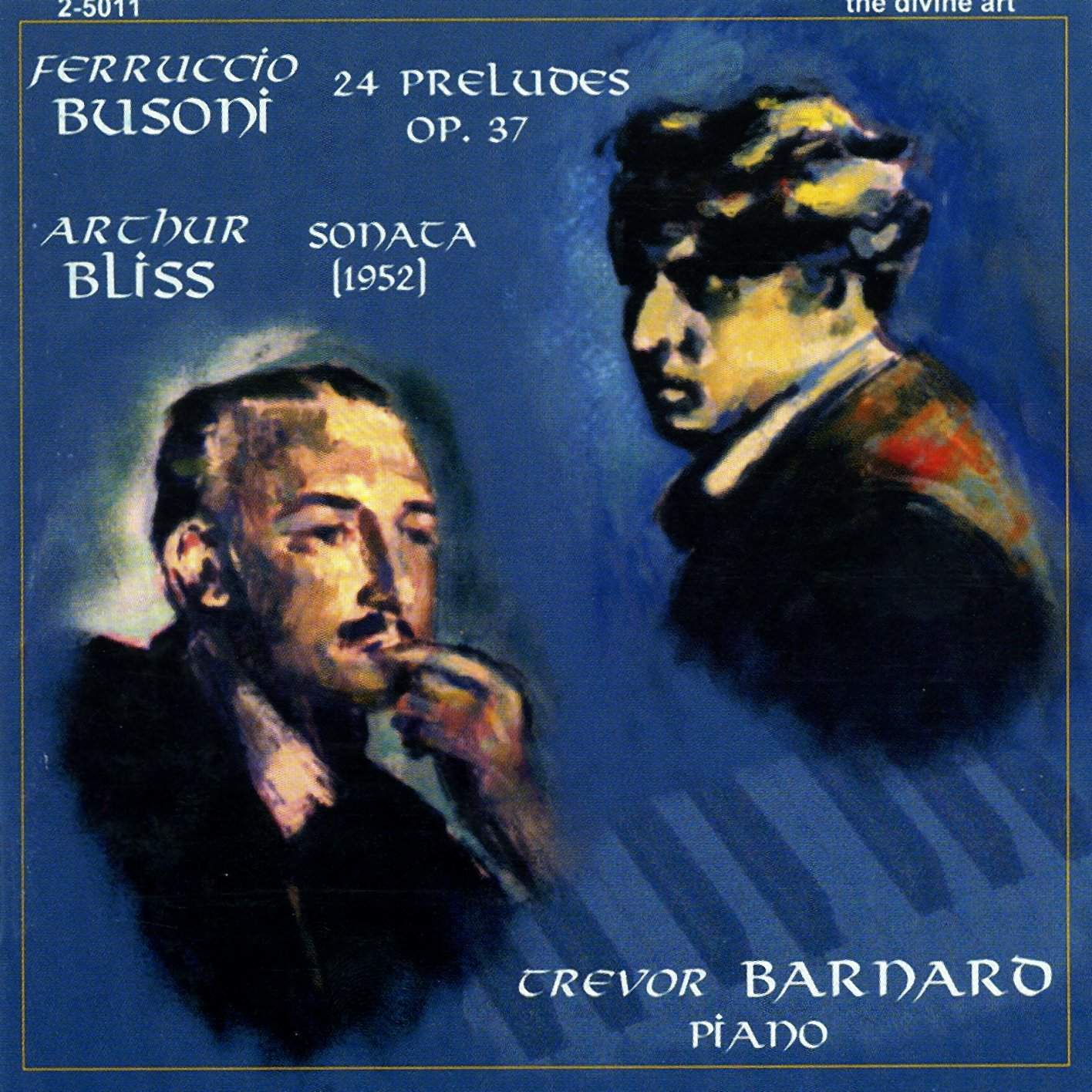
  • Busoni Preludes & Bliss Piano Sonata

    Busoni Preludes & Bliss Piano Sonata

    This CD fulfils a long held ambition of Trevor Barnard who, following his pioneering recording of the Bliss Concerto in 1962, vowed someday to complete the double by recording the superb Sonata. Coupled with the amazing Preludes, these works deserve to be much better known. In early 2000 we re-issued that 1962 recording of the Concerto which Trevor made with the Philharmonia under Sir Malcolm Sargent (DDV 24106).

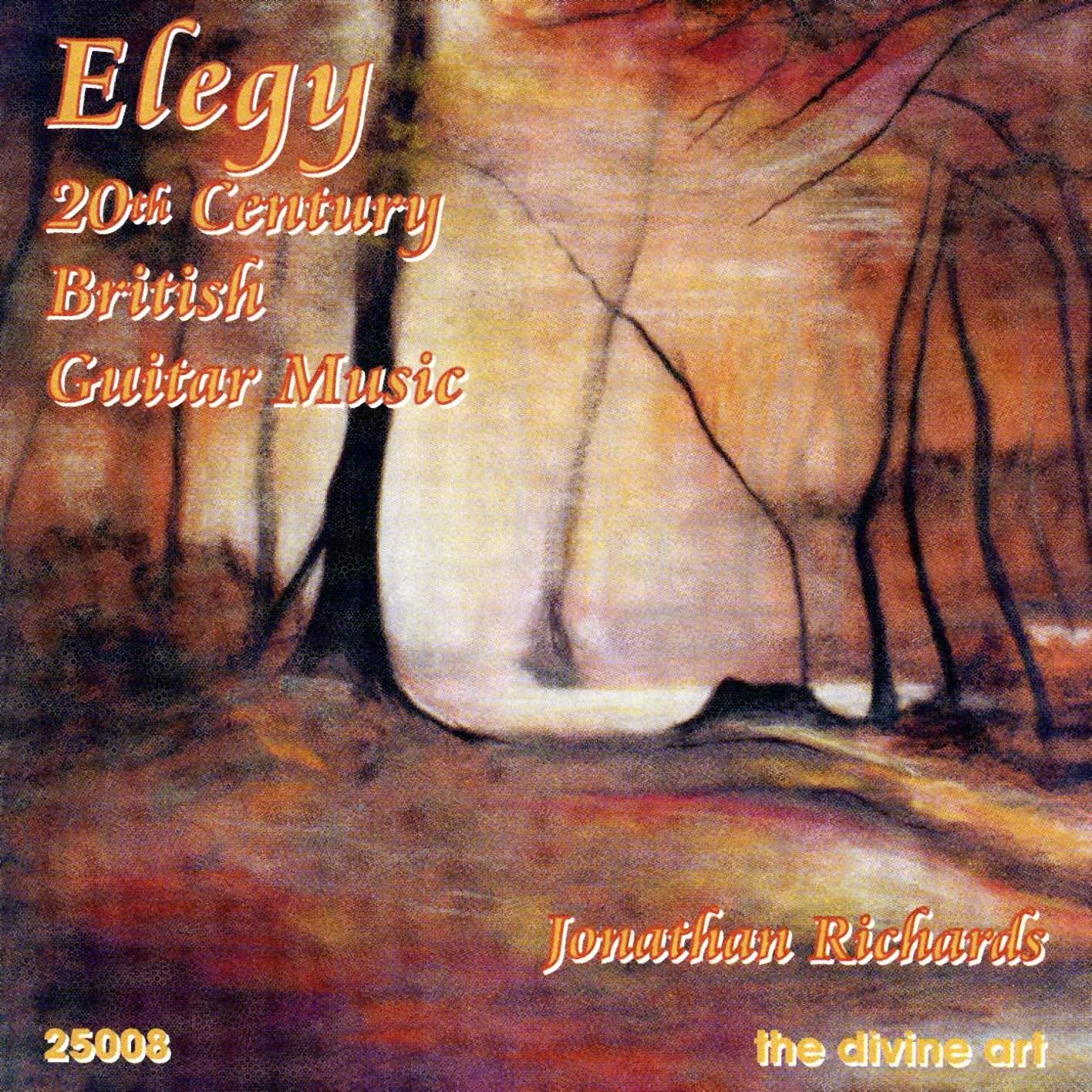
  • Elegy – 20th century British Guitar Music

    Elegy – 20th century British Guitar Music

    Two of the finest modern works for guitar – John Tavener’s “Chant” and Alan Rawsthorne’s “Elegy” which, with Terence Croucher’s piece of the same name gives the title to this collection – appear with music from several of Britain’s most accomplished composers for the instrument. Jonathan’s fourth recording, and his first for Divine Art, presents works with which he has a special affinity and demonstrates why these compositions deserve a wider audience. This recording has been kindly supported by the Rawsthorne Trust.

    Our recording of John Tavener’s “Chant” from this CD was chosen to feature in a new 2CD set issued by Naxos in January 2004. Called “Portrait of John Tavener”, the CD number is 8.558160-61.

    Jonathan Richards plays his own arrangements of music by J S Bach: “Sarabande” on DDV 24115 and gorgeous romantic pieces on “Forever” DDV 24119.

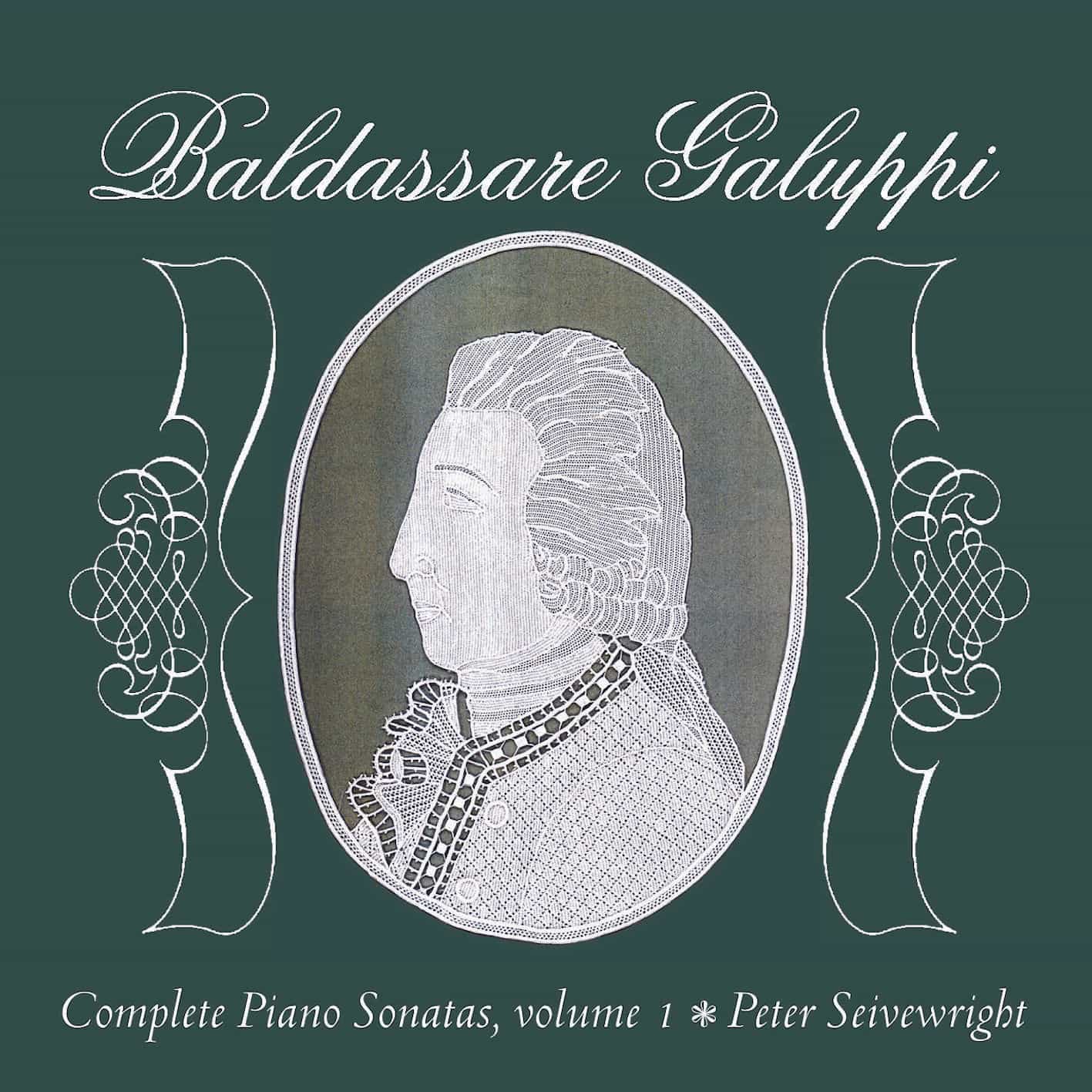
  • Galuppi Piano Sonatas, Vol. 1

    Galuppi Piano Sonatas, Vol. 1

    In the first of a series containing Galuppi’s 100 piano sonatas, we present eight of these masterpieces. All music lovers should sample these seminal works, which made Galuppi one of the greatest composers of his day;all the more strange that he should have fallen into such obscurity.

    Peter Seivewright has spent a good deal of time on a research mission to Venice and other European cities, retrieving the unpublished manuscript scores and preparing performing editions. One of the great revelations brought about by this work is that Galuppi, far from being a straightforward baroque composer writing for the traditional keyboard instruments (harpsichord and clavichord), which have been employed in all previous recordings, actually waited until the piano had been developed before creating most of his phenomenal output. Many of the original manuscripts are titled “Sonata for Pianoforte”, and much of the writing, making substantial use of the sustain pedal, simply do not work on the earlier instruments.

    Click here for details of:
    Volume 2
    Volume 3
    Volume 4