Genre: Chamber Music

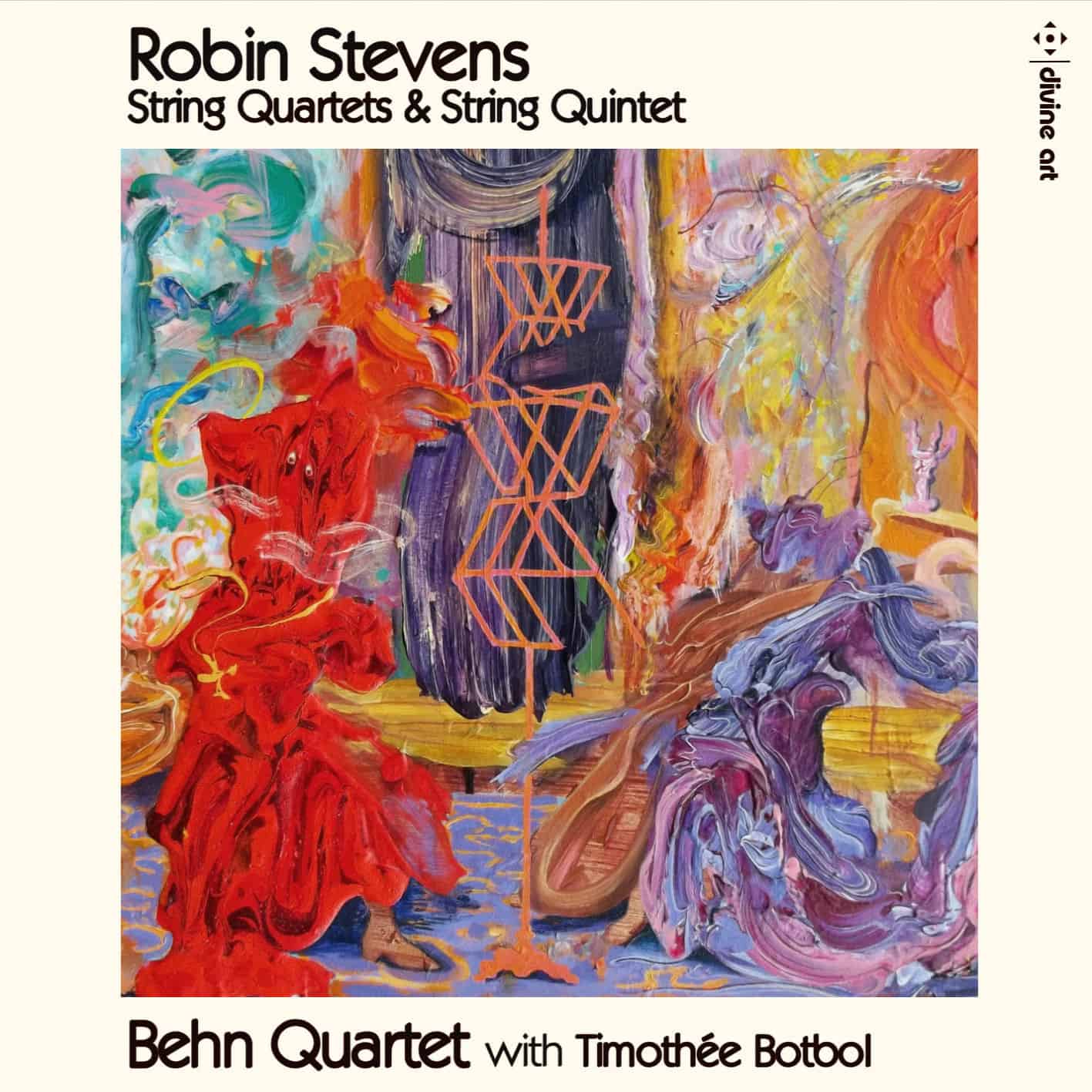
  • Robin Stevens: String Quartets and String Quintet

    Robin Stevens: String Quartets and String Quintet

    The British composer Robin Stevens is a great talent waiting to be discovered by the global music community. His varied, stimulating and expressive work arises from many influences – from the music of the Romantic era, to mathematics, his faith, and the influence of his main teacher in undergraduate days, John Joubert, and he is now producing substantial works for varied instrumental groupings, which are modernist and original, but yet immediately accessible.

    This album contains the premiere recording of the String Quintet, an early work from his student days, rich in allusions to early 20th century works, but already containing many of the elements of his later work: tangy harmonies, intricate counterpoint, modal lyricism and often almost neo-Romantic expression. Above all the works are a reflection of the composer and his perceptions of the word and the people around him, yet at the same time universal in their appeal.

    The two quartets are very different. The first was written in 2008 after the composer had recovered from a 17-year debilitating illness and while his style was developing considerably as he undertook his Doctorate. Its single movement is rich in variety, using a small few thematic ideas in constantly evolving forms. The second, from 2011, is a study of three character types (not necessarily real individuals) which are each distinctive but clearly related.
  • Robin Stevens: Prevailing Winds

    Robin Stevens: Prevailing Winds

    The British composer Robin Stevens is a great talent waiting to be discovered by the global music community. His varied, stimulating and expressive work is exemplified by this collection of music for wind instruments, ranging from the jolly and accessible (yet very difficult to play) Concert Rondo to the darker, deeper and meaningful Grief’s Portrait.

    Stevens has a brilliant touch, and also is an excellent pianist, cellist and guitarist and plays all three instruments here, alongside some of the foremost instrumentalists from the musical hotspot of Manchester, England: John Bradbury (principal clarinet, BBC Philharmonic); John Turner (recorderist: Academy of Ancient Music etc.); Richard Simpson (principal oboe, BBC Symphony), Janet Simpson (former principal keyboardist, Hallé Orchestra); and wonderful soloists Sarah Miller (flutes); Helen Peller (bassoon) and Lindsey Stoker (horn).

  • Schubert: String Quartets

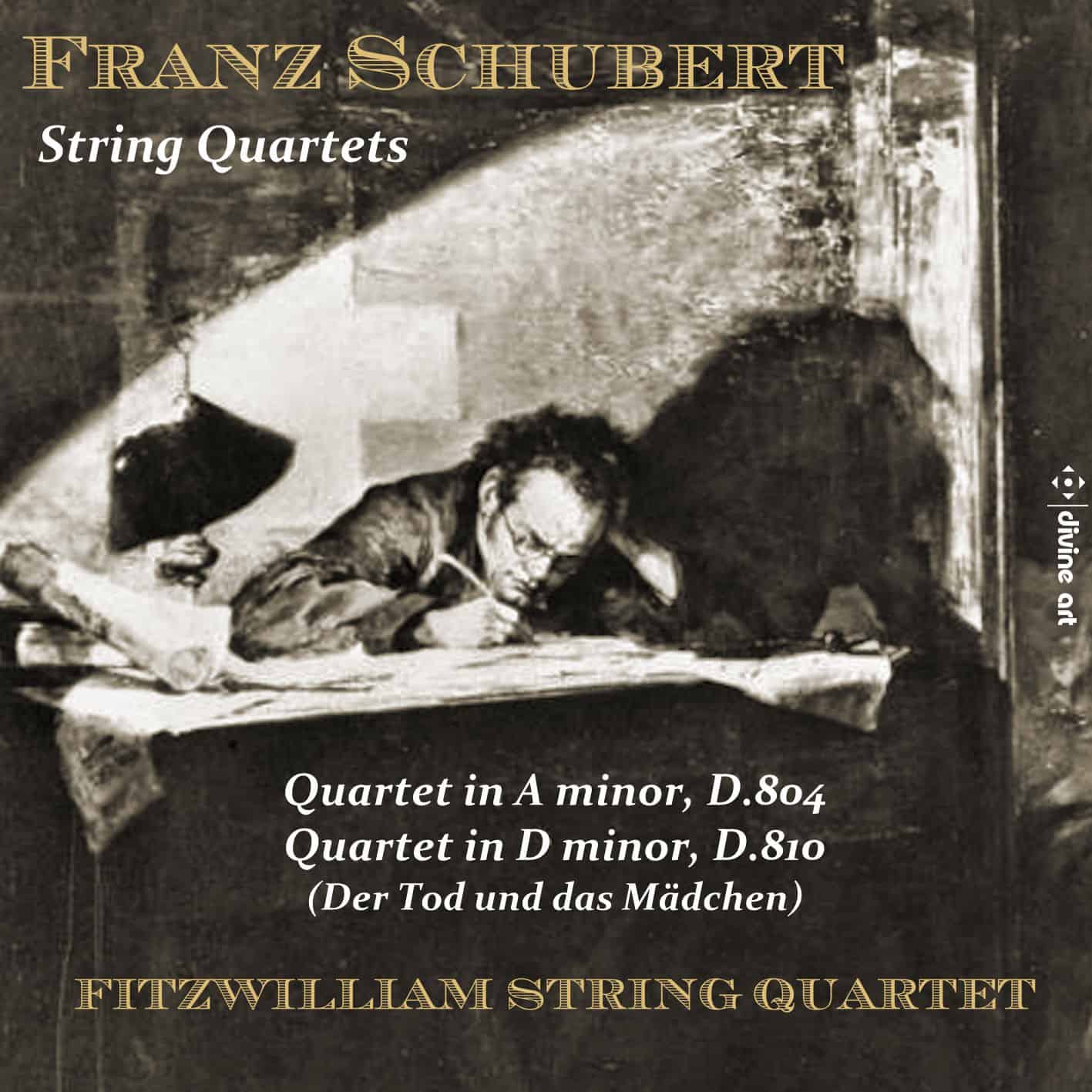
    Schubert: String Quartets

    Of these two great classical quartets which look forward so much to the heights of the Romantic period, one (“Death and the Maiden”) is almost universally loved. The almost contemporary A minor quartet is sometimes referred to as the ‘Rosamunde’ because of its strong thematic links to Schubert’s incidental music to that play. Both are here played on period instruments, with gut strings, in what is an authentic and thoroughly top-class performance by one of our foremost string ensembles.

    The Fitzwilliam Quartet has just celebrated its 50th anniversary. Acknowledged as one of the finest British quartets of our age they are equally at home in the classics, playing period instruments, or in the modern and contemporary repertoire, having had personal links with Shostakovich who called the Fitzwilliams “the preferred performers of my quartets”.

    Note on Pitch:
    It is well known that a standard international pitch (A=440) was not established until well in to the 20th century; for this recording of music from 1824 we consulted historical tables of pitches for specific years in different countries, and established that if we were performing these works in London or Vienna in the 1820s the pitch might have been A=433 – as recommended by Sir George Smart for the London Philharmonic. – FSQ

  • English Piano Trios

    English Piano Trios

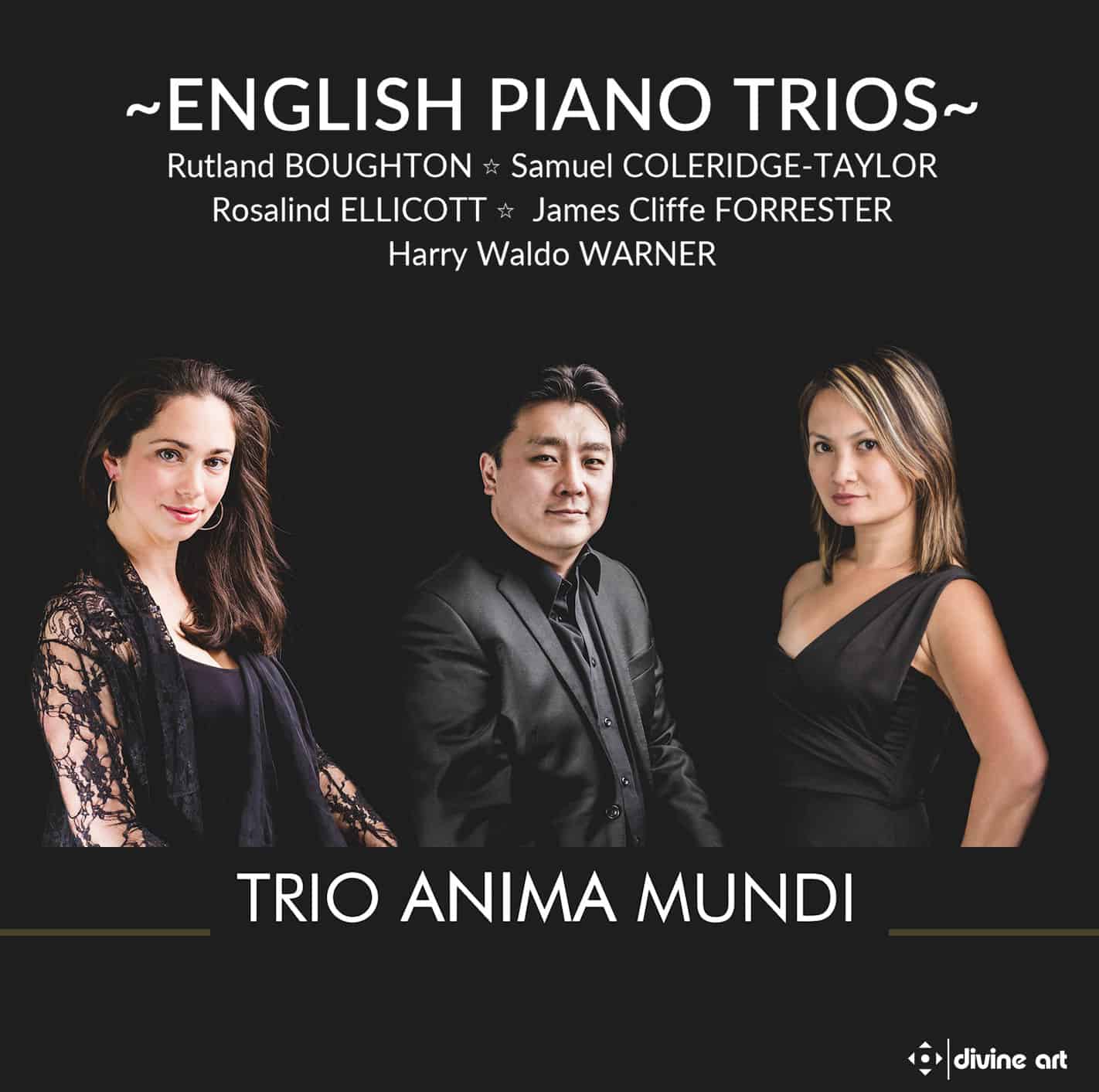
    Of the five English composers featured, only two are really known at all – Coleridge-Taylor for Hiawatha and Boughton for The Immortal Hour – but all wrote wonderful music in Romantic style – rather under the shadow of Elgar, Delius, other prominent figures. Rosalind Ellicott had much success and performances in the 1880s before moving from orchestral to chamber music; Forrester was less prolific, concentrating on his teaching career, but has a fine impressionist voice. Warner was very well known as a violist and member of the London String Quartet; he was very busy as a composer with several chamber works, two operas and over a hundred songs to his name. The Trio featured here won the Elizabeth Sprague Coolidge Prize.

    Trio Anima Mundi is one of Australia’s finest chamber trios; since its founding in 2008 it has won several international awards and made special efforts to unearth and perform forgotten but worthy works as well as the newest pieces of today. Their previous Divine Art album won rapturous acclaim.

  • Mistral: Music by Jonathan Östlund

    Mistral: Music by Jonathan Östlund

    Jonathan Östlund is a Swedish composer who has recently been living in London and is now in Romania. He has manifested an avid interest for music from an early age and has pursued his passion with a BA and MA in Composition at the Luleå Tekniska Universitet, in Sweden. He has studied under the artistic guidance of Prof. Rolf Martinsson, Prof. Jan Sandström and Prof. Sverker Jullander, among others, and has so far completed almost 100 works, including several orchestral pieces and concertos for both violin and piano, and has been awarded many prizes in international competitions.

    This is Divine Art’s third album devoted to Östlund. It is similar to the previous albums in that it features orchestral, instrumental and chamber music with inspiration from nature and also showing the skills of the composer in various genres. Fine young musicians have been hand-picked to perform, alongside the excellent Moscow Bow Tie Orchestra. Östlund’s music is very accessible and tonal and often full of wit and humor, and always atmospheric. For those reasons a number of respected critics and journalists are taking much note of the composer’s work.

  • Vyacheslav Artyomov – Retrospective Series (discount set)

    Vyacheslav Artyomov – Retrospective Series (discount set)

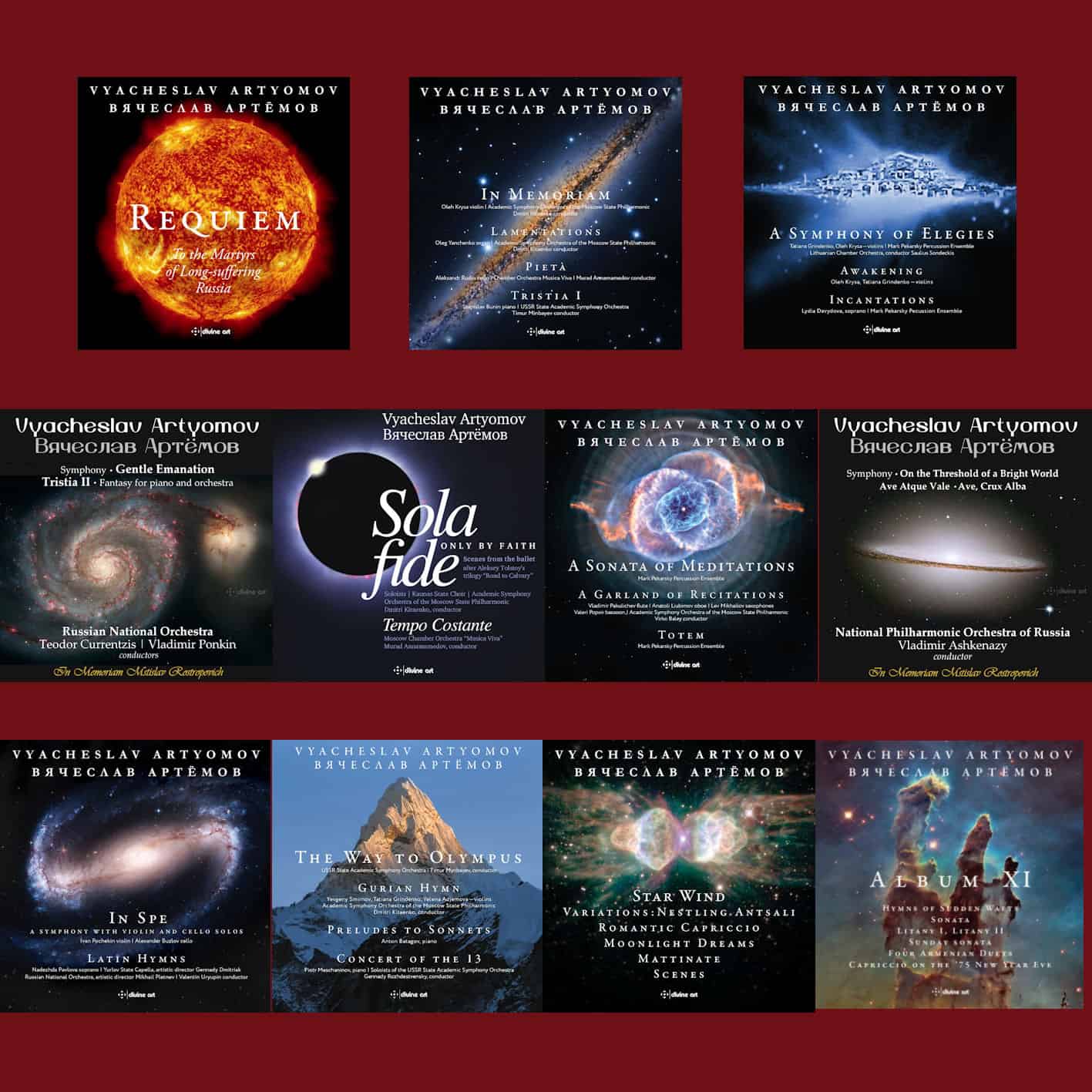
    According to many, including us, Artyomov is by far the greatest composer in Russia today. This set includes all eleven of the albums issued in 2017-2020 including orchestral, choral, chamber and vocal works. Three of these albums are brand new recordings (DDA 25143, 25144 and 25184) while others have been remastered from originals made by Melodiya and other Russian labels and also previously unissued tracks. Available on CD and in CD-quality FLAC and MP3

    Digital downloads include all 11 booklets which have all contents in both English and Russian. This bulk set provides a 25% discount over the items bought separately.

    Details of each volume (including reviews and track lists):
    DDA 25143 Symphony: On the Threshold of a Bright World (and other works)
    DDA 25144 Symphony: Gentle Emanation (and other works)
    DDA 25164 Sola Fide / Tempo Costante
    DDA 25171 Symphony: The Way to Olympus (and other works)
    DDA 25172 A Symphony of Elegies (and other works)
    DDA 25173 Requiem
    DDA 25174 A Sonata of Meditations (and other works)
    DDA 25175 Symphony: In Memoriam (and other works)
    DDA 25176 Star Wind (and other works)
    DDA 25184 Symphony: In Spe / Latin Hymns
    DDA 25198Album XI: Chamber music

  • Jonathan Östlund : Voyages (CD)

    Jonathan Östlund : Voyages (CD)

    Jonathan Östlund is a Swedish composer who has recently been living in London. He has manifested an avid interest for music from an early age and has pursued his passion with a BA and MA in Composition at the Luleå Tekniska Universitet, in Sweden. He has studied under the artistic guidance of Prof. Rolf Martinsson, Prof. Jan Sandström and Prof. Sverker Jullander, among others, and has so far completed approximately 80 works, including several orchestral pieces and a Piano Concerto, and has been awarded many prizes in international competitions.

    This second double album was issued in digital download only in March 2019 and here is the CD version by popular demand. It is similar to the previous album ‘Lunaris’ in that it features orchestral, vocal, instrumental and chamber music with inspiration from nature, in an even wider variety than on the previous release. A team of top European soloists (several of whom also gave the world premieres of these works) were gathered to record this album. Östlund’s music is very accessible and tonal and often full of wit and humor, and always atmospheric.

    To access the DIGITAL DOWNLOAD version which includes two extra tracks click HERE

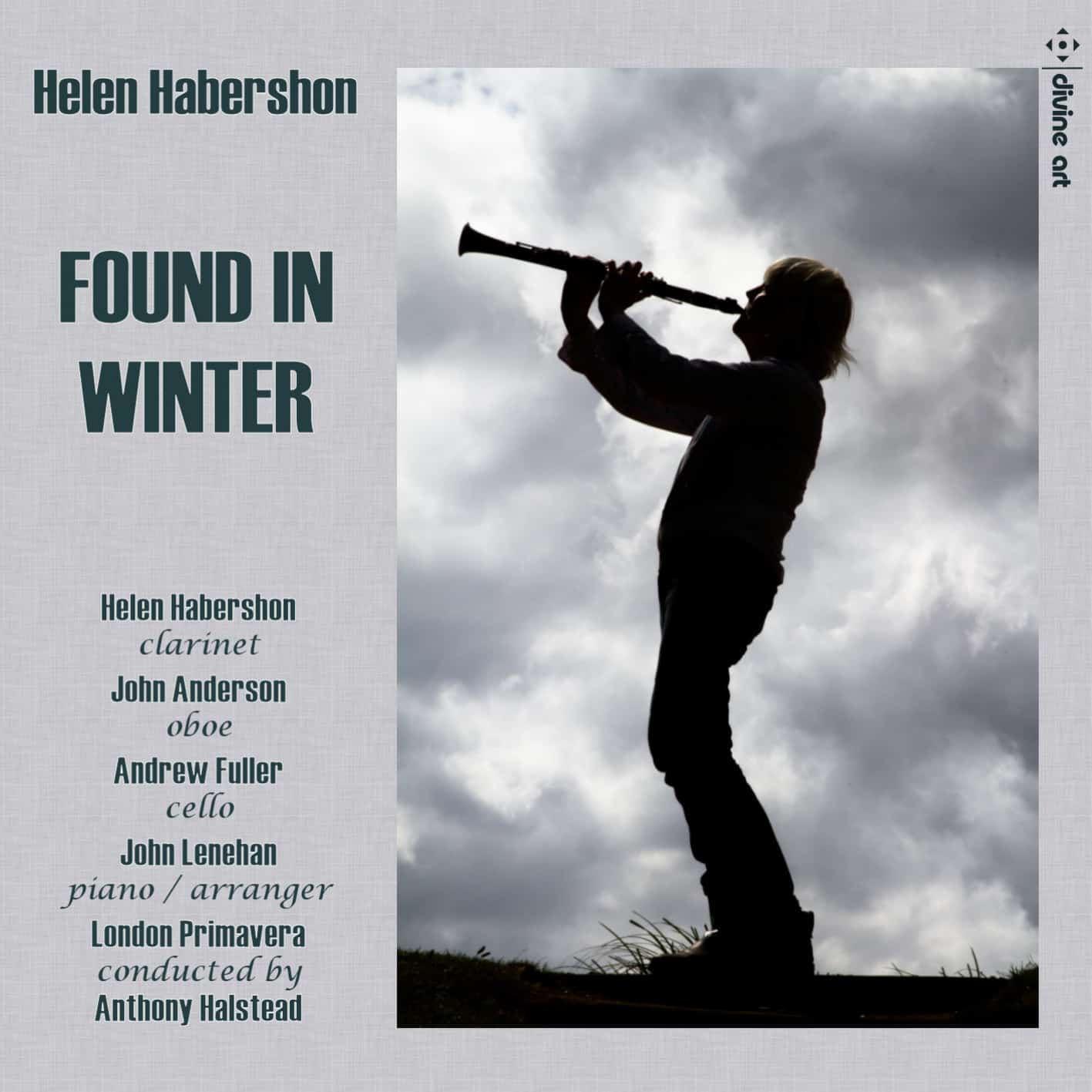
  • Found in Winter – Music by Helen Habershon

    Found in Winter – Music by Helen Habershon

    Helen Habershon’s writing is instinctive and inspired. She is passionate about ‘our incredible natural world’ and it is the main source for her music. ‘Found in Winter’ expresses the many different faces of winter with its varied moods, and the ever-present threat of climatic change both cyclic and man-made.
    The music has been wonderfully arranged for small orchestra (most tracks) by John Lenehan and is unashamedly tuneful, though never simplistic; impressionistic and almost visual in its impact. This album follows two previous CDs which were Album of the Month and Album of the Week respectively on Classic FM.

    Helen is principally a clarinettist with a distinguished international concert, radio and TV career; after a serious injury to both wrists, she turned to composition and has never looked back, though now once again able to perform – as she does on this album.

    The performers on the album have all established themselves as leading lights; John Anderson is one of the most recorded oboists in the world and professor of oboe at the Royal College of Music; Andrew Fuller left the RPO to follow a very successful career in solo and chamber performances, and John Lenehan has appeared on over 70 albums including solo recordings for Sony, receiving many plaudits. The London Primavera was formed in 1986 and consists of the foremost chamber musicians in Britain. It has appeared at many international festivals, has made two TV series, and several recordings. Anthony Halstead has made over 50 CDs all around the world with leading ensembles and is one of Britain’s most sought-after and versatile conductors

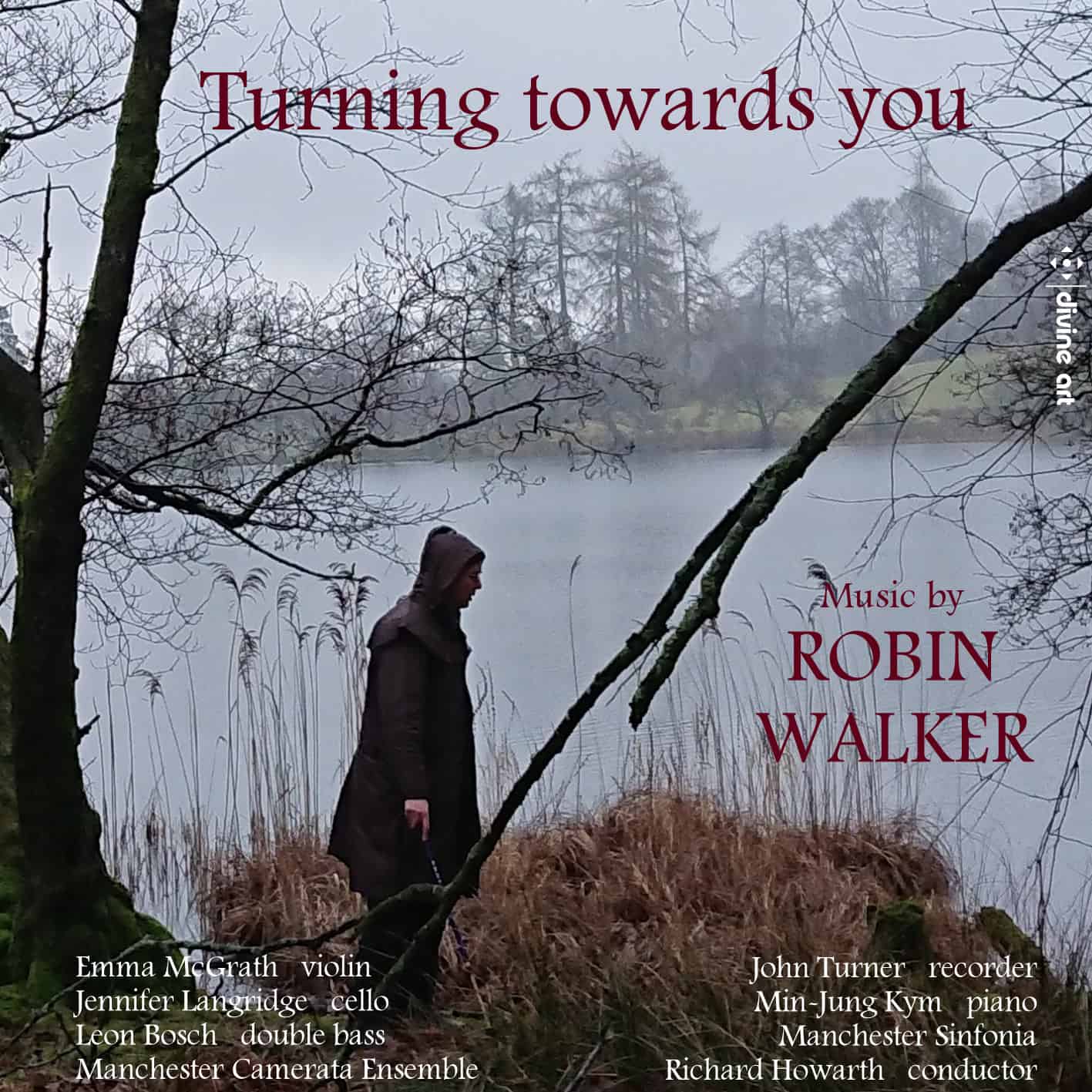
  • Turning Towards You – music by Robin Walker

    Turning Towards You – music by Robin Walker

    Chosen as one of his ‘Records of the Year 2019’by Richard Hanlon (MusicWeb International)

    Robin Walker began his musical life as Head Chorister at York Minster then studied under David Lumsdaine at Durham and Anthony Milner at the Royal College of Music. His early work was seriously modernist but since the 1980s he has worked on an ‘instinctual’ approach involving a relationship with Nature, a sense of Place and our position within it, even including ‘folk-style’ elements – also to some extent informed by studying the music and dance of India.

    Leading soloists and the award winning Manchester Sinfonia present a range of works for solo instruments and the remarkable and inspired Concerto for Violin, Recorder and Strings (‘A Prayer and a Dance of Two Spirits’); the album follows a purely orchestral set recently issued by Toccata.

    John Turner is one of the world’s leading recorder players with a long and distinguished career; Emma McGrath is currently concertmaster/principal violin of the Tasmanian Symphony Orchestra; Jennifer Langridge is a busy soloist and chamber musician and has been principal cello of Psappha for 24 years. Leon Bosch is an internationally renowned double bass virtuoso with over a dozen solo albums to his name; Min-Jung Kym is a Steinway Artist with a very successful career, having already performed with many leading orchestras and she was pianist of choice of legendary violinist Ruggiero Ricci.

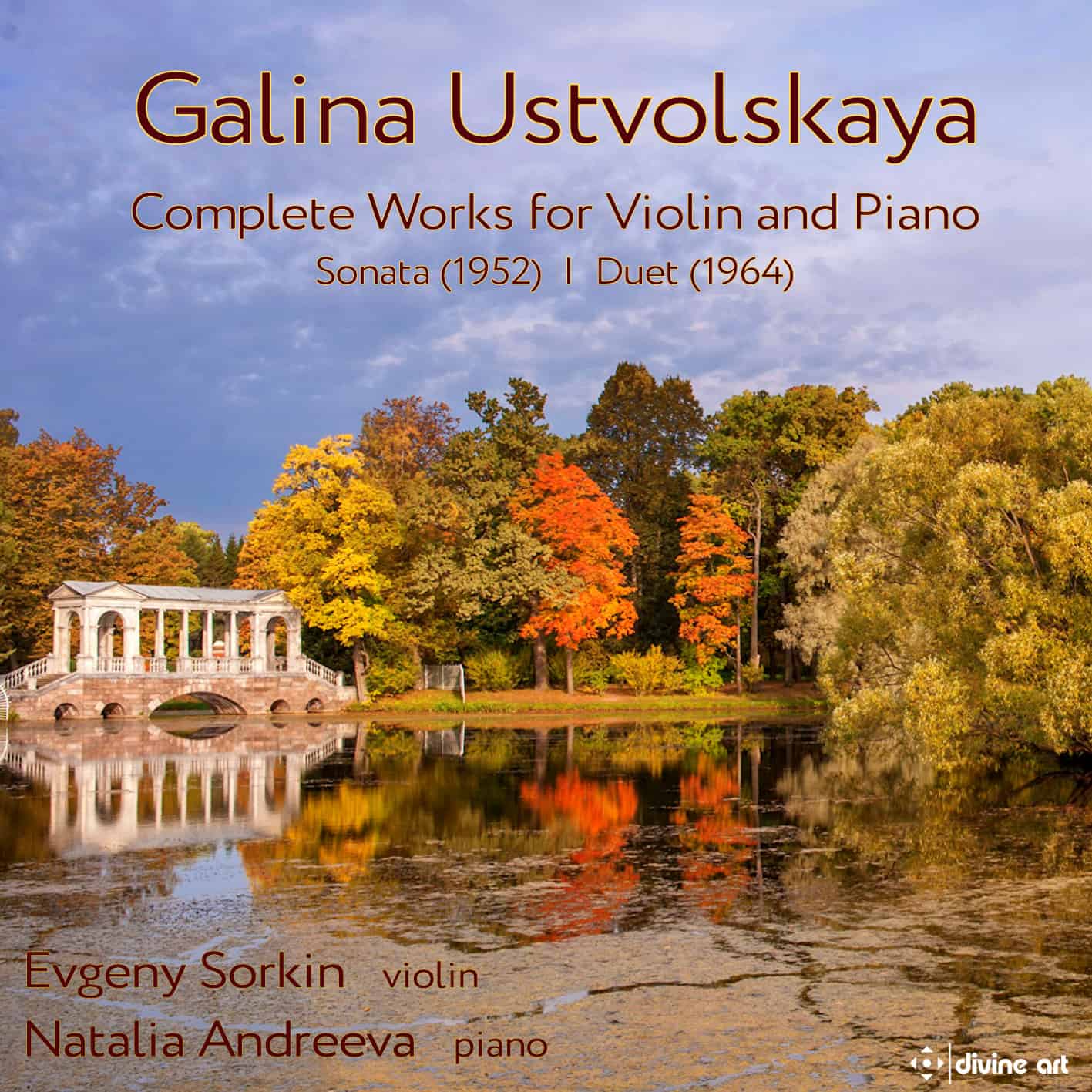
  • Galina Ustvolskaya – Complete works for Violin and Piano

    Galina Ustvolskaya – Complete works for Violin and Piano

    Unfairly named ‘The Lady with the Hammer’ for her uncompromising use of massive thunderous chords and ostinato rhythms, Ustvolskaya was a pupil of Shostakovich but forged her own unique way into many genres. Recently, artists have concentrated, as here, on bringing out the richness of the works and their innate lyricism. This album includes all of the composer’s music for violin and piano in two major works – the Sonata and the Duet.

    Russian violinist Evgeny Sorkin was a child prodigy and performed for Isaac Stern at the age of 10 and was compared at 16 to David Oistrakh by no less than Yehudi Menuhin. He moved to Australia and balanced teaching at Sydney Conservatory with a busy recital schedule.

    Natalia Andreeva is a Russian pianist who is currently Lecturer in Piano at the University of Sydney, Australia. Her 2015 recording of the complete solo piano music of Galina Ustvolskaya was very well received; she is a pianist of consummate skill who can express the power and lyricism which exist side by side in these works

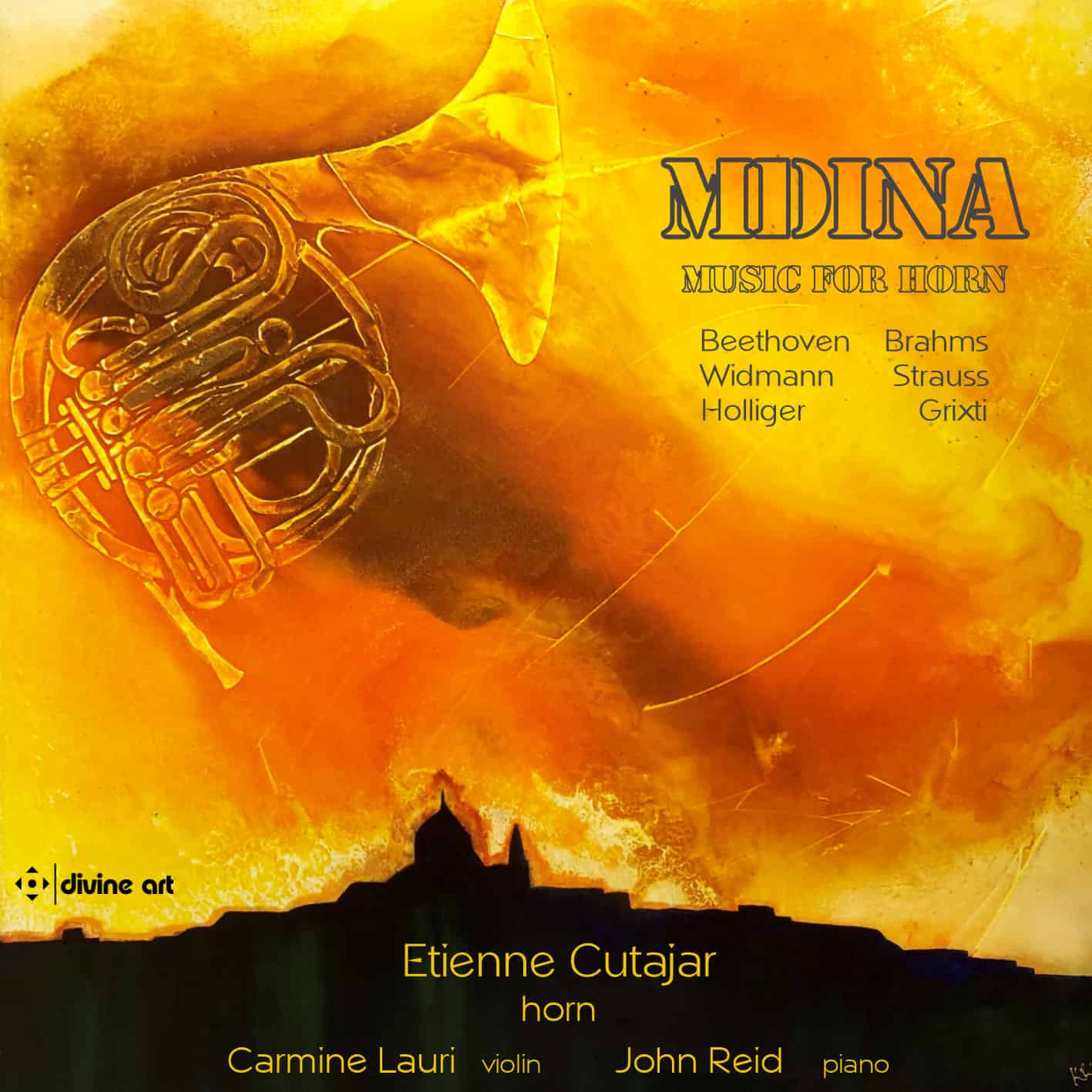
  • Mdina – Music for Horn

    Mdina – Music for Horn

    Following the release of his debut album in May 2007 the virtuoso horn player Etienne Cutajar, who took up his first orchestral seat at 18, has seen his career develop with important orchestral appointments in Scotland and elsewhere before returning to his native country to become principal horn of the Malta Philharmonic. He has also appeared as chamber soloist in many prestigious venues.

    This album is named for the central work, Mdina, by Maltese composer Jesmond Grixti; this is a work for horn solo and accompanied by two more contemporary pieces: Air für Horn by Jörg Widmann and Cynddaredd-Brenddyd by Heinz Holliger. These works require the highest accuracy and technical ability which Cutajar supplies with aplomb.

    Accompanying these new pieces are three mainstream works: Beethoven’s well known Sonata receives a superb performance, as do the Andante by Richard Strauss and Brahms’s Horn Trio in E flat.

    In these works, Cutajar is joined by esteemed pianist and Royal Academy professor John Reid, and in the Brahms Trio by Carmine Lauri, one of the UK’s principal orchestral violinists, who has led the London Symphony, Academy of St Martin in the Fields, and Royal Opera House among others, and has been featured violinist in a host of major feature films.

    “Cutajar impresses with his breath control, rock-solid evenness of tone, and amazing pppppppps. One has to admire Cutajar for his facility and technical prowess.” – Robert Markow (Fanfare)

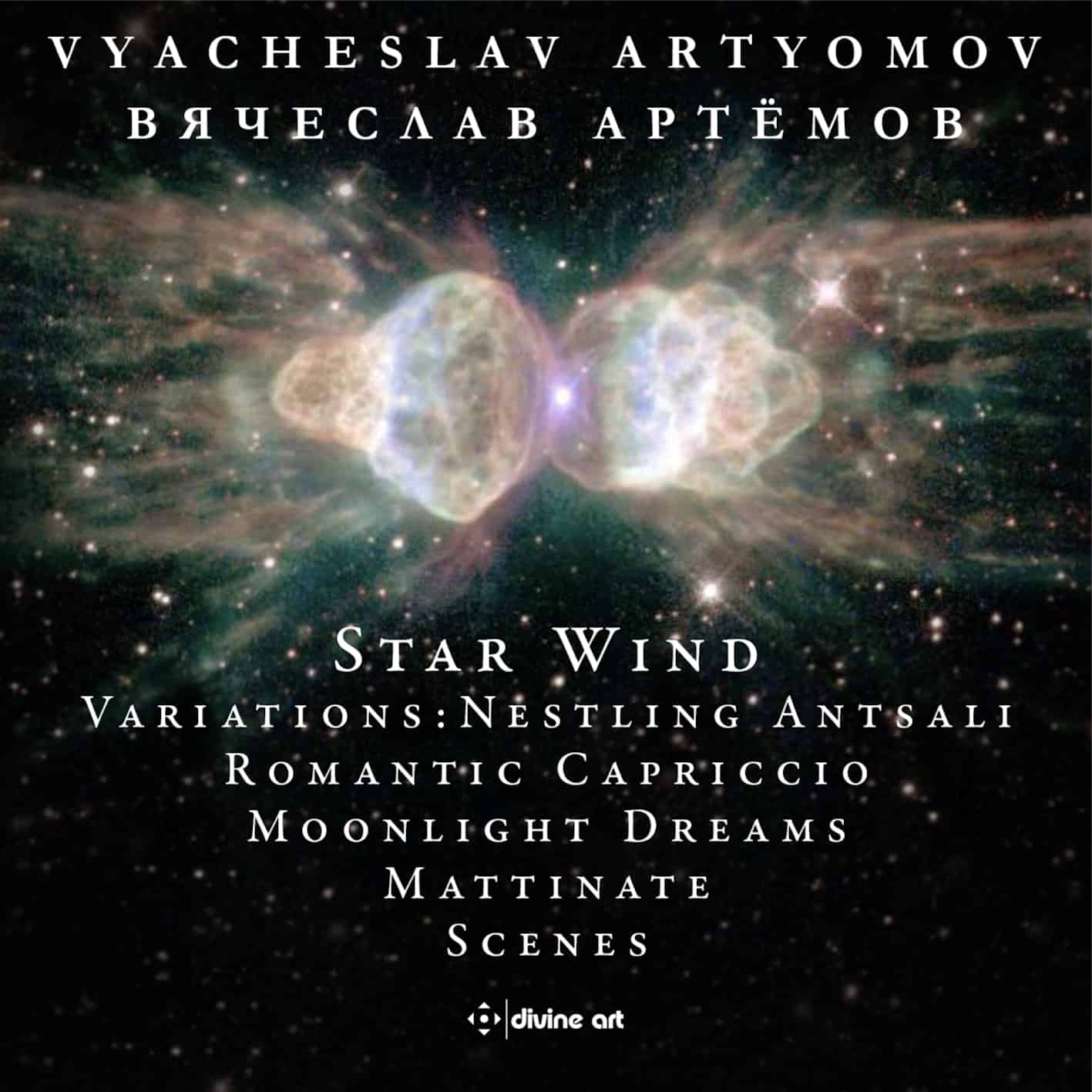
  • Artyomov – Star Wind and other works

    Artyomov – Star Wind and other works

    Vyacheslav Artyomov is considered by many to be Russia’s greatest living composer. His music is deep, ultimately spiritual and brilliantly crafted, with influences from the Russian symphonic tradition colored by Mahler, Scriabin, Honegger and Messiaen to name a few – but melded into a unique voice.

    The Divine Art Artyomov Retrospective (which to date has received wonderful reviews internationally) is a mix of new recordings and former Melodiya releases. This is the ninth instalment, which comprises six works for varying chamber ensembles, and while embodying the composer’s overall wide ranging compositional style, spirituality and mysticism, these pieces express this in a more intimate, lyrical style than his massive symphonic works. ‘Scenes’ was originally written as a ballet score for a film, but as the movie was banned by the Soviet authorities and never shown, the work now stands in its own right as a balletic suite.

    Some of Russia’s finest soloists and chamber players contributed to this album:
    Star Wind:
    Mikhail Tsinman, violin; Alexander Rudin, cello; Konstantin Yefimov, flute; Andrei Kuznetsov, French horn; Anatoly Sheludiakov, piano;
    Alexander Suvorov, glockenspiel; Murad Annamamedov, conductor
    Variations: Nestling Antsali:
    Alexander Korneyev, flute; Vyacheslav Artyomov, piano
    Moonlight Dreams:
    Nelly Lee, soprano; Alexander Golyshev, alto flute; Vladimir Tonkha, cello; Dmitri Alexeyev, piano
    Romantic Capriccio:
    Igor Makarov, French horn; Yuri Smirnov, piano;
    Alikhanova String Quartet (Yevgenia Alikhanova & Valentina Alykova violins, Tatiana Kokhanovskaya, viola, Olga Agranovich, cello)
    Mattinate:
    Iana Besiadinskaya, soprano; Zarius Shikhmurzayeva, violin; Vladimir Pakulichev, flute; Nikolai Komolyatov, guitar
    Scenes:
    Mikhail Tsinman, violin; Igor Abramov, clarinet; Nikolai Gorbunov, bass; Anatoly Sheludiakov, piano; Valeriy Polivanov & Alexander Suvorov, percussion; Murad Annamamedov, conductor